Mozambique A People At War
1989
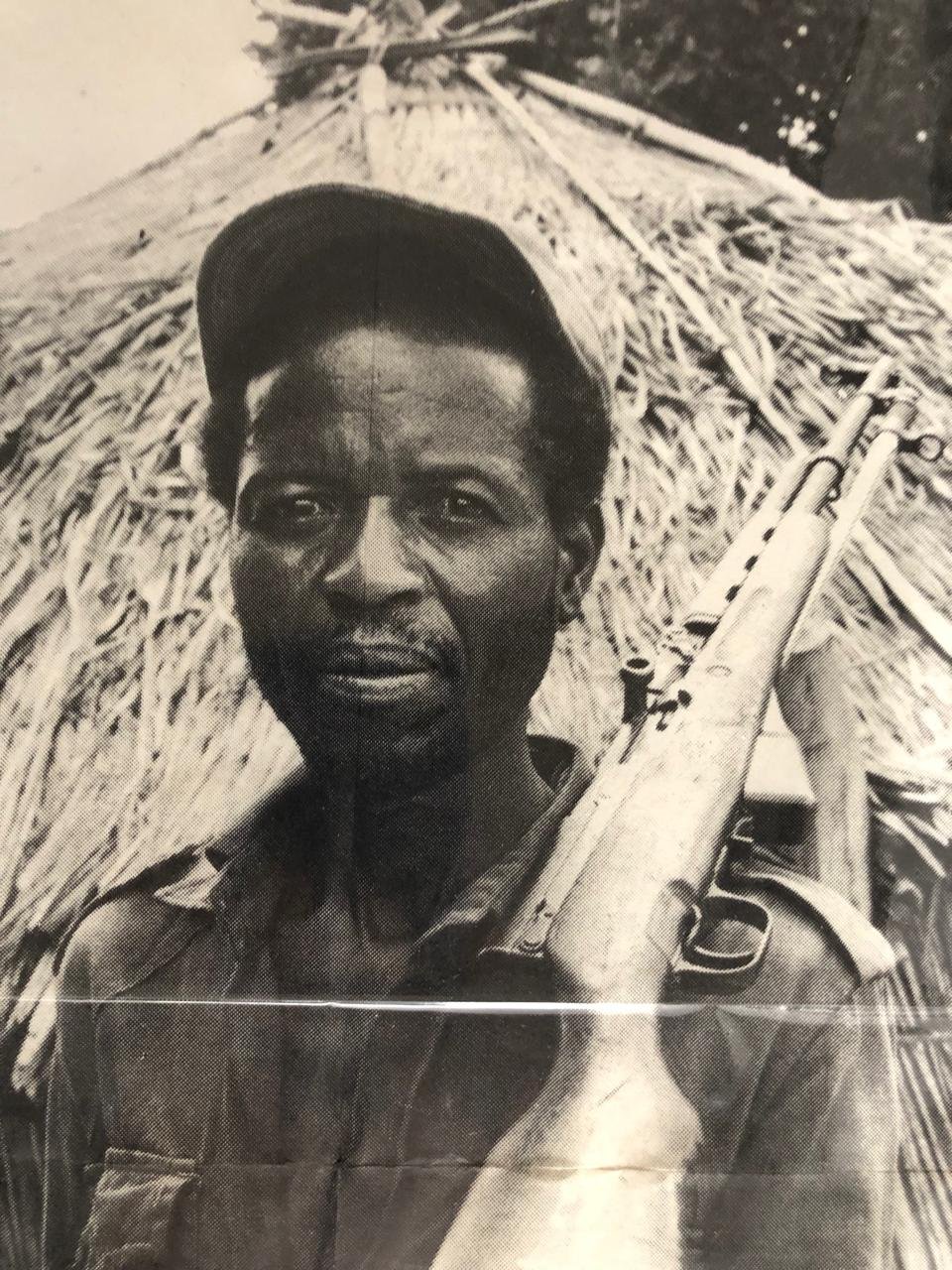
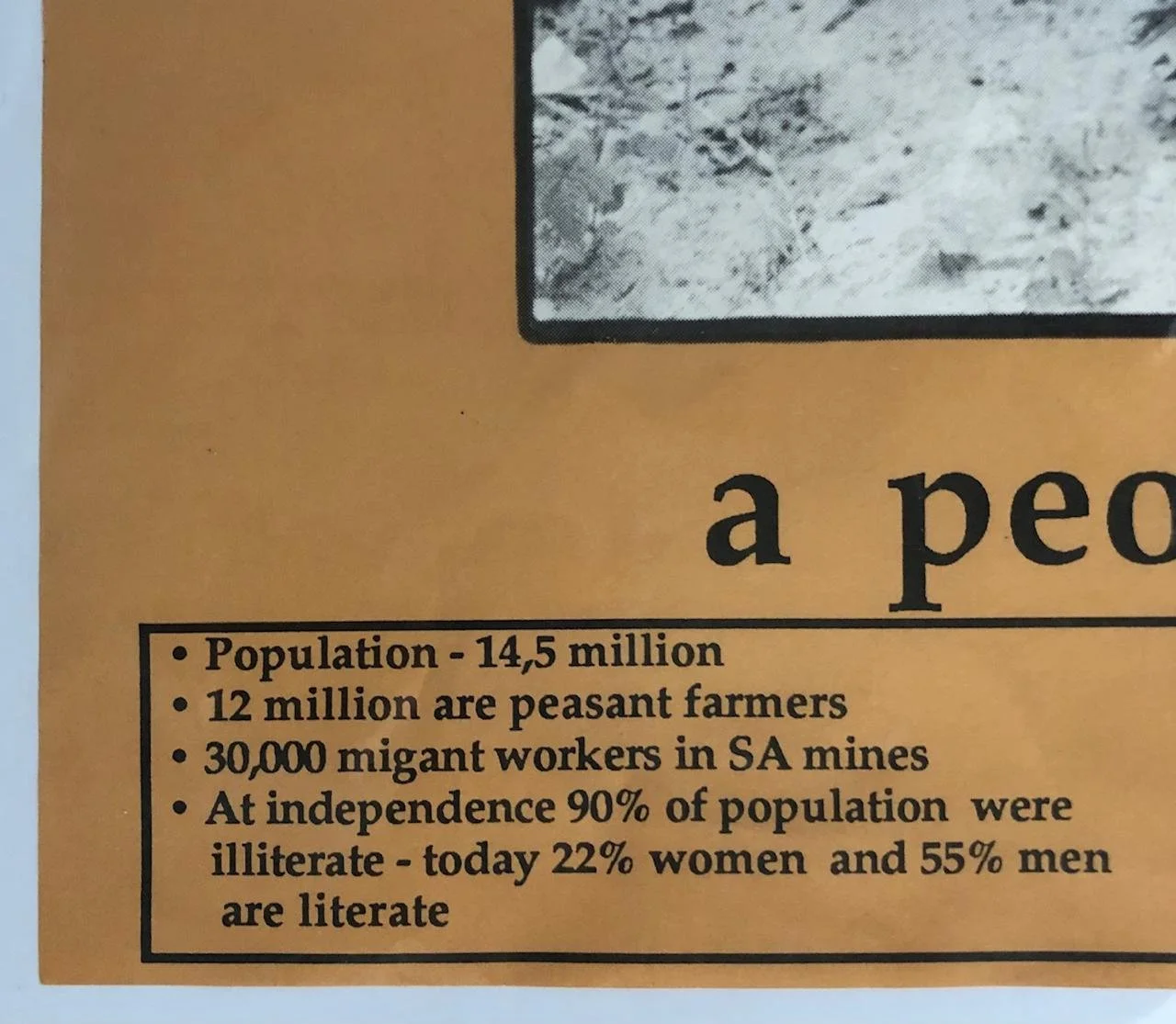
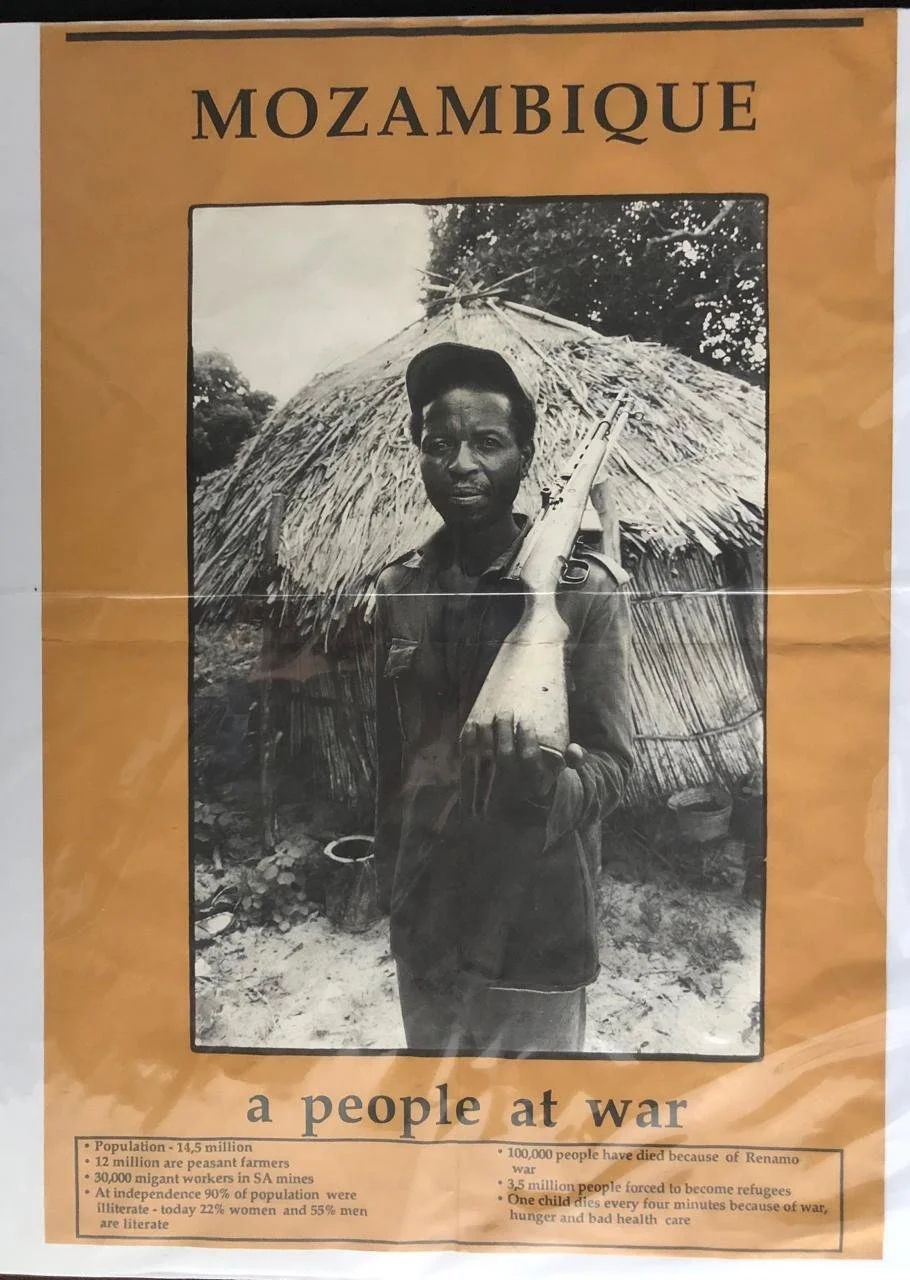
This poster draws attention to the plight of the Mozambican population affected by the war.
Published by the EDA, a non-government rural development agency.
This poster does seem to be on the side of the government, FRELIMO.
Around 1989, the conflict in Mozambique reached a critical turning point as the brutal civil war between the ruling Frelimo party and the Renamo rebels moved from a military stalemate toward the beginning of a negotiated peace process. This transition was driven by the shifting international landscape of the Cold War's end, the crumbling of apartheid in South Africa, and a growing internal exhaustion with the 12-year-long conflict.
Political Shifts and the Path to Dialogue
In 1989, the Mozambican government, led by President Joaquim Chissano, initiated significant reforms that paved the way for future peace:
Abandonment of Marxism-Leninism: At Frelimo’s 5th Congress in July 1989, the party officially abandoned Marxism-Leninism as its core ideology.
Constitutional Reform: In July 1989, a new draft constitution was introduced that opened the door for a multiparty political system, which was eventually adopted in November 1990.
Acceptance of Negotiations: During the same July congress, Frelimo officially accepted the principle of negotiating with Renamo.
Role of the Church: Following a breakthrough in February 1989, church leaders returned from talks in Kenya reporting that Renamo was tired of the war and open to negotiations.
415mm x 600mm
R2,500