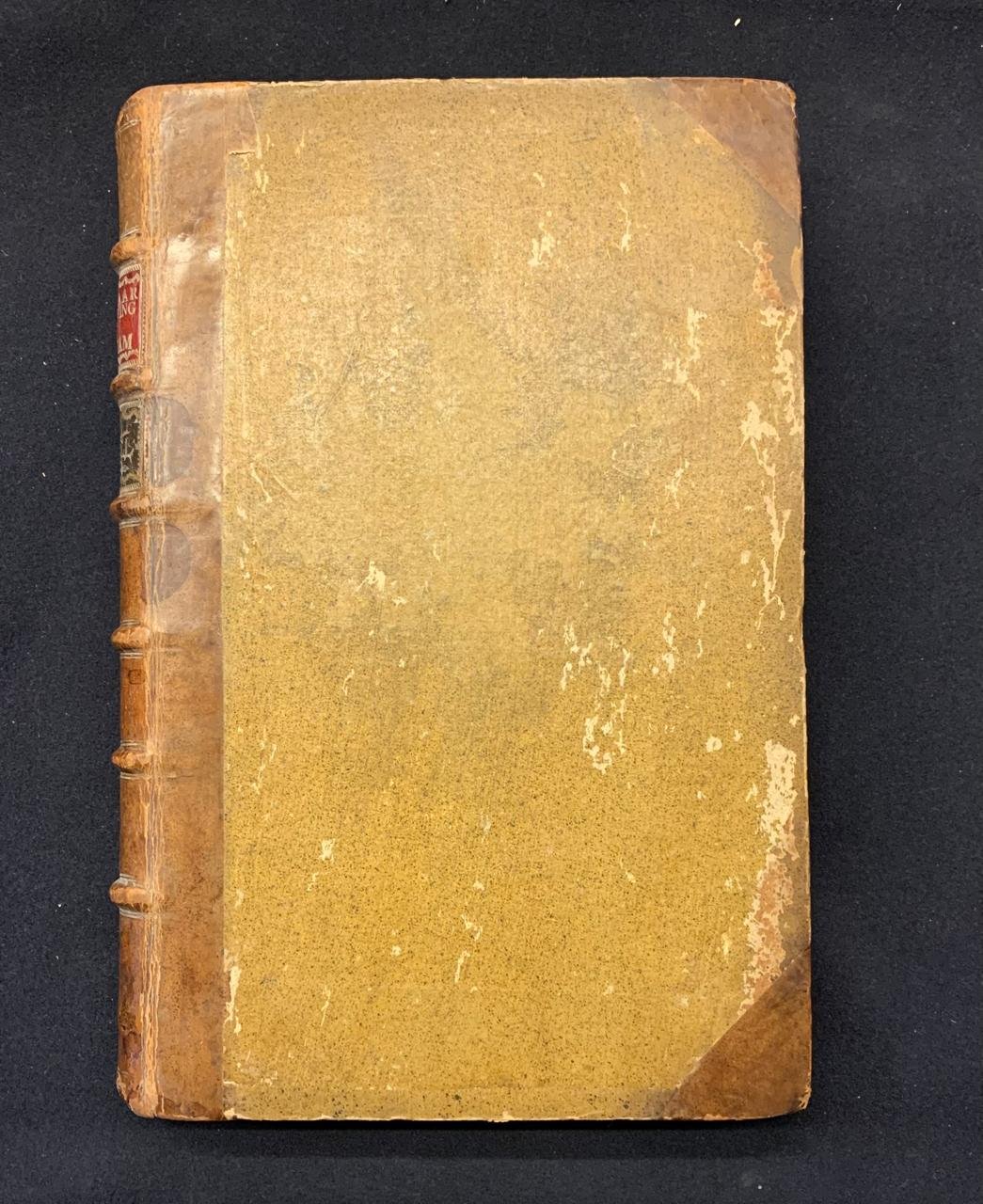
Amsterdam Architecture 1767 by Jan Wagenaar
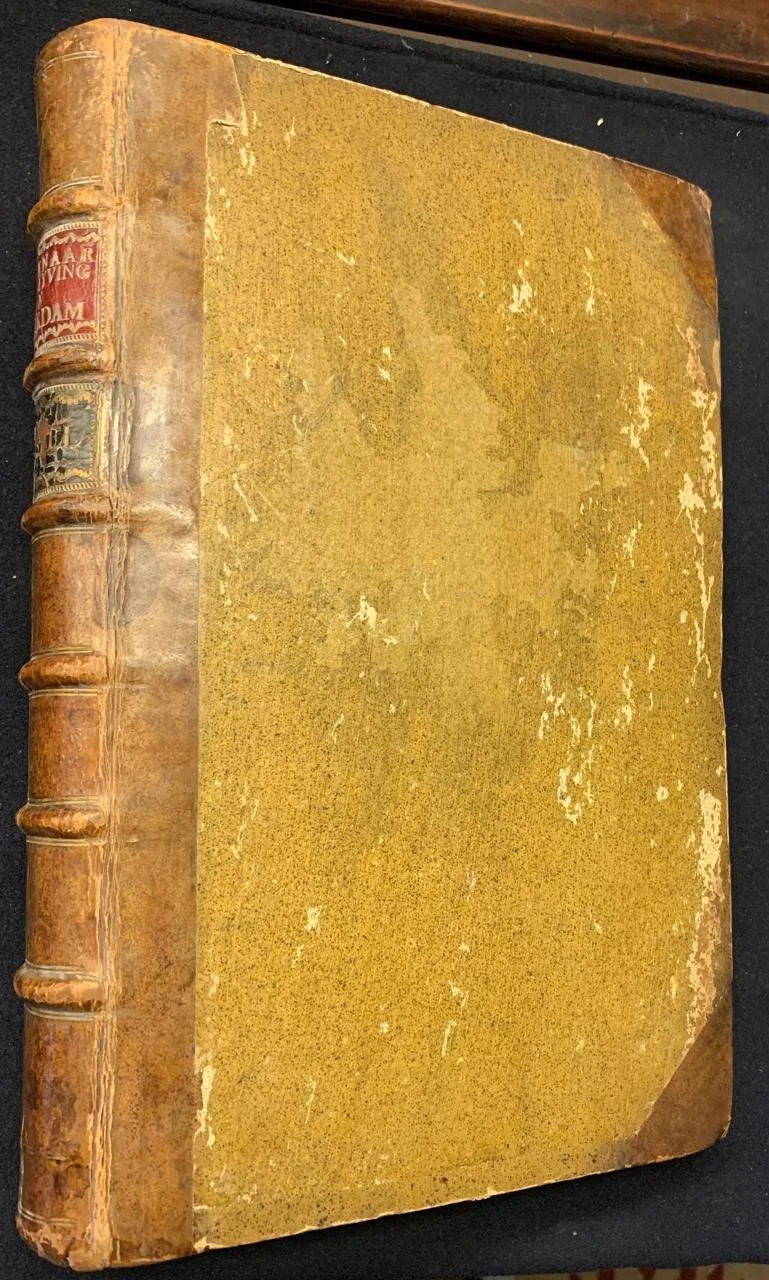
Vol 3 only. Incomplete set.
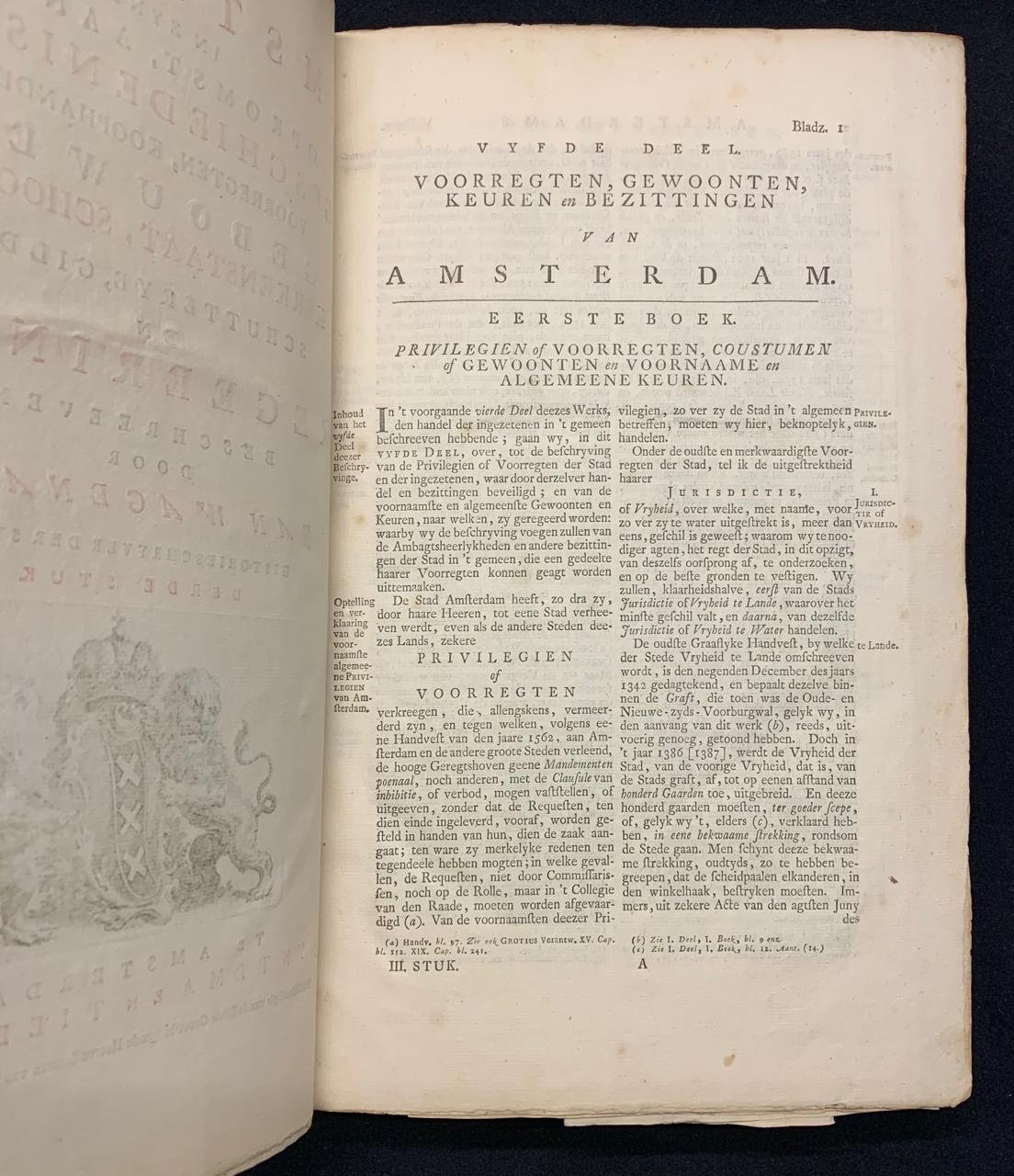
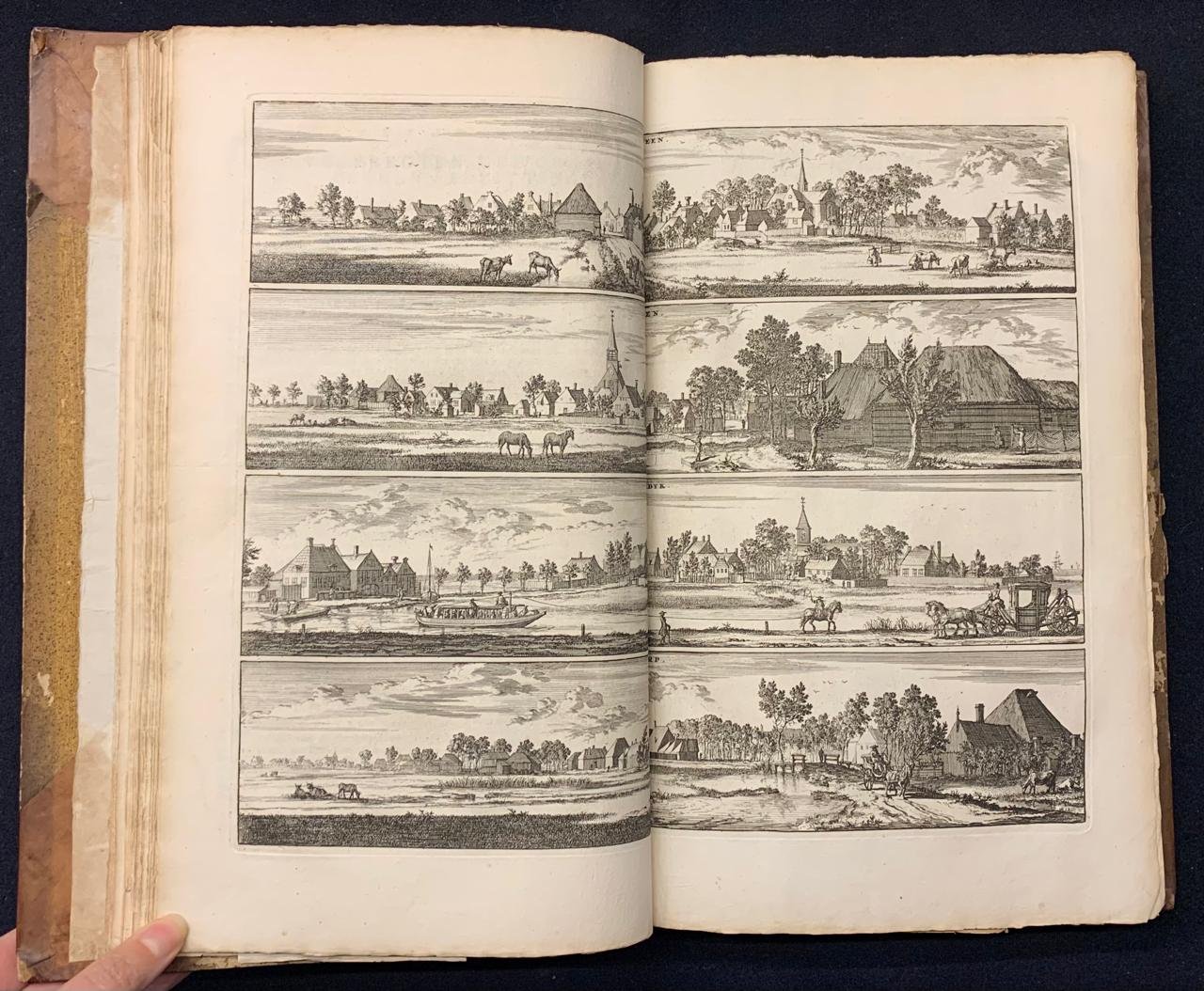
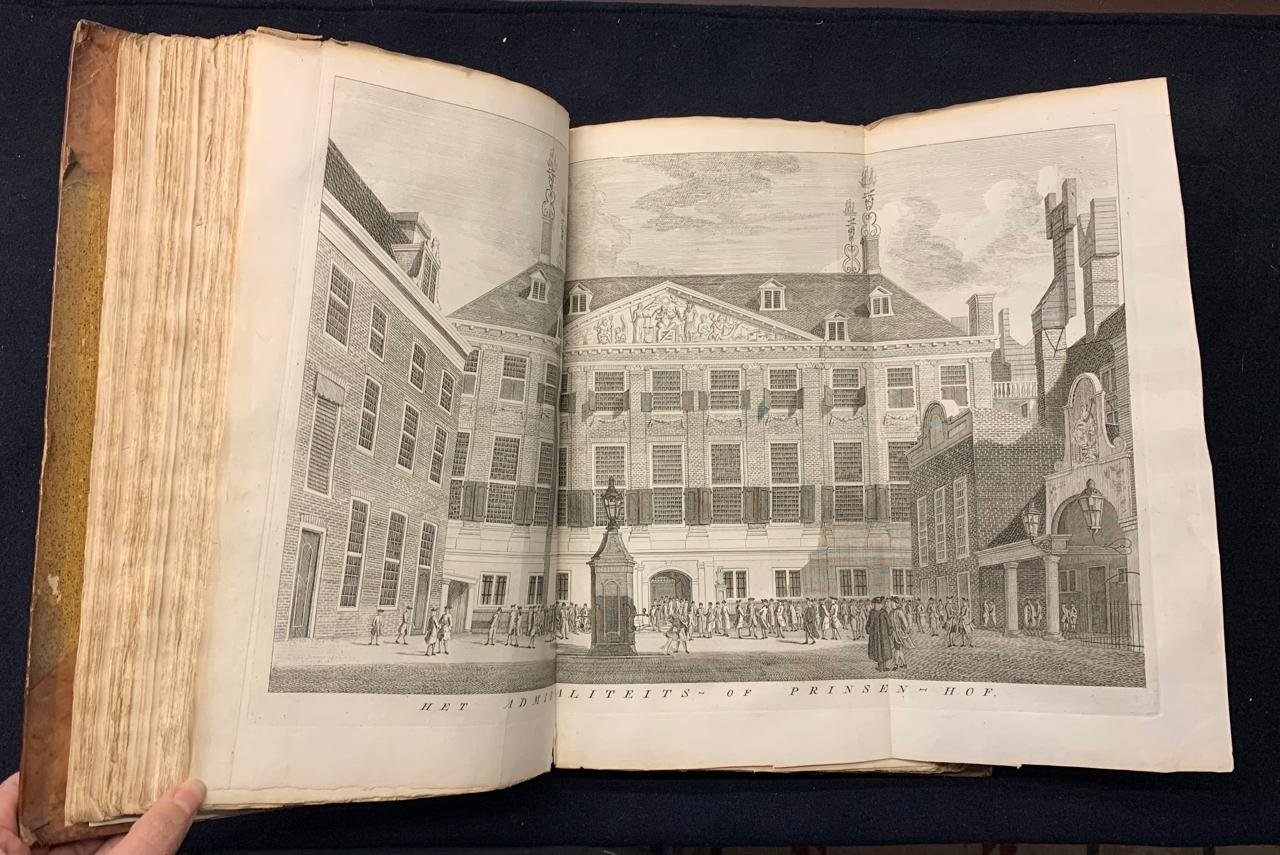
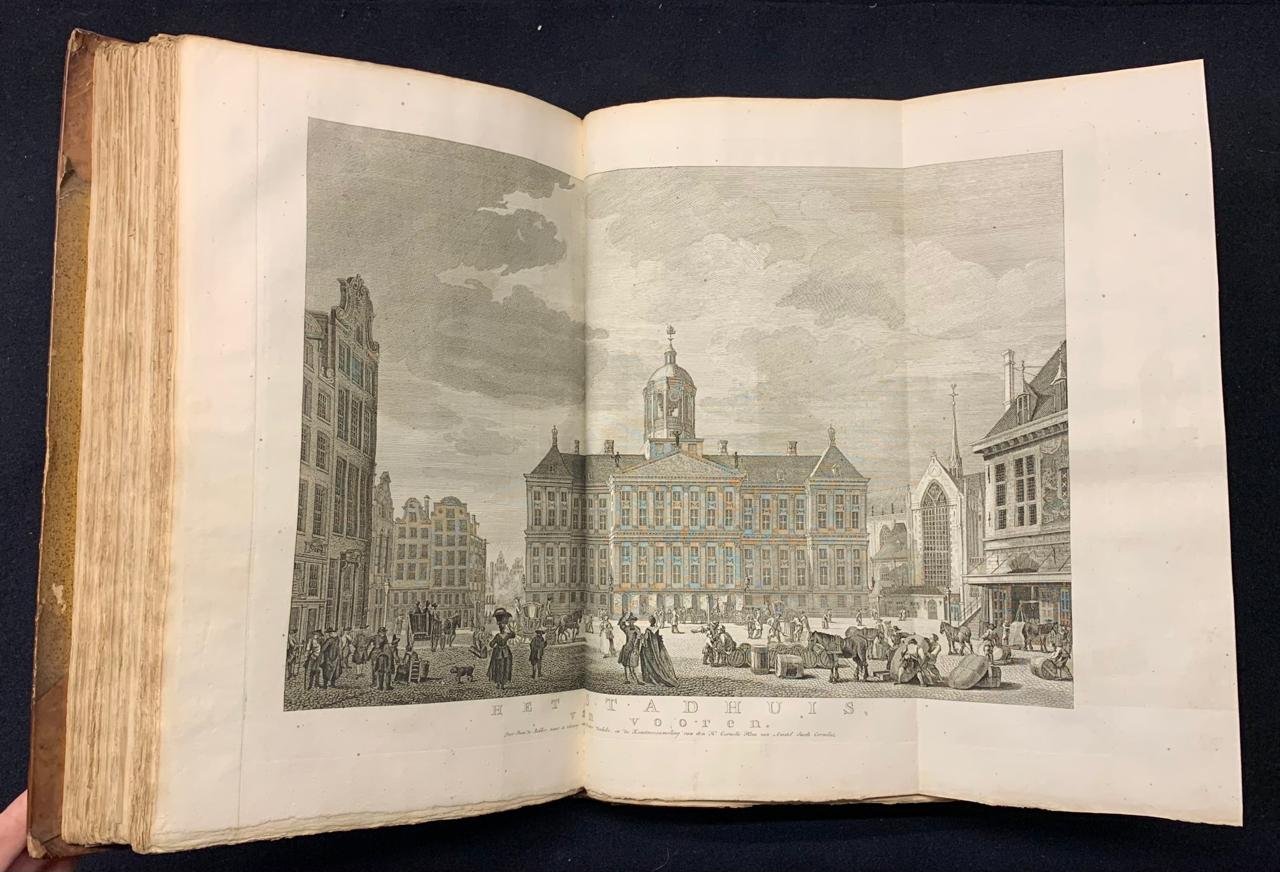
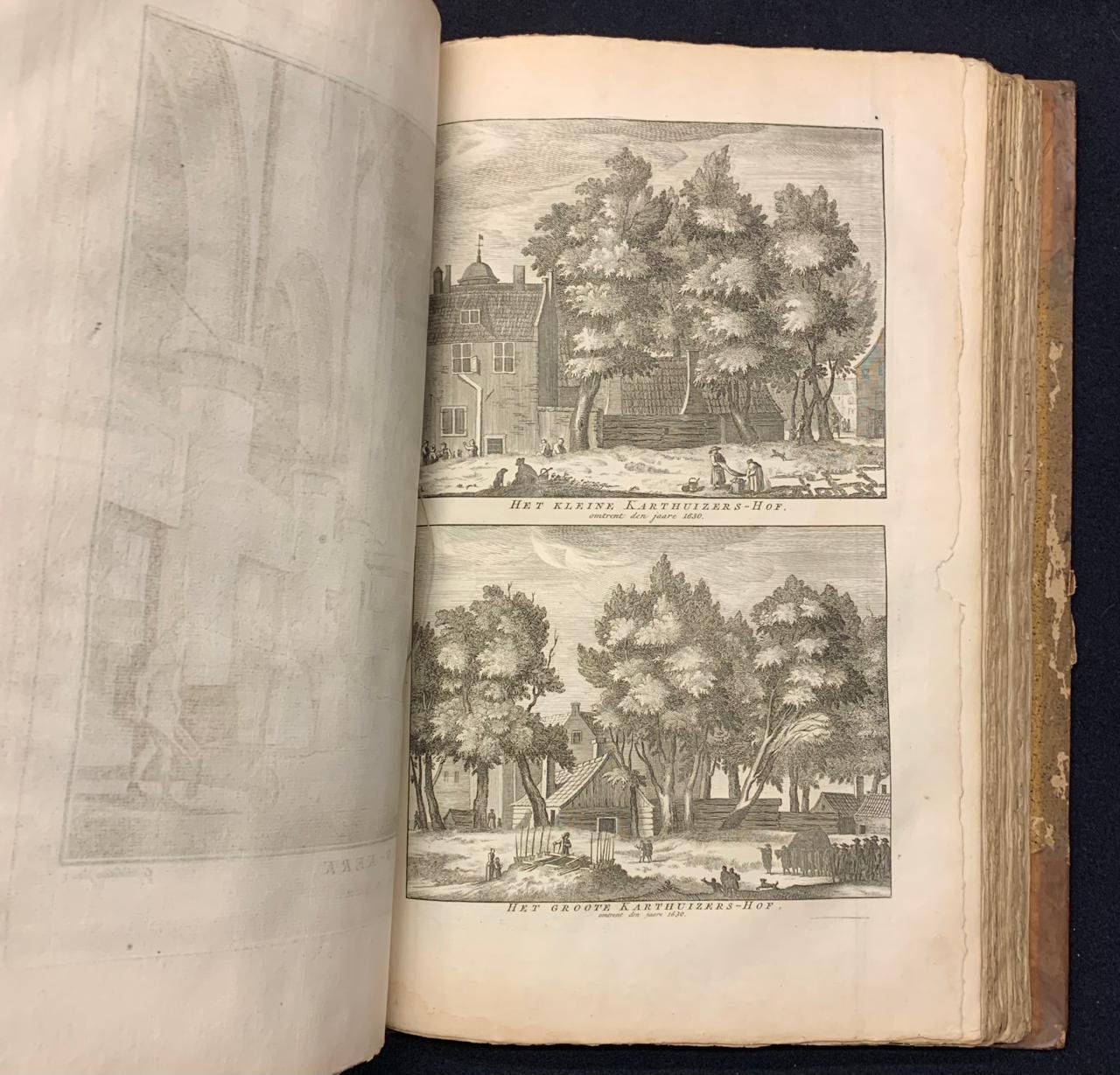
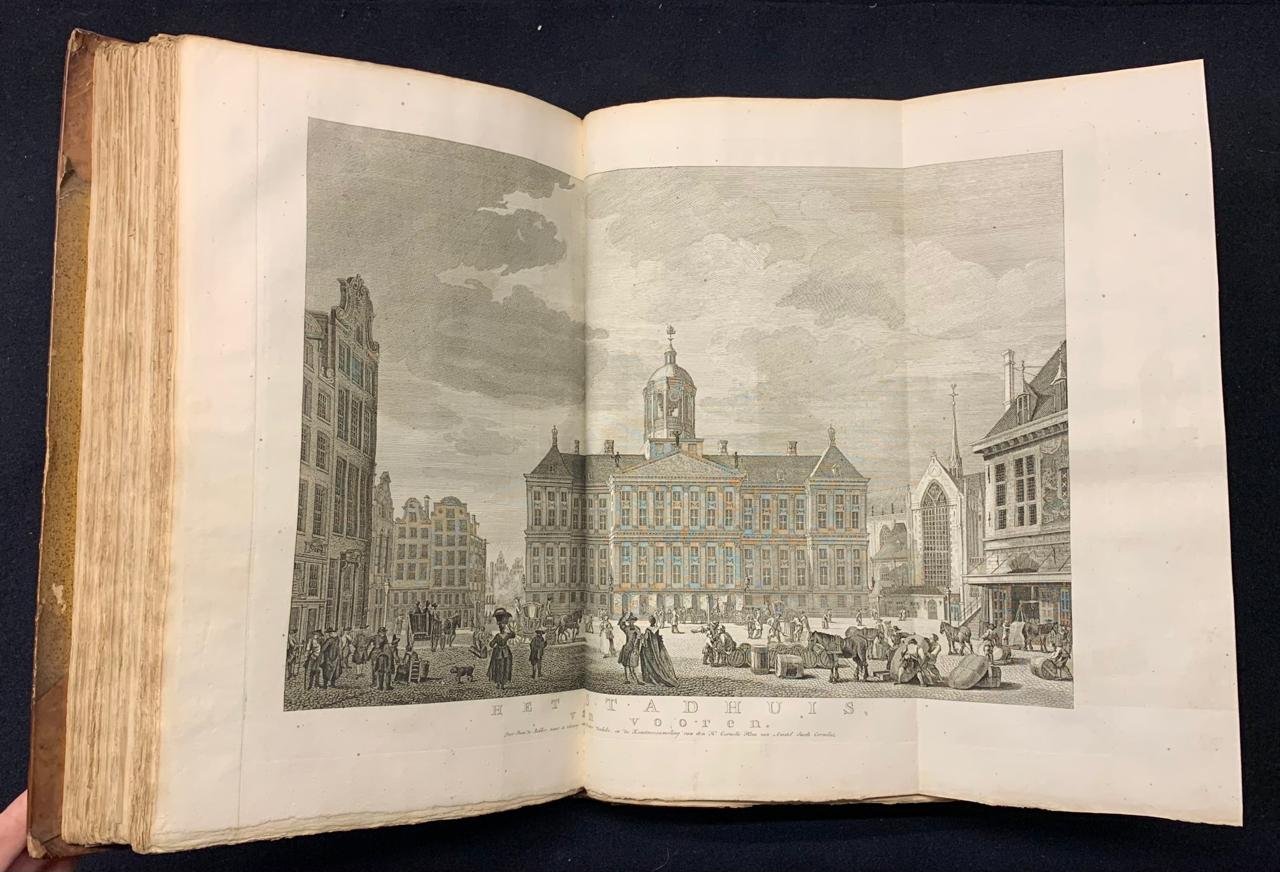
Prolific copperplate engravings representing Amsterdam Architecture.
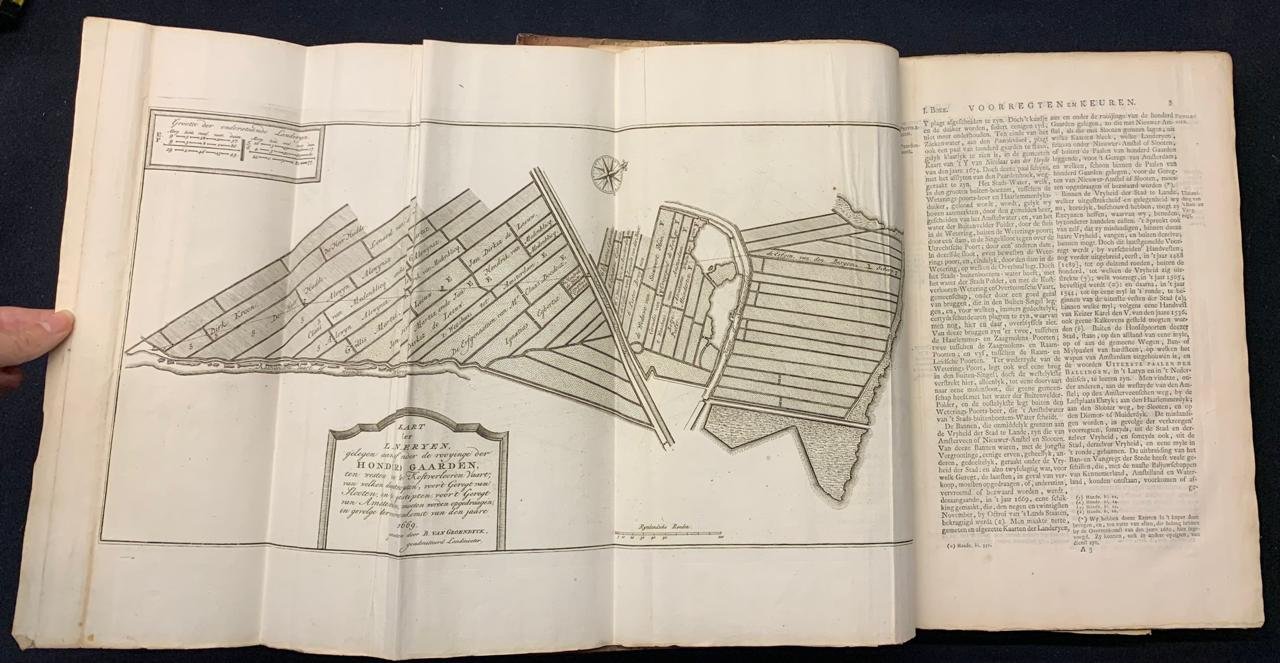
Some fold outs.
230mm x 342mm
R4,500
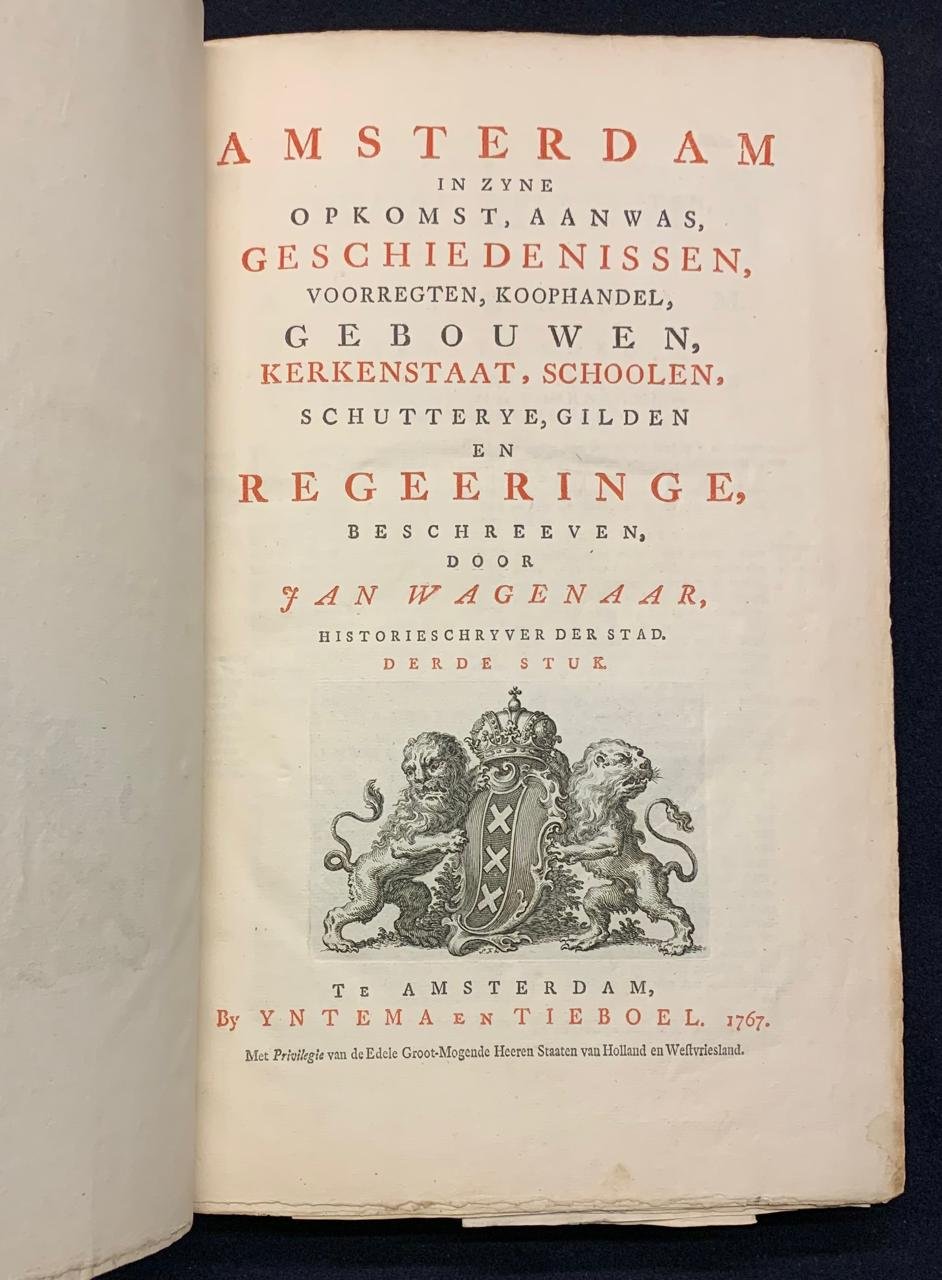
Amsterdam in zyne opkomst, aanwas, geschiedenissen, voorregten, koophandel, gebouwen, kerkenstaat, schoolen, schutterye, gilden en regeeringe ("Amsterdam in its origin, growth, histories, privileges, commerce, buildings, ecclesiastical state, schools, civic guard, guilds, and government").
Written by Jan Wagenaar (1709–1773), the official city historian (Historieschryver der Stad) of Amsterdam, and published in 1767 by Yntema en Tieboel, this work stands as one of the most significant 18th-century municipal histories of the Dutch Republic.
1. The Official City Historian & Access to Secret Archives
Jan Wagenaar was a prominent Dutch historian who previously authored the massive 21-volume Vaderlandsche Historie (History of the Fatherland). Impressed by his work, the City Council of Amsterdam officially appointed him as the official city historian (Historieschryver der Stad).
Because of his official appointment, Wagenaar was granted unprecedented access to the inner city archives, council resolutions, guild registers, and charter chests (loketkas). This allowed him to base his multi-volume history on primary administrative documents rather than legend or secondary hand-me-downs.
2. A Publisher Transition Mid-Series
The publication history of this multi-volume set tells an interesting story of 18th-century Dutch book trade dynamics:
The project originally began under Isaak Tirion, one of Amsterdam’s premier cartographers and book publishers.
Following Tirion's death in 1765, the publishing rights and copperplate stock were taken over by the firm Yntema en Tieboel, who completed and published Volume 3 in 1767 (as seen on the imprint at the bottom of the page).
3. The Typographic & Heraldic Vignette
Red and Black Title Page: The title page utilizes two-color printing (rubrication) in red and black ink—a traditional feature retained in major 18th-century reference works to signify prestige, authority, and structural hierarchy.
The Coat of Arms of Amsterdam: The copper-engraved vignette at the center displays the official arms of the city of Amsterdam, featuring its iconic shield with three Saint Andrew's Crosses (X X X), supported by two lions and surmounted by the Imperial Crown of Austria (granted to the city by Emperor Maximilian I in 1489).
4. Comprehensive Survey of the "Dutch Golden Age" Capital
Wagenaar’s scope was exhaustive. Rather than limiting himself to political events, he devoted entire sections to:
The Civic Guard (Schutterye): Detailing the history and organization of the militia units made famous by Rembrandt's The Night Watch.
Trade and Guilds (Koophandel, Gilden): Chronicling the rise of the Dutch East India Company (VOC), the West India Company (WIC), and the Amsterdam Stock Exchange.
Architecture & Urban Expansion (Gebouwen, Aanwas): Documenting the construction of the famous Canal Ring (Grachtengordel) and public monuments like the new Town Hall on the Dam (now the Royal Palace).
5. Highly Prize-Sought Copperplate Engravings
Sets of Wagenaar’s Amsterdam are legendary among print collectors and cartographic historians. The volumes were richly illustrated with hundreds of detailed copperplate engravings—including fold-out city maps, architectural elevation plans of prominent buildings, interior views of churches and guildhalls, and portraits of burgomasters. Many of these plates were executed by top engravers of the period, such as Jacobus Houbraken and Reinier Vinkeles.