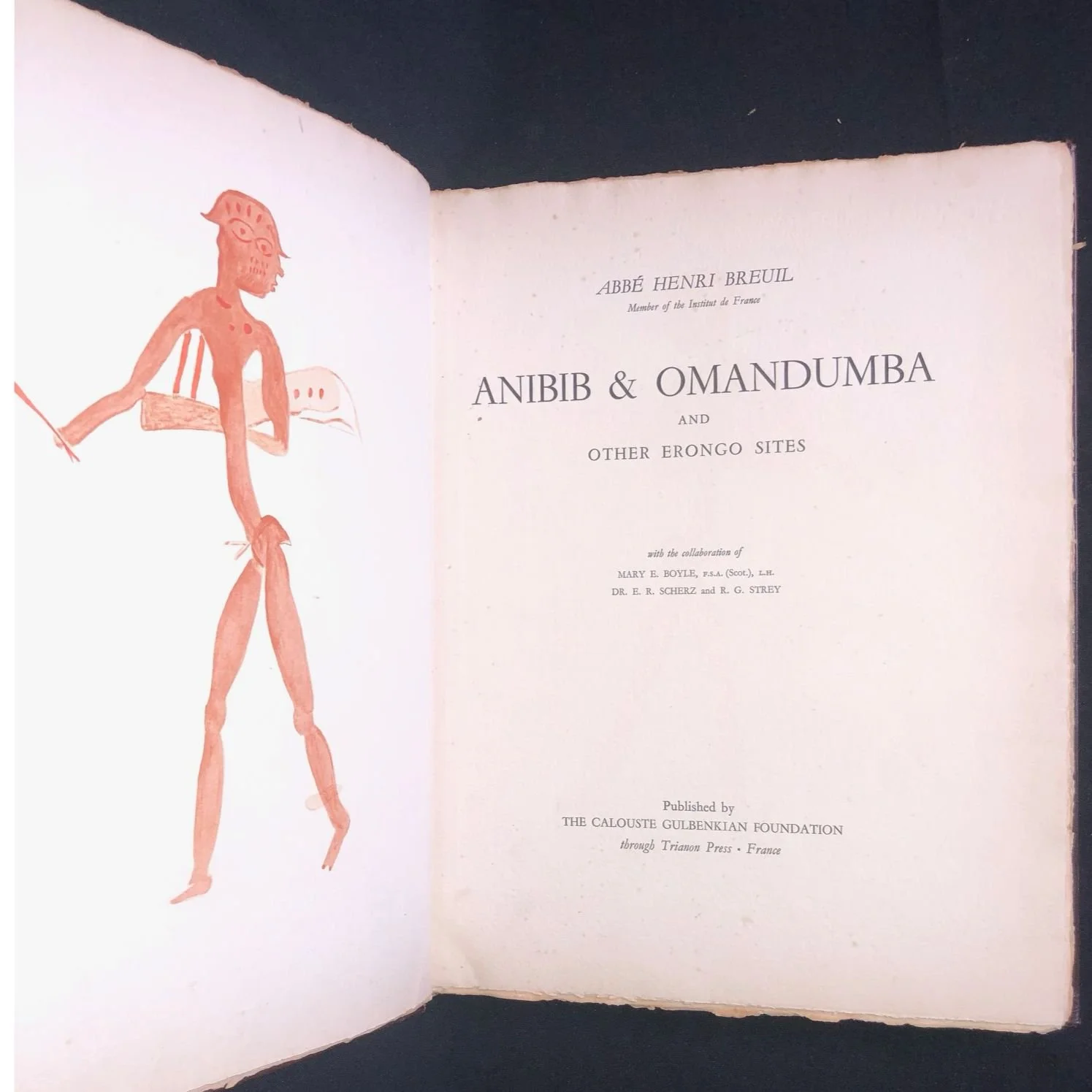
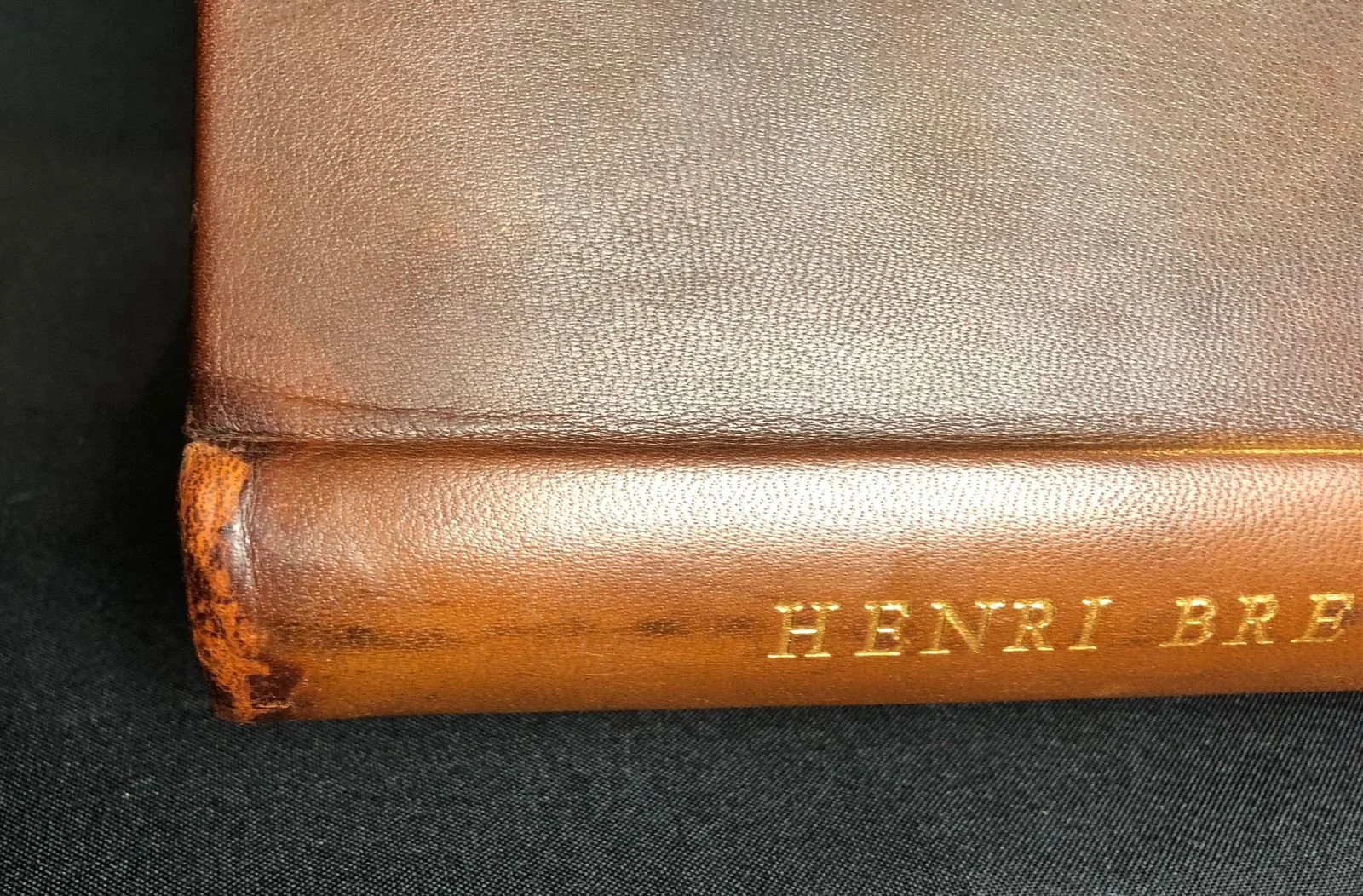
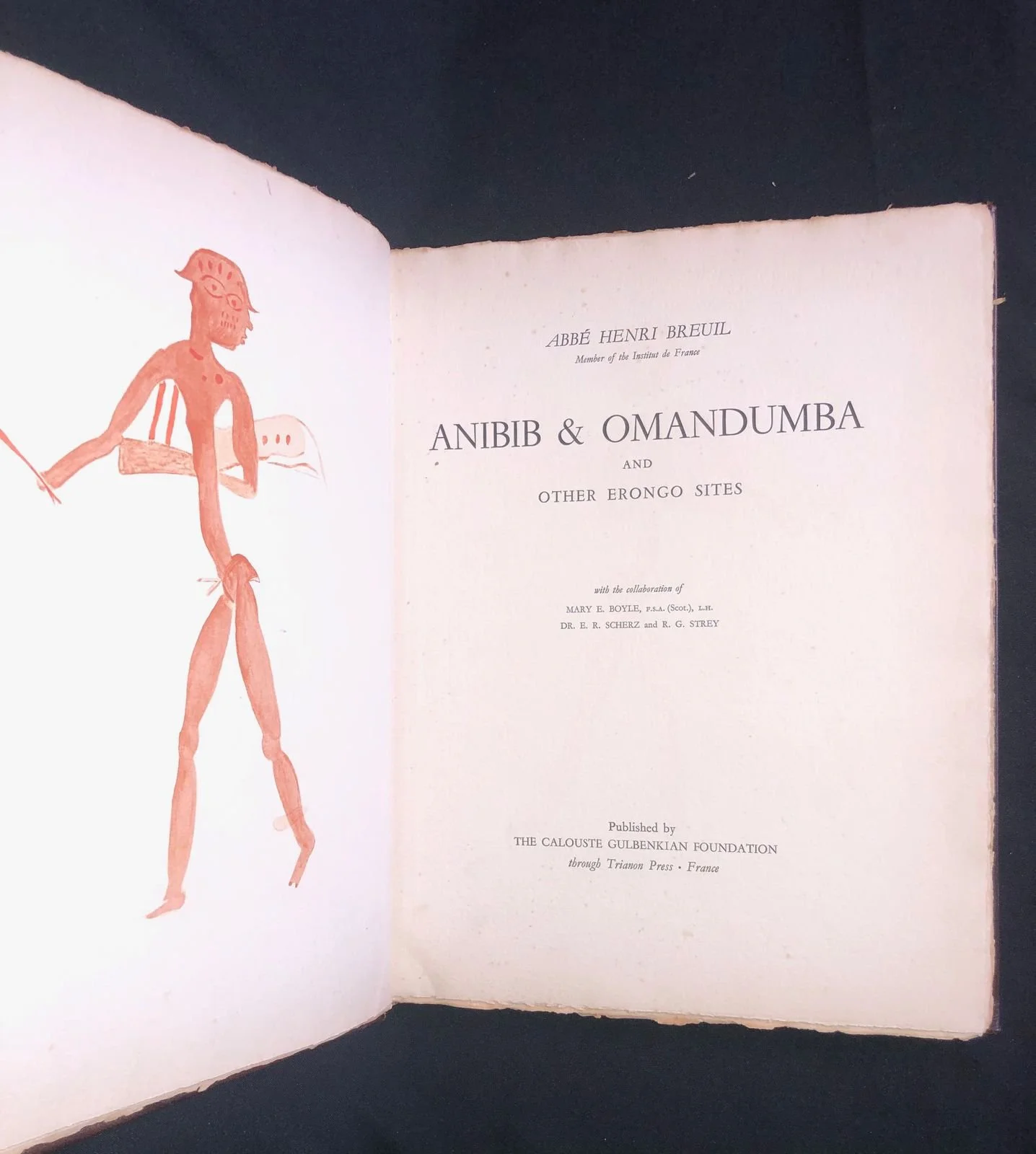
Anibib & Omandumba and other Erongo Sites
By Abbé Henri Breuil
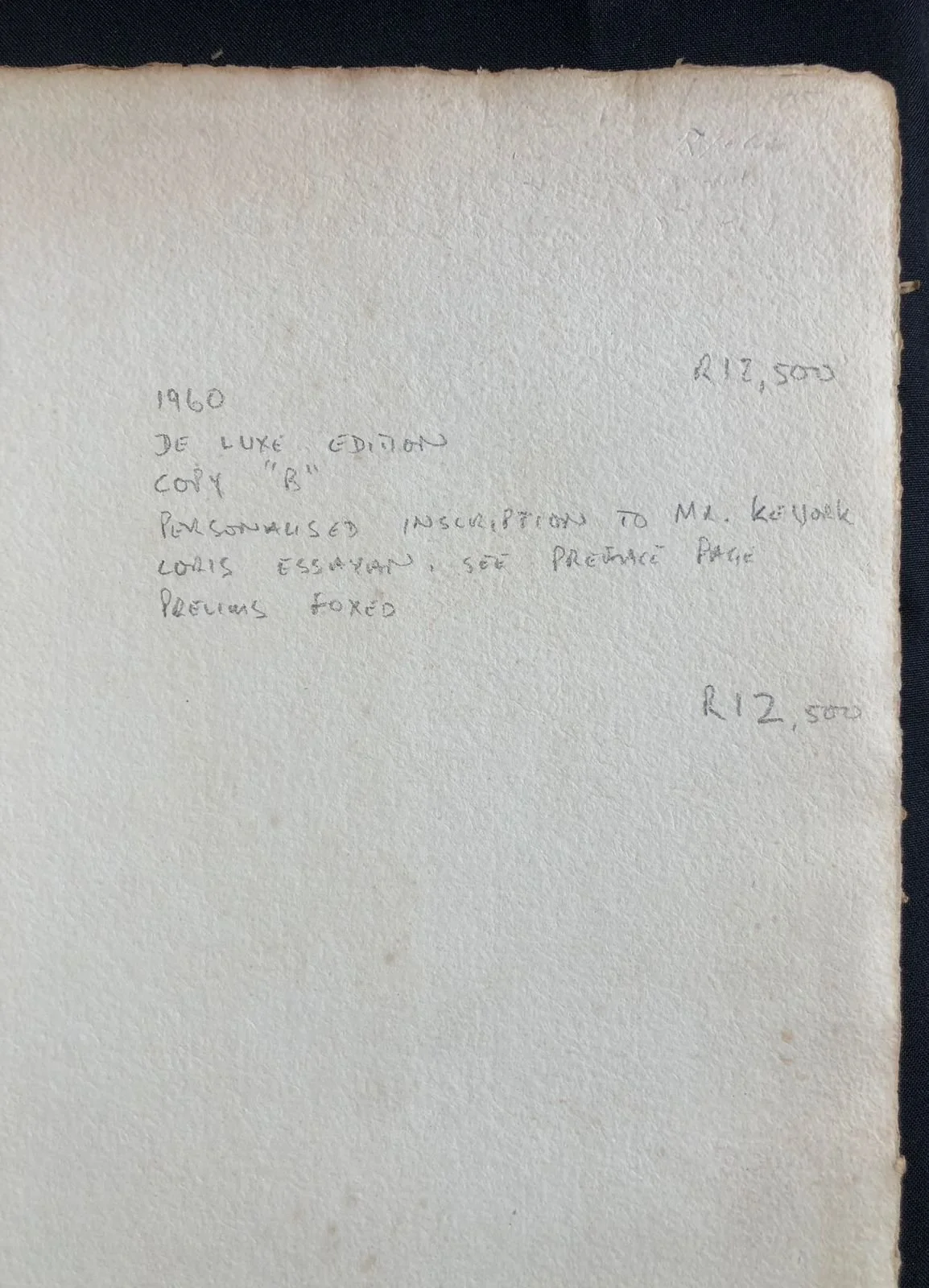
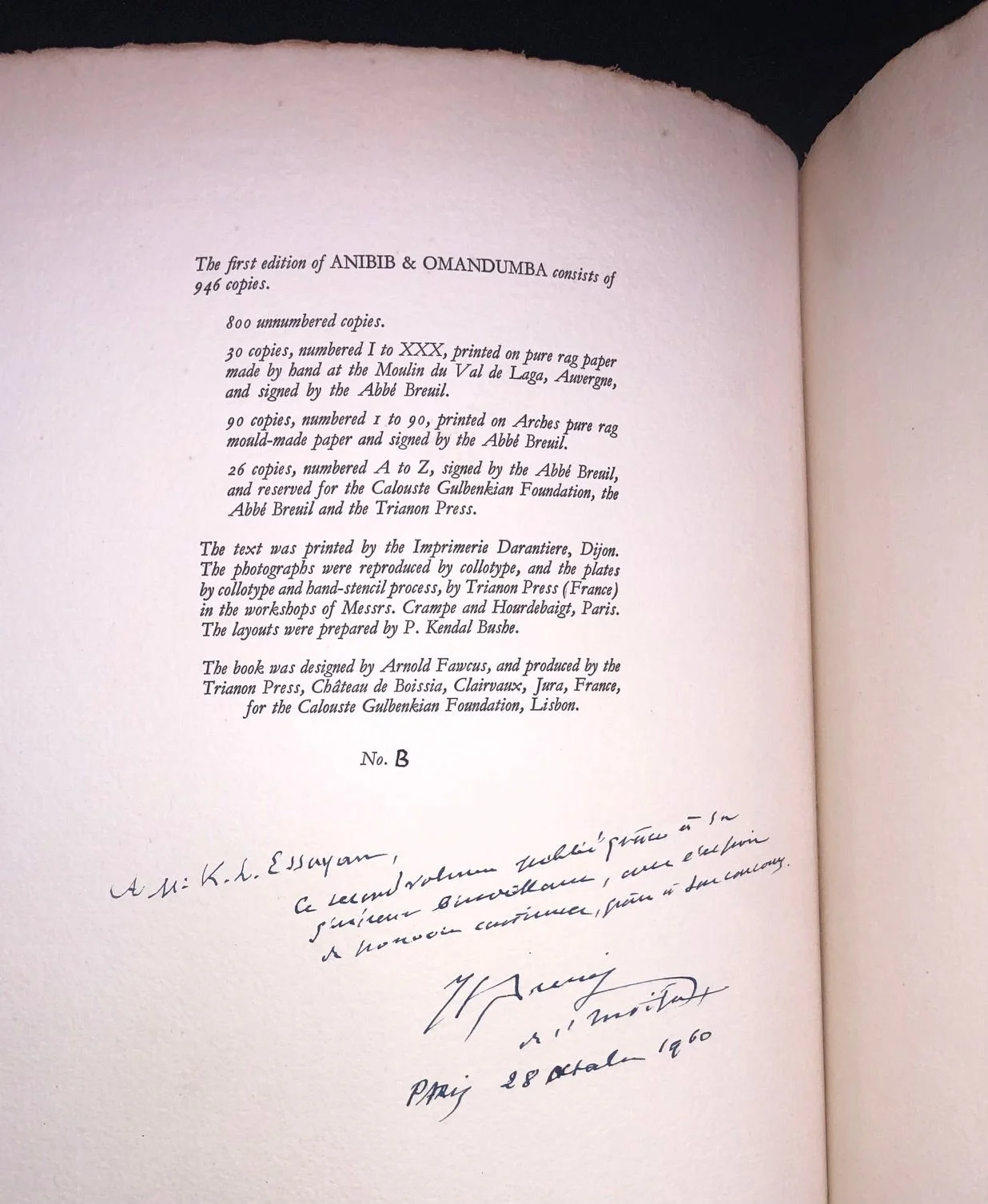
1960
Deluxe Edition.
No “B”
Personalised inscription to Mr K.L Essayan (see preface page)
Henri Édouard Prosper Breuil (28 February 1877 – 14 August 1961), often referred to as Abbé Breuil was a French Catholic priest, archaeologist, anthropologist, ethnologist and geologist. He studied cave art in the Somme and Dordogne valleys as well as in Spain, Portugal, Italy, Ireland, China with Teilhard de Chardin, Ethiopia, British Somali Coast Protectorate, and especially southern Africa.
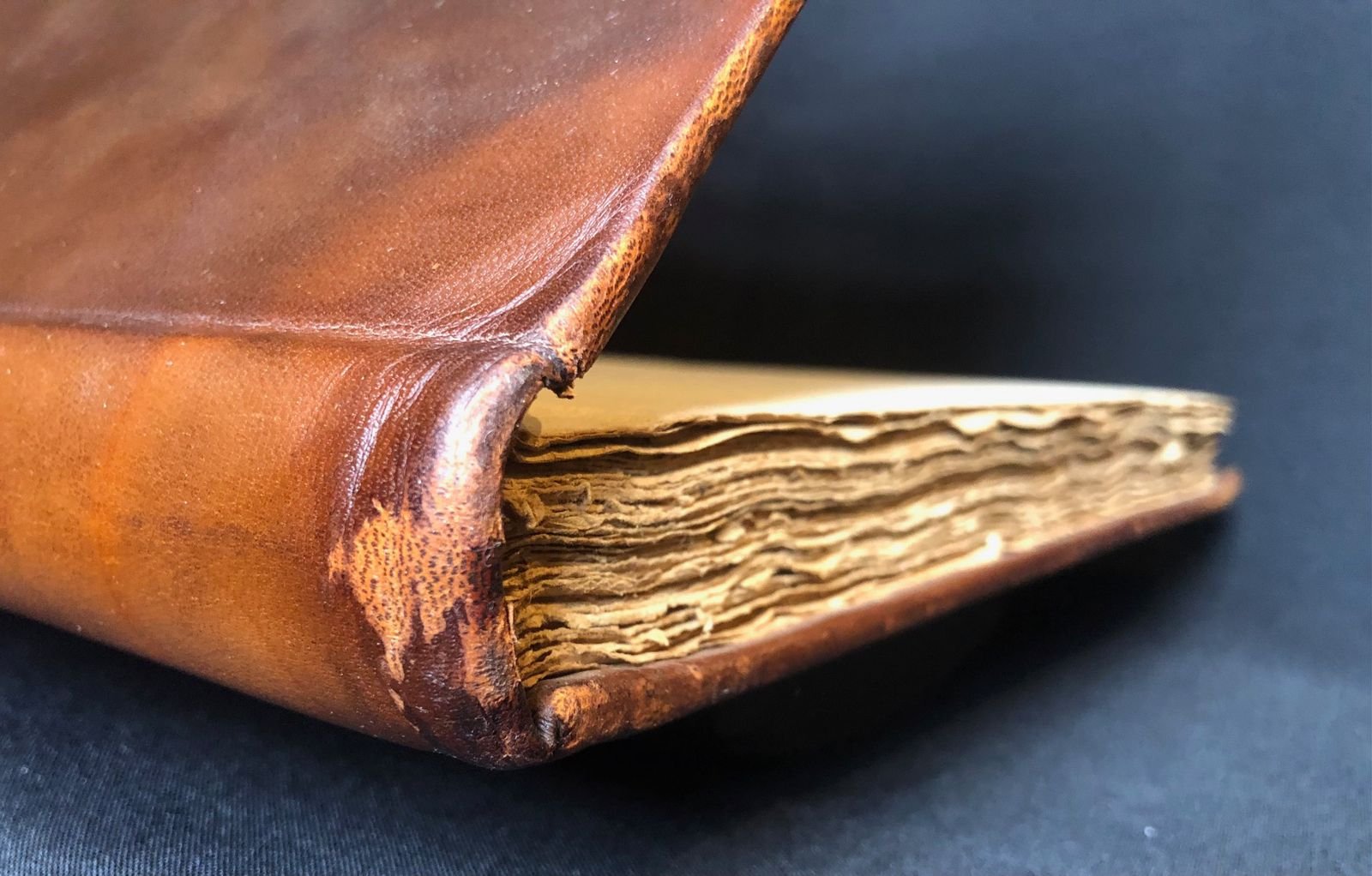
Prelims foxed.
305mm x 390mm
R10,000
This volume is Anibib & Omandumba and Other Erongo Sites, published in 1960 (Volume IV of the prestigious series The Rock Paintings of Southern Africa). It documents the San (Bushman) rock art shelters across the Erongo Mountains in Namibia.
1. The "Pope of Prehistory" in Southern Africa
The primary author, Abbé Henri Breuil (1877–1961), was a Catholic priest and French archaeologist renowned worldwide as the premier authority on Paleolithic cave art (having cataloged sites like Lascaux and Altamira).
At the invitation of Field Marshal Jan Smuts—who was deeply interested in South African archaeology—Breuil spent significant time during and after World War II traveling through South West Africa (now Namibia) and South Africa to document indigenous rock art sites before they suffered weather damage or degradation.
2. The Collaborative Field Team
The title page records a notable interdisciplinary team:
Mary E. Boyle: Breuil’s devoted assistant, secretary, and translator who accompanied him on grueling expeditions into remote granite mountains.
Dr. Ernst Rudolf Scherz: A seminal figure in Namibian archaeology who spent decades systematically surveying, photographing, and cataloging the rock art of Namibia.
R. G. Strey: A botanist and researcher who assisted with field surveys and logistics in rugged terrain.
3. Produced by Arnold Fawcus & The Trianon Press
The book was produced by Arnold Fawcus at the Trianon Press in Clairvaux, France, for the Calouste Gulbenkian Foundation.
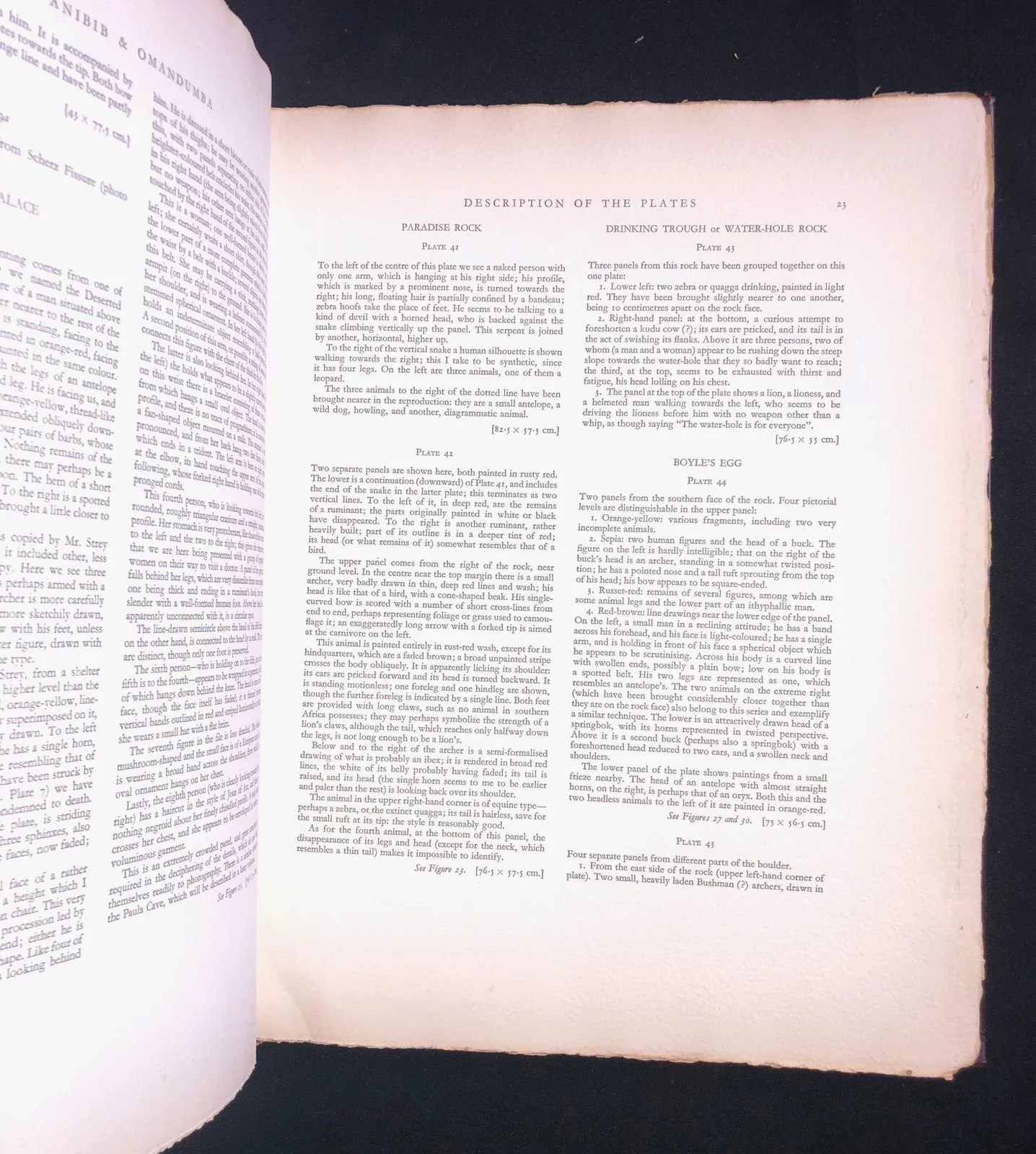
The Trianon Press was famous for its uncompromising printing standards. To reproduce Breuil's delicate field tracings and watercolor renditions with complete fidelity, Fawcus utilized complex collotype printing combined with hand-applied stencil coloring (pochoir). This painstaking process gave the plates an extraordinary, painterly quality that closely matched the original pigment on rock.
4. Controversial Theories on Southern African Rock Art
While Breuil’s tracings and recording work remain invaluable archaeological documentation, his interpretations created major historical debate:
Breuil frequently attributed ancient Southern African rock art to non-African Mediterranean, Phoenician, or Minoan travelers—most famously branding a figure in the Brandberg as the "White Lady".
Subsequent archaeologists, led by figures like A.R. Willcox and David Lewis-Williams, refuted Breuil’s diffusionist theories, establishing that the paintings are deeply rooted indigenous San (Bushman) spiritual and shamanic art traditions.
5. High Fine-Press Print Standards
Published in a limited edition on fine rag paper, copies of the Trianon Press Rock Paintings of Southern Africa series were issued in protective slipcases. Because of their large imperial quarto format, high production costs, and small print runs, these volumes became prized items among collectors of fine press printing, Africana, and prehistoric archaeology.