Hut tax & Colonial Labour and Revenue System (c.1907)
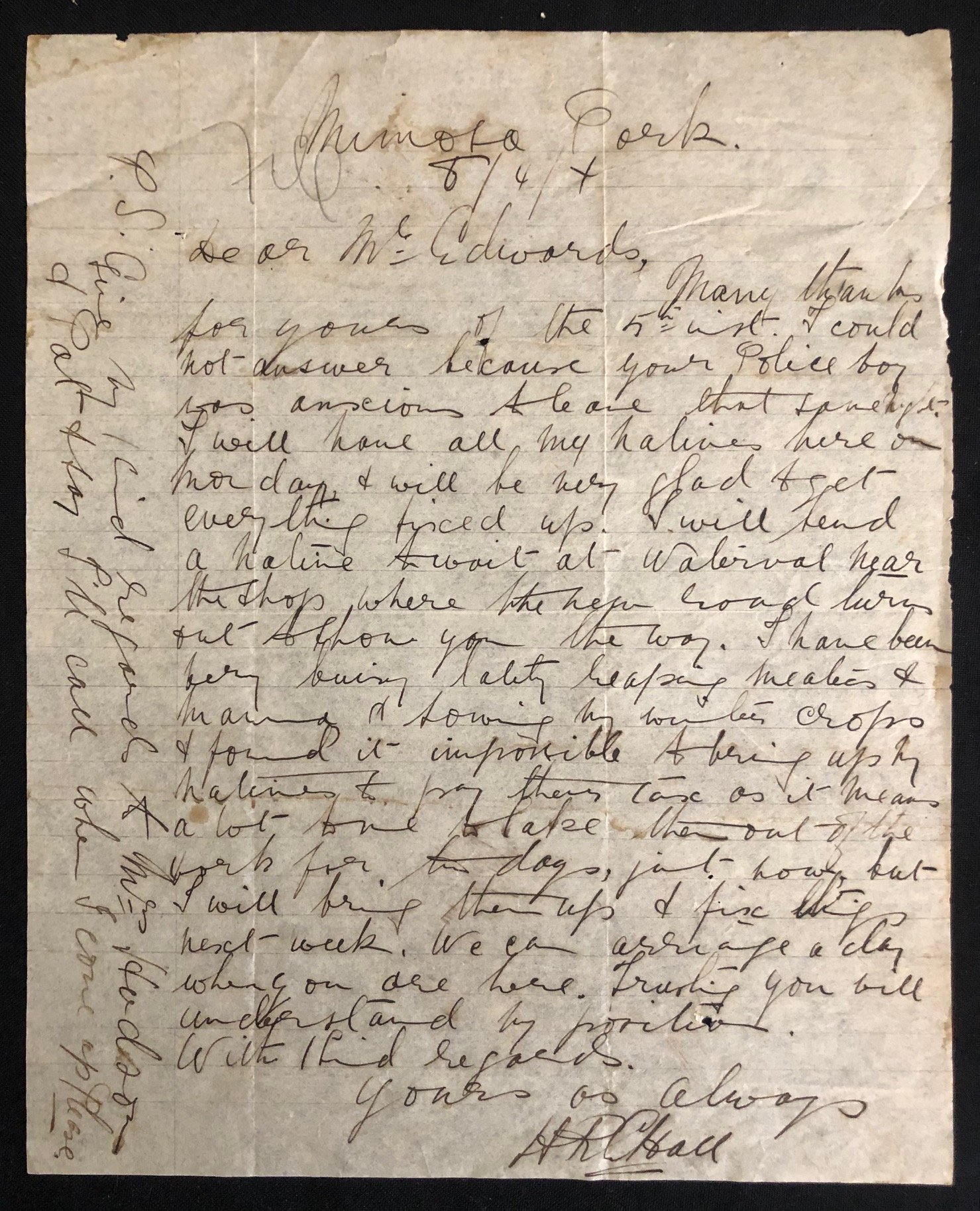
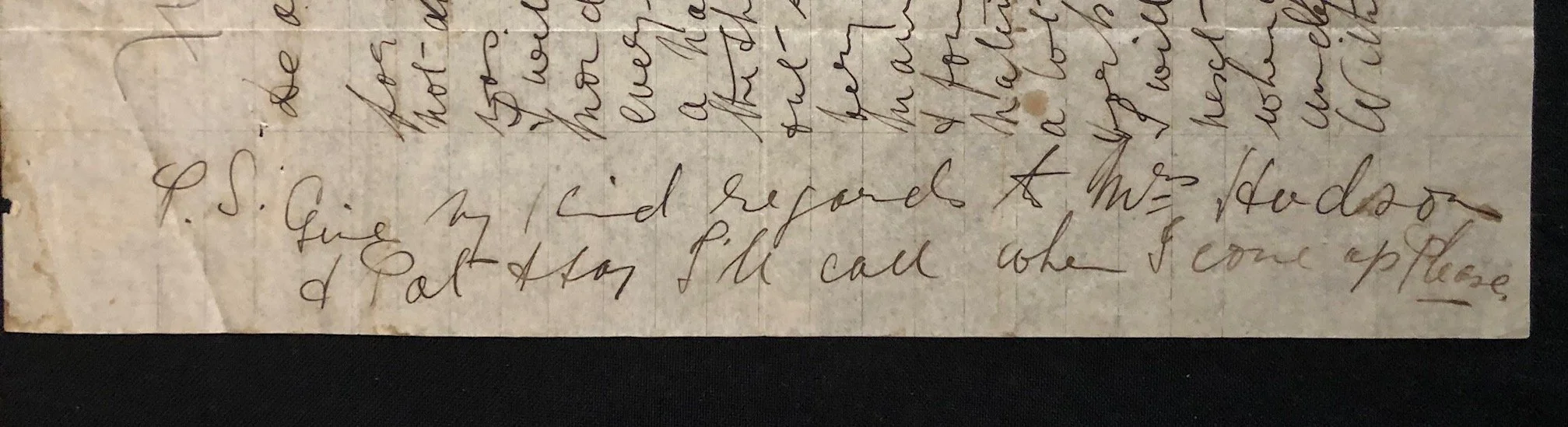
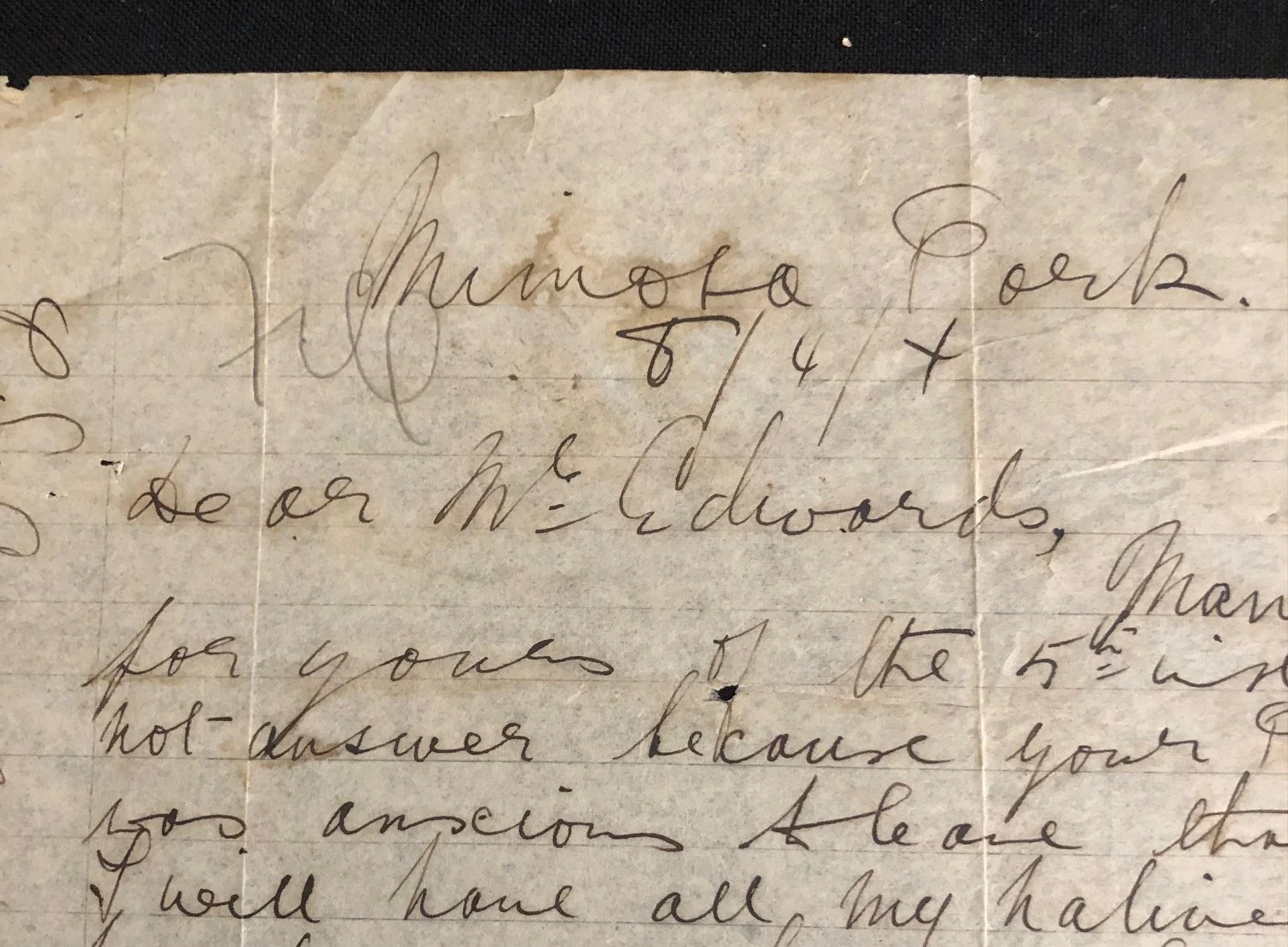
This handwritten letter is sent from "Mimosa Park" and dated "5/4/7" (likely 1907), offers a fascinating look at the daily friction of the colonial labour and revenue system in early 20th-century South Africa.
The core of the letter captures a specific historical tension regarding the Hut Tax (or Poll Tax) system.
Forced Labor and Cash Taxes
Colonial authorities across Southern Africa implemented mandatory cash taxes on the African population with a deliberate dual purpose: to generate state revenue and, crucially, to force subsistence farmers into the cash-wage economy (compelling them to work on white-owned farms or in the mines to earn money for the tax).
The Farmer's Dilemma
The letter highlights the unintended logistical consequences for the employers themselves. The writer, H.R. Hall, writes to the official (Mr. Edwards) to explain why he hasn't brought his workers in to pay:
"I have been very busy lately reaping mealies & maize & sowing my winter crops & found it impossible to bring up my natives to pay their tax as it means a lot to me to take them out of the work for two days just now..."
While the tax laws were designed to secure and control agricultural and industrial labor, the bureaucratic enforcement of those laws—requiring labourers to march to a central administrative point for days at a time—directly disrupted the critical seasonal cycles of reaping and sowing. It is a perfect, localized snapshot of a farmer navigating the rigid demands of colonial administration versus the immediate, practical realities of farming.
205mm x 253mm
Manuscript letter; creased and stained.
R1,000