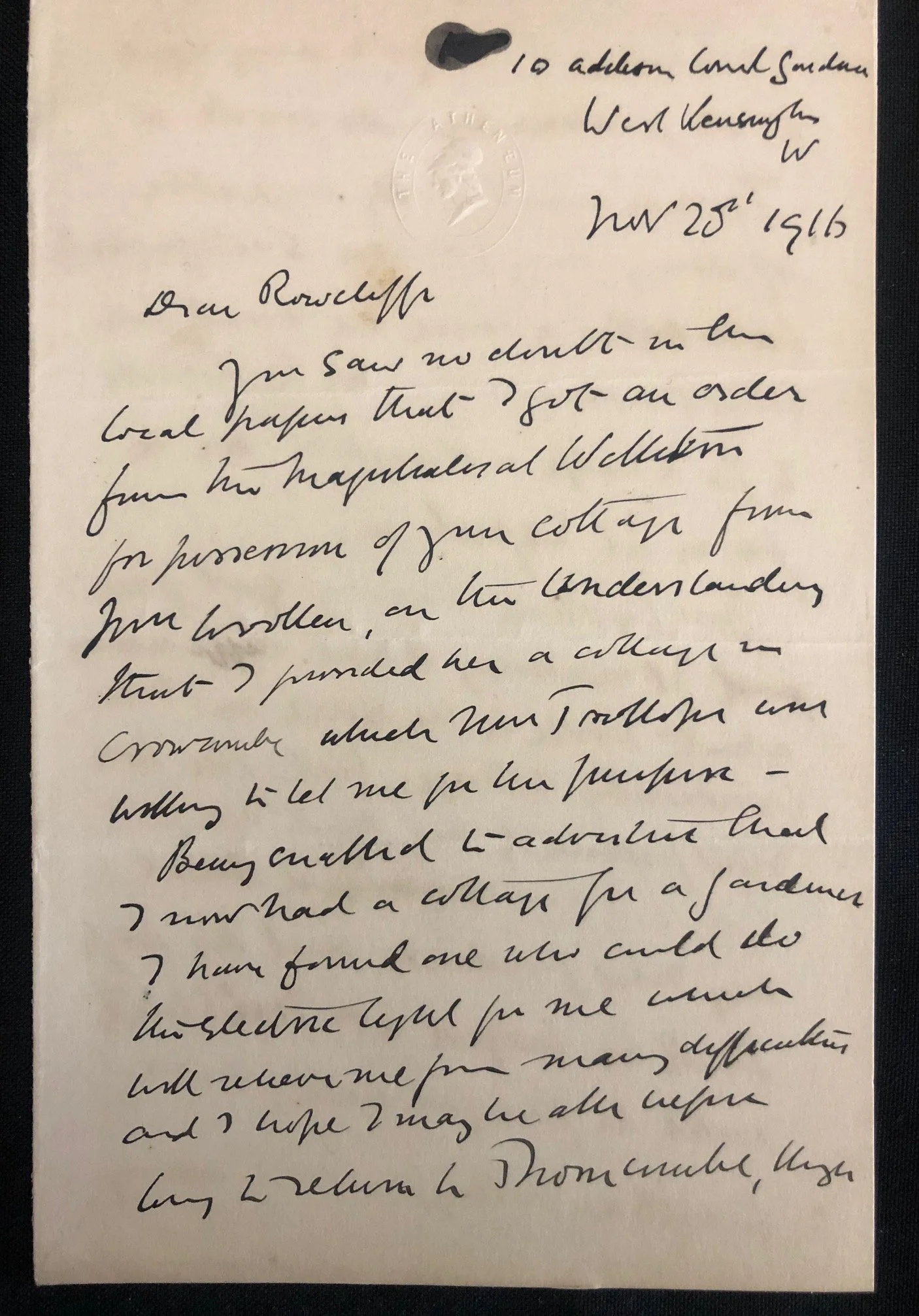
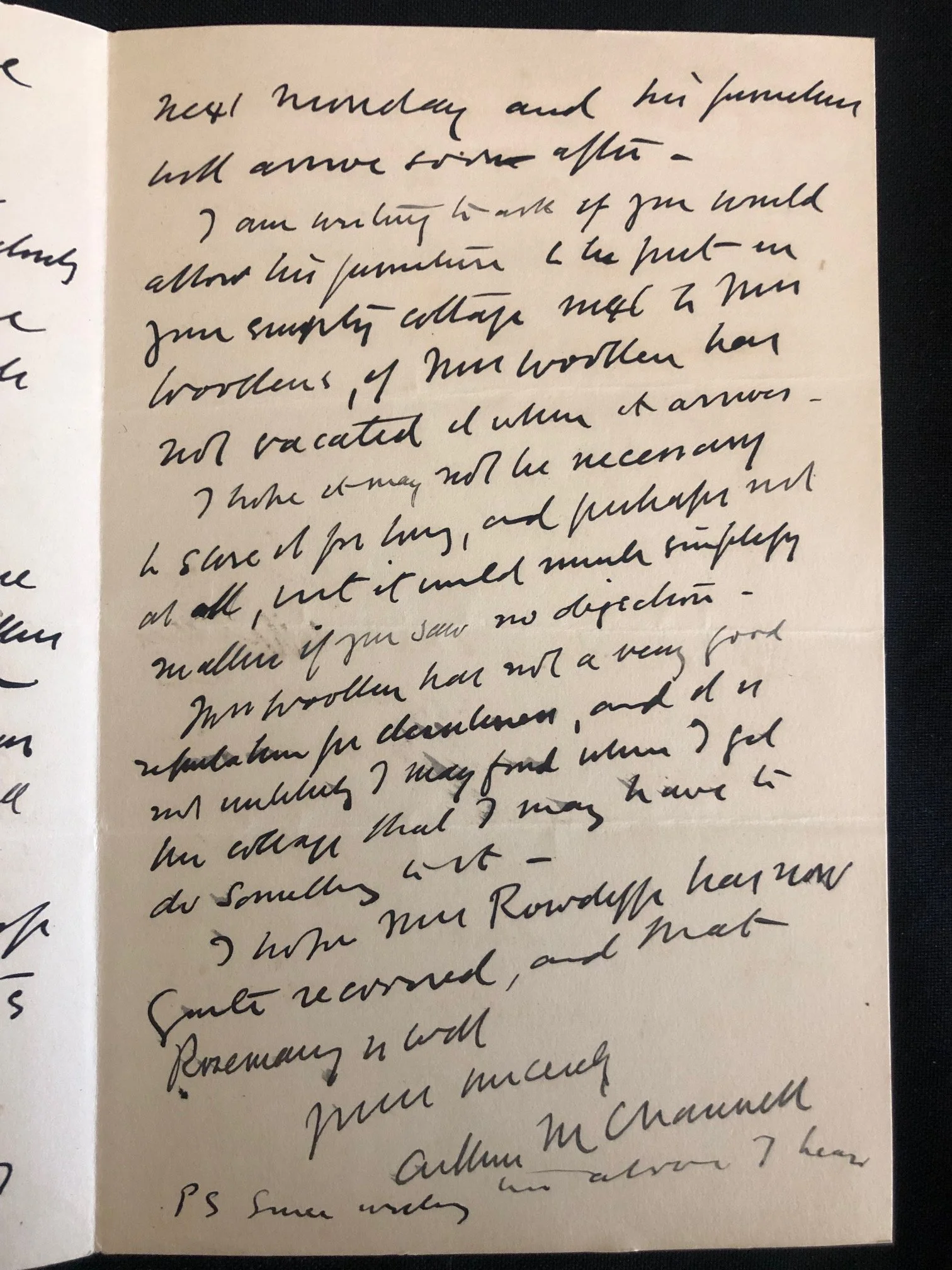
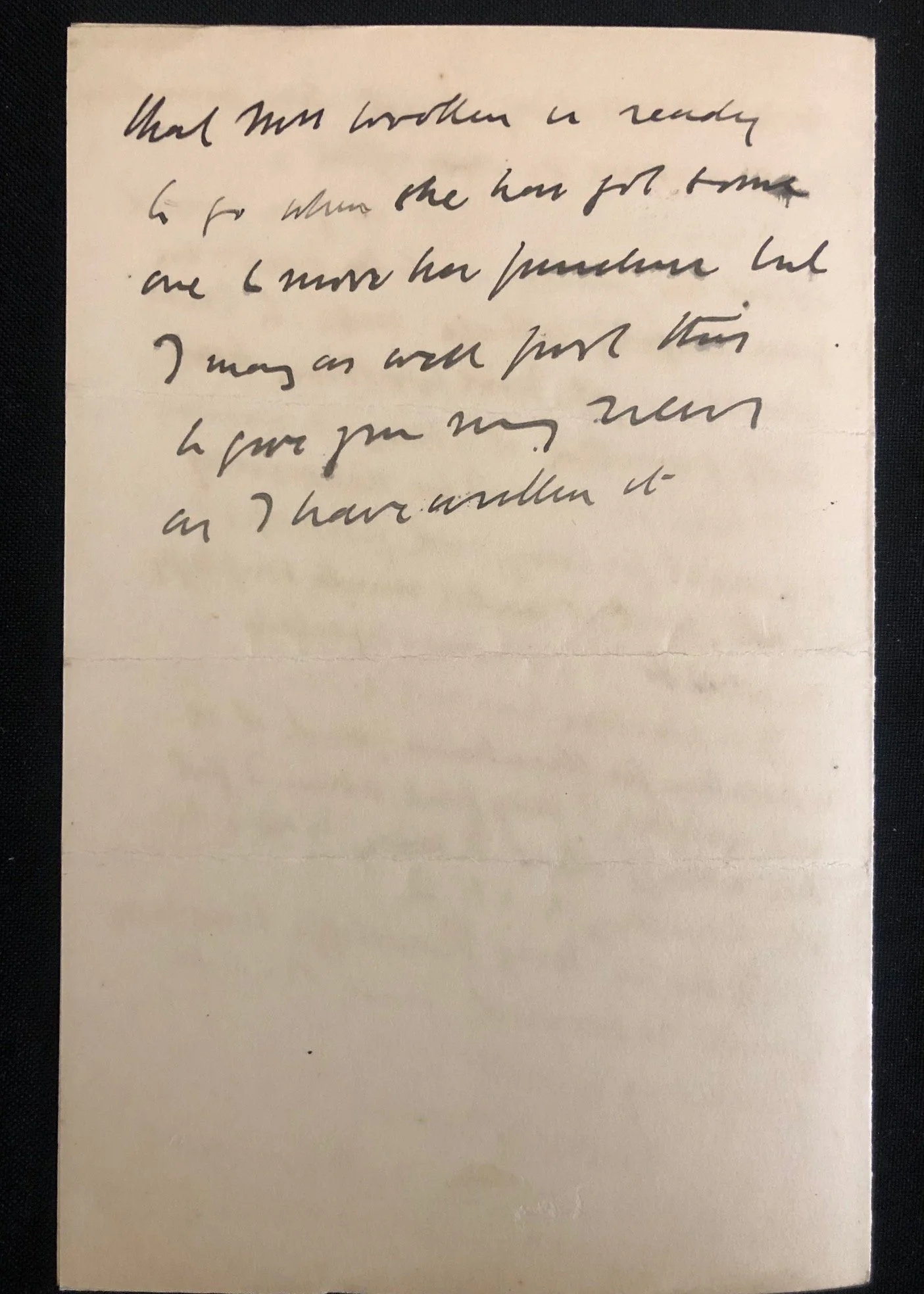
Letter by Sir Arthur Moseley Channell, English High Court judge (1916)
A window into the English home front during the First World War, touching on class dynamics, domestic labor shortages, and early residential technology.
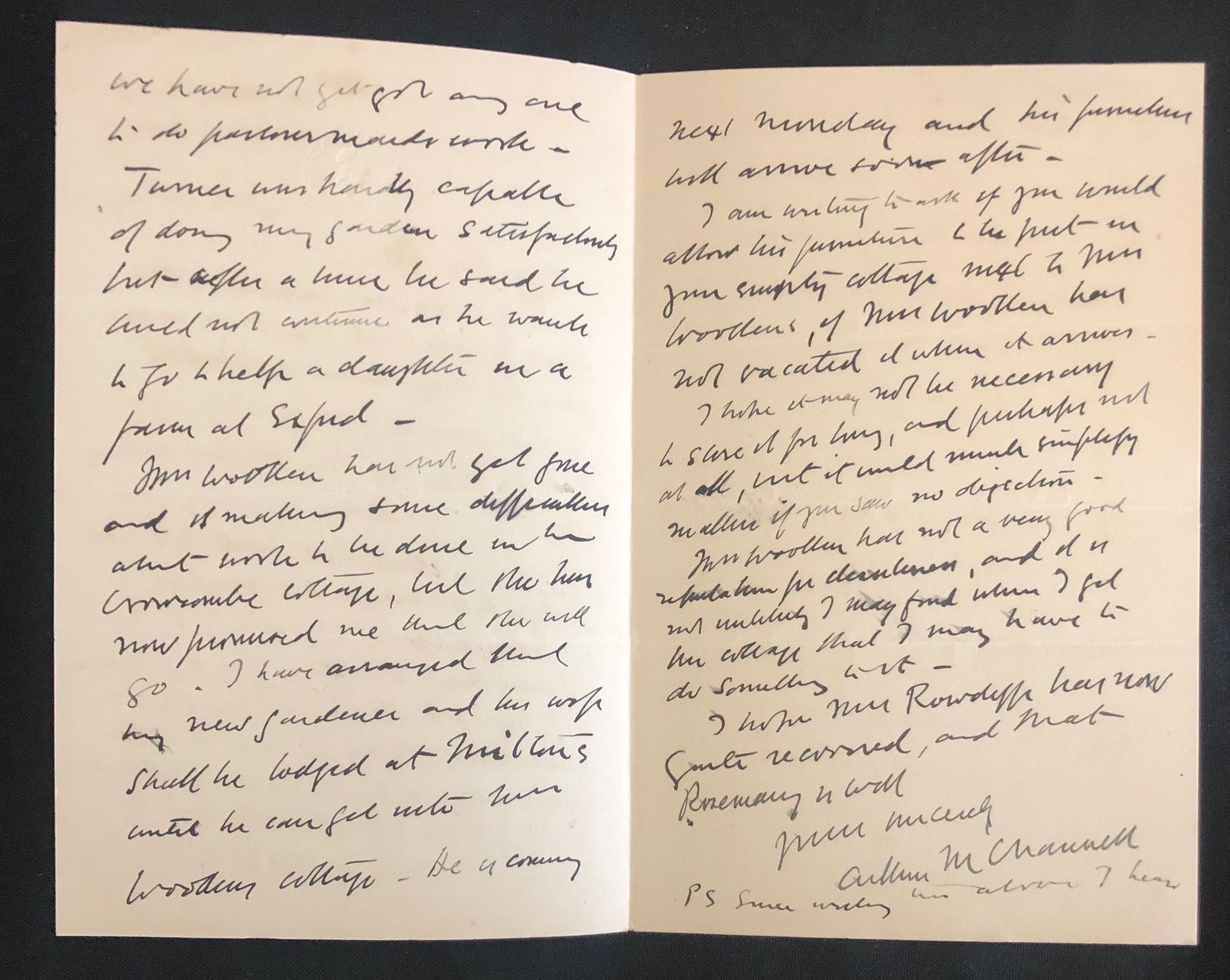
The letter is signed by Sir Arthur Moseley Channell (1838–1928), a highly regarded English High Court judge and Privy Counsellor who specialized in local government litigation. Ironically, while he spent his professional career ruling on complex legal disputes across the country, this private letter shows him navigating a messy local property and tenancy dispute of his own involving the Williton Magistrates and a tenant named Mrs. Woollen.
Written on November 25, 1916, the letter reflects the severe rural labour shortages gripping Britain in the middle of World War I.
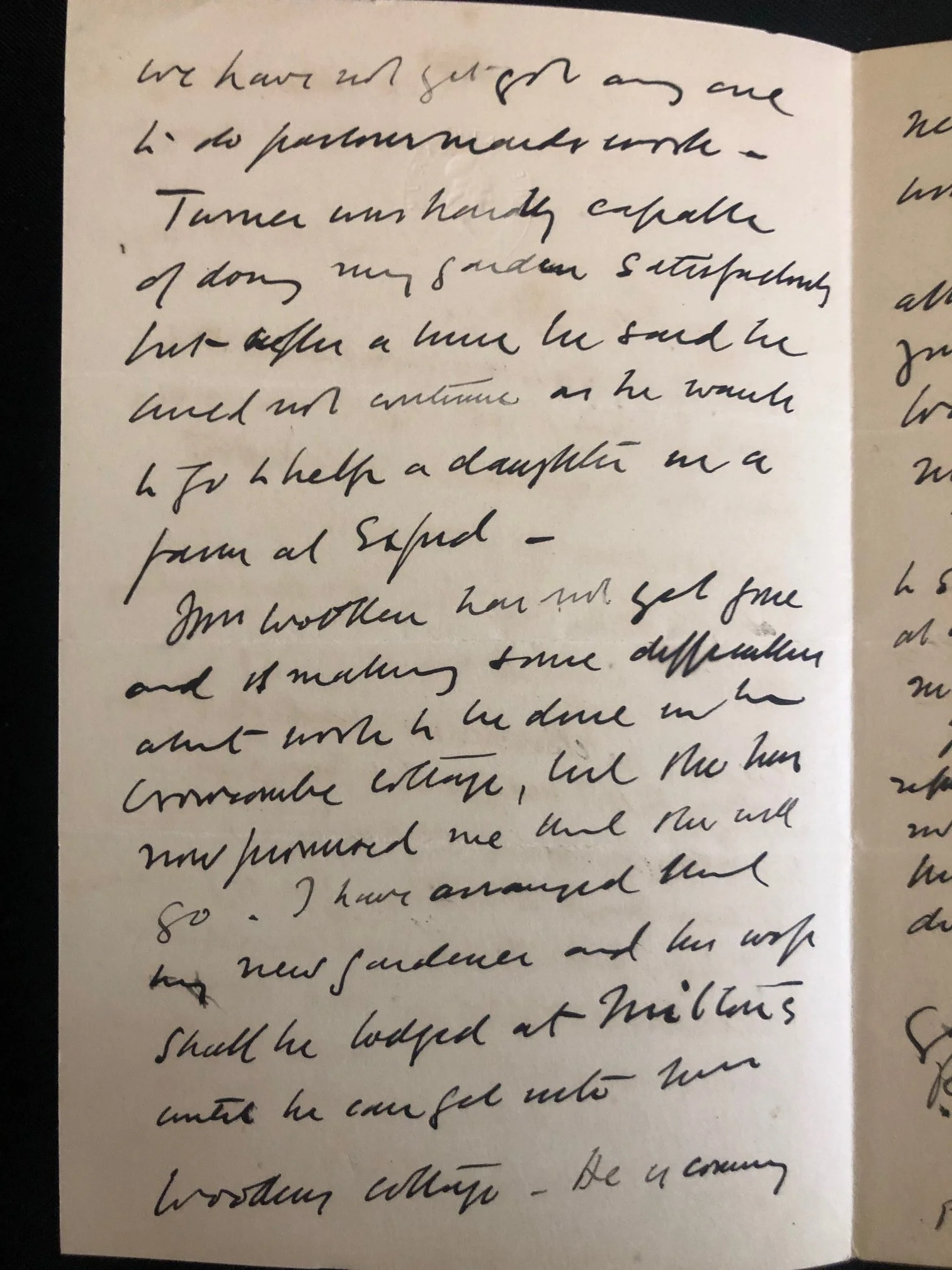
Channell mentions that his previous servant, Turner, left because he "wanted to go to help a daughter on a farm."
With hundreds of thousands of working-class men conscripted into the military, finding capable domestic staff—like the parlour maid Channell notes they still lack—became incredibly difficult for the upper classes.
Perhaps the most fascinating specific detail is Channell’s relief at finding a new gardener who "could do his electric light for me."
In 1916, country homes in villages like Crowcombe, Somerset, were not connected to a regional power grid. Wealthy homeowners had to install private, independent electrical generation plants (usually powered by coal, oil, or water turbines) on their estates. Operating these temperamental generators required specialized technical skill.
Because of the wartime labour shortage, Channell had to find a multi-talented worker capable of managing both the traditional estate gardens and the modern electrical infrastructure—a combination he notes "will relieve me from many difficulties."
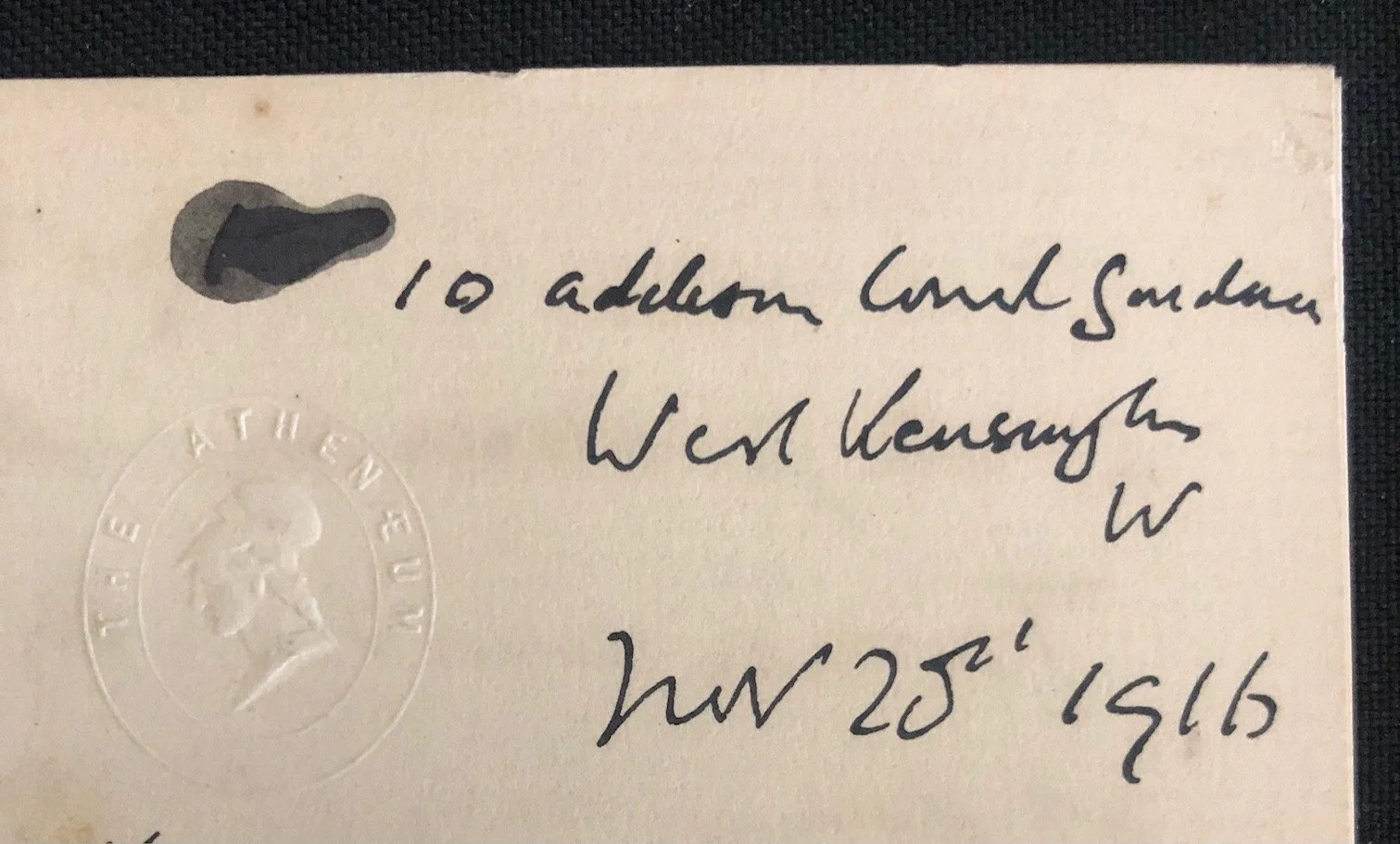
Though Channell writes his West Kensington residential address by hand, the top of the page features the distinct embossed circular seal of The Athenaeum. This exclusive London gentlemen's club was (and remains) the premier meeting place for Britain's intellectual, legal, and political elite, signalling Channell's high status in Edwardian and wartime society.
115mm x 175mm
Ink mark; some wear.
R1,000