Isie Smuts’ Music Book (1901)
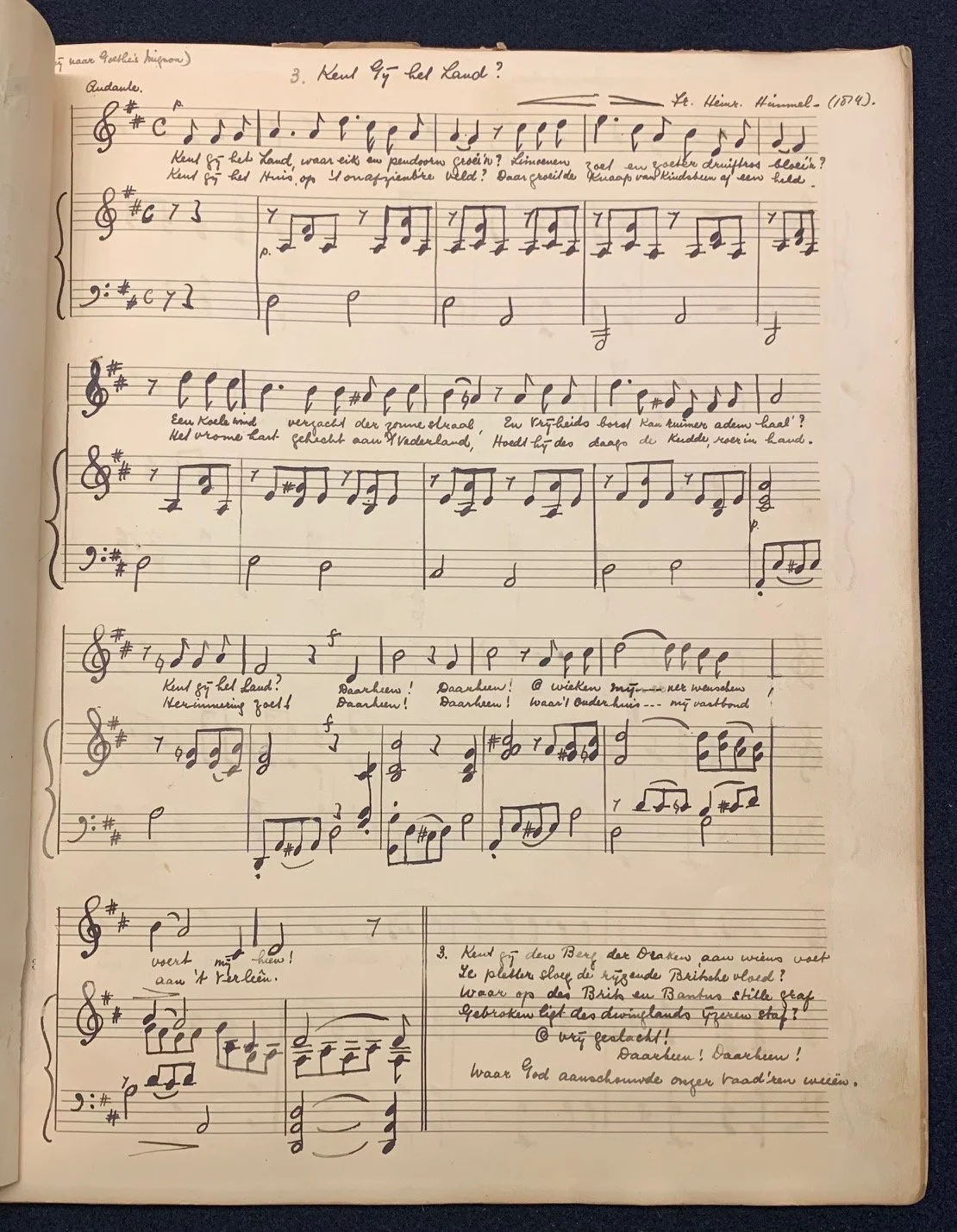
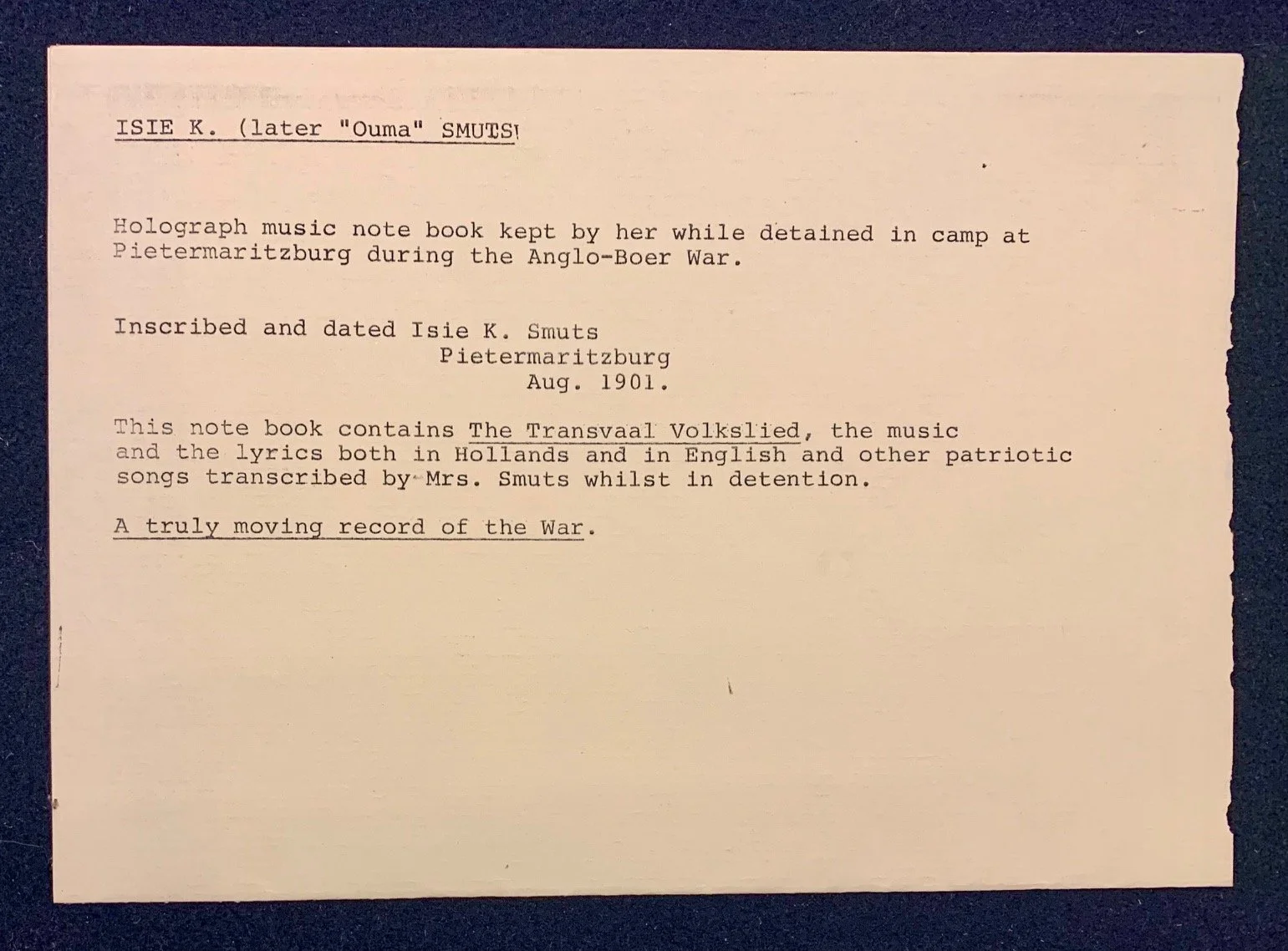
This is a significant historical artefact: a holograph music notebook meticulously kept by Sybella Margaretha "Isie" Smuts (née Krige, 1870–1954), the wife of the Boer general and future South African Prime Minister, Jan Christiaan Smuts.
Written Under House Arrest (August 1901)
Following the British capture of Pretoria in June 1900, Jan Smuts took to the field to lead guerrilla commandos against the British Imperial forces. In early 1901, on the direct orders of Lord Kitchener, Isie Smuts was forcibly relocated to Pietermaritzburg.
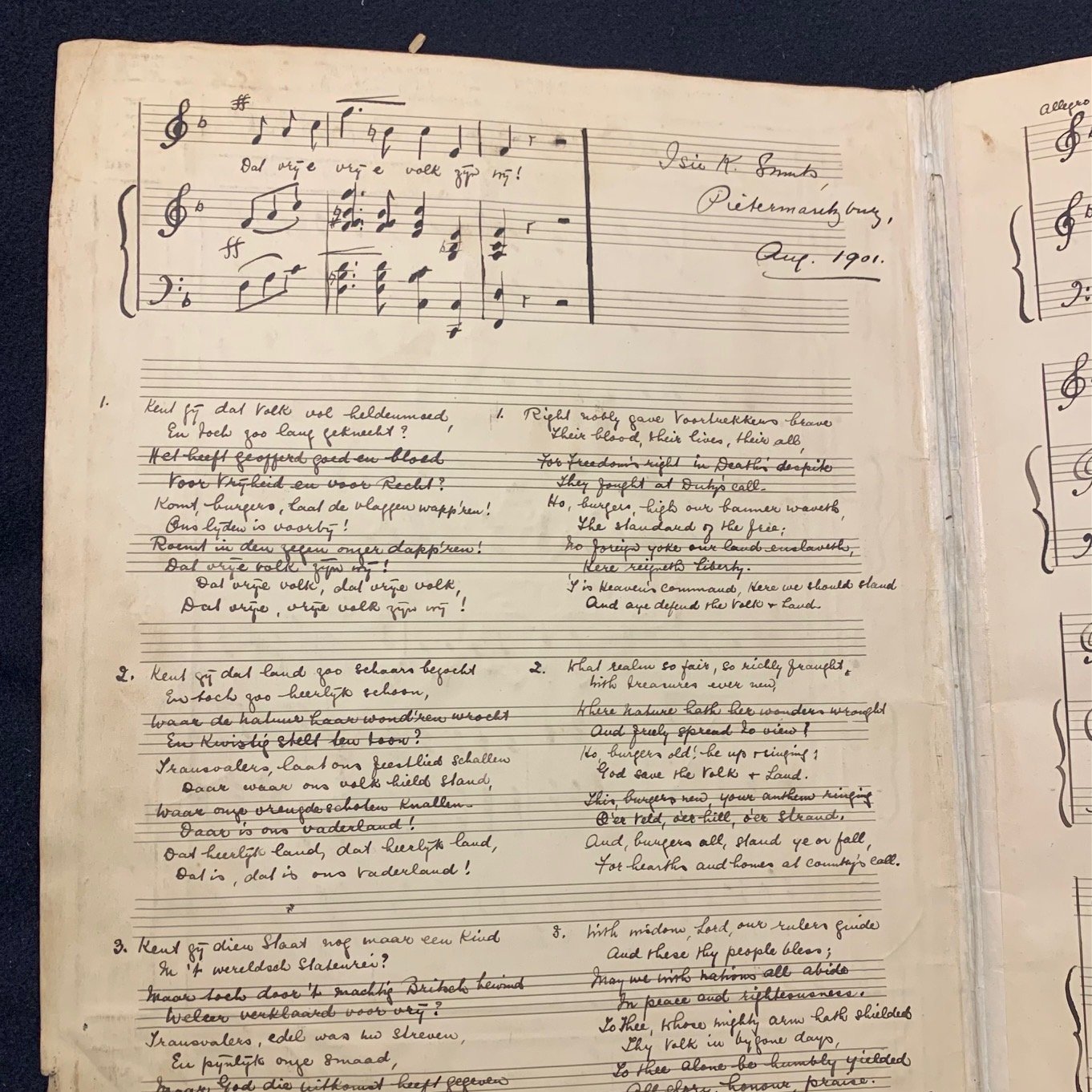
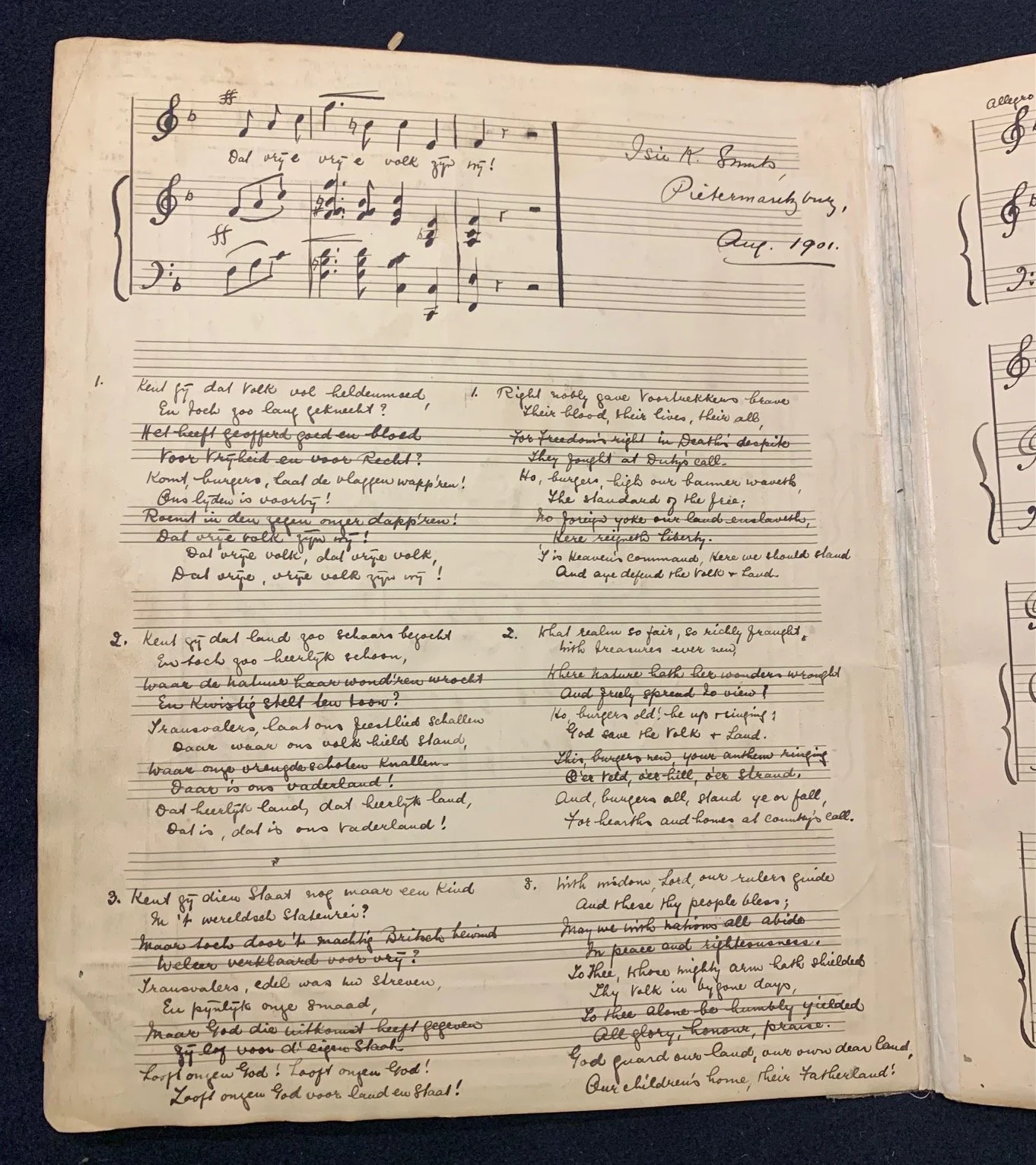
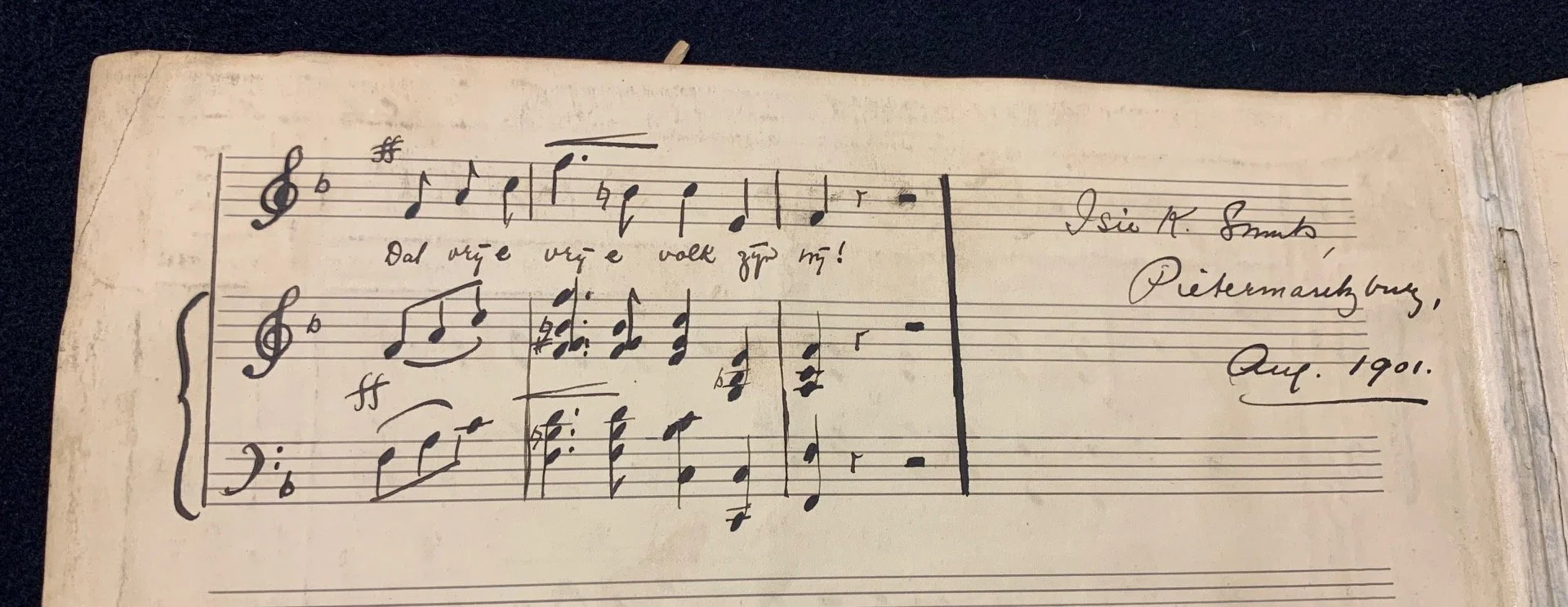
Because of her high profile as General Smuts' wife, she was spared the regular tents of the nearby concentration camp and was instead placed under strict house arrest in a small suburban home. Interestingly, Isie actually pleaded with the authorities to let her live inside the concentration camp alongside the other Boer women and children, but her requests were denied. Instead, she spent her detention knitting comforts for the camp inmates and transcribing music into this notebook to pass the grueling, isolated hours.
Preserving Defiant Republic Anthems
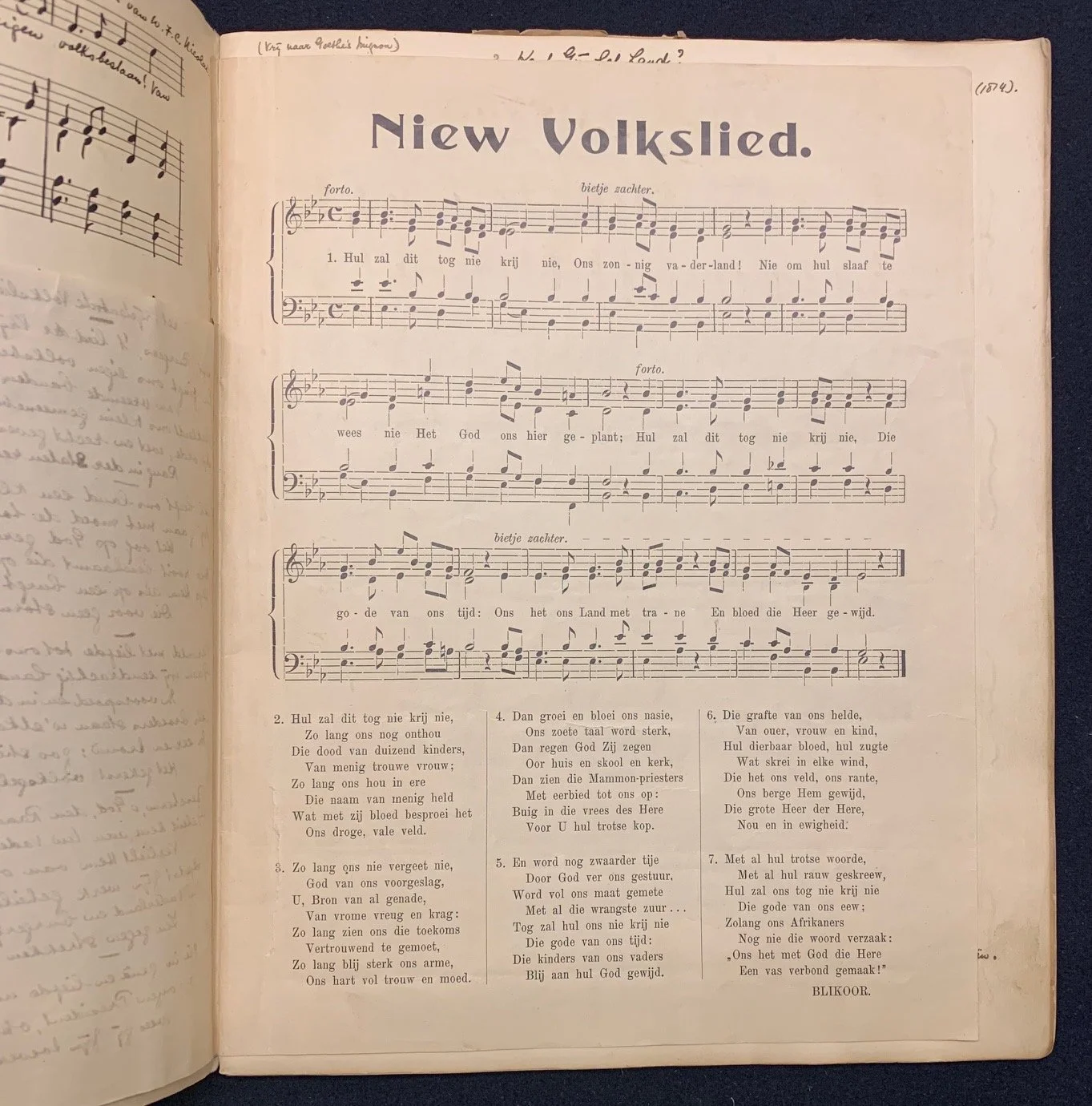
The notebook features her handwritten lyrics and musical arrangements for patriotic anthems, most notably The Transvaal Volkslied (the national anthem of the Zuid-Afrikaansche Republiek or ZAR).
Transcribing these lyrics in both High Dutch and English was an act of cultural defiance. At the time she wrote this in August 1901, the war was at its most bitter, "scorched-earth" guerrilla phase. Keeping the music of the republic alive in her notebook served as a private form of psychological resistance against British containment.
Her Deep Anti-British Sentiments
The raw emotion captured in this book mirrors Isie’s fierce republicanism. While her husband, Jan Smuts, later became a global statesman renowned for his role in reconciling the Boers with the British Empire and helping draft the UN Charter, Isie remained deeply resentful of the British for the rest of her life due to her wartime treatment. She famously insisted that the ZAR Vierkleur (four-color flag) be physically draped over her bed during the birth of each of her children so they would not be born under the British Union Jack.
The Genesis of "Ouma" Smuts
Though written during a period of intense personal trauma—shortly after the tragic death of her infant son and while she was suffering from severe physical exhaustion—this resilient spirit laid the foundation for her later public life. Decades later, during World War II, she channelled this exact energy into founding the Gifts and Comforts Fund, raising over a million pounds to support soldiers on the front lines. This massive welfare effort earned her the enduring, affectionate title of "Ouma" (Grandmother) Smuts across South Africa.
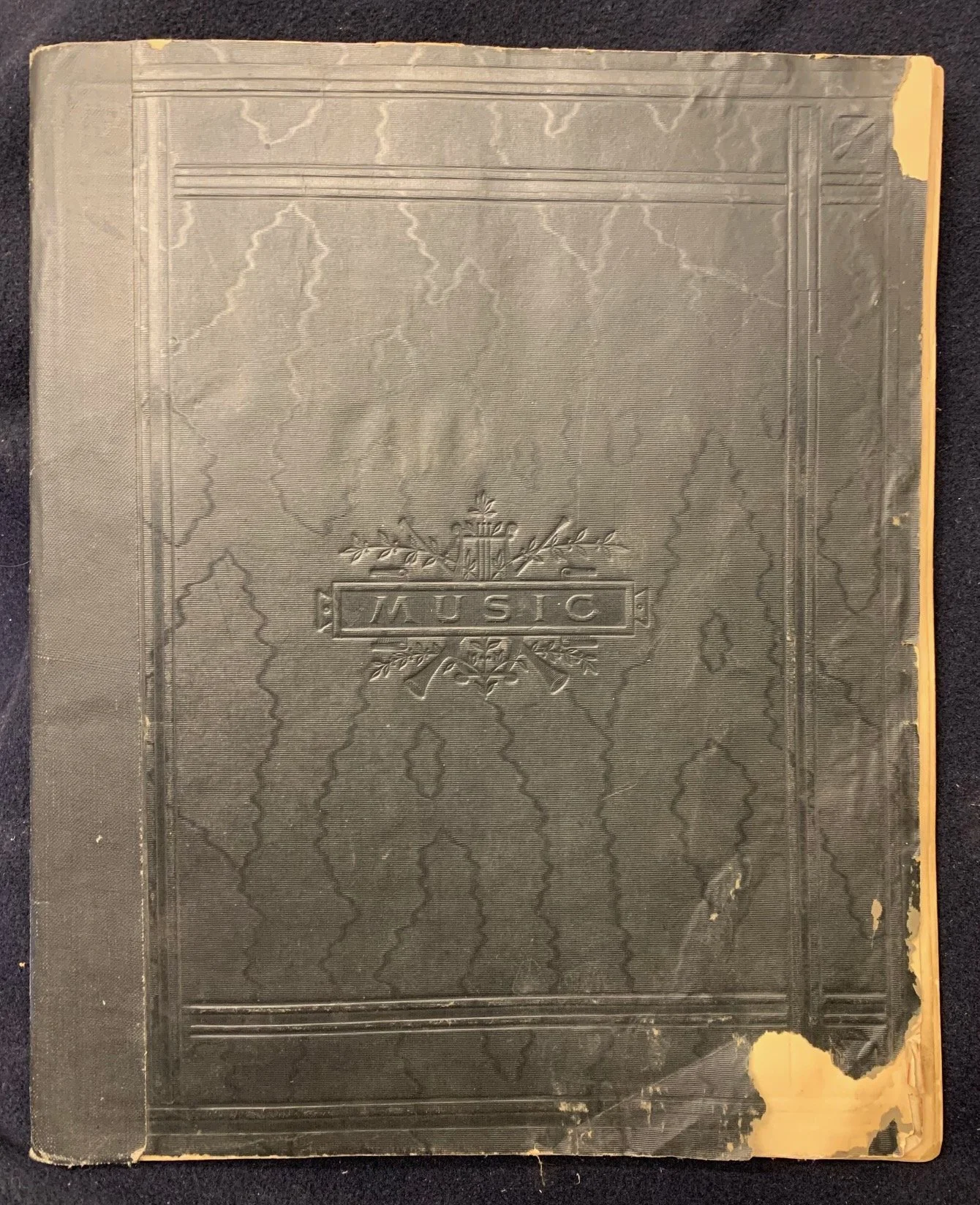
Manuscript, kept by Isie Smuts while detained under house arrest in Pietermaritzburg during the Second Boer War.
Purchased from Robin Fryde. No other provenance available.
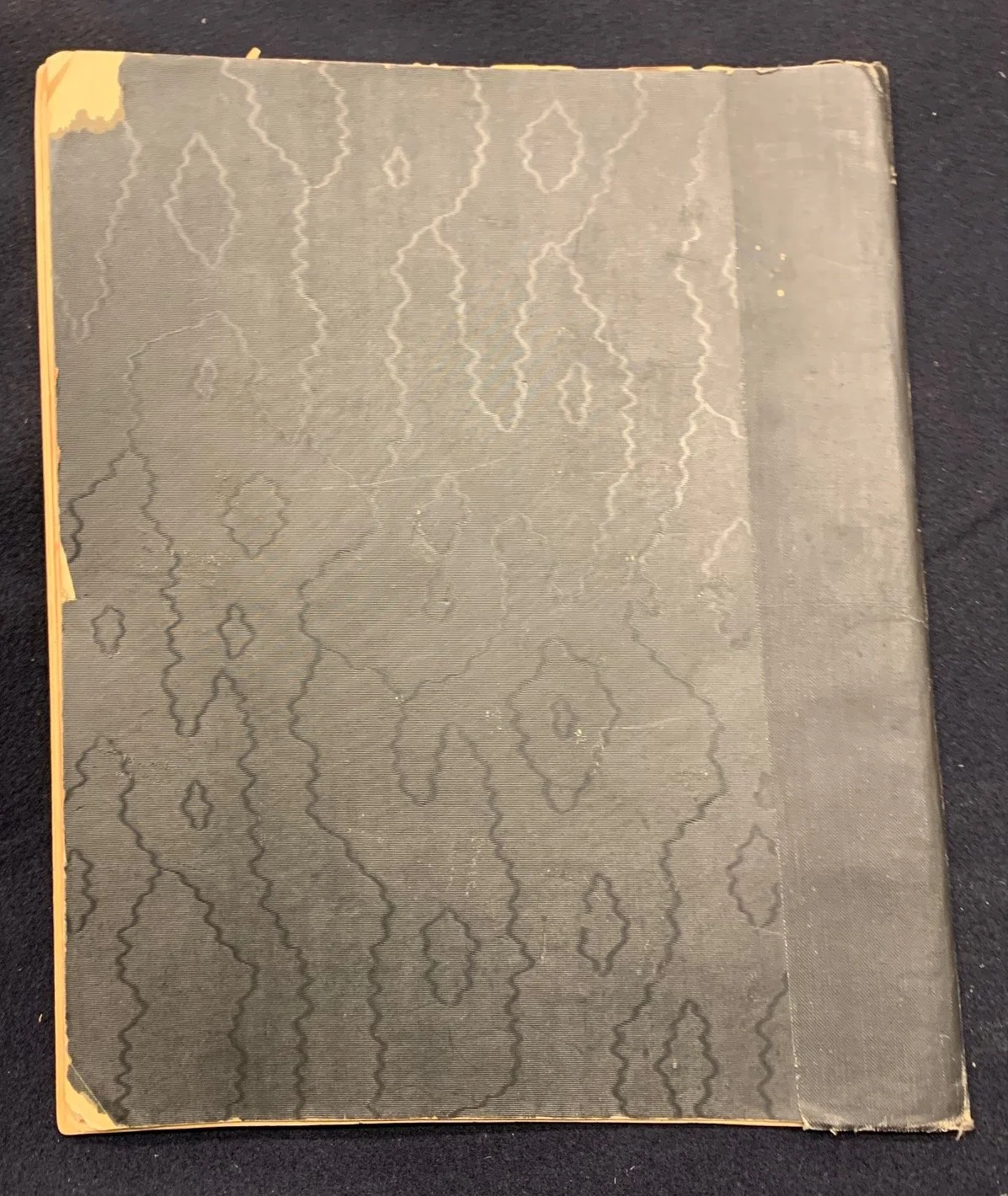
An incredibly fragile item, unusual to have survived.
240mm x 295mm.
R100,000