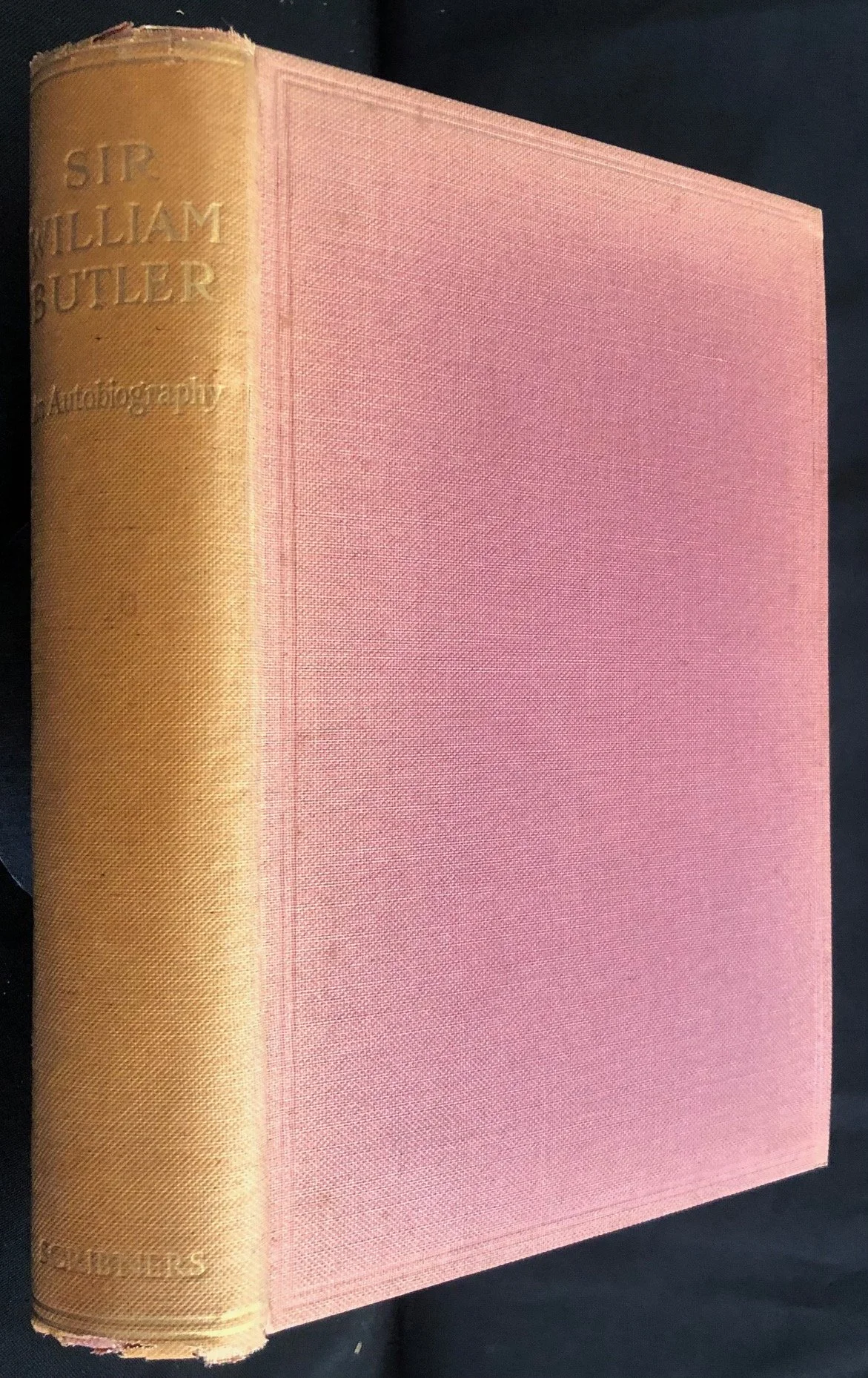
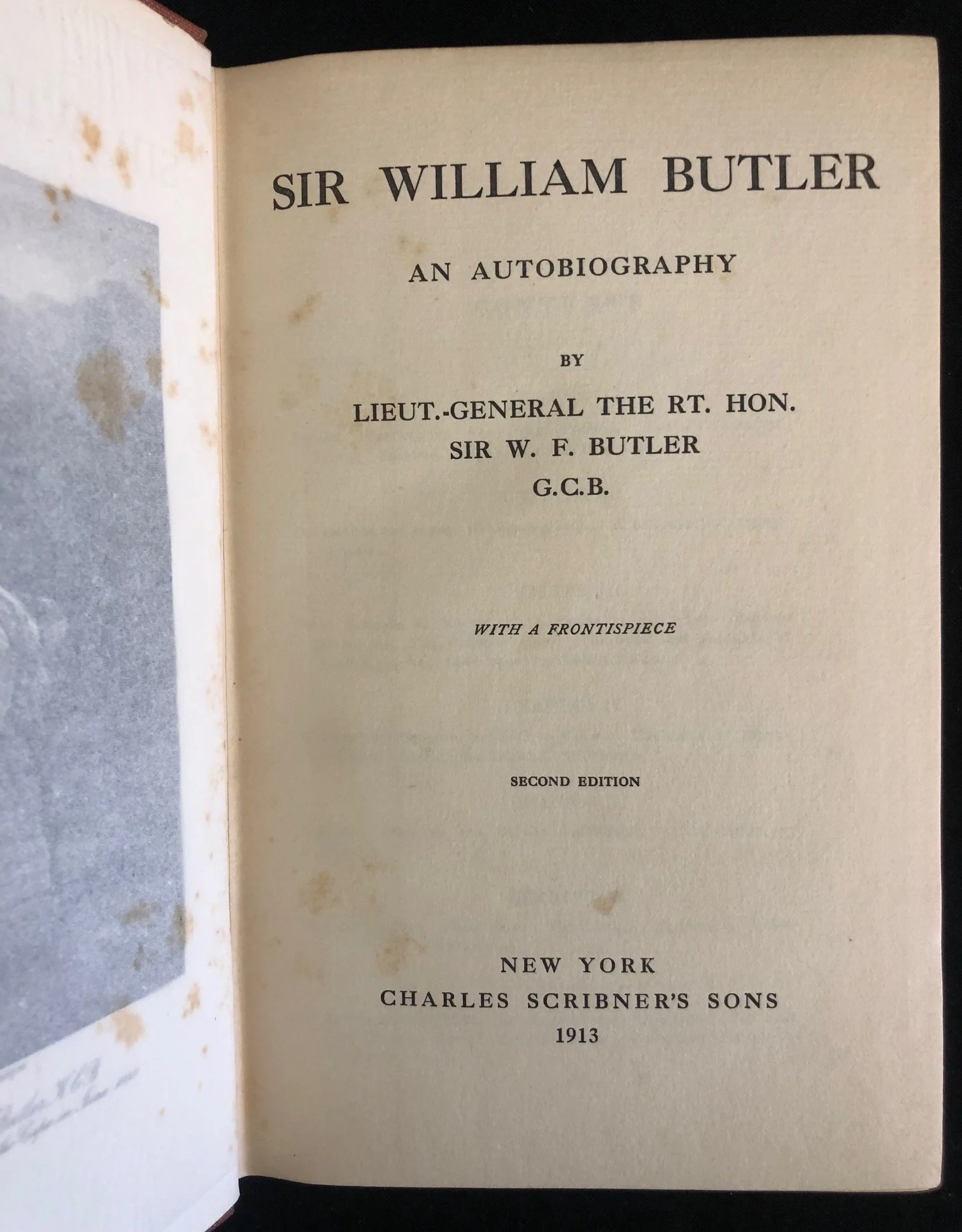
Sir William Francis Butler , An Autobiography (1913)
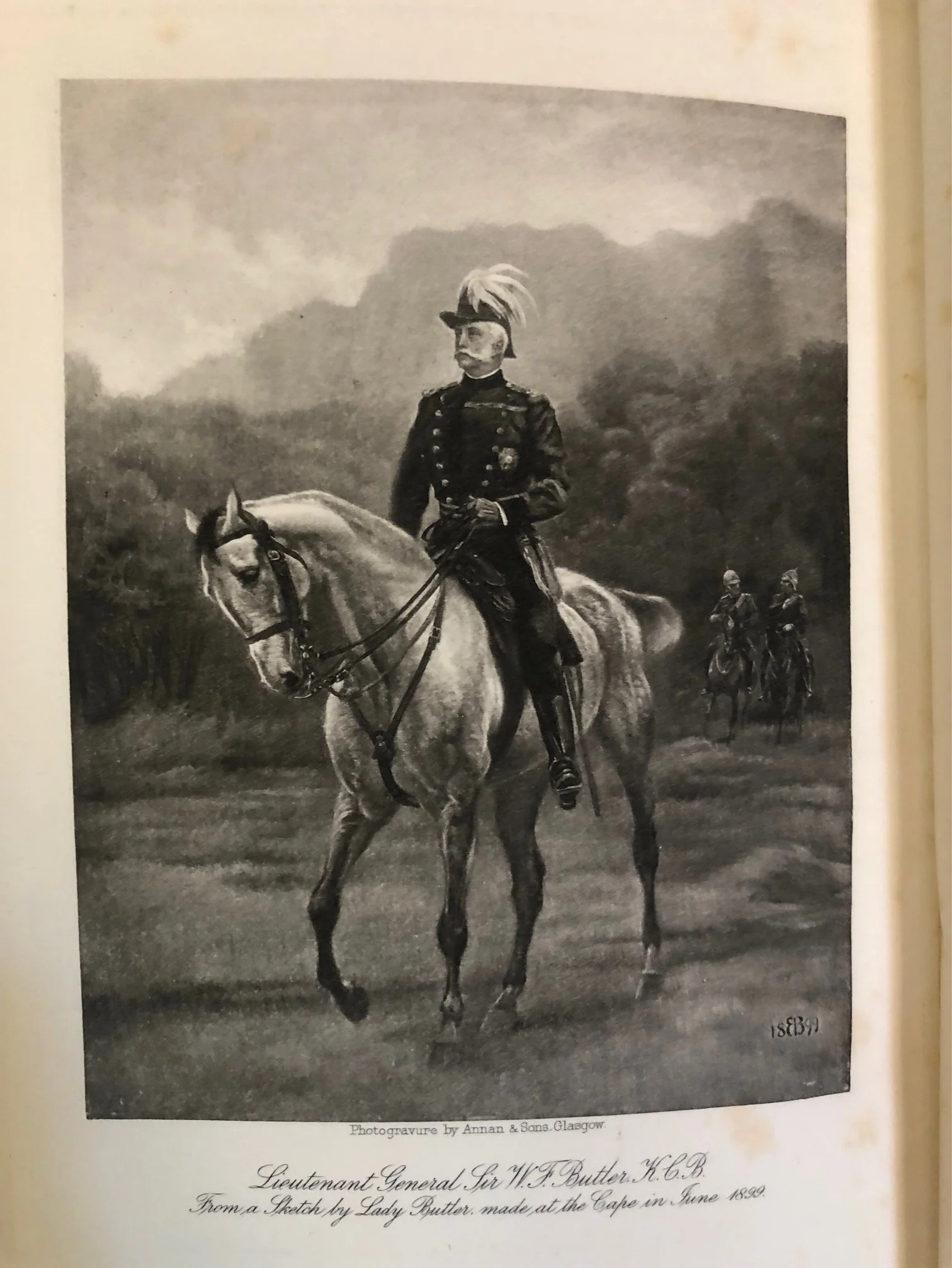
Sir William Francis Butler, was a highly complex and fascinating figure in late-nineteenth-century British military history, whose story is deeply intertwined with South Africa.
While his autobiography details a long career across the British Empire, its final chapter, the very one he was writing right before his death in 1910, remains his most controversial legacy: his short-lived, dramatic tenure as Commander-in-Chief of British forces in South Africa just before the outbreak of the Anglo-Boer War.
Here is the historically compelling story behind the man who wrote that book:
The "Pro-Boer" British General
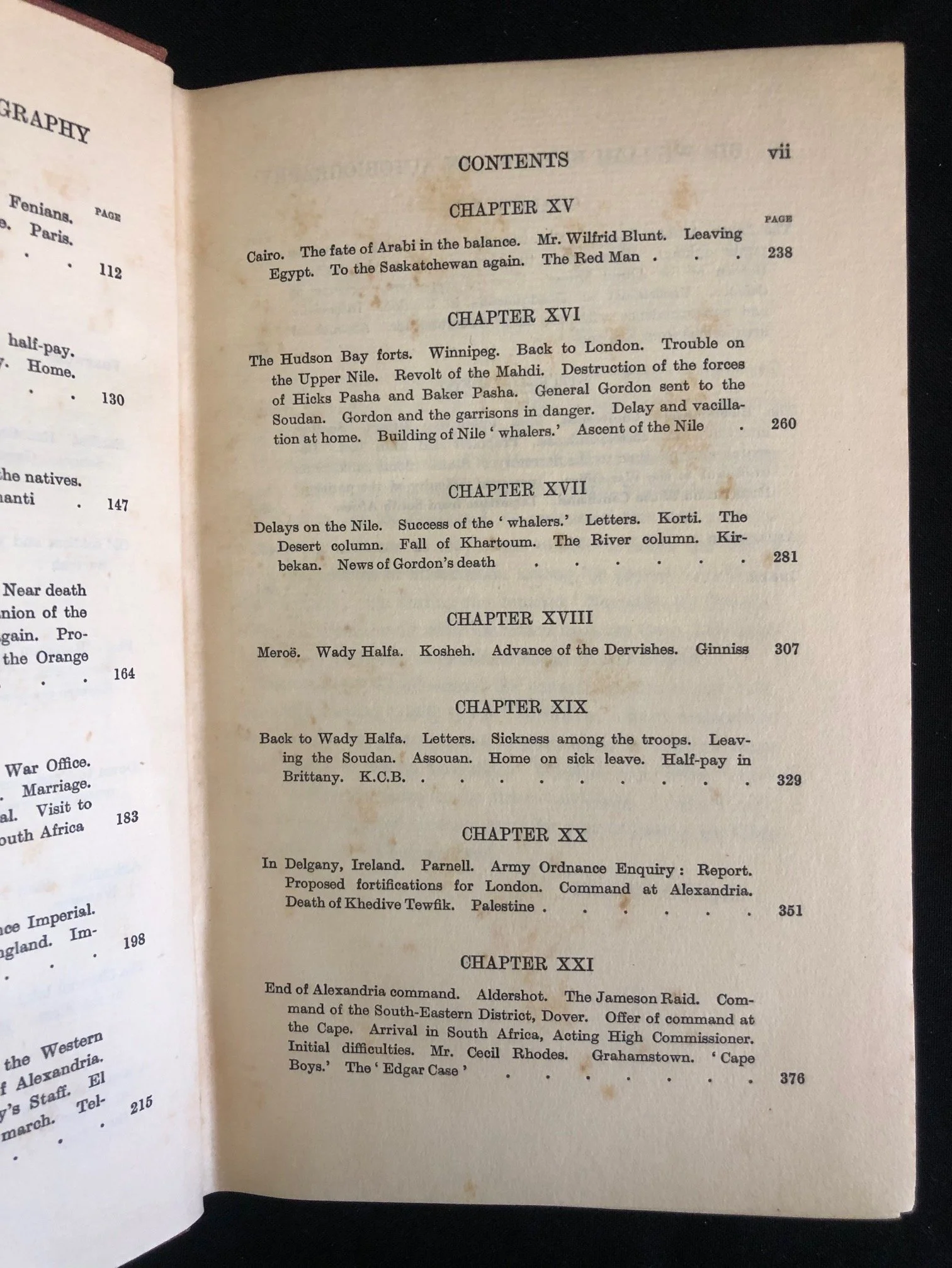
In late 1898, Butler was appointed Commander-in-Chief of British forces in South Africa. For a brief few months, while the high-profile British High Commissioner Sir Alfred Milner was away in England, Butler even acted as High Commissioner.
Milner’s agenda was firmly set on asserting British supremacy, which meant pushing the independent Boer Republics (the Transvaal and the Orange Free State) into a corner to provoke a war. Milner expected a military commander who would enthusiastically prepare an offensive strategy under the guise of "defense."
Instead, they got Butler.
An Irish Catholic who sympathized with home rule and harborer of a deep-seated aversion to what he saw as the greed of international capitalism and aggressive imperialism, Butler fiercely opposed Milner’s war-hawk politics. He viewed the Boers not as enemies to be crushed, but as sober, peaceable yeoman farmers.
"No Surgical Operation"
Butler took the radical step of refusing to cooperate with colonial manoeuvres that he believed were designed to incite hostilities. When pressured to move British troops right up to the borders of the Boer republics, a move meant to provoke the Boers but one that Butler knew would leave his ill-equipped men dangerously isolated, he flatly refused.
He famously and publicly declared that what South Africa needed was "no surgical operation," but rather time, patience, and peace to heal its political divides.
The Cost of Foresight
Butler warned the War Office in London that the British government was severely underestimating the Boers. He warned that they were formidable, highly mobile marksmen, and that any war against them would require an immense, costly military effort, rather than the quick "walkover" the British public expected.
His outspokenness earned him the nickname "The Radical General" and he was swiftly vilified by the British press as being "pro-Boer." Realizing he had completely lost the backing of the War Office and was caught between an aggressive colonial policy and a penny-pinching military administration, Butler resigned on August 18, 1899, just two months before the Anglo-Boer War officially broke out.
Post-War Vindication
When the war began in October 1899, the British suffered catastrophic, embarrassing defeats early on (such as "Black Week"). The press initially tried to scapegoat Butler for failing to prepare the army. However, as the conflict dragged on for nearly three brutal years, requiring hundreds of thousands of imperial troops just as Butler had predicted, his foresight was completely vindicated by the 1903 Royal Commission on the South African War.
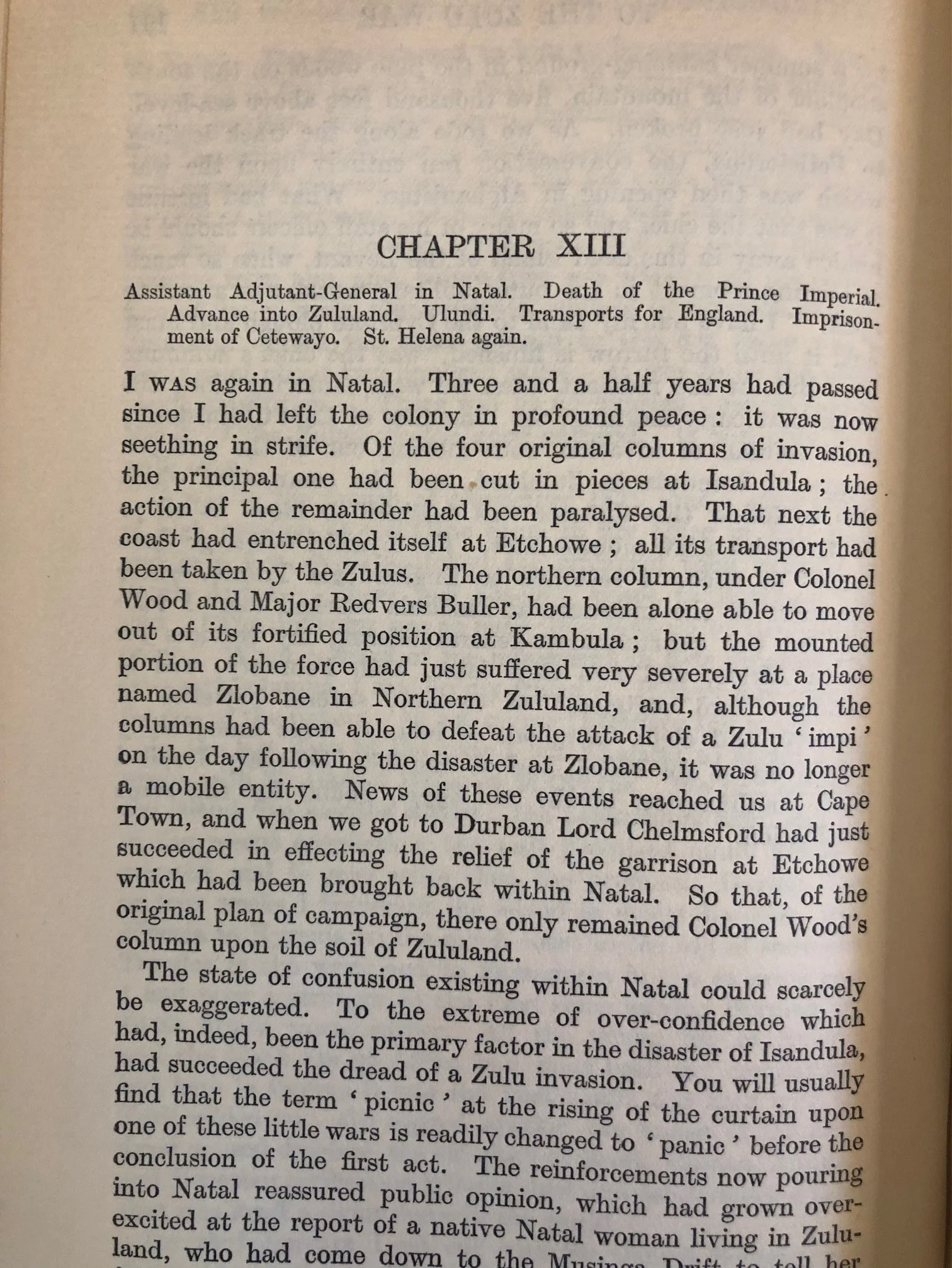
The New York edition of his autobiography from 1913 is particularly poignant because it was edited and completed posthumously by his daughter, Eileen. She relied heavily on a detailed "Narrative of Events" that Butler had feverishly written immediately upon his forced return from the Cape, ensuring his side of the South African crisis would be preserved for history.
145mm x 225mm x 30mm
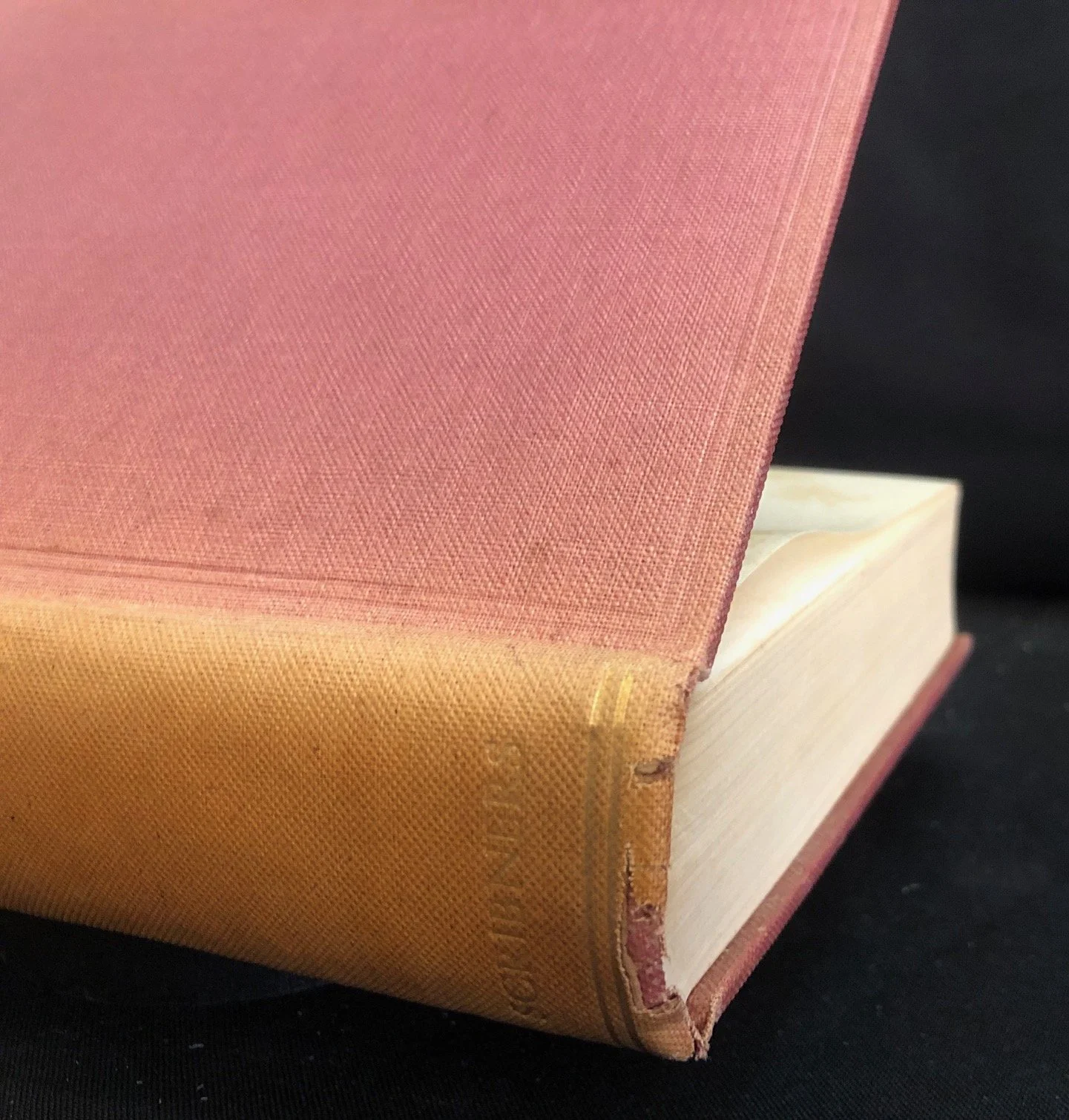
Second edition; complete. Prelims foxed; top and bottom of spine chipped.mm x mm
R1,000