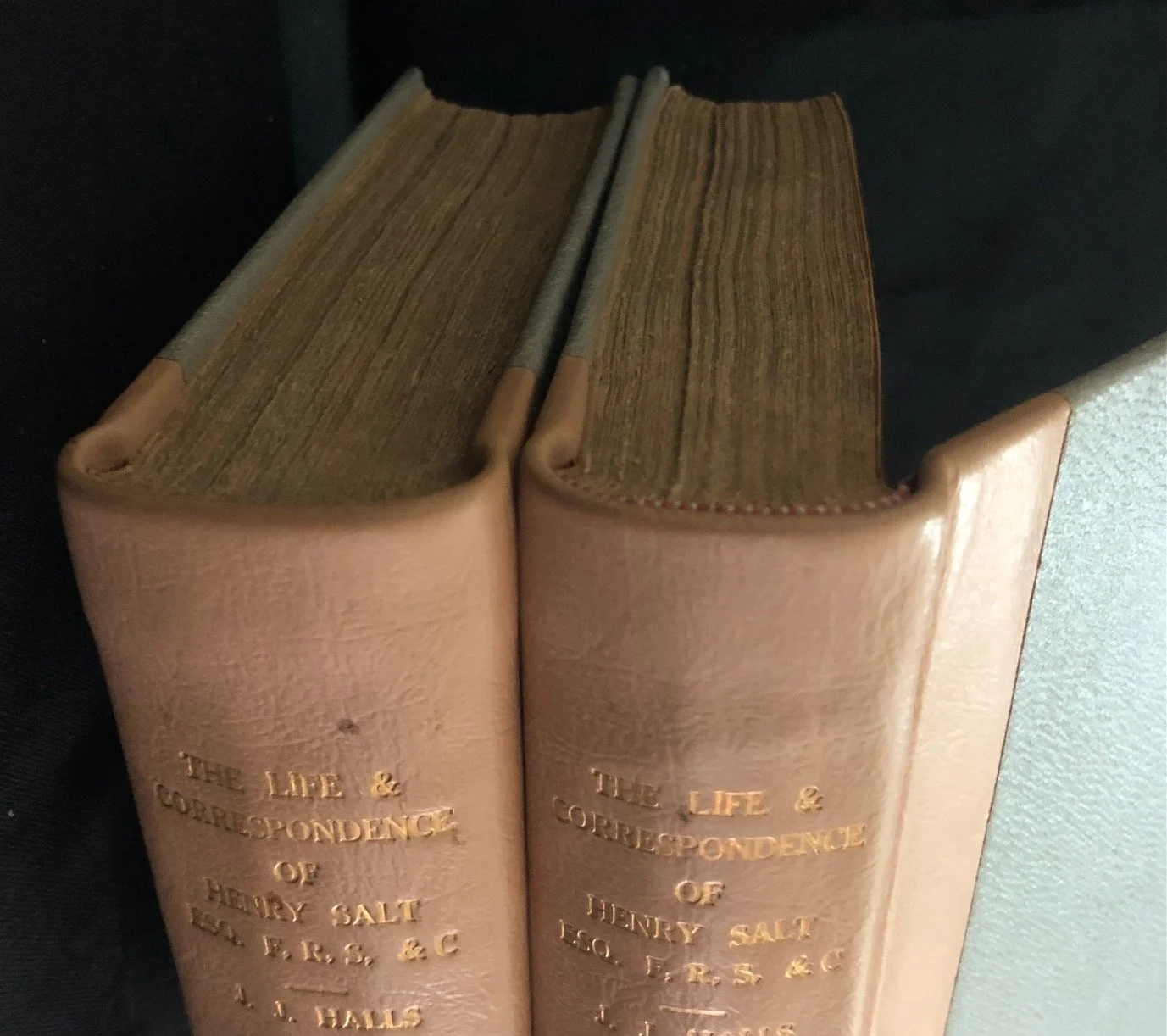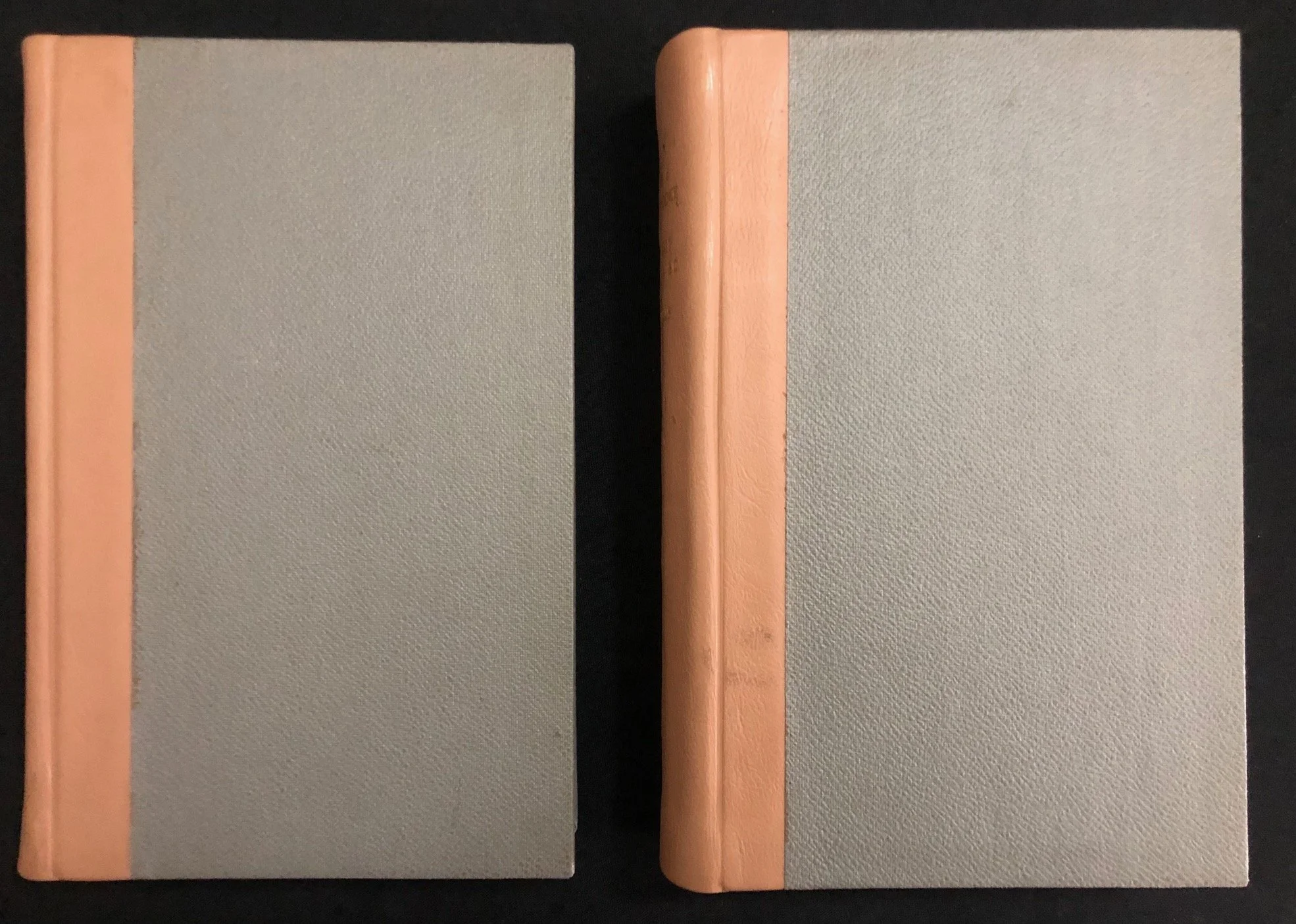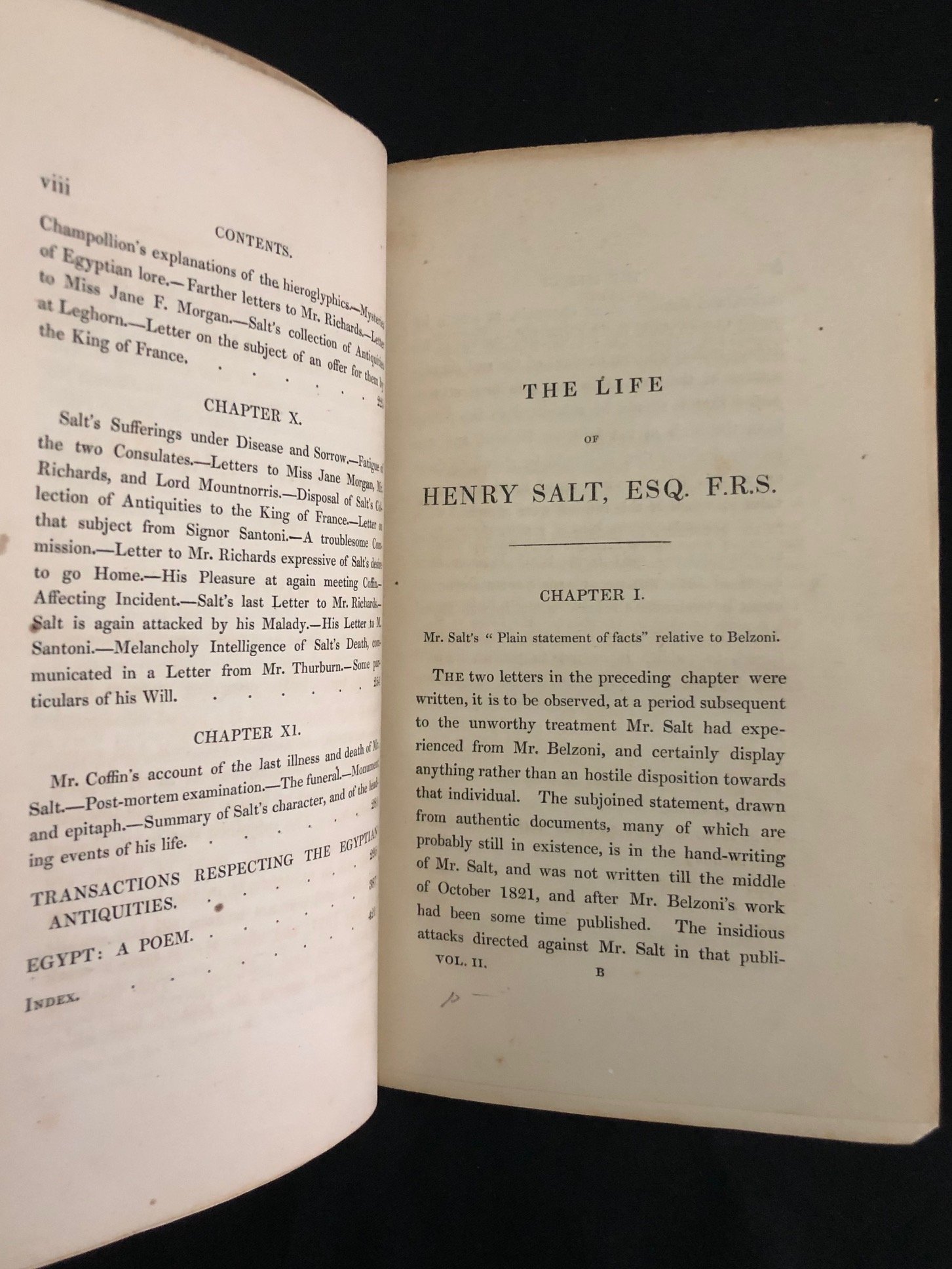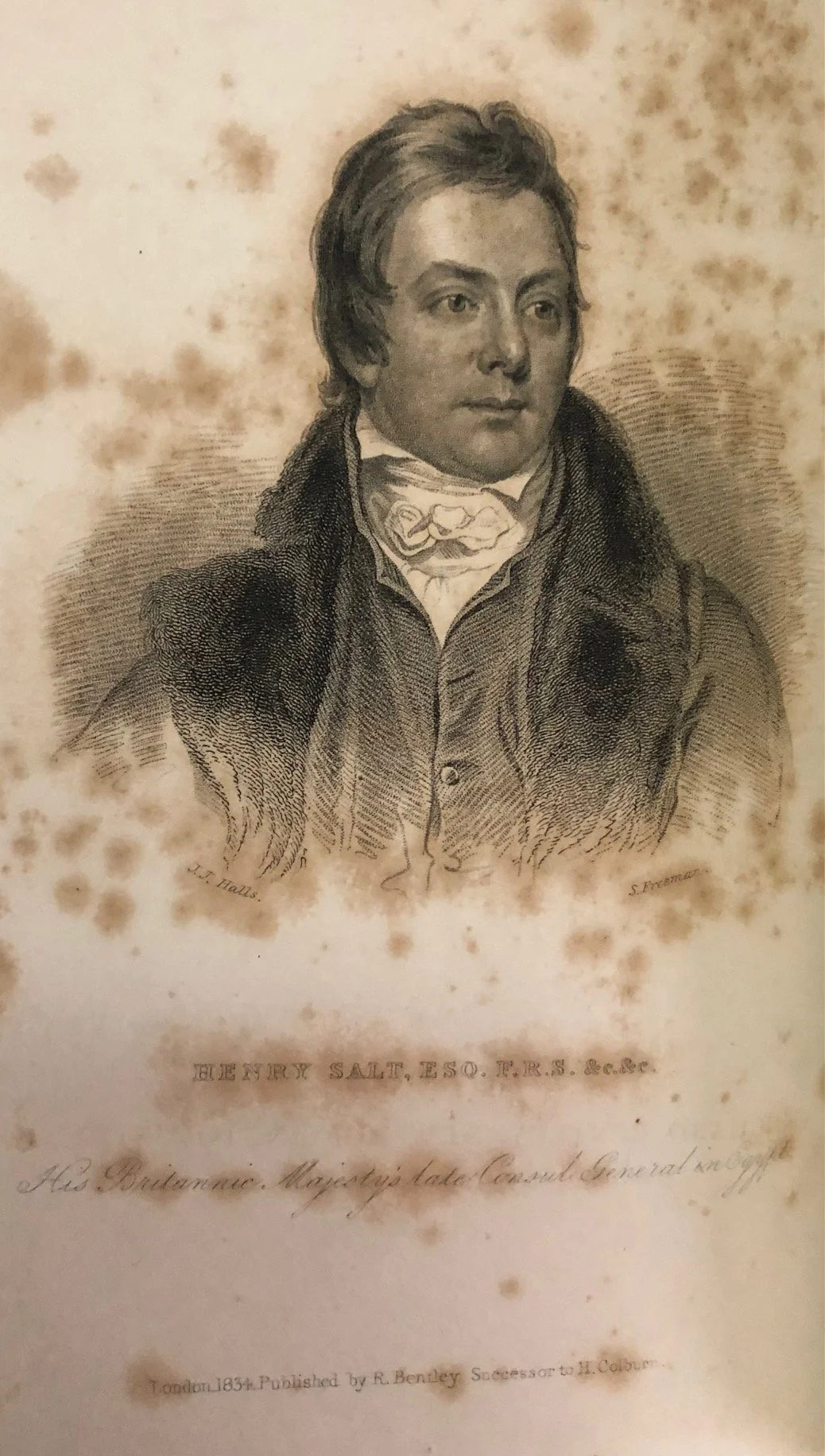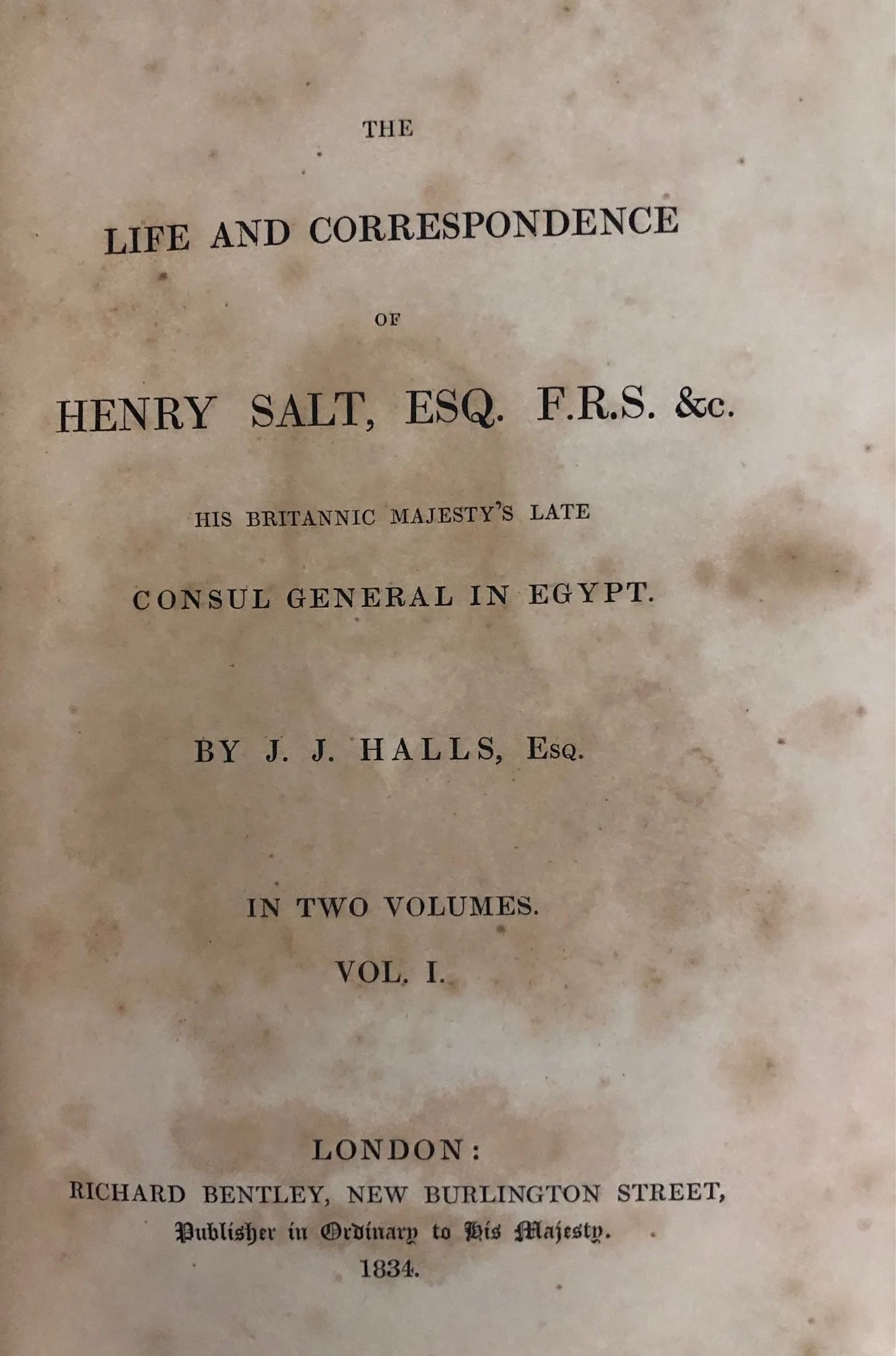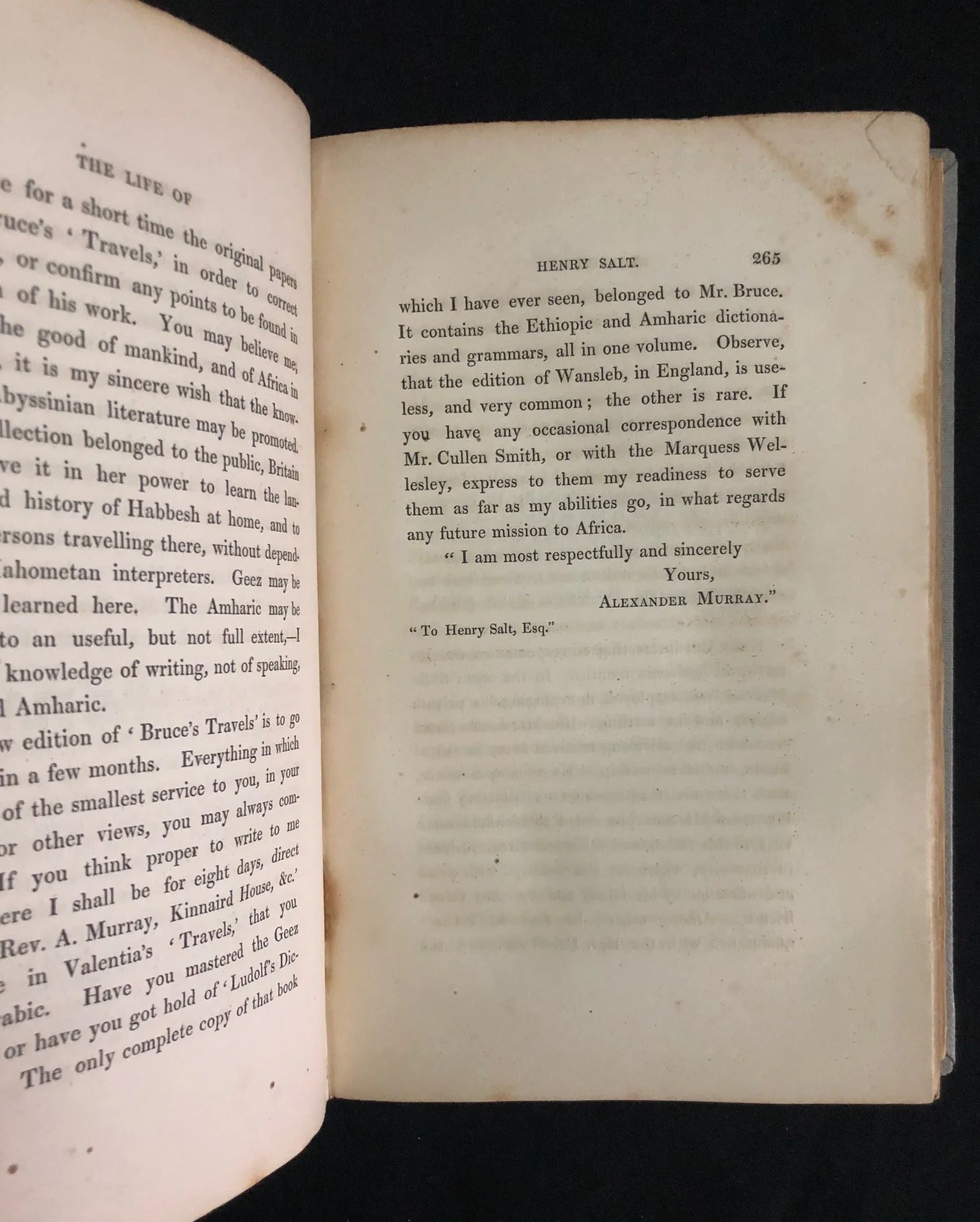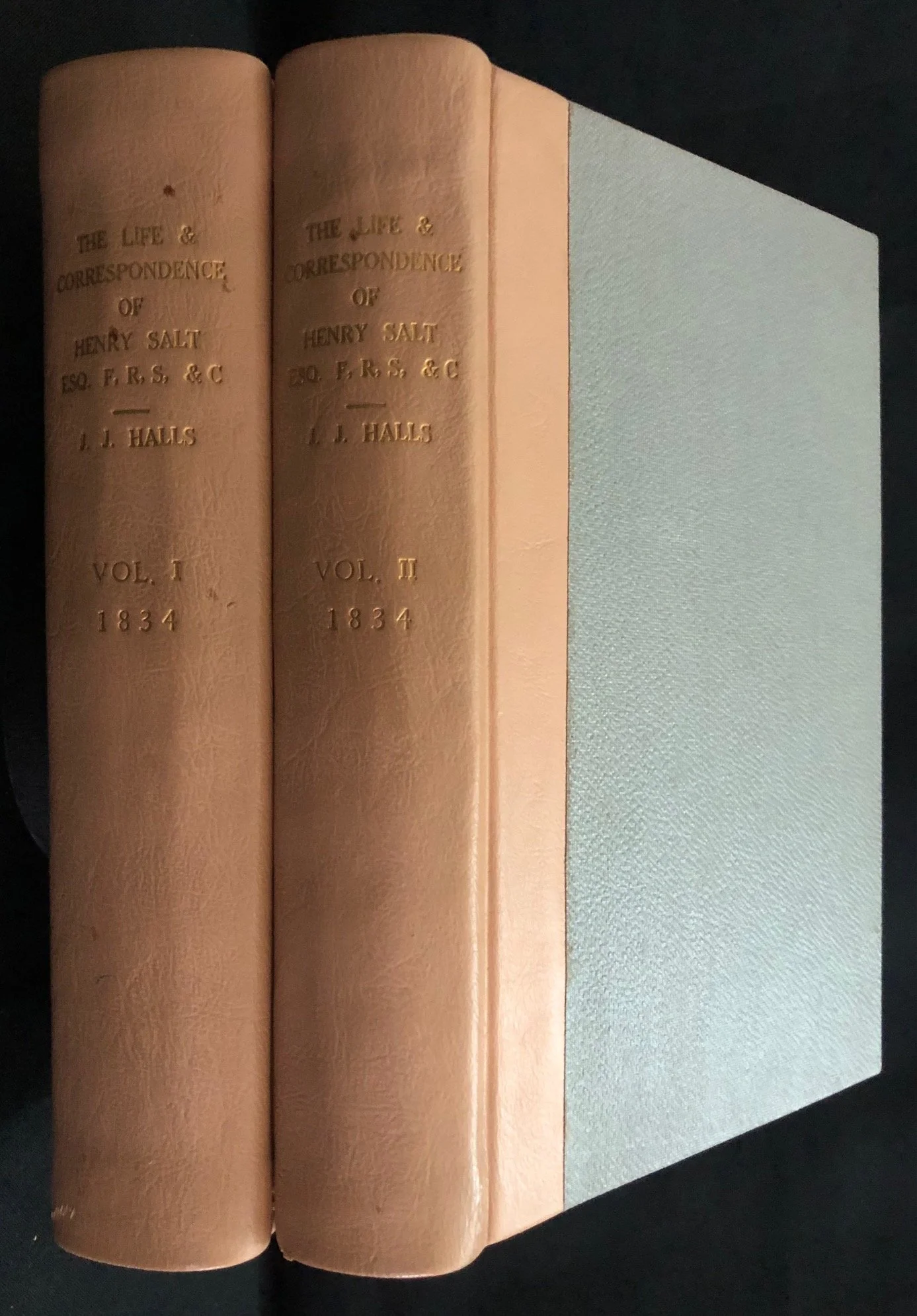
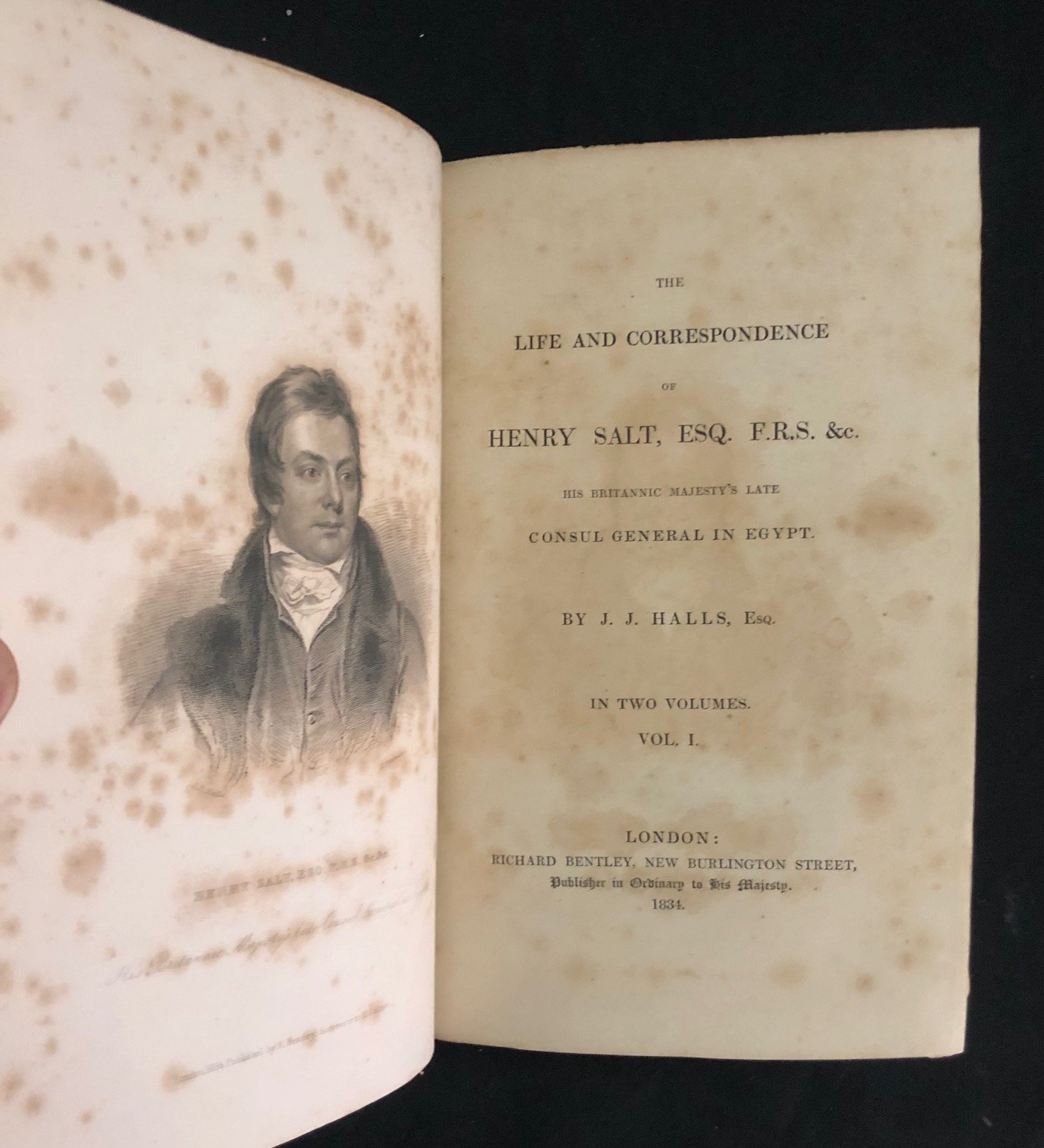
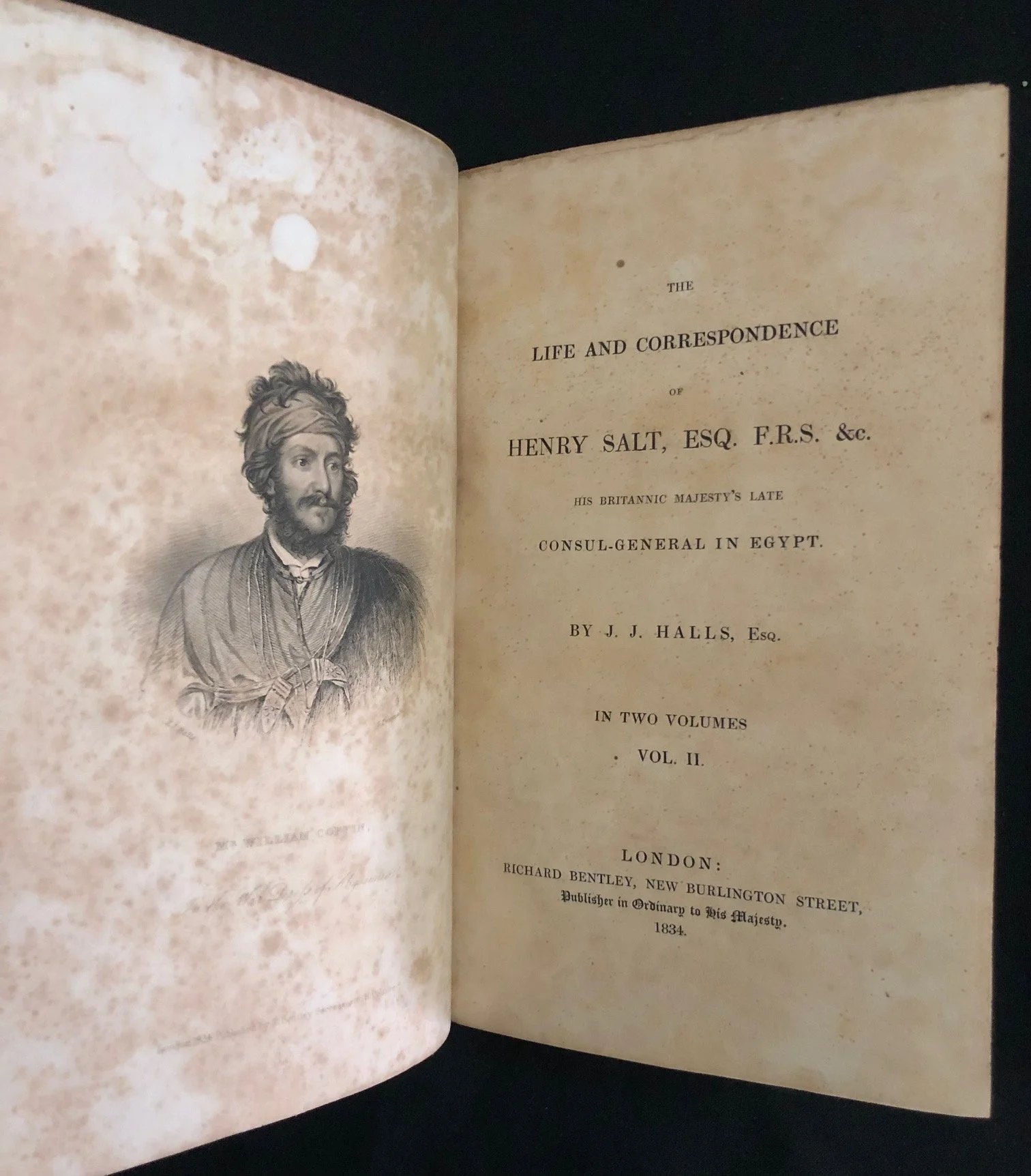
Two-volume Biography of Henry Salt, published in 1834 by his close friend, the painter J. J. Halls.
The Real-Life Catalyst for Shelley’s Ozymandias
While serving as the British Consul-General in Egypt from 1815 until his death in 1827, Henry Salt financed the legendary extraction of the colossal seven-ton granite bust of Ramesses II (then referred to as the "Younger Memnon") from the Ramesseum at Thebes.
To pull off the impossible feat of moving the massive artifact, Salt hired the former circus strongman turned engineer-explorer, Giovanni Belzoni. When news reached London that Salt and Belzoni were shipping this enormous, shattered visage of the ancient Pharaoh back to Great Britain, it sparked a friendly poetry competition between Percy Bysshe Shelley and Horace Smith in late 1817. The result was Shelley’s immortal poem, Ozymandias:
"I met a traveller from an antique land / Who said: Two vast and trunkless legs of stone / Stand in the desert... Near them, on the sand, / Half sunk, a shattered visage lies..."
Founding Father of the British Museum’s Egyptian Collection
Salt was not merely a diplomat; he was one of the premier early collectors and patrons of Egyptology. He personally funded excavations at Abu Simbel, Thebes, and around the Great Sphinx at Giza.
Over his career, he assembled three massive collections of antiquities:
His primary collection—including the bust of Ramesses II, sarcophagi, and hundreds of papyri—was acquired by the British Museum in 1823, laying the groundwork for its famous Egyptian gallery.
A second collection was sold to King Charles X of France and now resides in the Louvre.
His final collection was auctioned to the British Museum after his death.
Early Travels and African Expeditions
Long before his consular appointment in Cairo, Salt was an accomplished draftsman and artist. In 1802, he was hired by Viscount Valentia as a secretary and illustrator on a grand voyage that took him past the Cape of Good Hope, through India, and across the Red Sea into Abyssinia (Ethiopia).
His early diplomatic missions into the Ethiopian interior to establish trade ties on behalf of the British Crown made him one of the few Westerners of his era to document the region in detail, resulting in his renowned 1809 aquatint portfolio, Twenty-four Views taken in St. Helena, the Cape, India, Ceylon, Abyssinia and Egypt.
About the Author
The biographer, John James Halls, was a prominent English portrait painter. Salt himself had originally moved to London to train as a portrait artist under Joseph Farington before realizing his talents lay more in topographical drawing, exploration, and statecraft. Halls compiled these volumes using Salt's private journals, letters, and personal papers shortly after Salt’s premature death near Alexandria at age 47.
Vol 1: 155mm x 230mm x 31mm
Vol 2: 155mm x 230mm x 25mm
Both volumes rebound in quarter leather; prelims foxed; a couple of pages folded.
Complete; both vols have half title page; frontis; contents etc.
Vol 1: 502 + 2 pages of adverts.
Vol 2: 440 pages.
R6,500