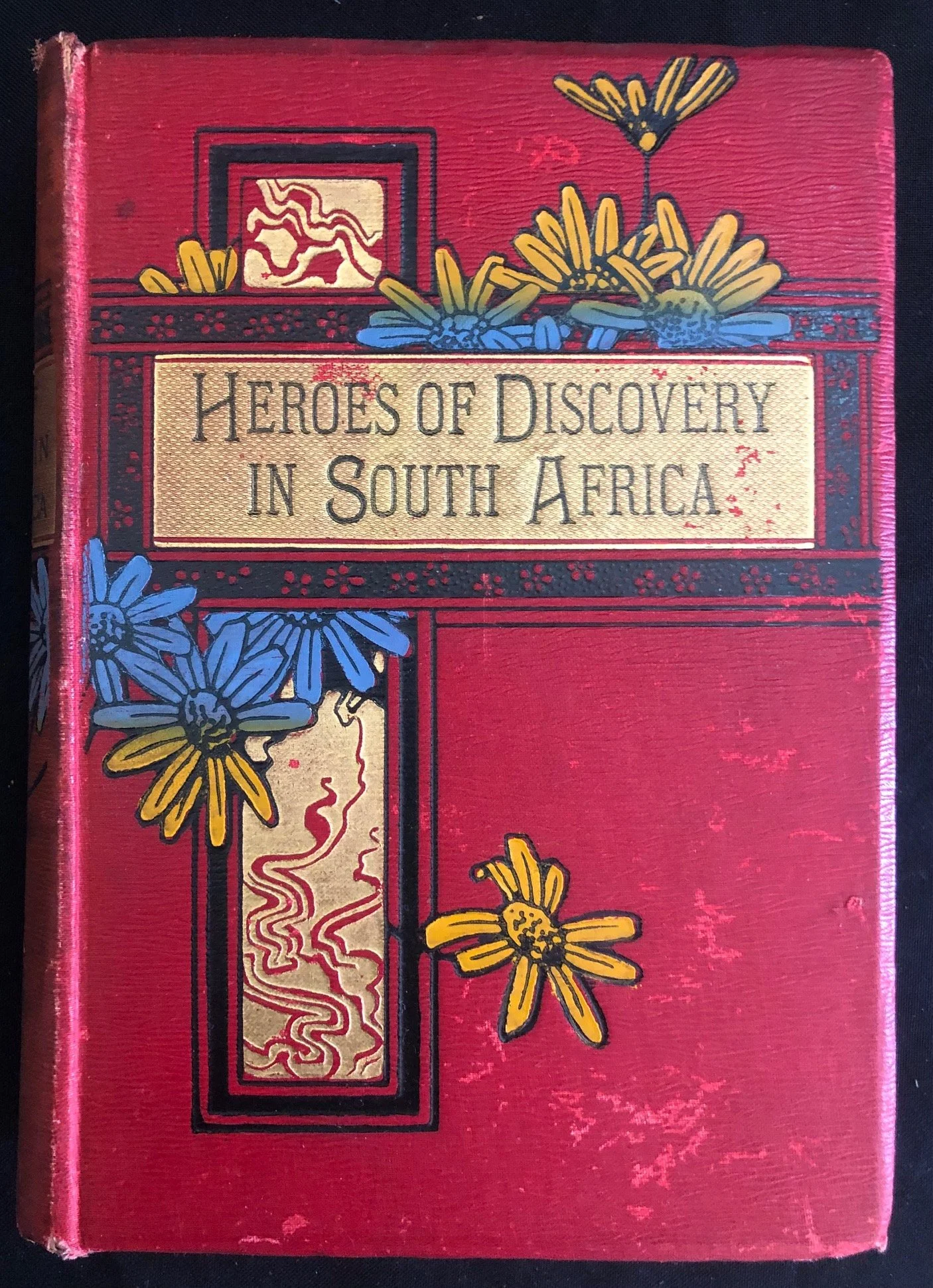
Heroes of Discovery in South Africa published by Walter Scott (c.1899)
Heroes of Discovery in South Africa published by Walter Scott, Limited, holds a fascinating position at the intersection of late-Victorian popular history, imperial propaganda, and the hidden contributions of women writers of the era.
The Prolific Woman Behind the Pseudonym
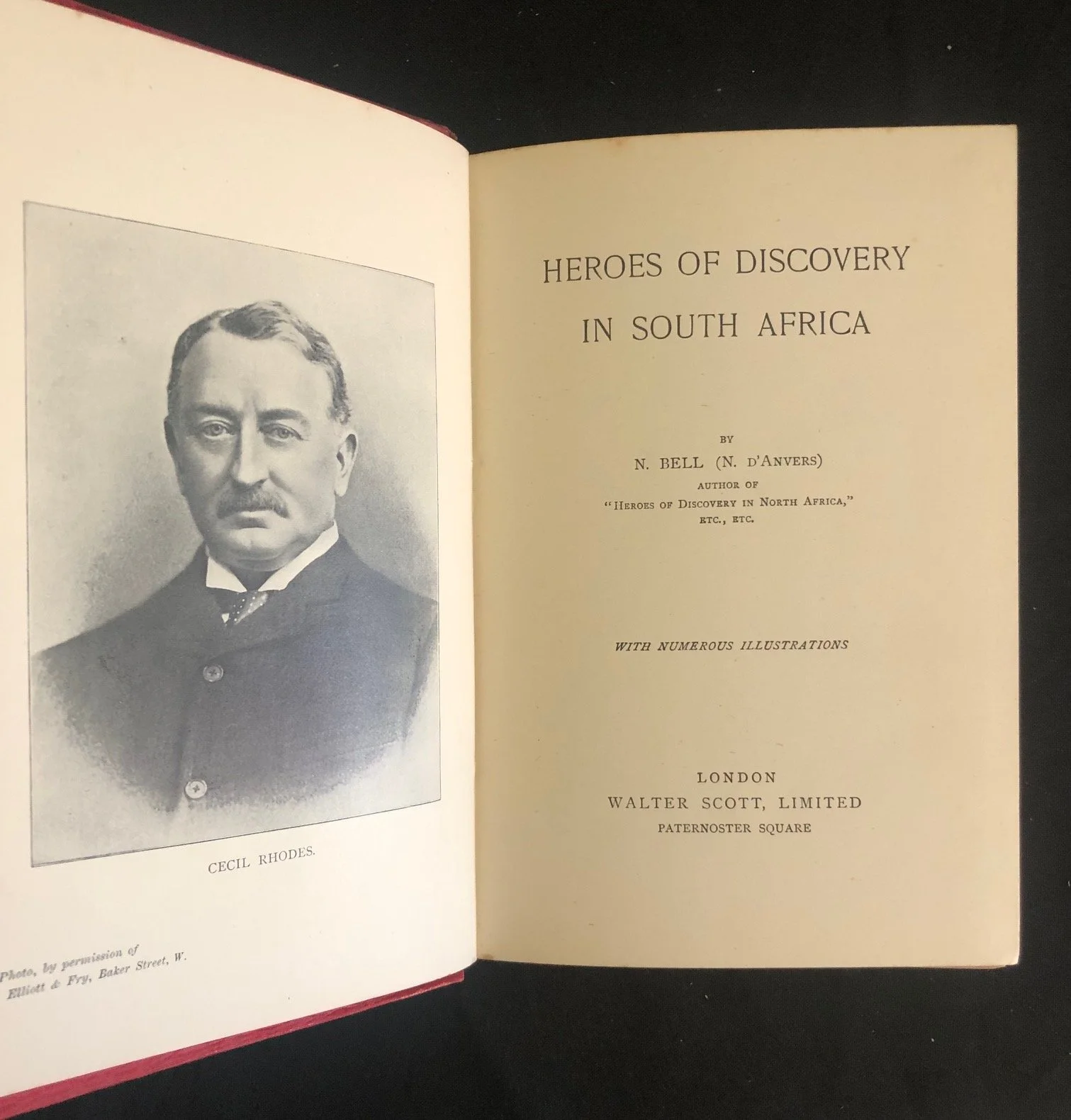
While the title page lists the author as "N. Bell (N. D'Anvers)," this was the pseudonym of Nancy Meugens Bell (circa 1844–1933).
A Disguised Identity: In the 19th and early 20th centuries, it was common for female historians, geographers, and art critics to publish under initials or gender-neutral pseudonyms to gain authority in male-dominated intellectual fields.
A Master Translator: Beyond writing her own popular histories of exploration and massive volumes on art history, Nancy Bell was one of the most vital conduits of foreign travel lore and science into the English-speaking world. She translated major Continental works, ranging from scientific exploration journals of East Africa to the very first authorized English translations of Jules Verne's sci-fi novels (such as Around the World in Eighty Days).
The Frontispiece: Cecil Rhodes as a "Hero of Discovery"
The inclusion of Cecil John Rhodes as the book's frontispiece portrait offers a window into late-Victorian British ideology.
By the time Walter Scott, Limited published this version at their Paternoster Square address (post-1894), the concept of "discovery" in South Africa had pivoted from early geographic cartography and botanical exploration (like that of Burchell or Sparrman) to the geopolitical expansion of the British Empire.
Framing a controversial diamond magnate and active politician like Rhodes as a direct continuation of traditional "heroes of discovery" was a deliberate narrative choice, packaging contemporary imperial expansion and corporate conquest to the public as noble, historic exploration.
The Printing Lineage: The Walter Scott "Reward" System
The publisher, Walter Scott, Limited, was highly influential in changing how literature was distributed in Britain during the late 19th century.
Known for operating out of Newcastle-on-Tyne and London, Walter Scott specialized in mass-marketing high-quality, cloth-bound volumes at affordable prices.
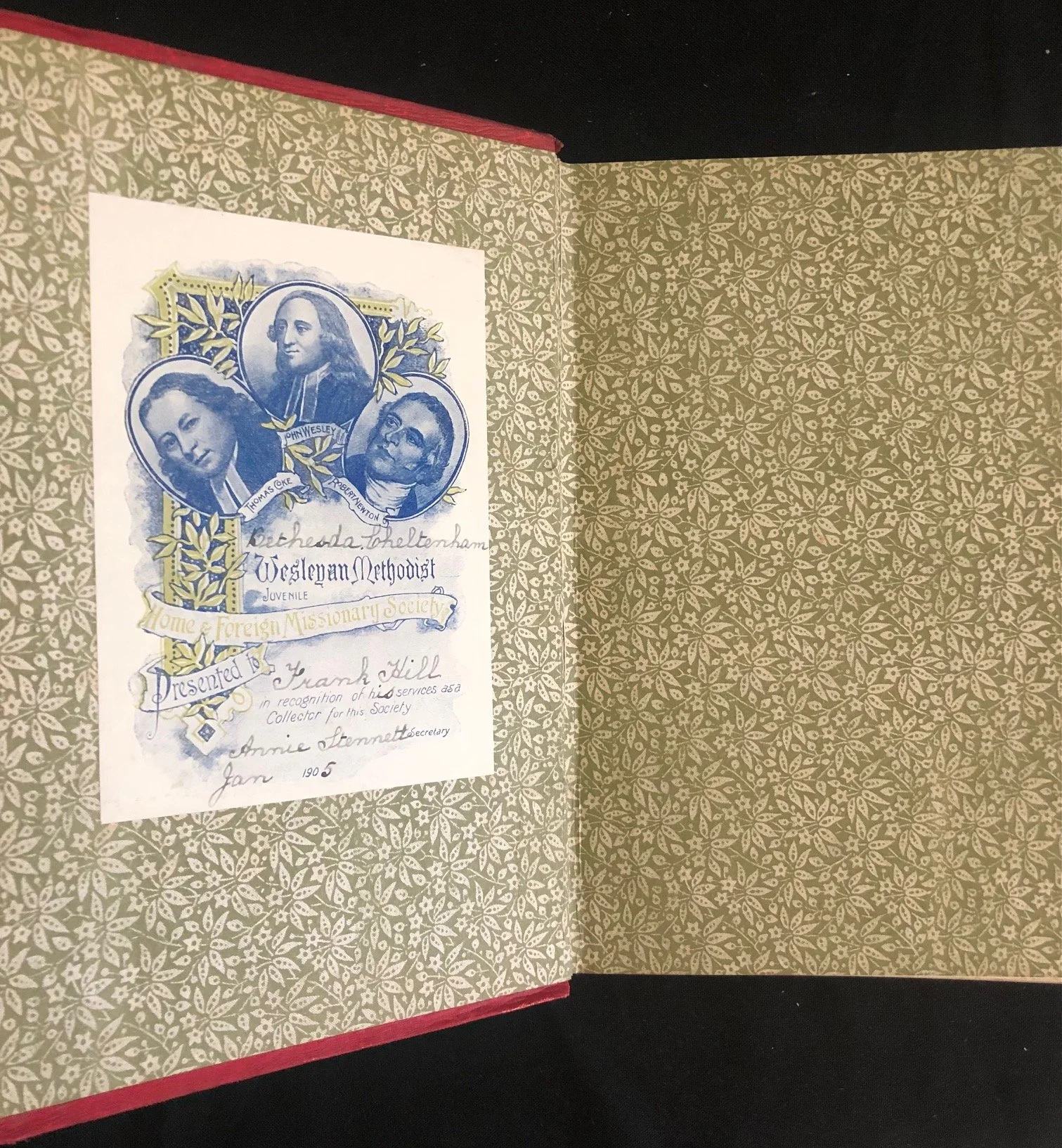
Books like this one were heavily marketed as "Reward Books." They were purchased in bulk by schools, Sunday schools, and civic institutions to be given as prizes for academic excellence or good behaviour among young people. Consequently, an entire generation of British youth formed their baseline understanding of South African history, geography, and politics through these precisely curated, beautifully bound imperial narratives.
210mm x 150mm x 40mm
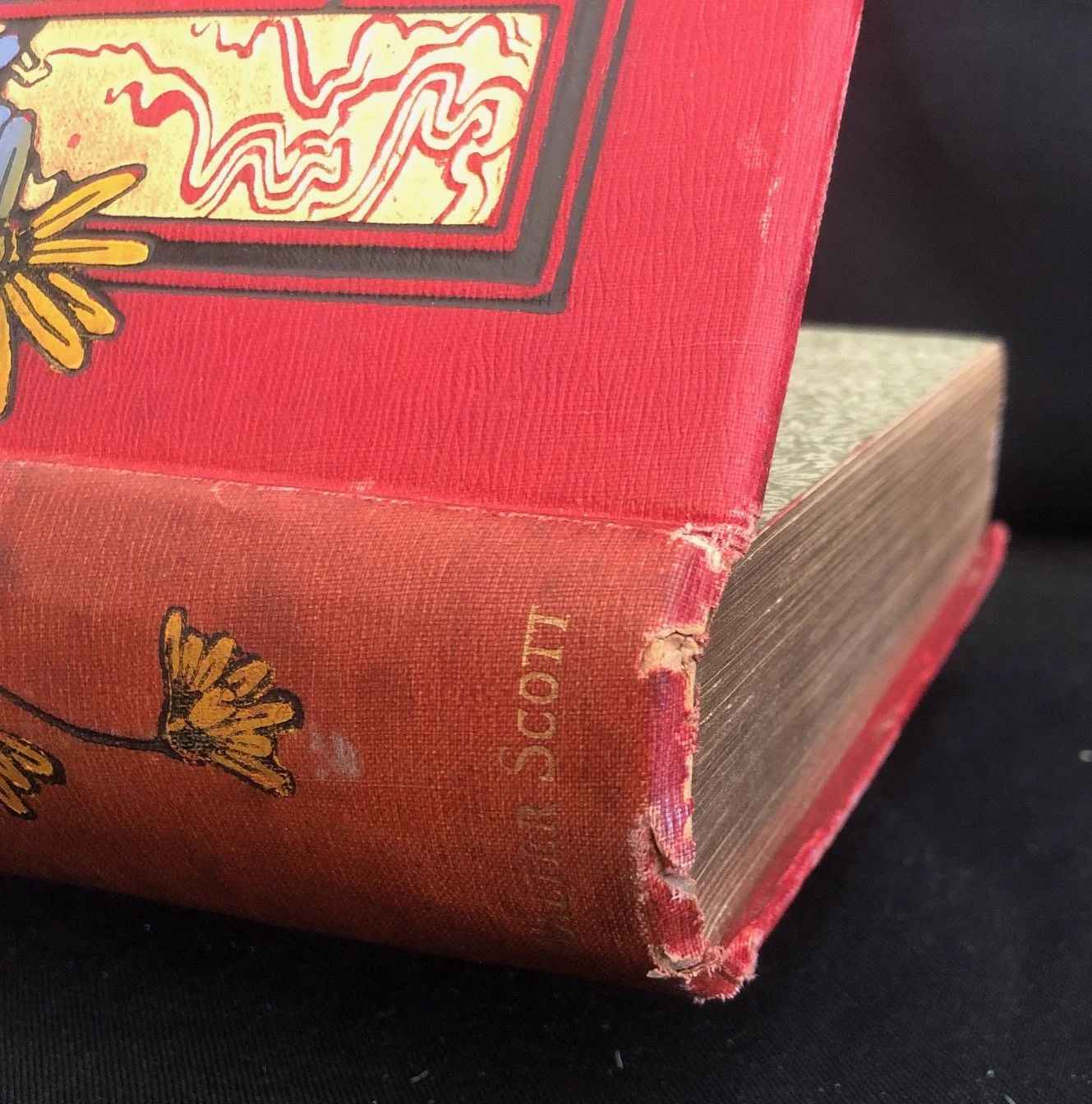
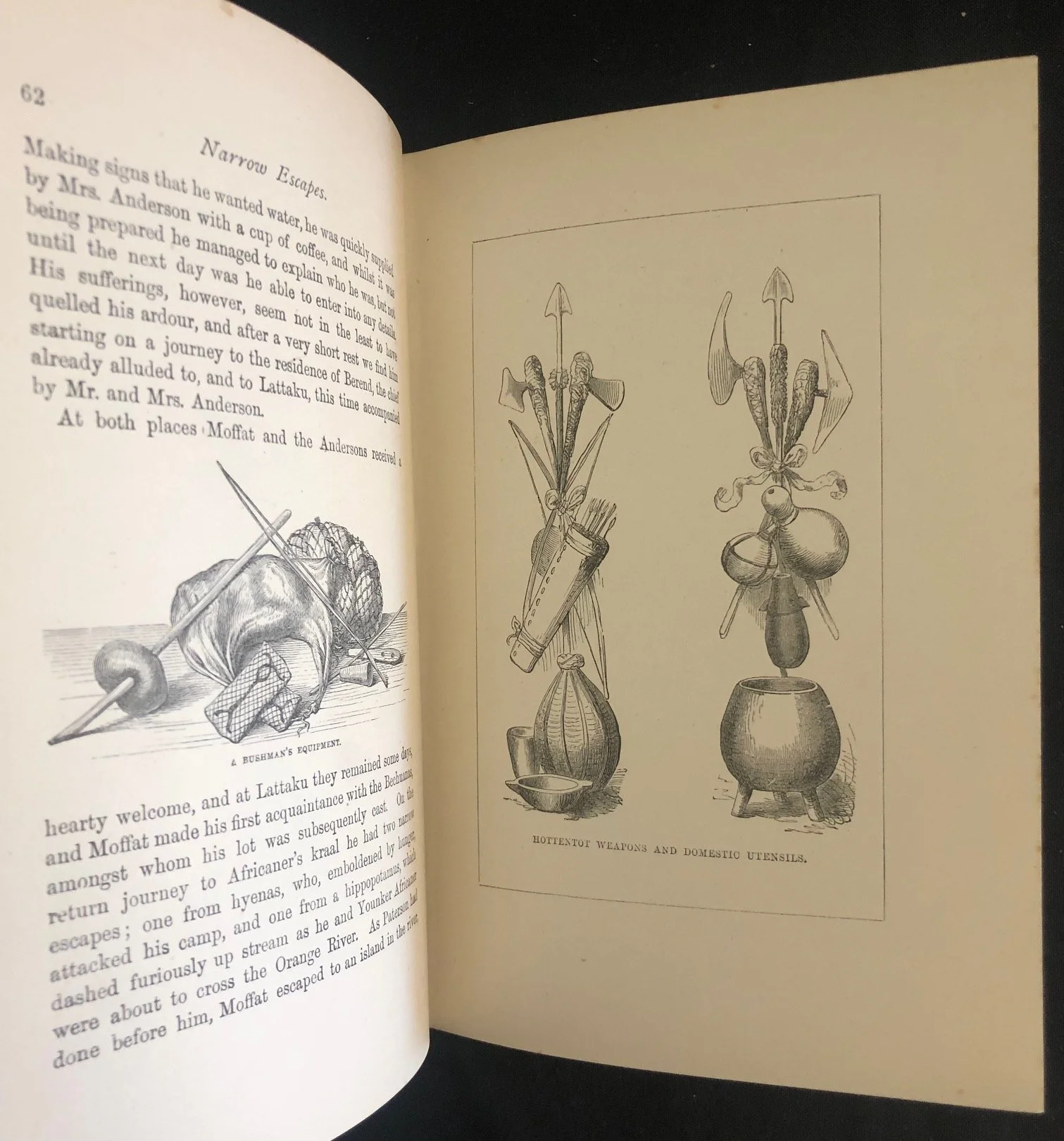
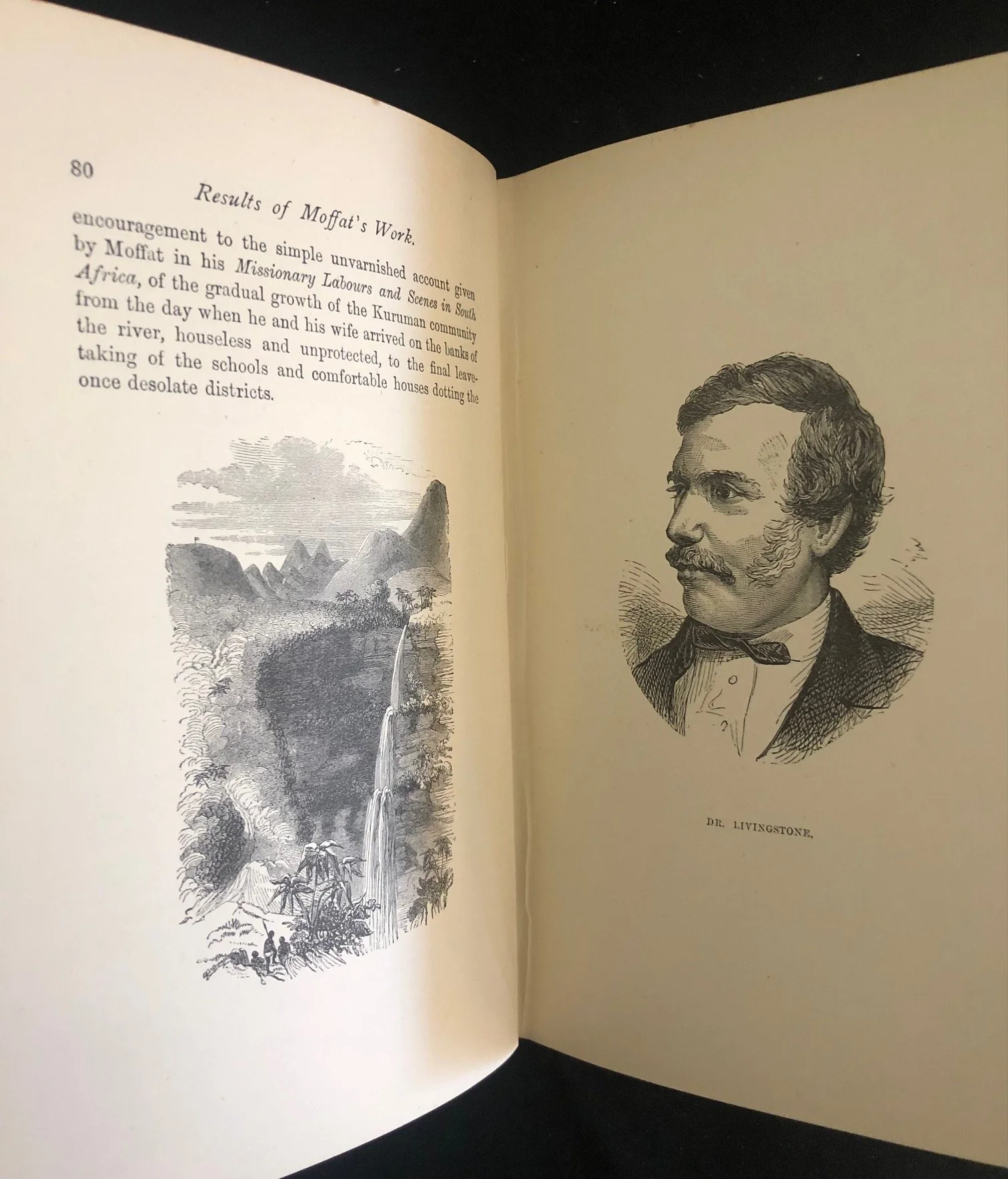
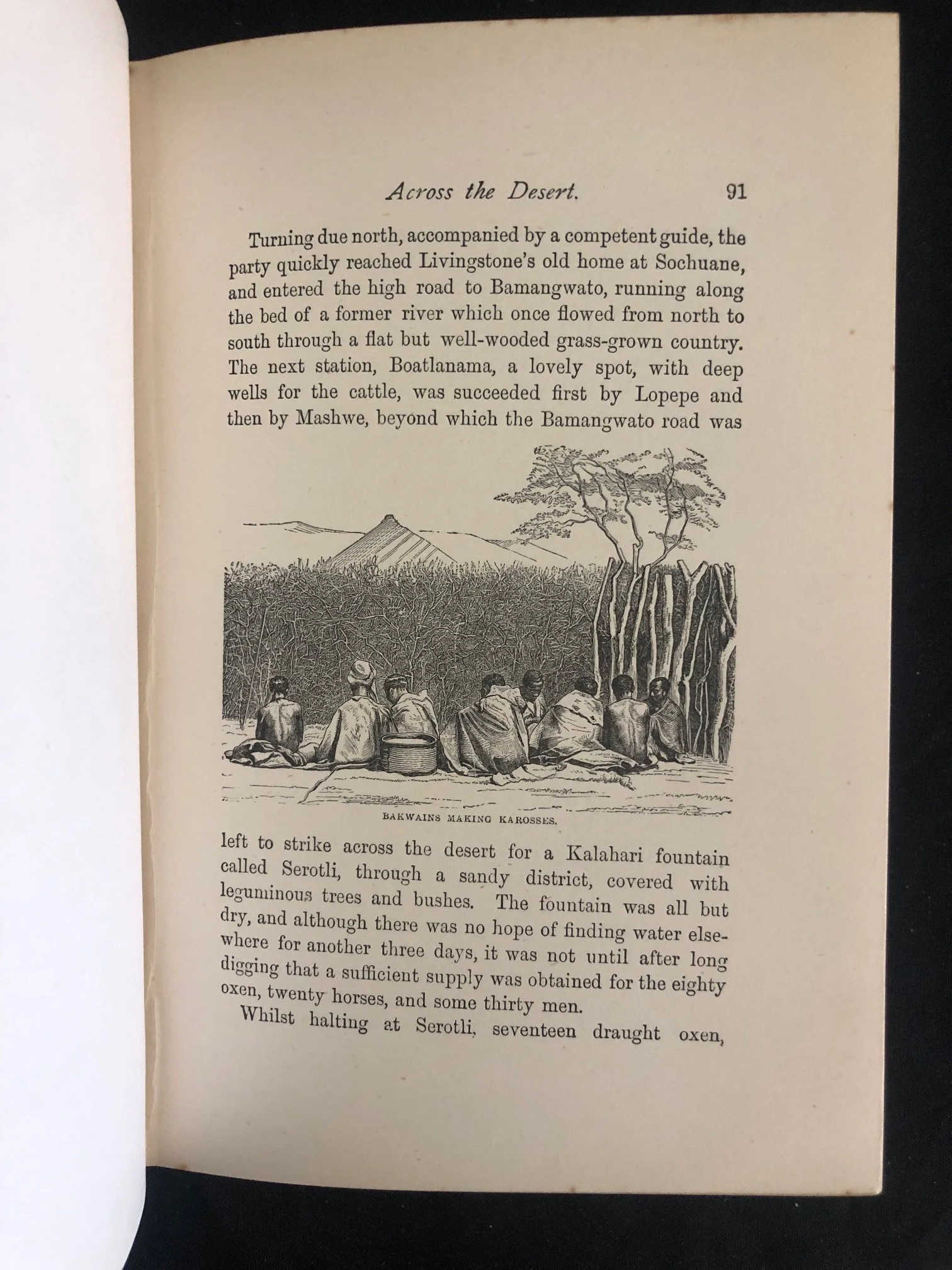
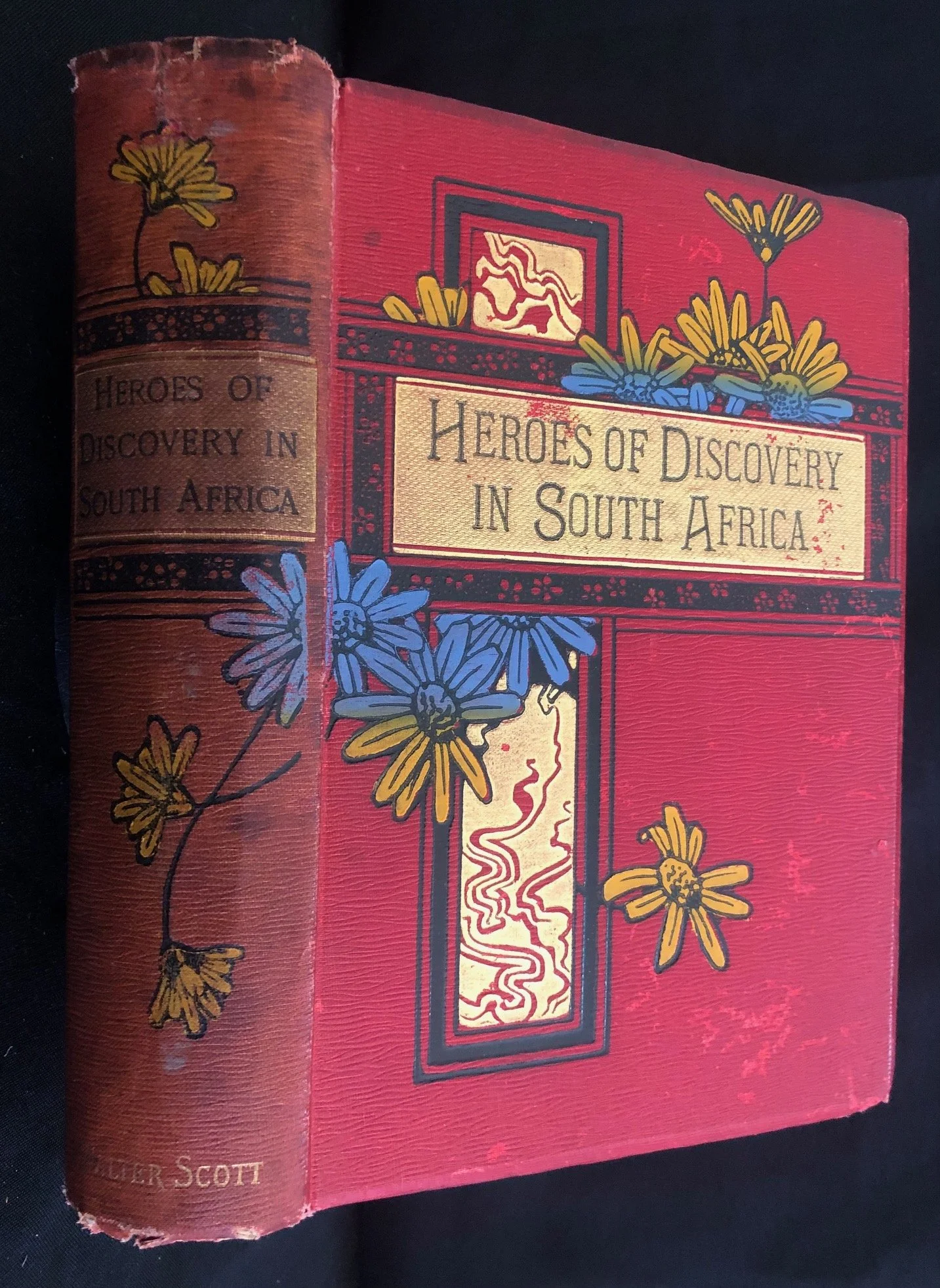
Spine faded and chipped; some fishmothing to the binding. Numerous woodcut illustrations.
R1,000