Apartheid era, South African Travel Document (1988)
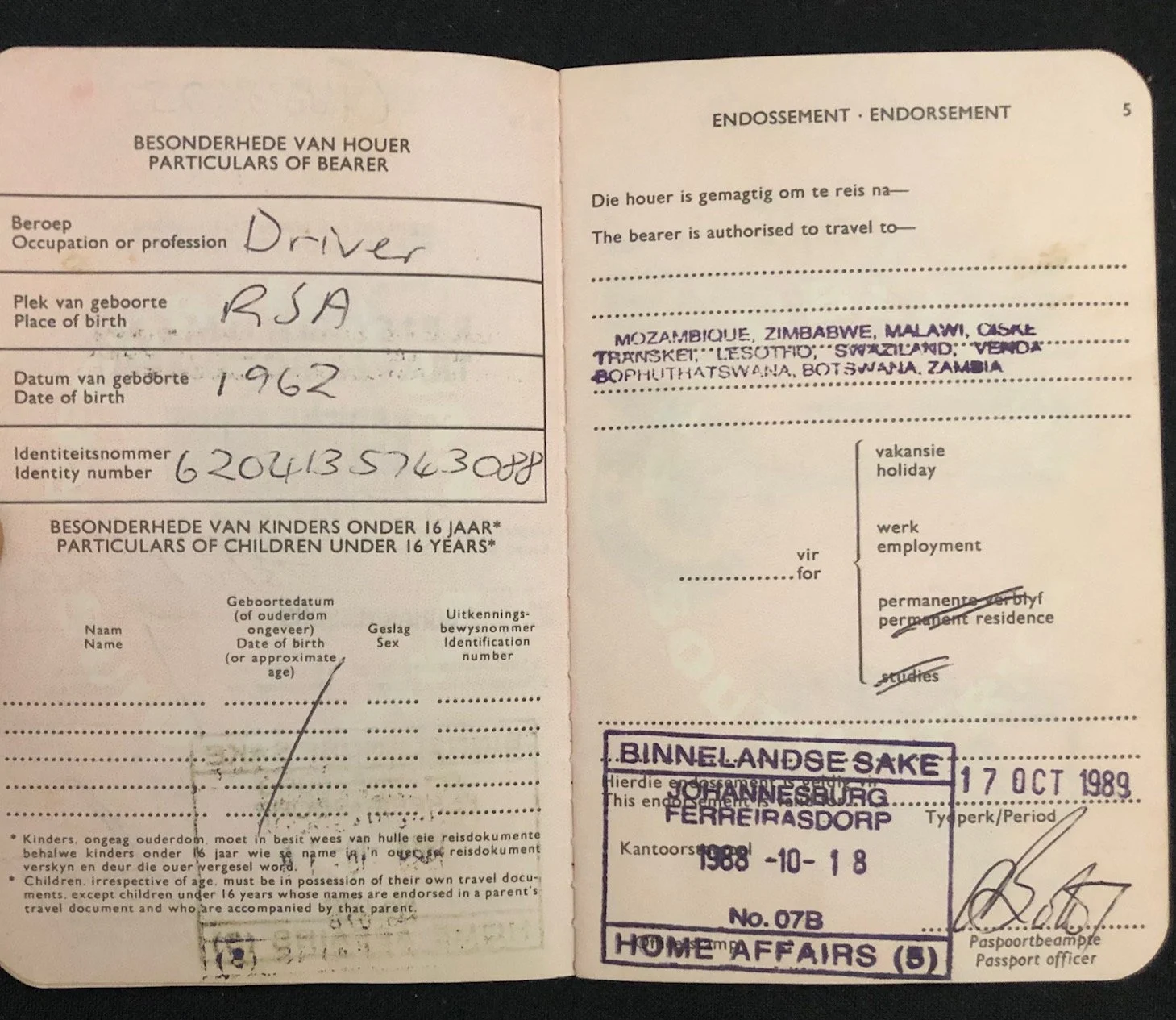
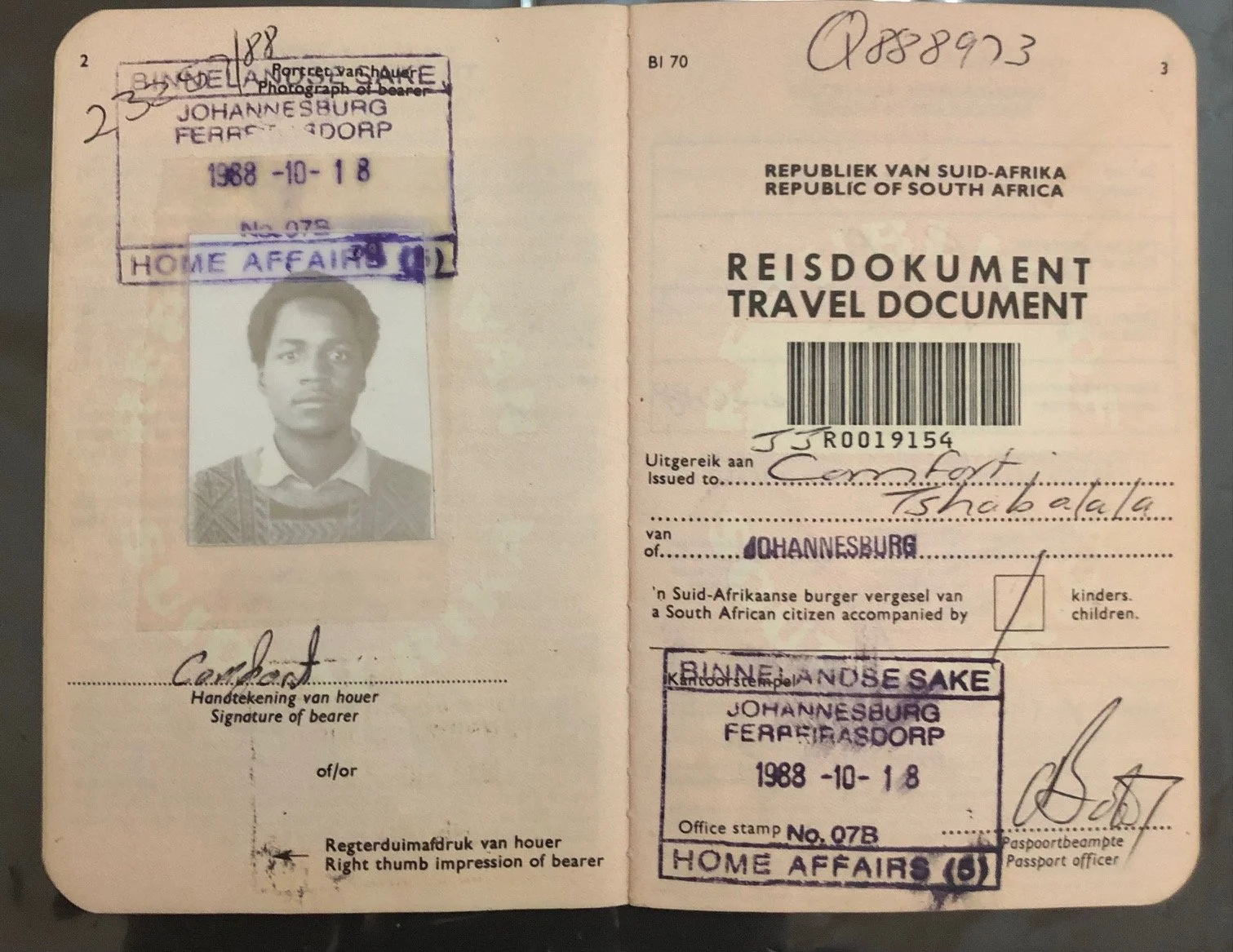
What makes this document historically compelling is that it captures the bureaucratic apparatus of late-Apartheid South Africa in transition—specifically issued on October 18, 1988, to Comfort Tshabalala by the Department of Home Affairs (Binnelandse Sake) in Ferreirasdorp, Johannesburg.
Here are a few key historical nuances embedded in this document:
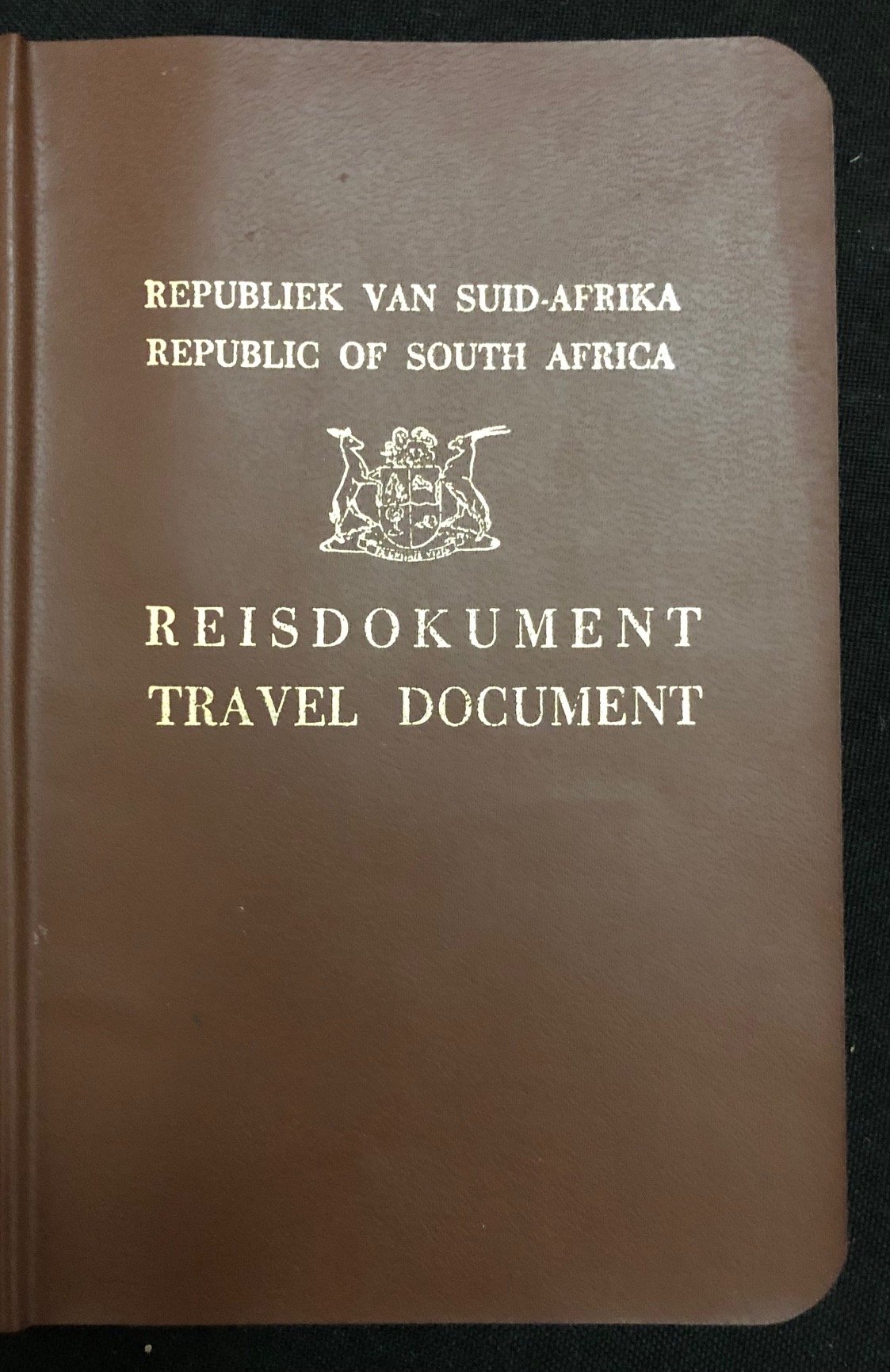
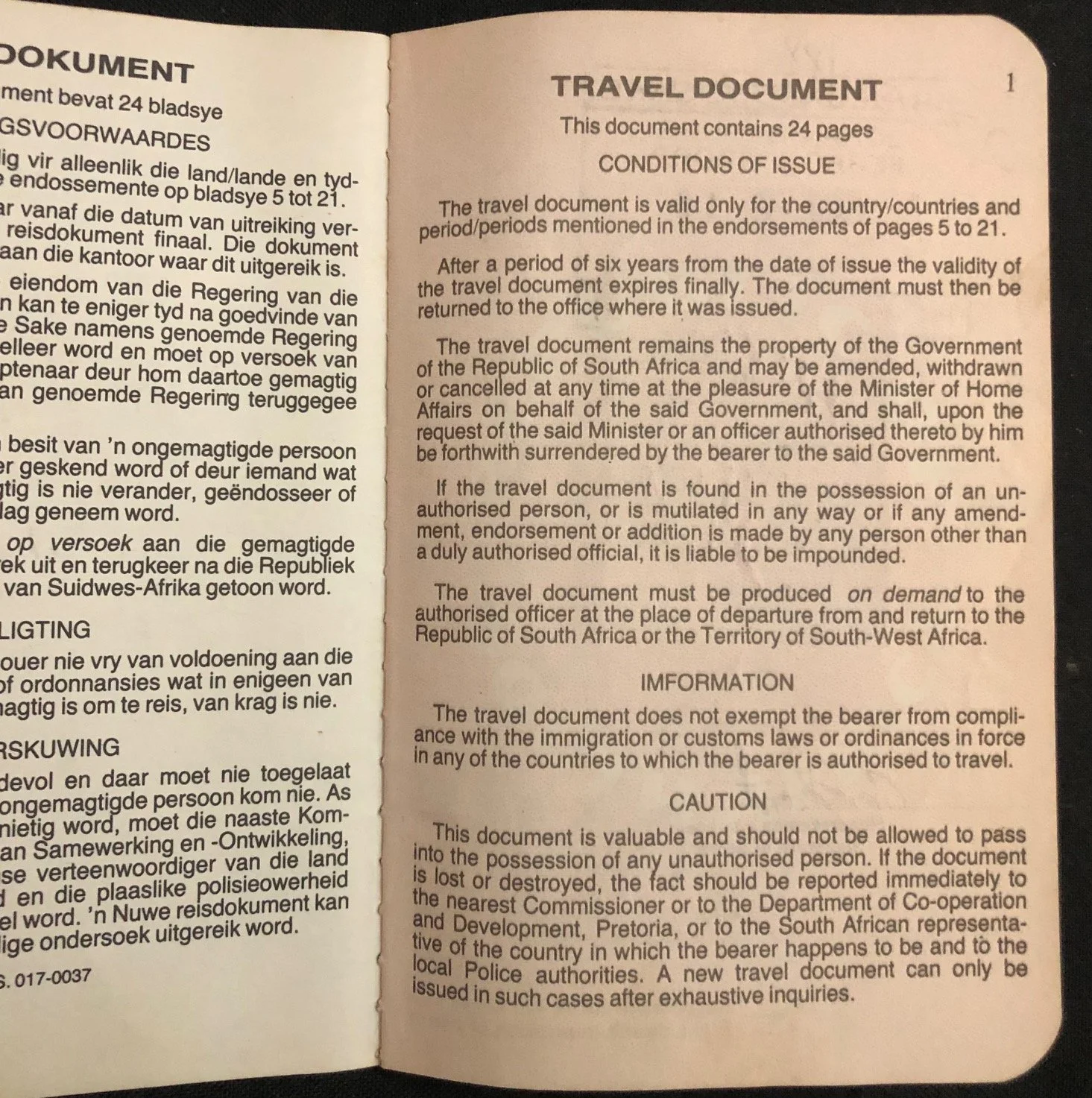
The Shift Away from the Infamous Passbook: Under the Abolition of Passes and Co-ordination of Documents Act of 1952, Black South Africans were legally required to carry a Dompas (Passbook) at all times to restrict movement within "white" urban areas. However, following immense internal resistance, labour strikes, and international sanctions, the Apartheid government repealed the Pass Laws in 1986. This document, designated BI 70 / Travel Document (Reisdokument), reflects the post-1986 period where passbooks were phased out in favor of standardized identity and travel documentation, though administrative control over Black mobility remained tightly managed.
Ferreirasdorp Bureaucracy: The stamp from Ferreirasdorp, Johannesburg is significant. Ferreirasdorp is the oldest part of Johannesburg (where mining camps first sprang up in 1886) and became a central administrative hub for urban native administration and civil registration under Home Affairs.
Bilingual Standard (Afrikaans & English): The form heavily emphasizes official bilingualism (Reisdokument / Travel Document, Binnelandse Sake / Home Affairs), reflecting the State's official languages at the time, while omitting the native African languages spoken by the vast majority of the population.
Fingerprint Requirement: Notice the field labeled "Regterduimafdruk van houer / Right thumb impression of bearer" at the bottom left. While standard passports relied on signatures, official identity and travel documents issued to Black South Africans historically required biometric thumbprints, a lingering practice of police and administrative tracking.
Documents like this BI 70 serve as tangible artifacts from the final decade of Apartheid, recording how the state’s massive identity system was maintained right up until the unbanning of liberation movements and the transition to democracy in the early 1990s.
90mm x 140mm
Used.
Sold Aug ‘26