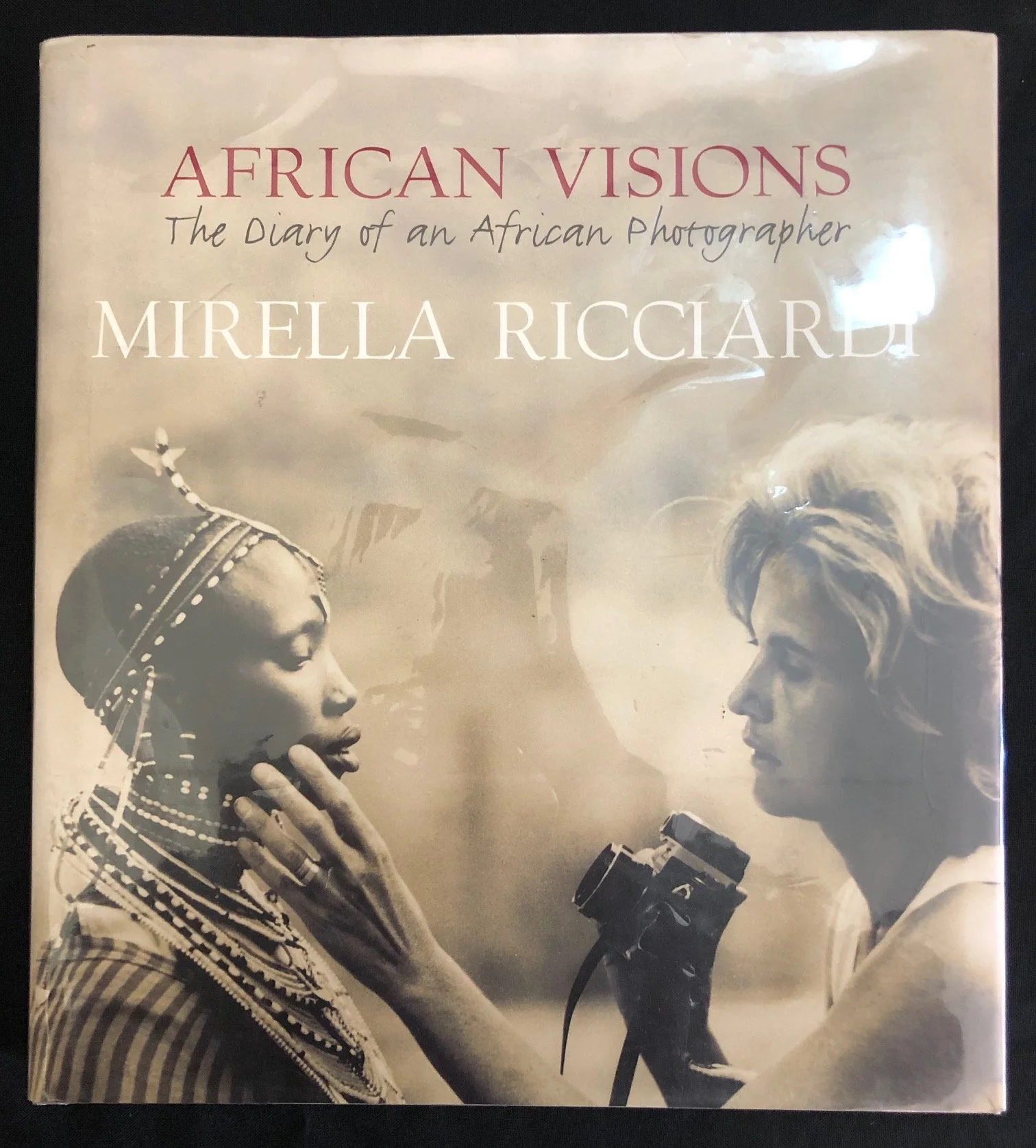
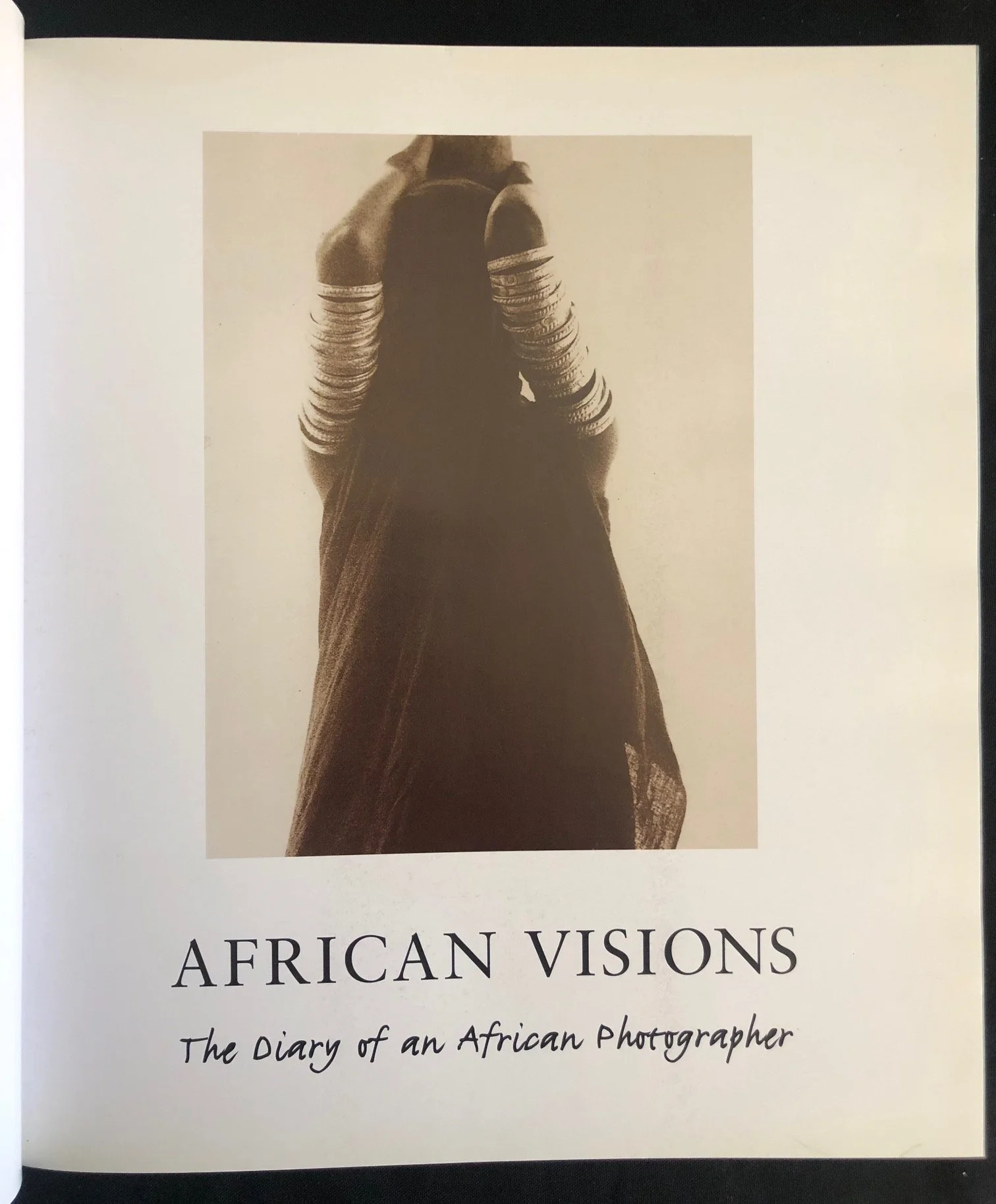
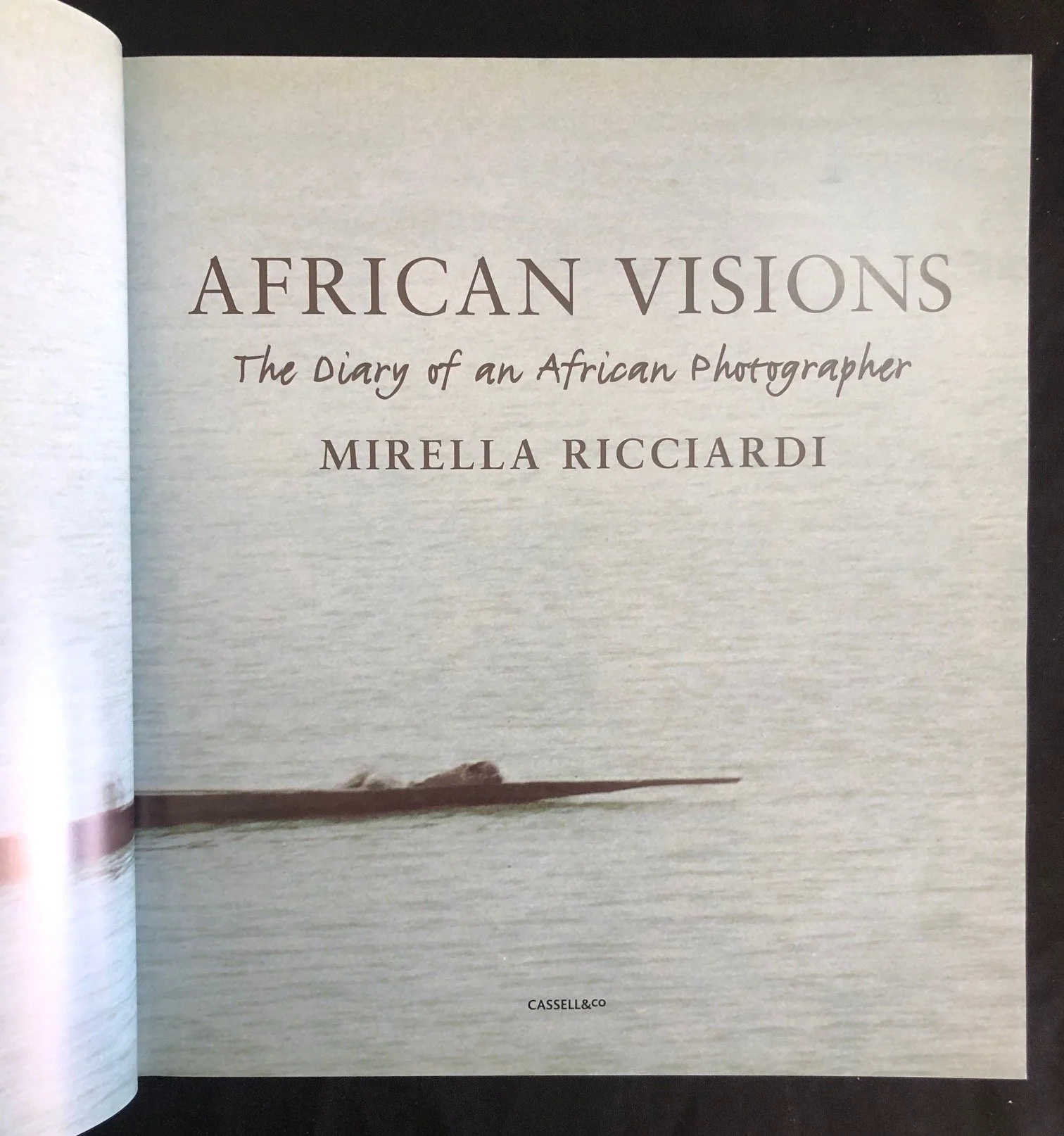
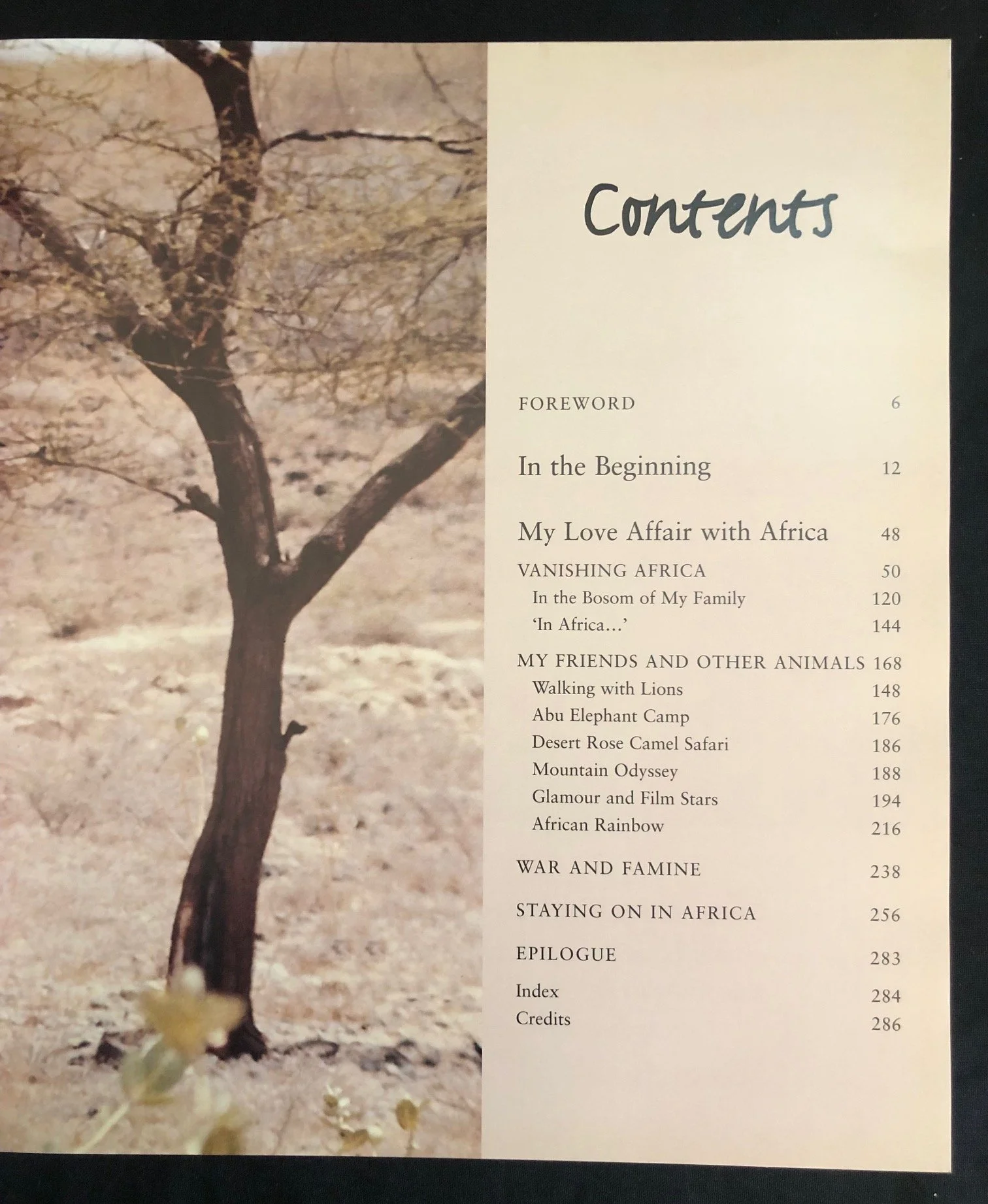
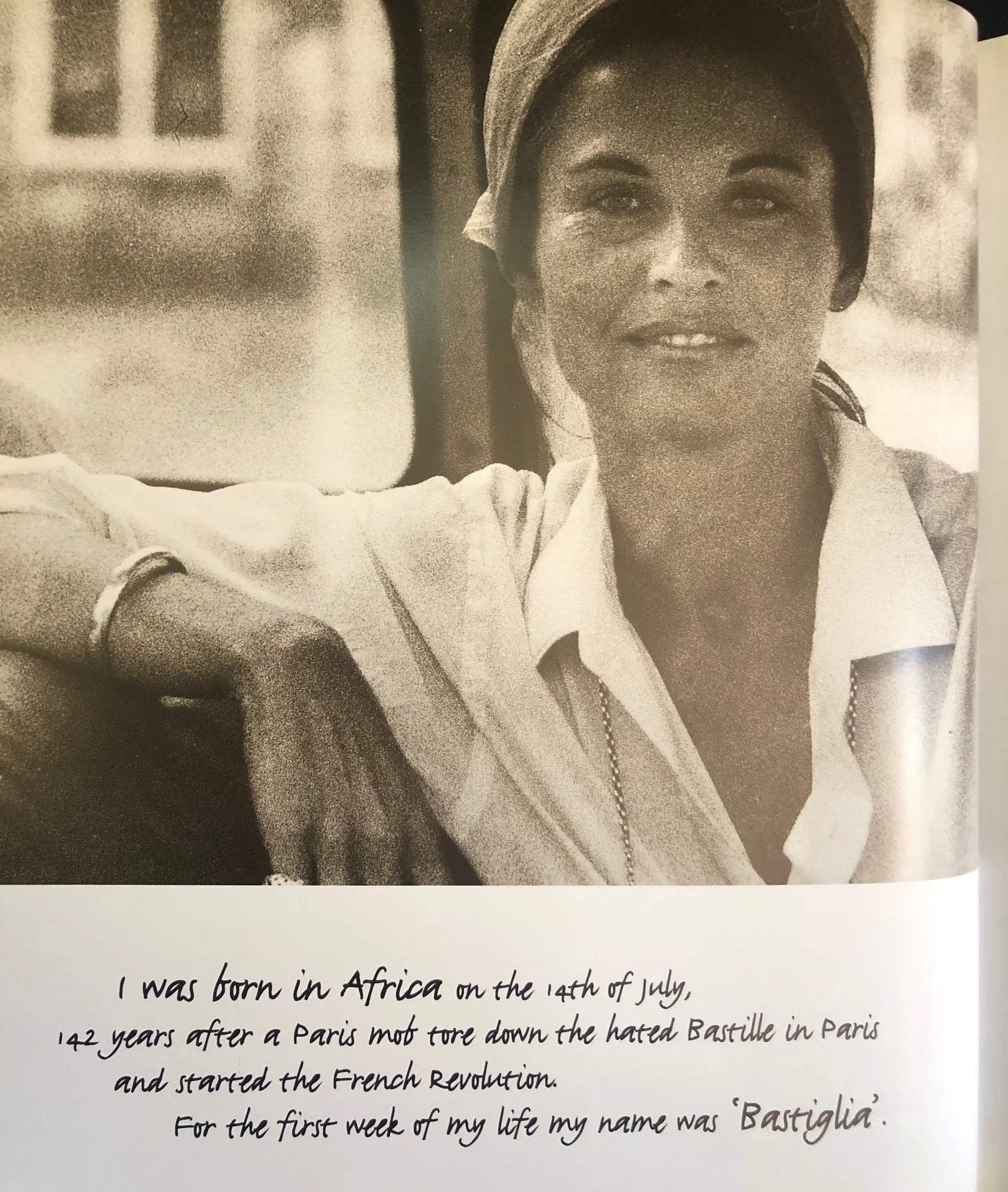
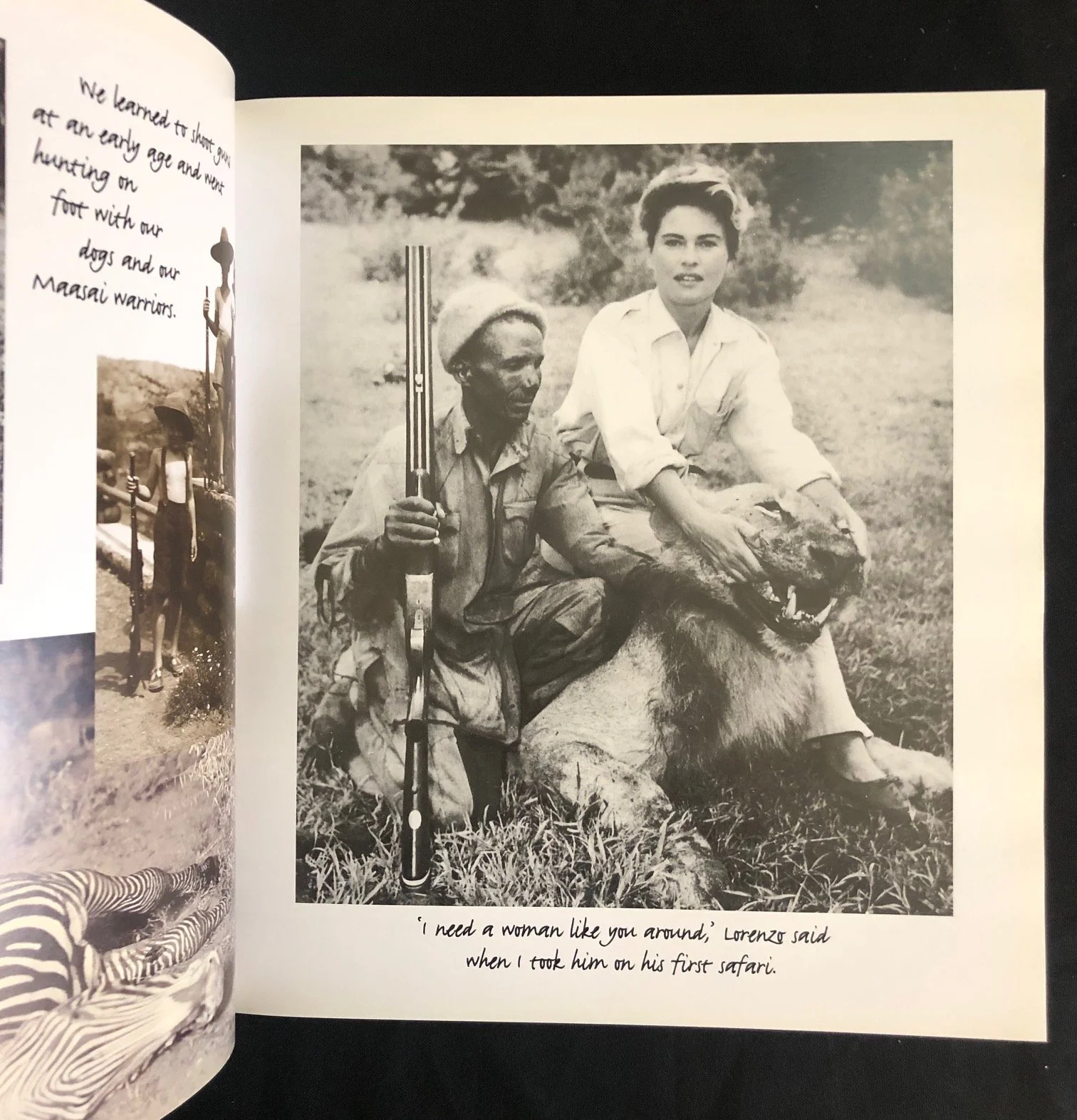
African Visions: The Diary of an African Photographer Mirella Ricciardi (2000)
First edition.
Retrospective capstone to the extraordinary life and career of Mirella Ricciardi.
Born in 1931 in colonial Kenya to an Italian adventurer father and a French artist mother (who was the daughter of Philippe Bunau-Varilla, the engineer who famously oversaw the building of the Panama Canal), Ricciardi grew up in a palatial home on the shores of Lake Naivasha. Her upbringing perfectly mirrored the contradictions of a fading British Empire, deeply elegant yet surrounded by untamed wilderness. This unique, privileged vantage point allowed her an unparalleled level of access to East African ecosystems and communities.
The Legacy of Vanishing Africa
While African Visions is a deeply personal, diary-style reminiscence spanning decades, Ricciardi is most famous in photographic history for her ground breaking 1971 masterpiece, Vanishing Africa.
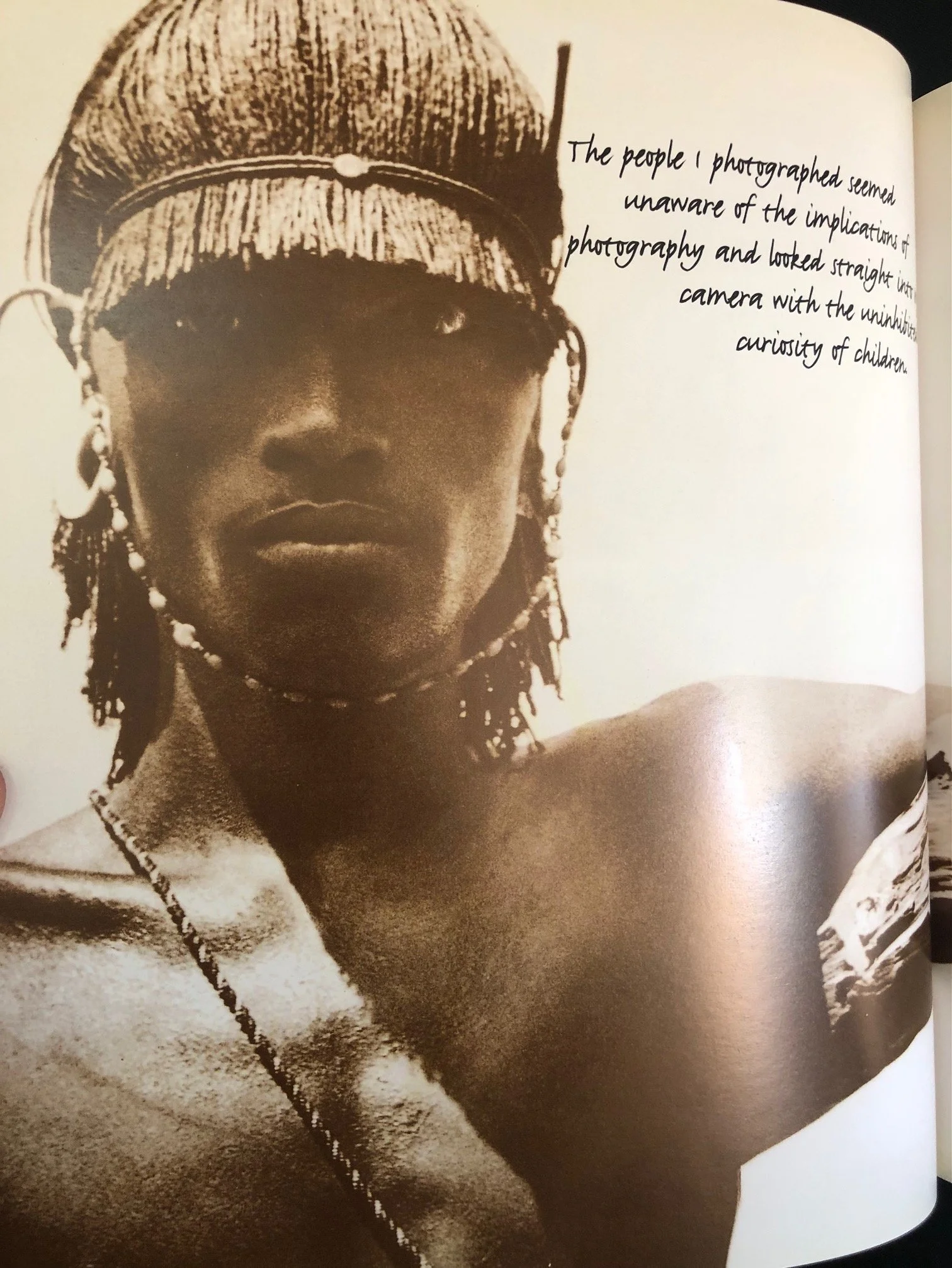
The Inspiration: Inspired by her close friend Peter Beard (author of The End of the Game), she set out to document the Maasai, Turkana, Samburu, and Rendille peoples before modern globalization permanently altered their traditional ways of life.
The Method: Traveling alone with her camera across remote corners of Kenya, she captured striking, visceral black-and-white portraits that treated tribal warriors and brides not as exotic oddities, but with an intimate, familial nobility.
A Complex Historiographical Lens
The photograph on the cover is highly symbolic: it captures Ricciardi herself, camera in hand, in a tender, face-to-face encounter with an East African woman. Today, her body of work occupies a complex space in historical and cultural critique. While celebrated for its immense aesthetic power, emotional sincerity, and status as a vital historical record, contemporary historians and art critics also view her work as a quintessential example of the "colonial gaze" capturing a romanticized, elegiac "lost Eden" just as the colonial era was crumbling.
It's a beautiful, heavy piece of photographic history; an elegant look back at an Africa that, for better or worse, was already slipping away when she caught it on film.
270mm x 300mm
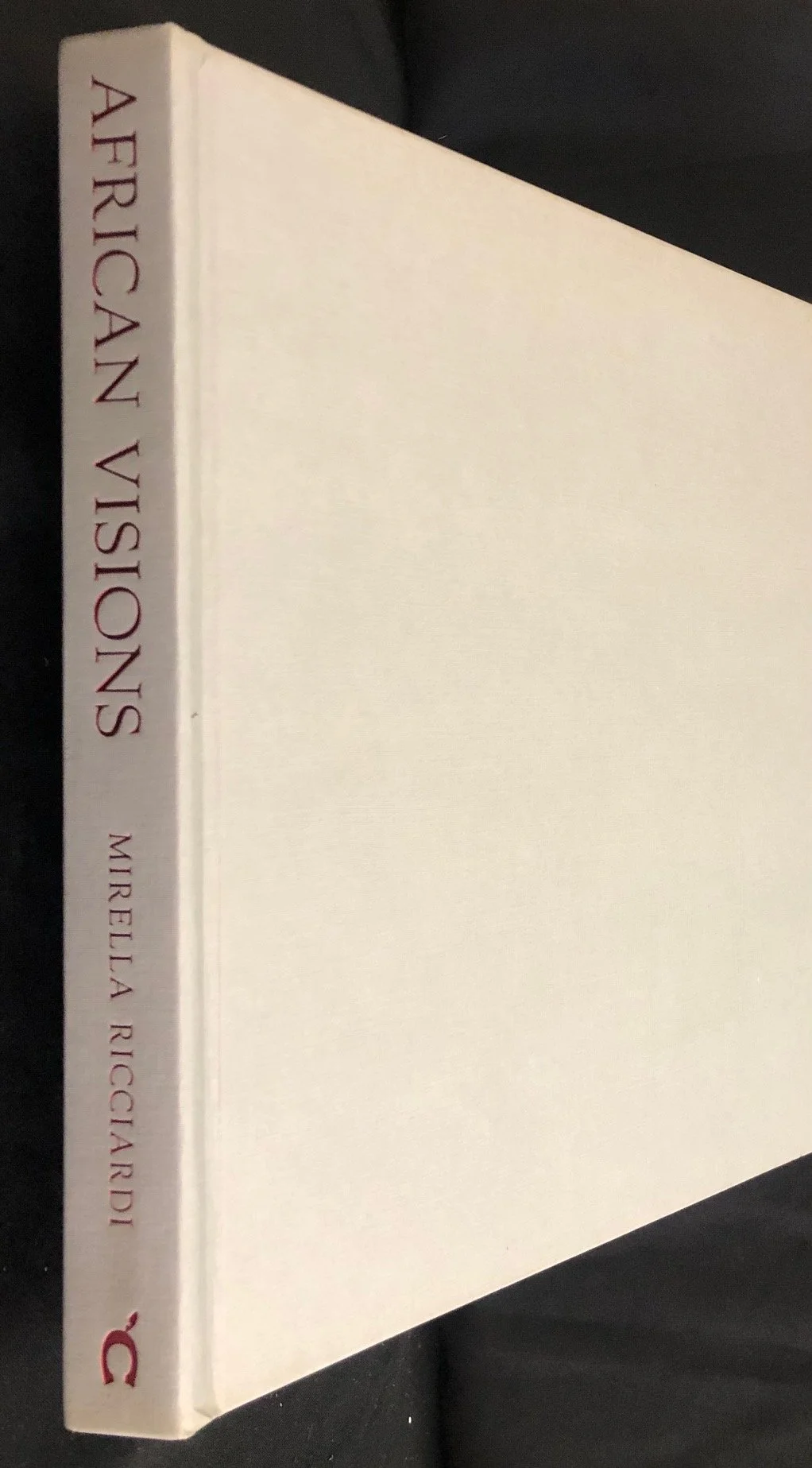
Very small tears to the edge of the dust jacket; minor wear to the boards; tiny blue spots on the bottom edge.
R1,000