Thornton's Herbal (1814)
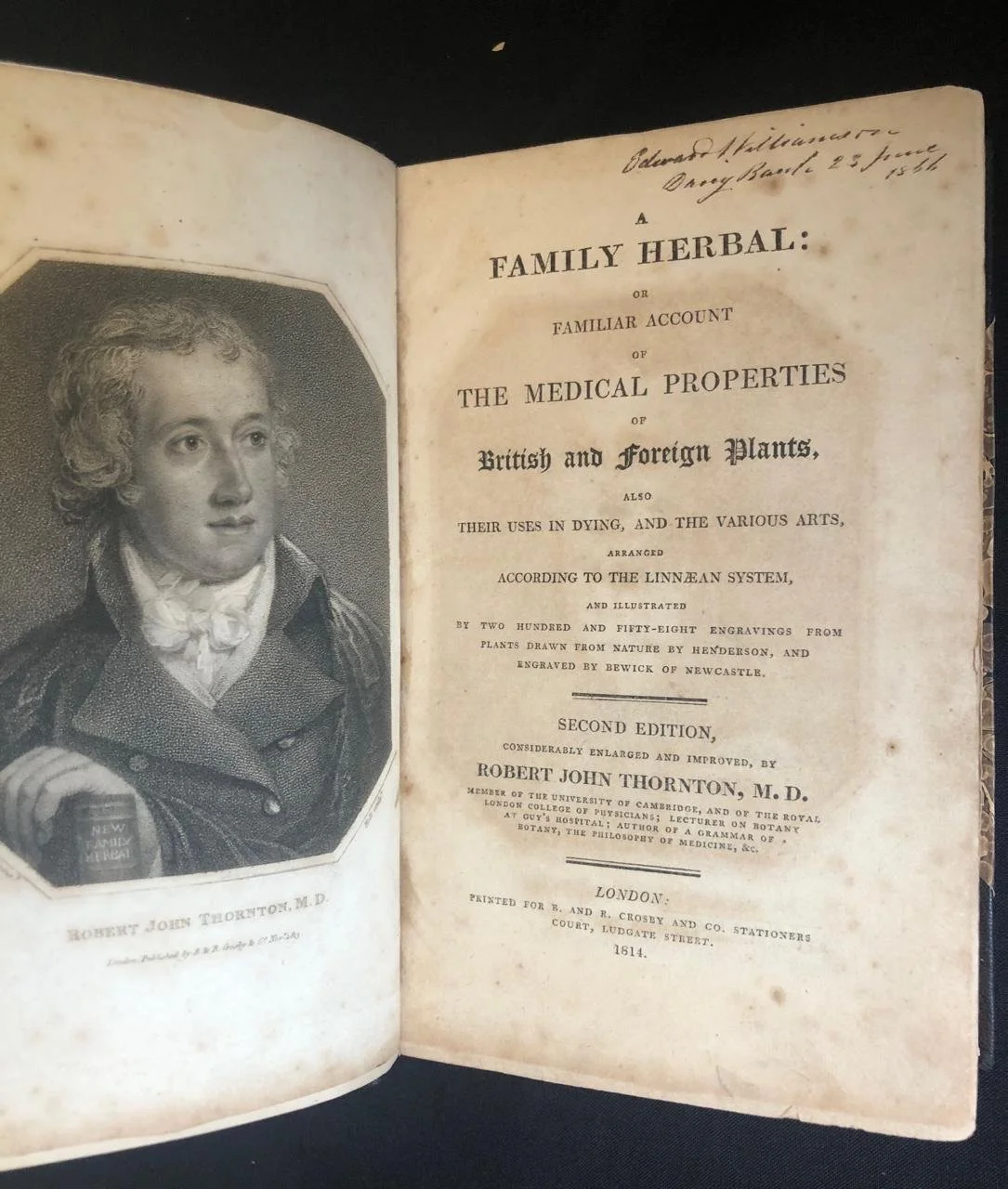
A Family Herbal or Familiar Account of The Medical Properties of British and Foreign Plants, also their use in dying, and the various arts, arranged according to the Linnaean System.
By Robert John Thornton M.D.
Member of the University of Cambridge and the Royal London College of Physicians; Lecturer on Botany at Guy’s Hospital; Author of a Grammar of Botany, The Philosophy of Medicine.
This book is the 1814 second edition (and better edition) of A Family Herbal, written by the English physician and botanical writer Dr. Robert John Thornton.
The Master Engraver: Thomas Bewick
The title page prominently notes that the work was "Engraved by Bewick of Newcastle." This refers to Thomas Bewick (1753–1828), who is widely celebrated as the father of modern wood engraving.
The Technique: Before Bewick, woodcuts were carved with the grain on soft wood, which wore out quickly and lacked fine detail. Bewick revolutionized the printing industry by using a metal-engraving tool (a graver) on the end-grain of hard boxwood.
The Impact: This technique allowed for unprecedentedly fine, expressive detail and created incredibly durable blocks. These blocks could withstand thousands of impressions alongside moveable metal type, vastly lowering the production cost of richly illustrated books and making high-quality nature illustrations accessible to a broader audience.
The Author's Ruin and Resilience
While A Family Herbal was structured as a practical, accessible household reference book organized under the Linnaean system, Dr. Thornton’s life story is a dramatic tale of scientific obsession:
The Great Obsession: Thornton inherited a massive family fortune, which he completely spent on creating a legendary, ultra-luxurious folio titled The Temple of Flora (1799–1807). He hired the finest artists and copper-plate engravers in Europe to prove that British craftsmanship could outperform the rest of the world.
The Financial Collapse: Due to the economic strains of the Napoleonic Wars and a lack of public interest, the massive project failed financially, leaving Thornton completely bankrupt.
The Pivot: To save himself from destitution, he had to secure a private Act of Parliament to hold a public lottery using his original botanical paintings as prizes. When even that failed to recover his fortune, he spent his remaining years furiously writing more practical, commercially viable works—such as this Family Herbal—to keep his family afloat, though he unfortunately still died in poverty.
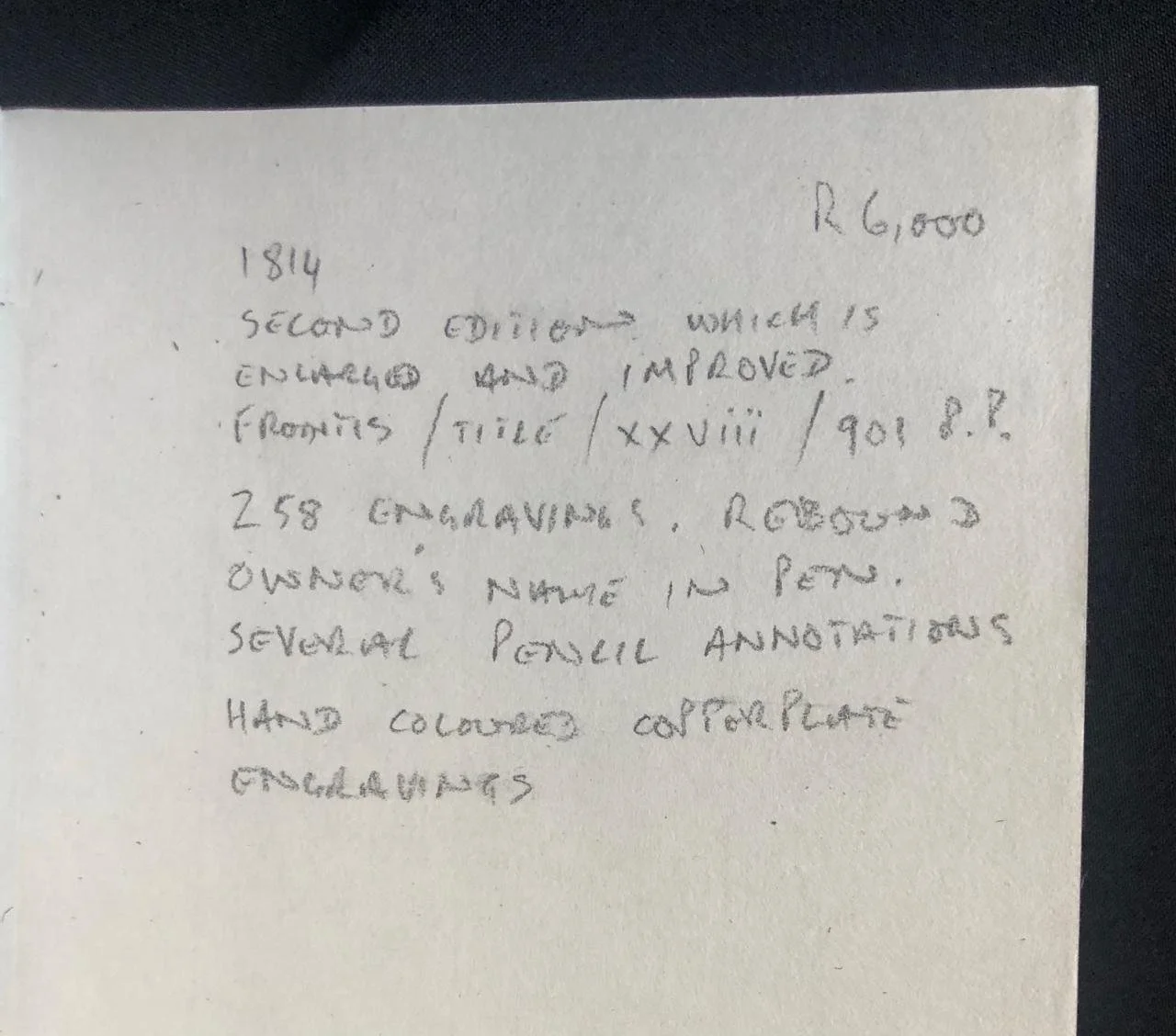
Second Edition (enlarged and improved).
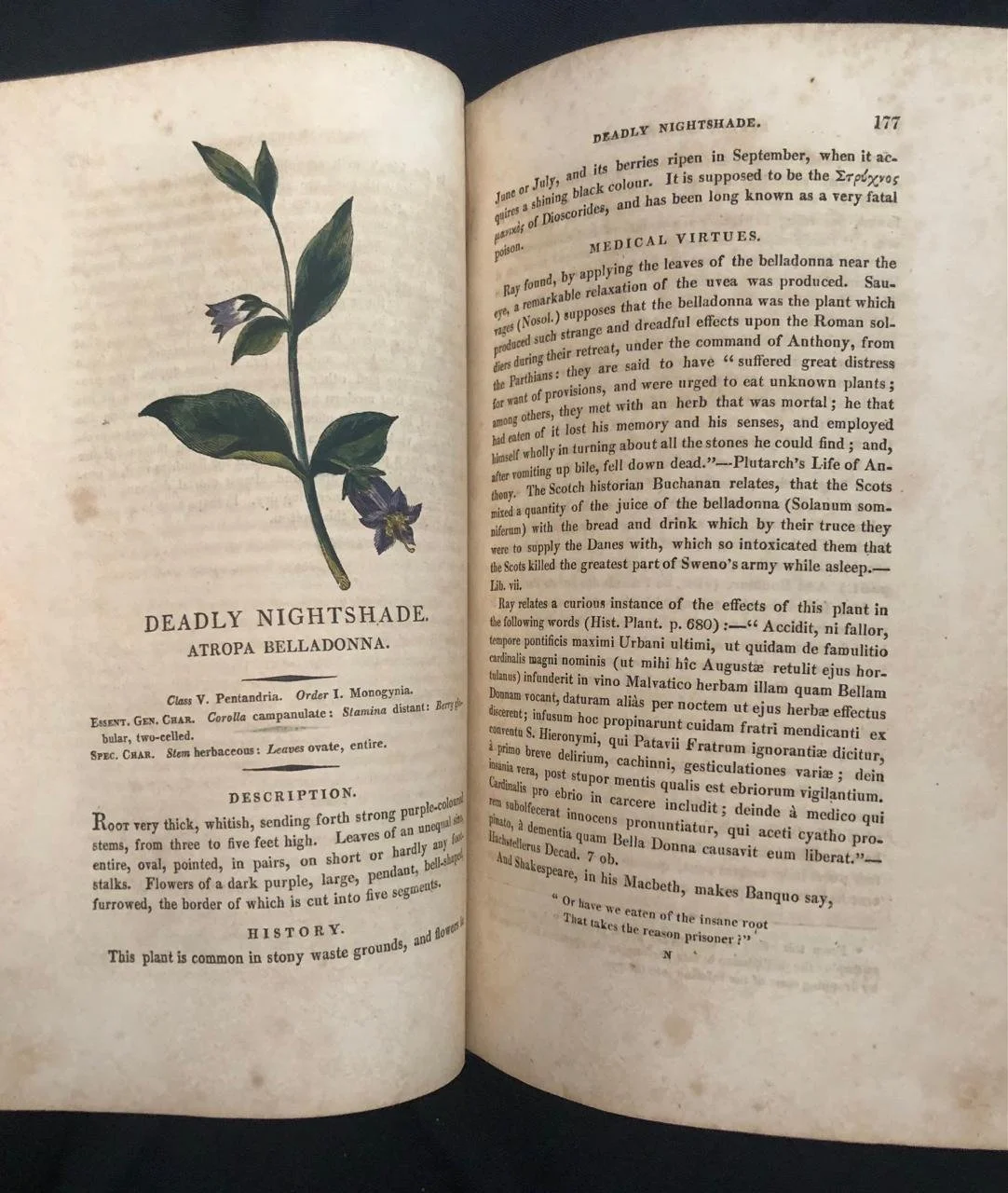
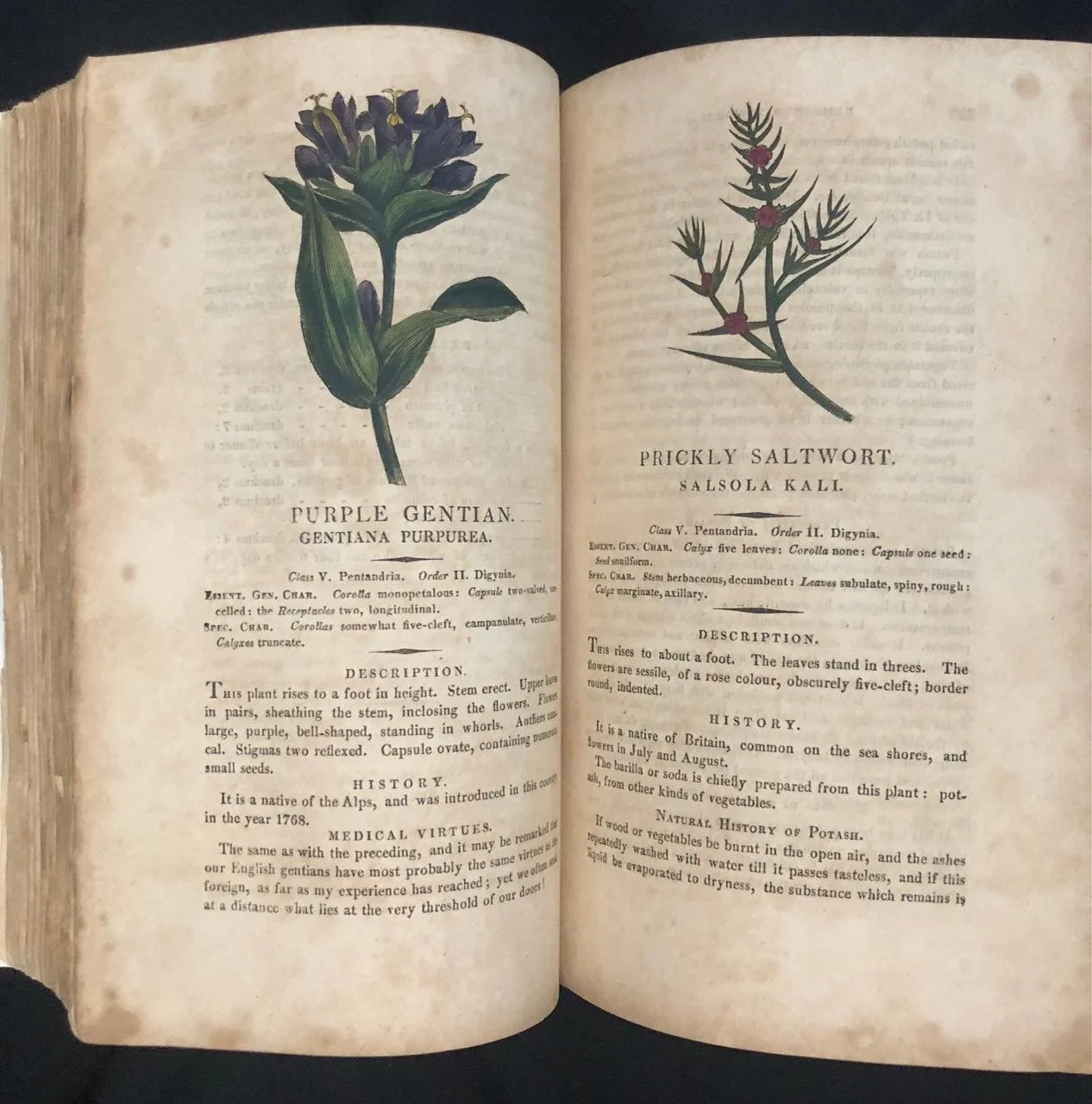
258 hand coloured copperplate engravings.
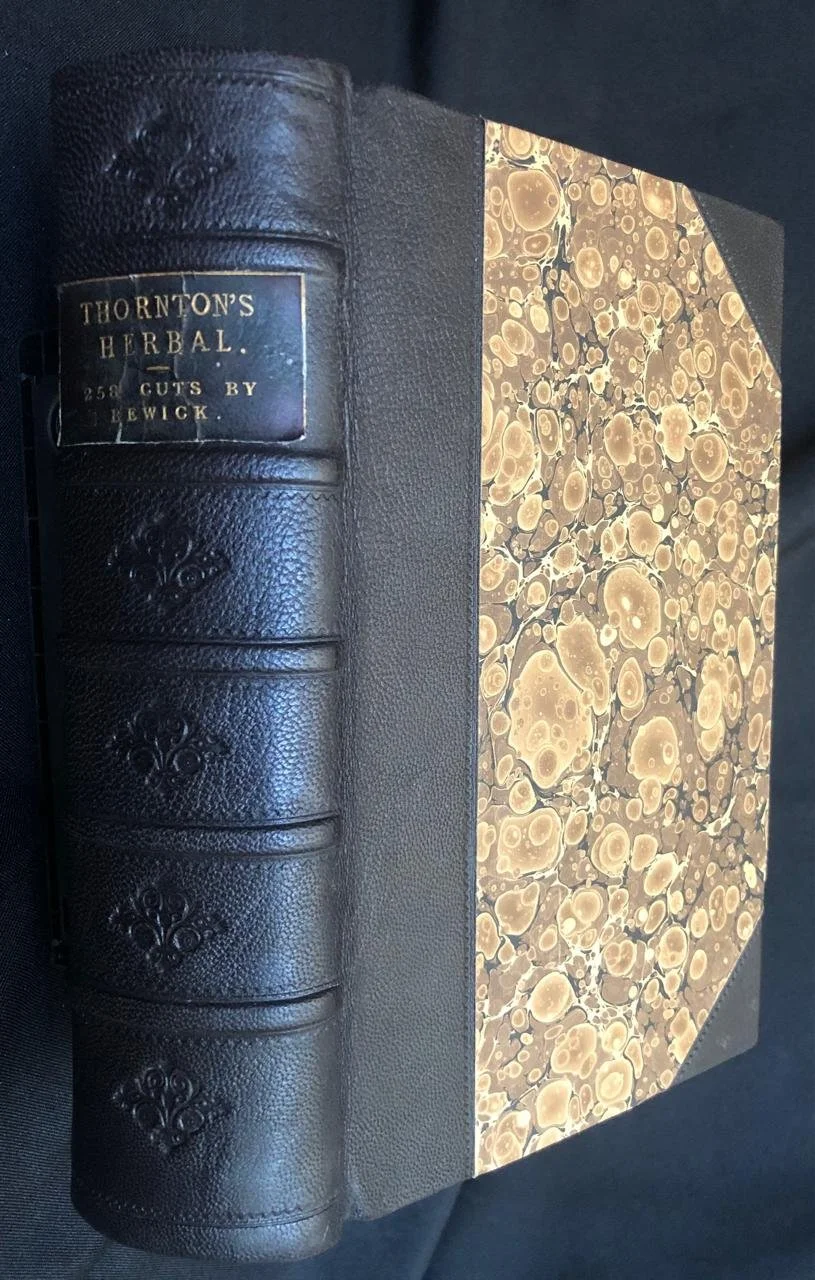
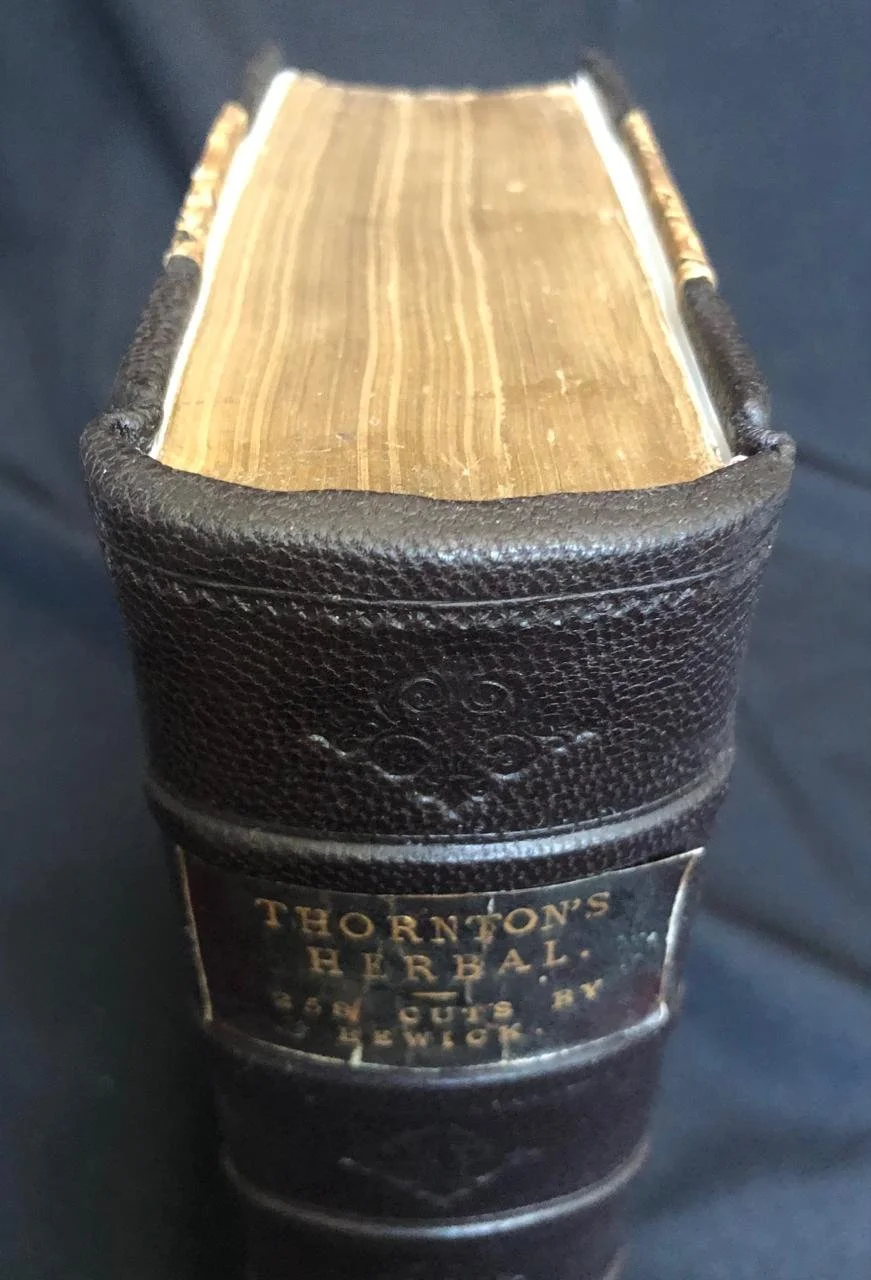
Rebound.
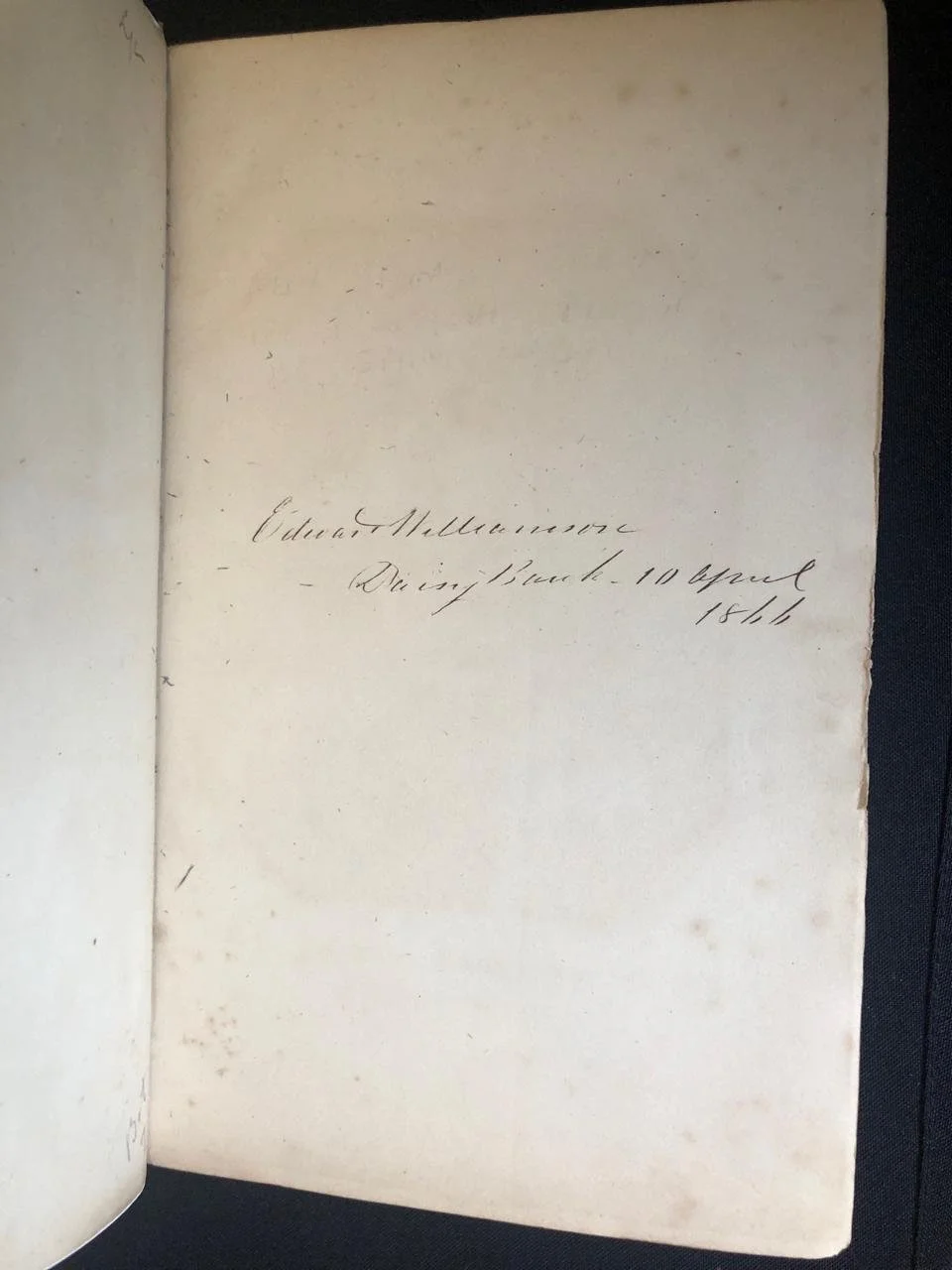
Owner’s name in pen.
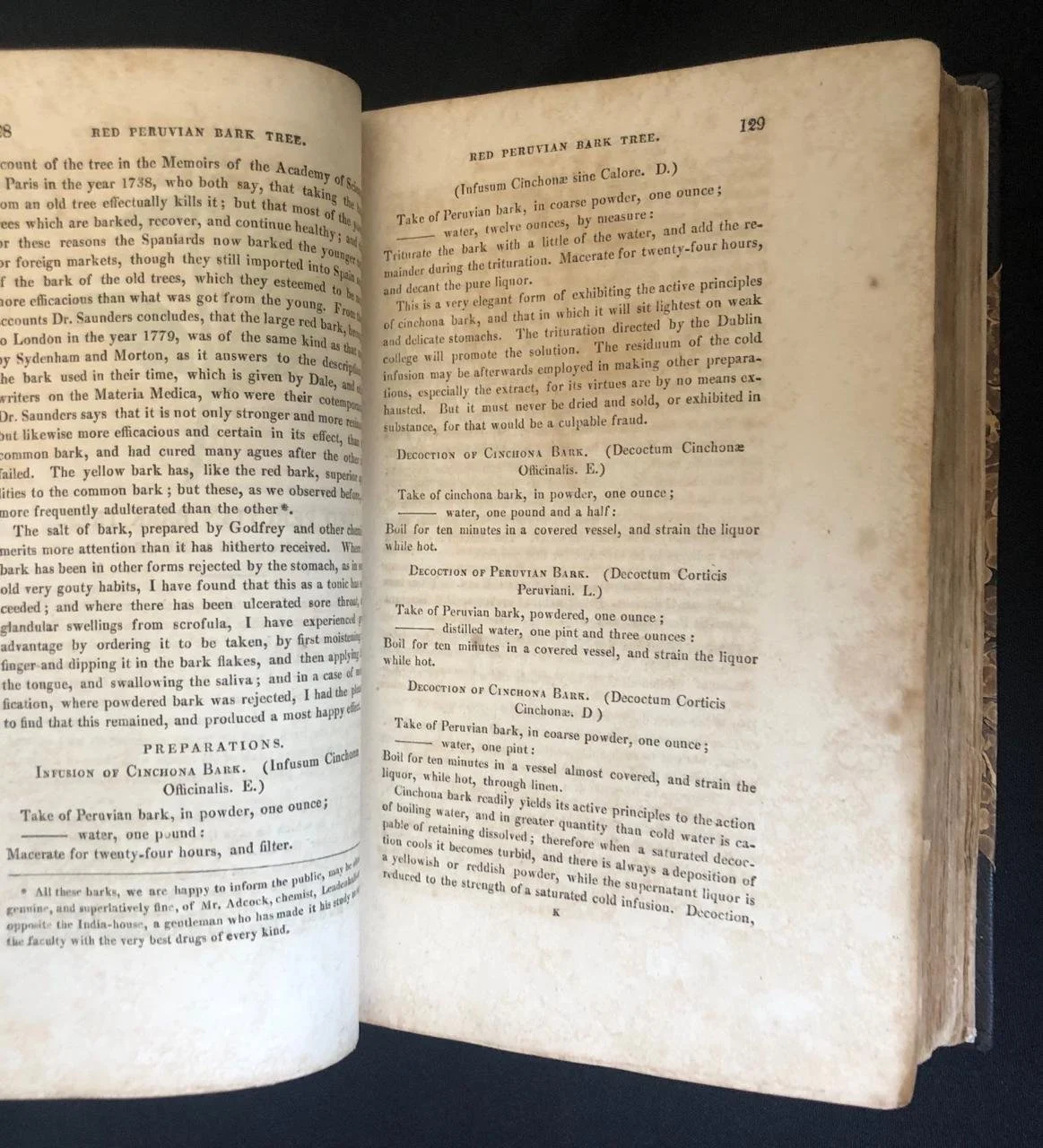
Several pencil annotations.
155mm x 228mm x 55mm
R6,000