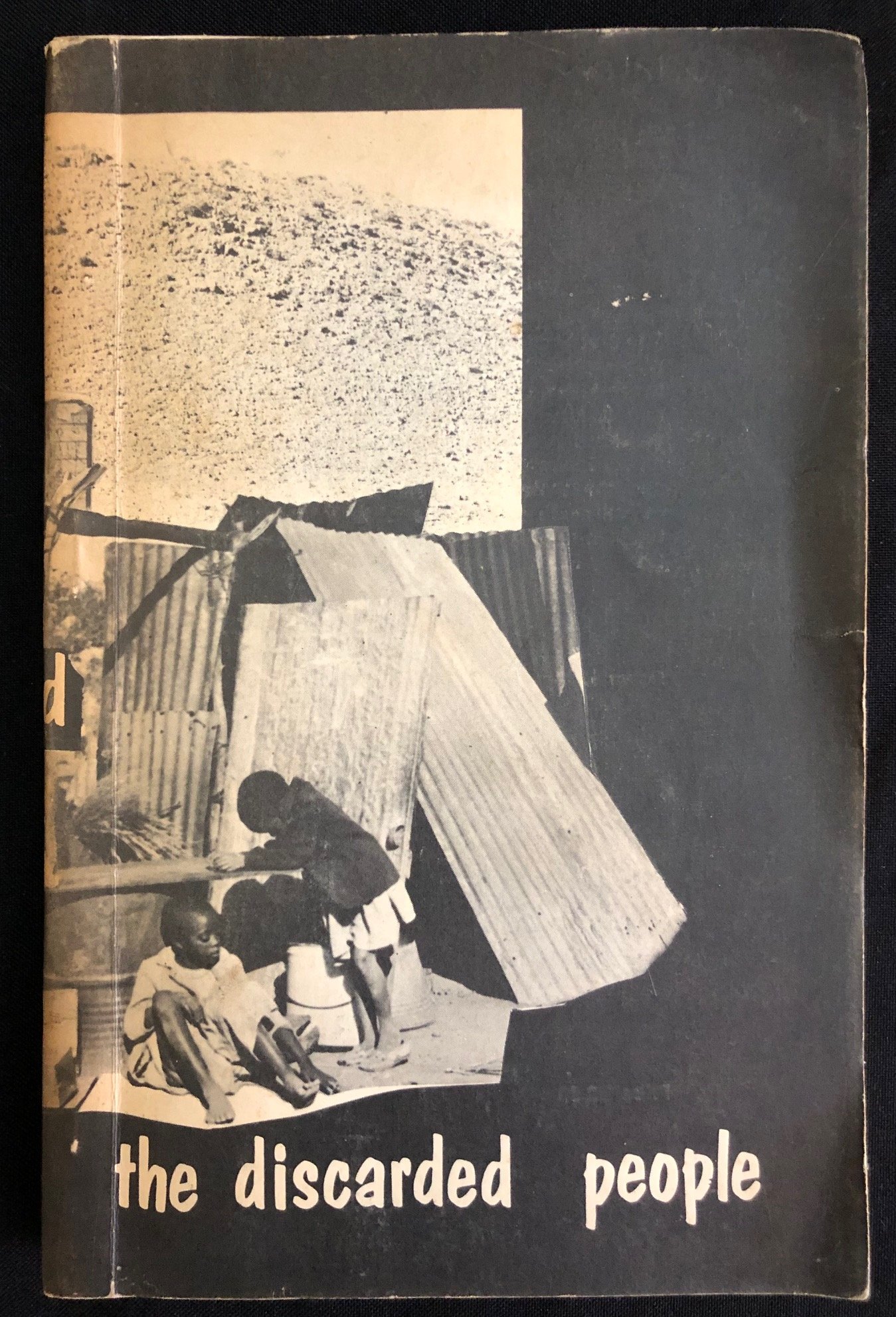
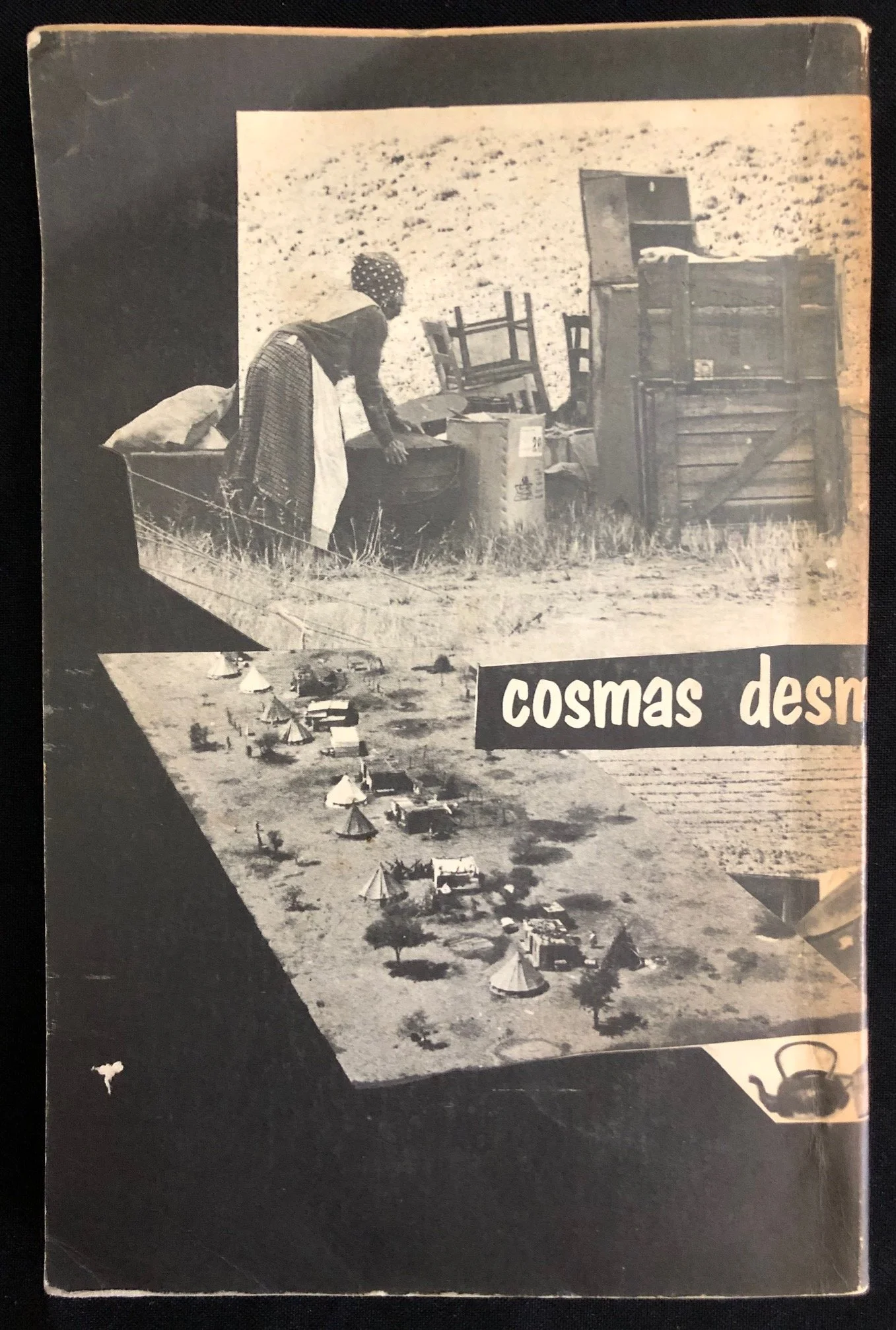
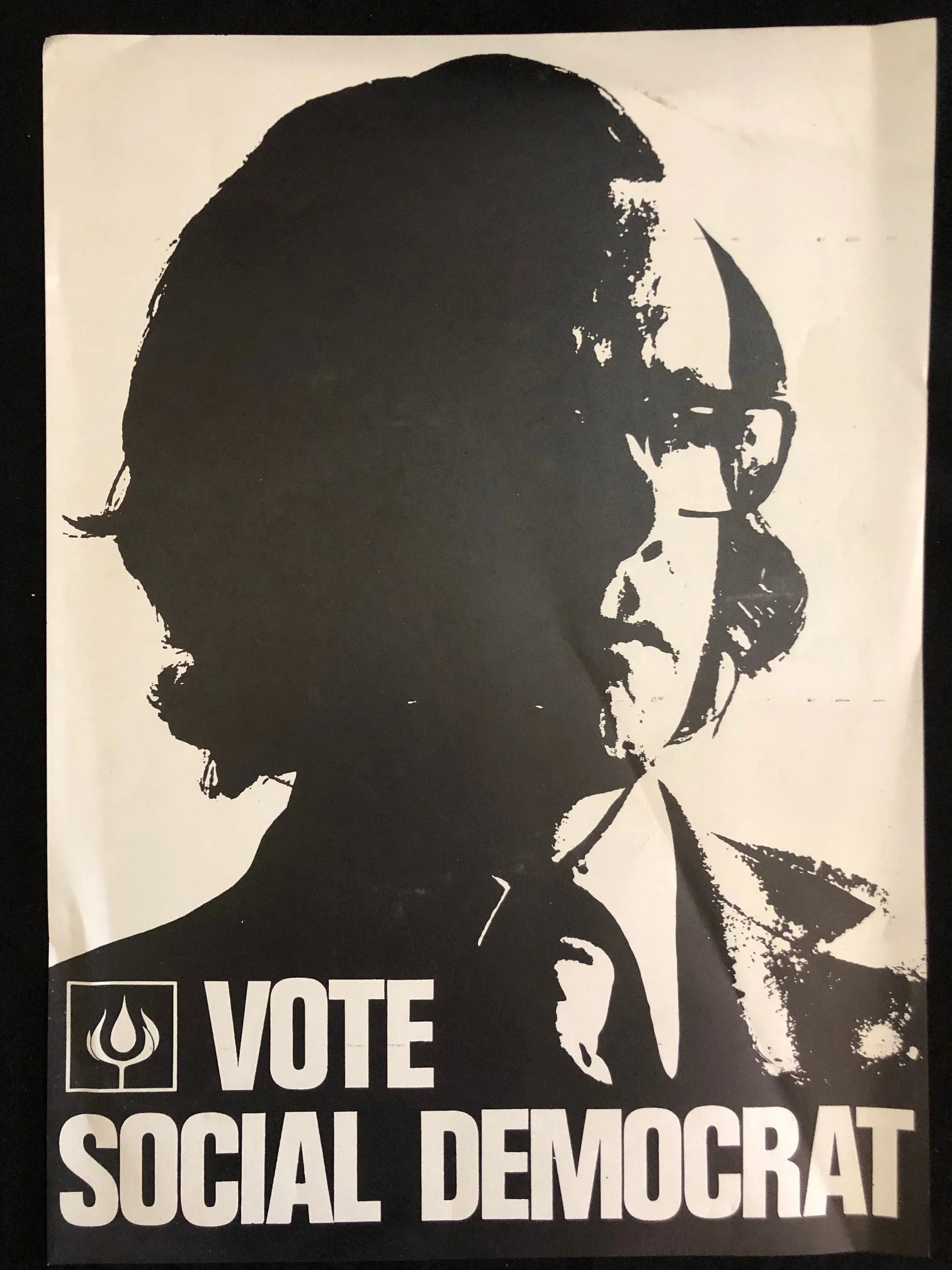
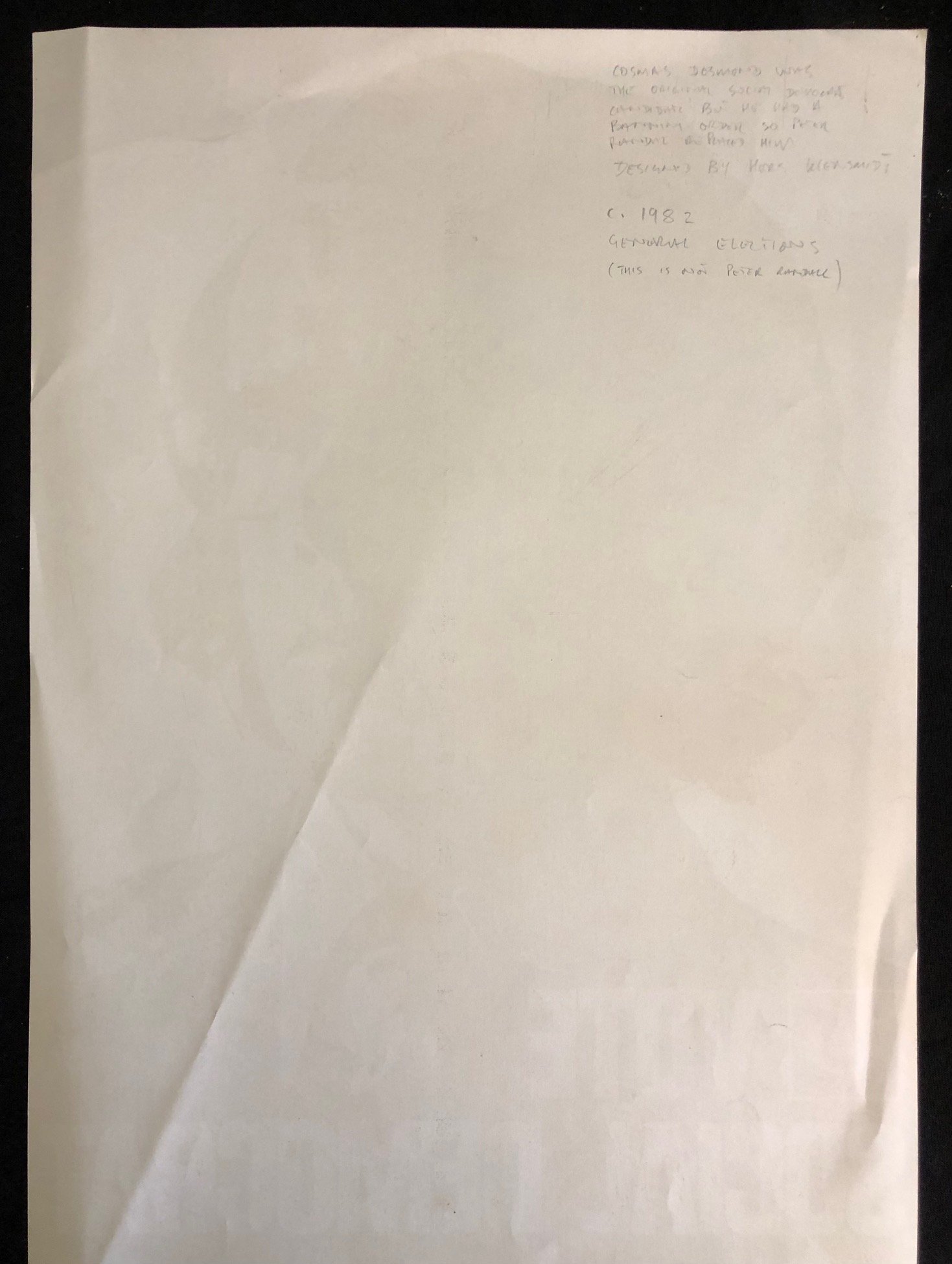
Father Cosmas Desmond’s The Discarded People: An Account of African Resettlement in South Africa. Together with a poster. 1970. (2).
Third edition. Banned in 1973.
Father Cosmas Desmond’s The Discarded People: An Account of African Resettlement in South Africa, published around 1969/1970 by the Christian Institute of South Africa.
South African anti-apartheid journalism, literature, and activism; The Creation: An In-the-Field Expose
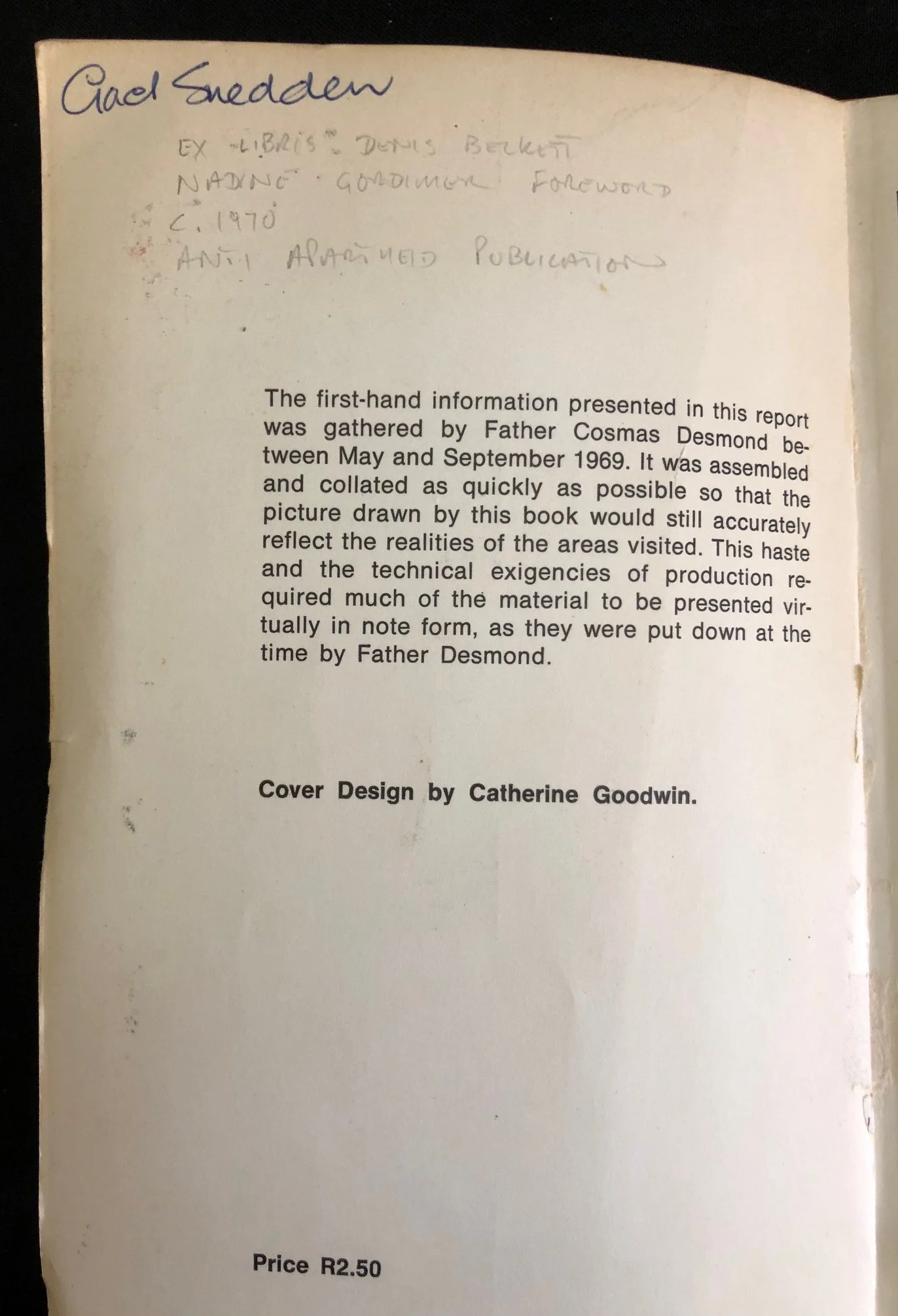
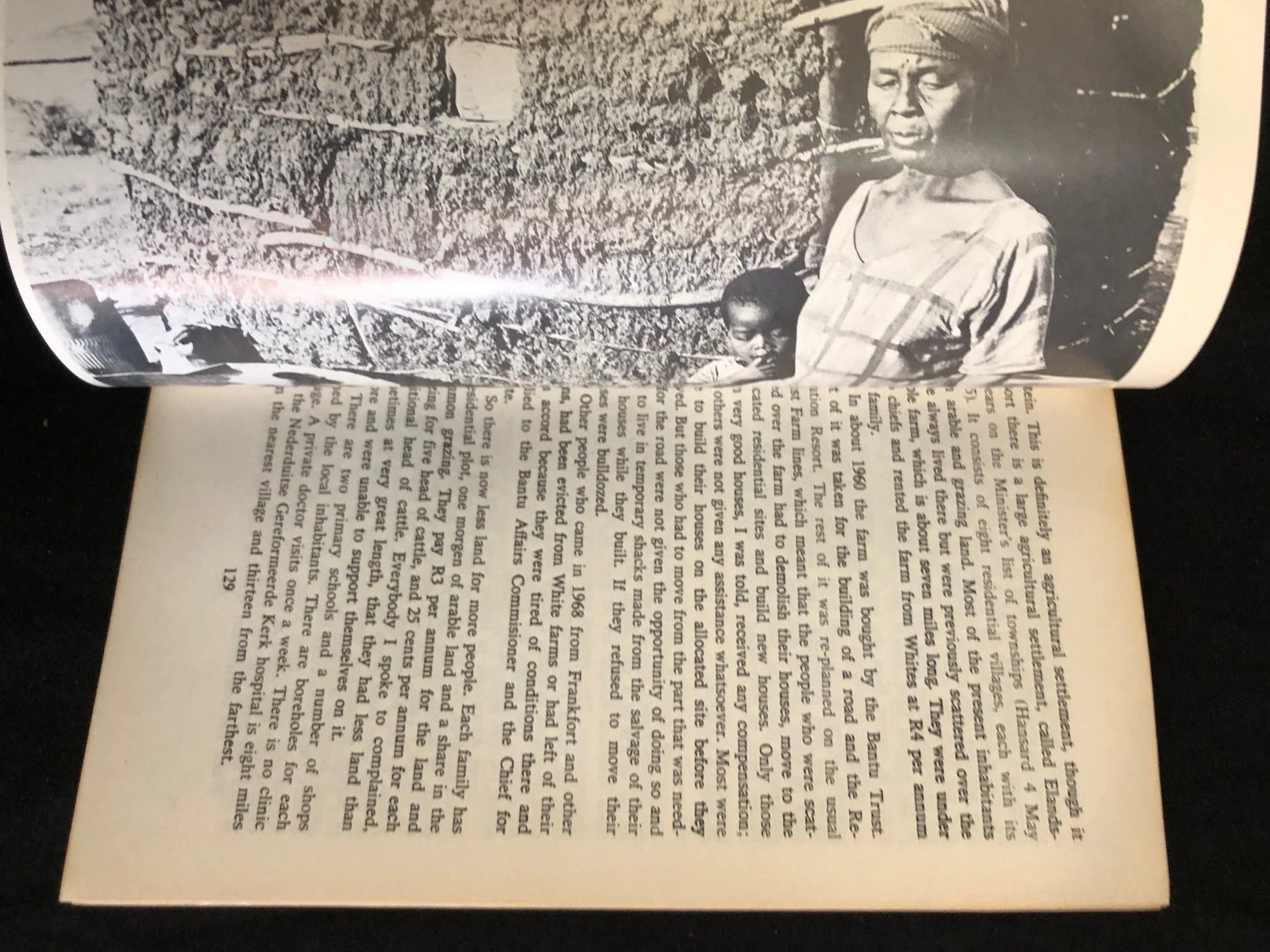
The internal note captures the urgent, frantic nature of the book's production. In the late 1960s, Father Cosmas Desmond—a British-born Franciscan friar stationed at the Maria Ratschitz mission in northern Natal—witnessed his own parishioners being forcibly removed and dropped into Limehill, a barren "resettlement" camp with no running water, sanitation, or infrastructure.
Appalled, Desmond drove across South Africa in an old VW Beetle, systematically tracking down and documenting these isolated, intentional "dumping grounds" for what the Nationalist government termed "surplus people" (primarily women, children, and the elderly whose labor wasn't required by the white economy). The note's reference to the material being presented "virtually in note form... assembled and collated as quickly as possible" speaks to the desperation to get this damning evidence past state censors before it could be suppressed.
Immediate Banning and Consequences
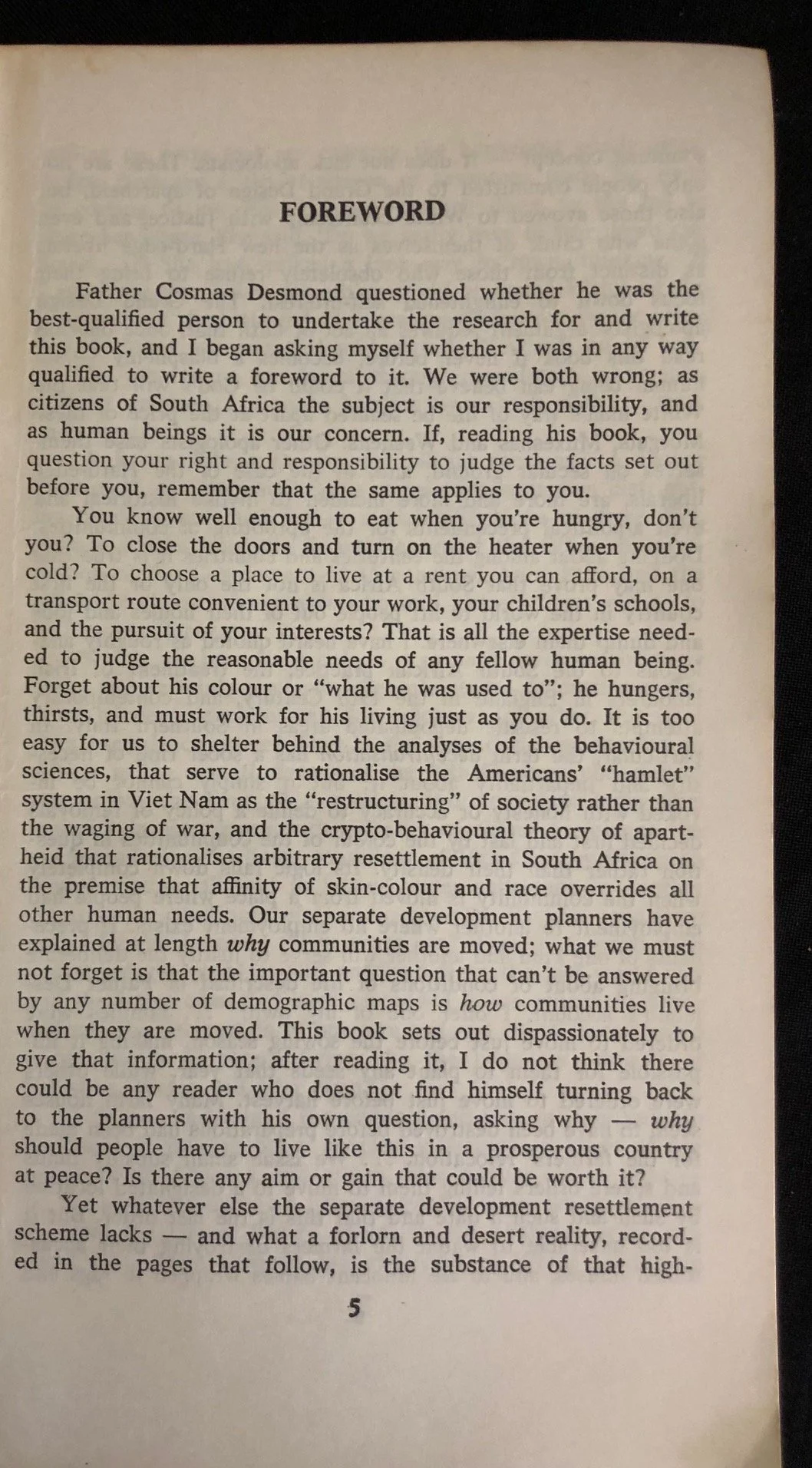
The book succeeded in shattering the state's "cloak of secrecy" around forced removals, causing an immense international outcry that eventually contributed to the UN General Assembly adopting the International Convention on the Suppression and Punishment of the Crime of Apartheid in 1973.
The domestic consequences for the author were swift. Shortly after publication, the apartheid state banned the book, making it illegal to buy, sell, or possess. In 1971, Desmond himself was placed under strict house arrest under the Suppression of Communism Act.
The Provenance: A Network of Dissidents
The handwritten notes at the top of the inner cover reveal an incredible lineage of ownership and association:
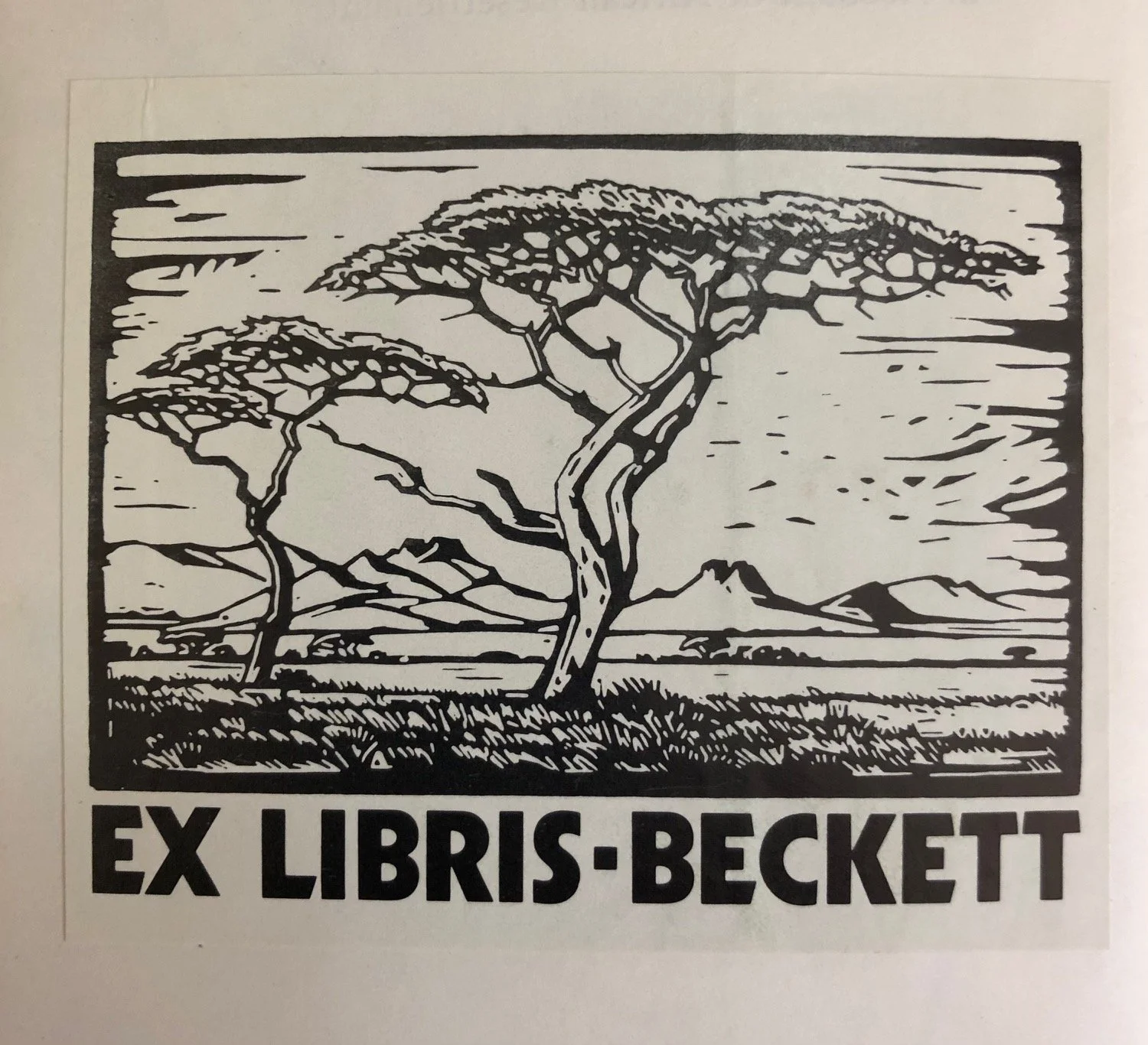
"Ex Libris: Denis Beckett": Denis Beckett is a well-known South African journalist, author, and television personality, famously known for editing Frontline magazine in the 1980s—a publication that challenged both the rigid orthodoxy of the National Party and the mainstream opposition. Having this in his personal library emphasizes how crucial this underground text was for contemporary journalists trying to understand the country's hidden realities.
"Nadine Gordimer Foreword": The prominent mention of Nobel laureate Nadine Gordimer highlights her active, early alignment with the Christian Institute's radical publishing efforts. Gordimer used her literary weight to validate and amplify Desmond’s raw, journalistic field notes.
"Gael Snedden": The distinct blue ink signature indicates another layer of ownership, likely an activist, academic, or progressive reader who passed the book along or acquired it during its era of restriction.
Ephemeral Christian Institute Publication
While The Discarded People achieved massive global reach when it was picked up and published internationally by Penguin Books in 1971, this copy is the scarcer, original domestic release by the Christian Institute of S.A. led by Beyers Naudé. These local editions were cheaply printed, heavily targeted by the security police, and frequently confiscated or destroyed, making surviving copies inside South Africa particularly historic.
Poster: 325mm x 455mm (creased).
Book: 140mm x 217mm (worn, stained and creased).
R2,500 (2).