South African Art History: The Way to Easter by Frieda Harmsen (1989)
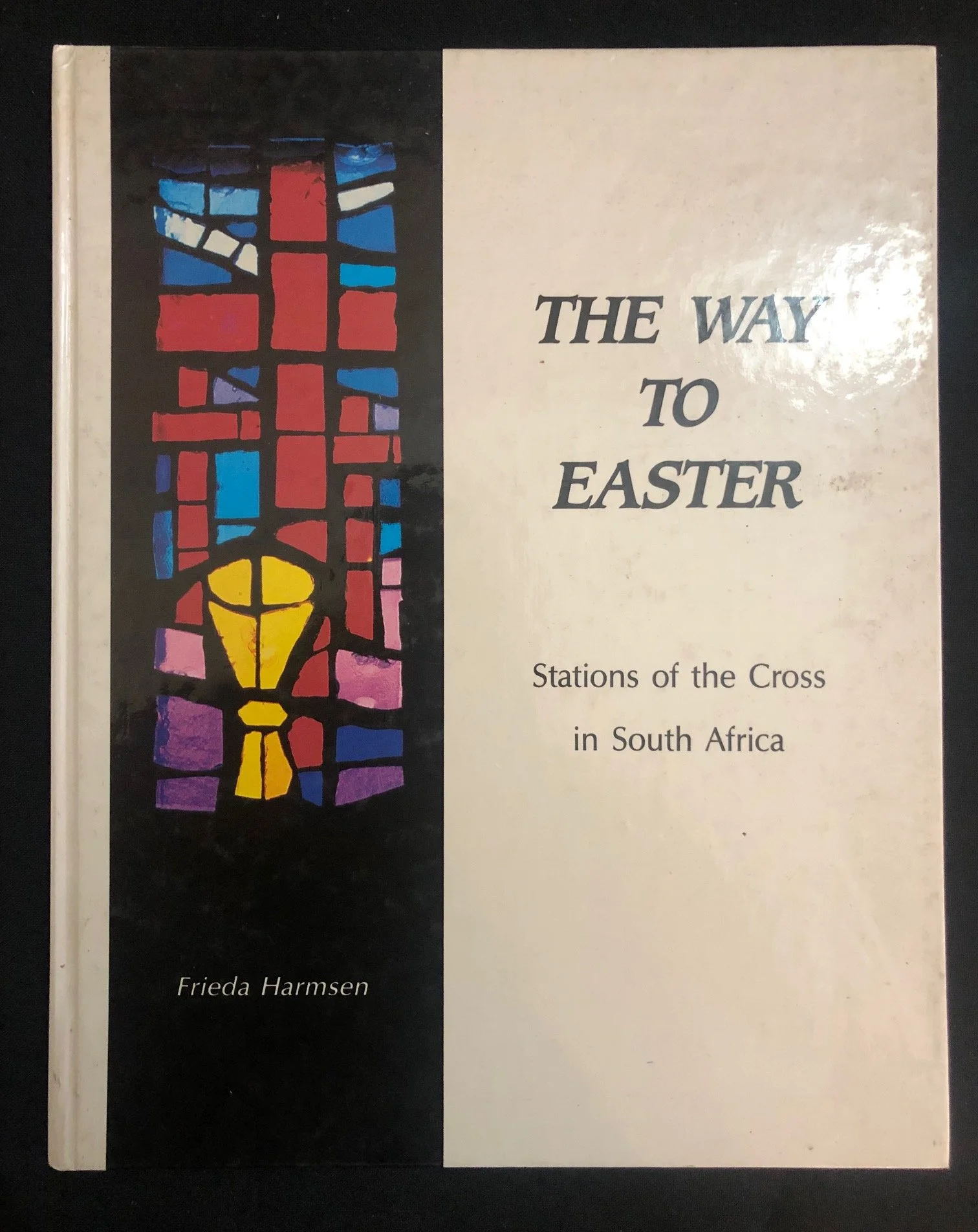
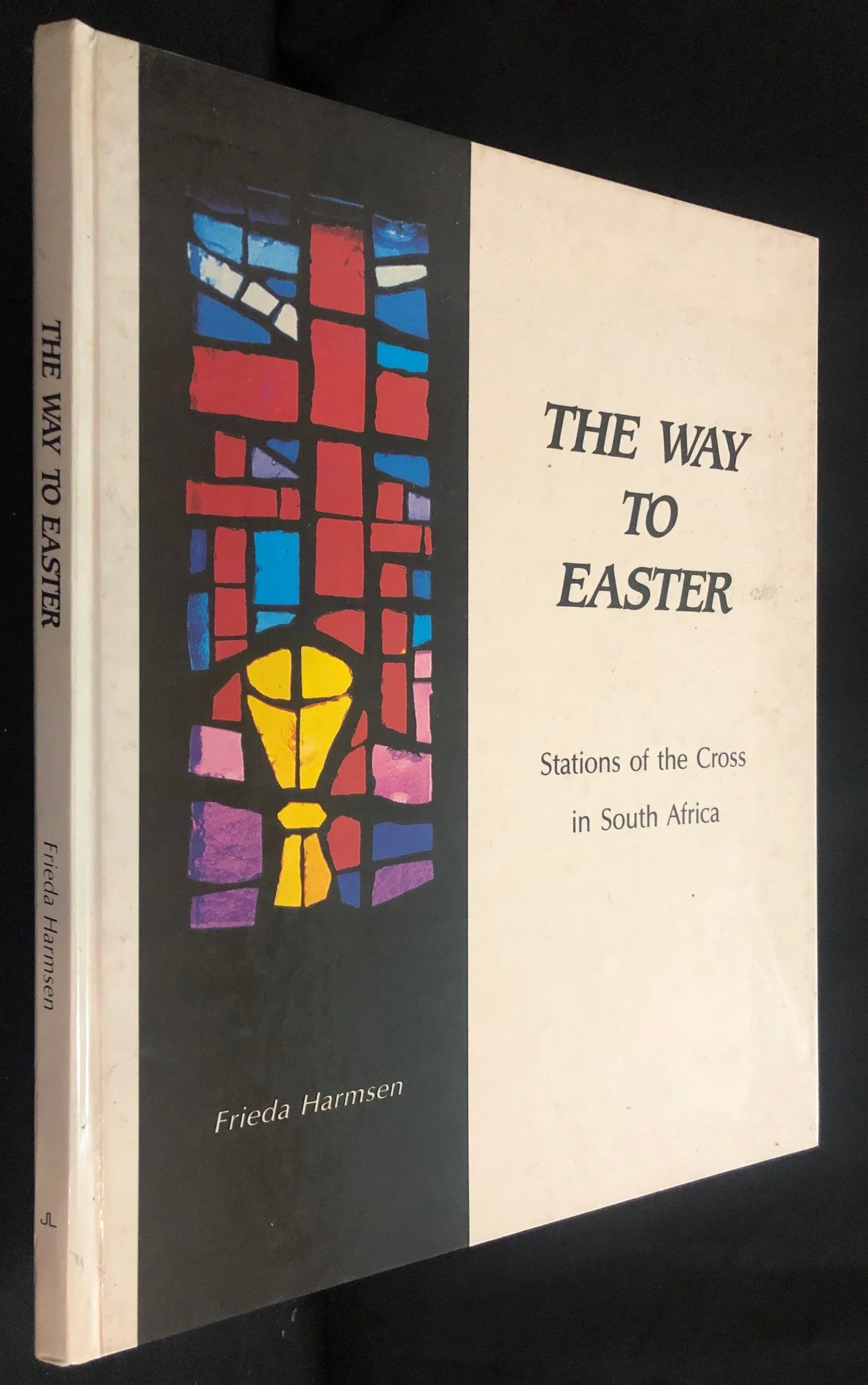
South African art history: The Way to Easter: Stations of the Cross in South Africa by the esteemed art historian Frieda Harmsen, published in Pretoria by Joan Lötter Publications in 1989.
This book sits at a fascinating intersection of religious iconography, indigenous artistic mastery, and the socio-political trauma of the late apartheid era.
A Critical Chronicle of the "Africanisation" of Sacred Art
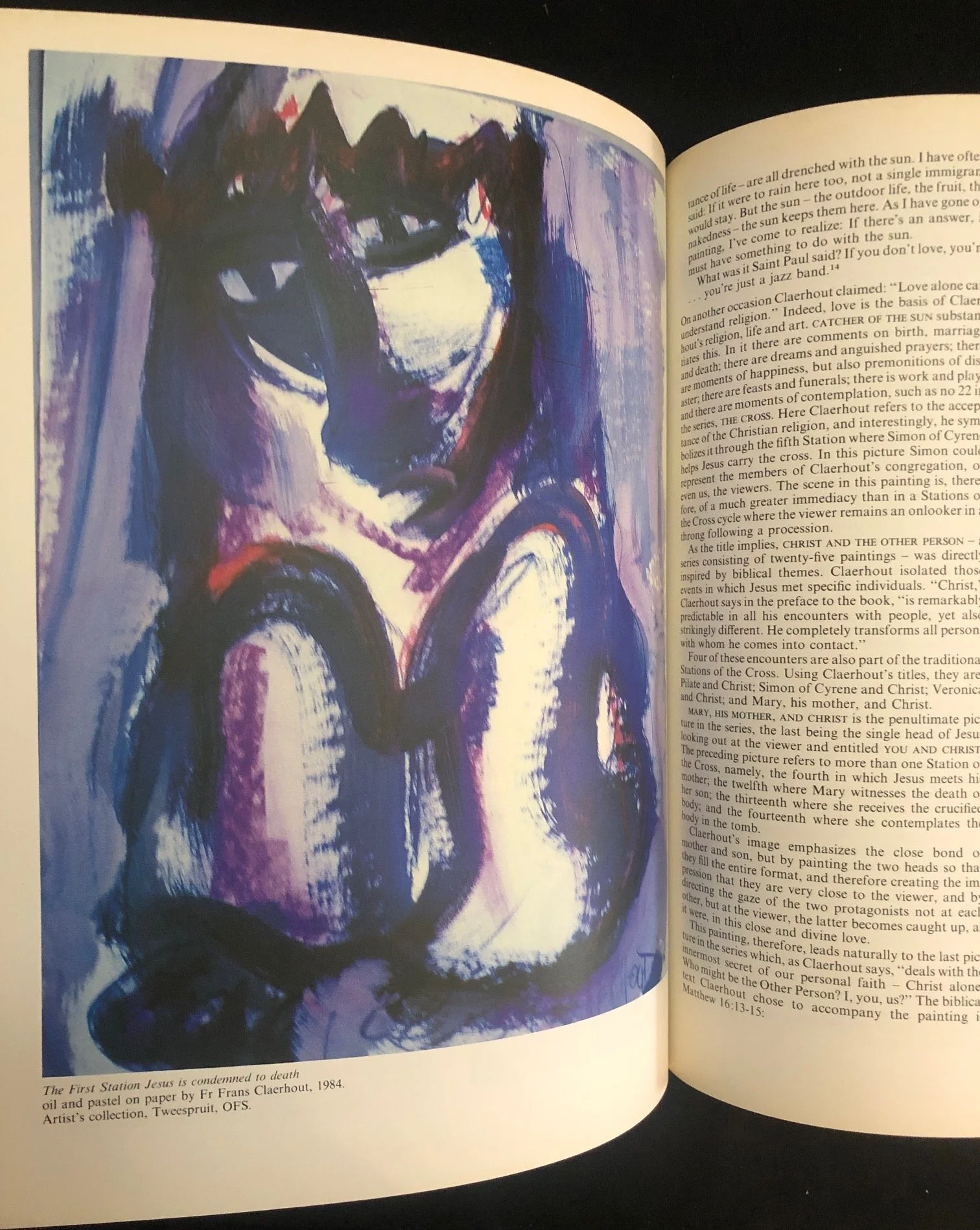
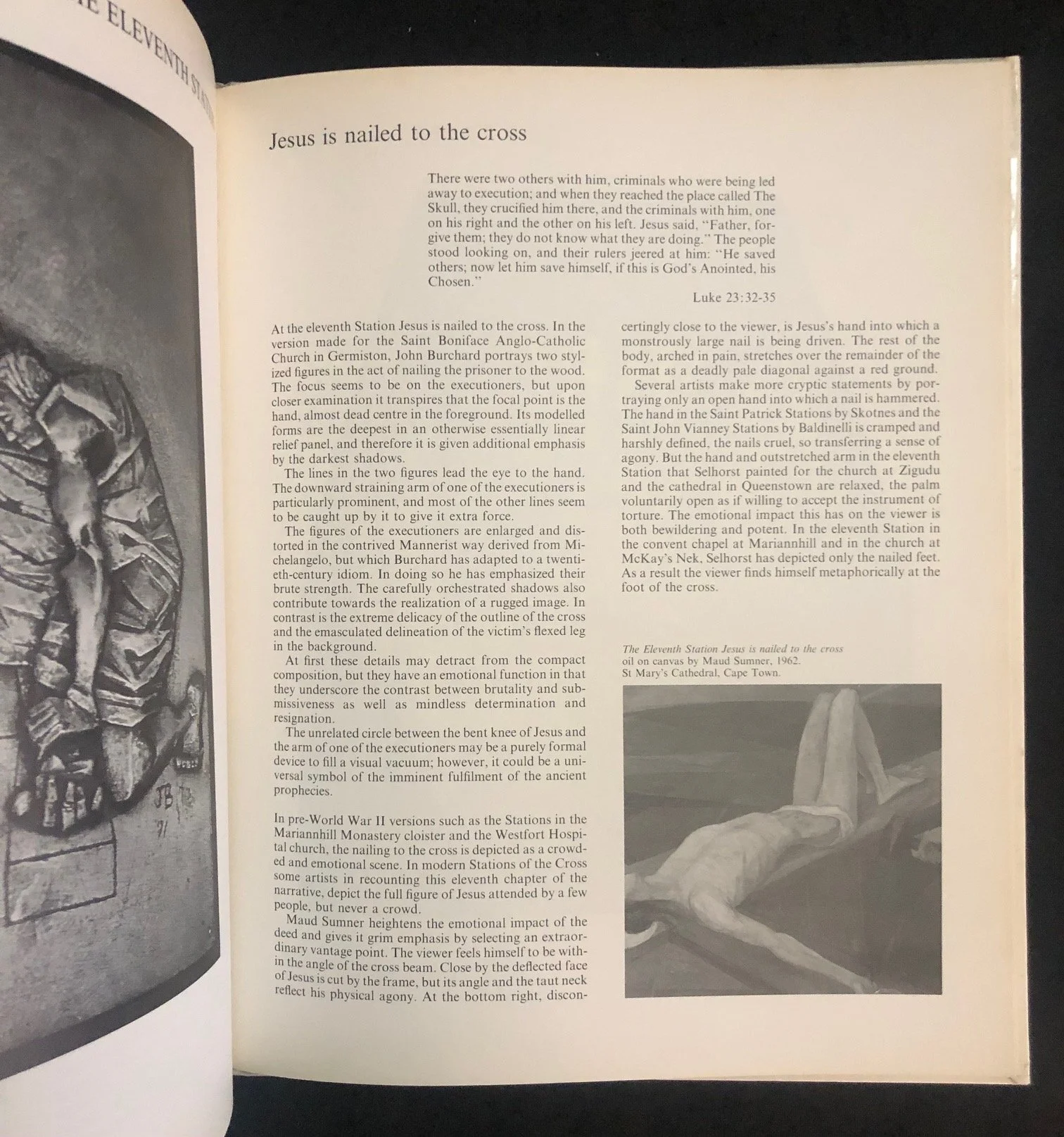
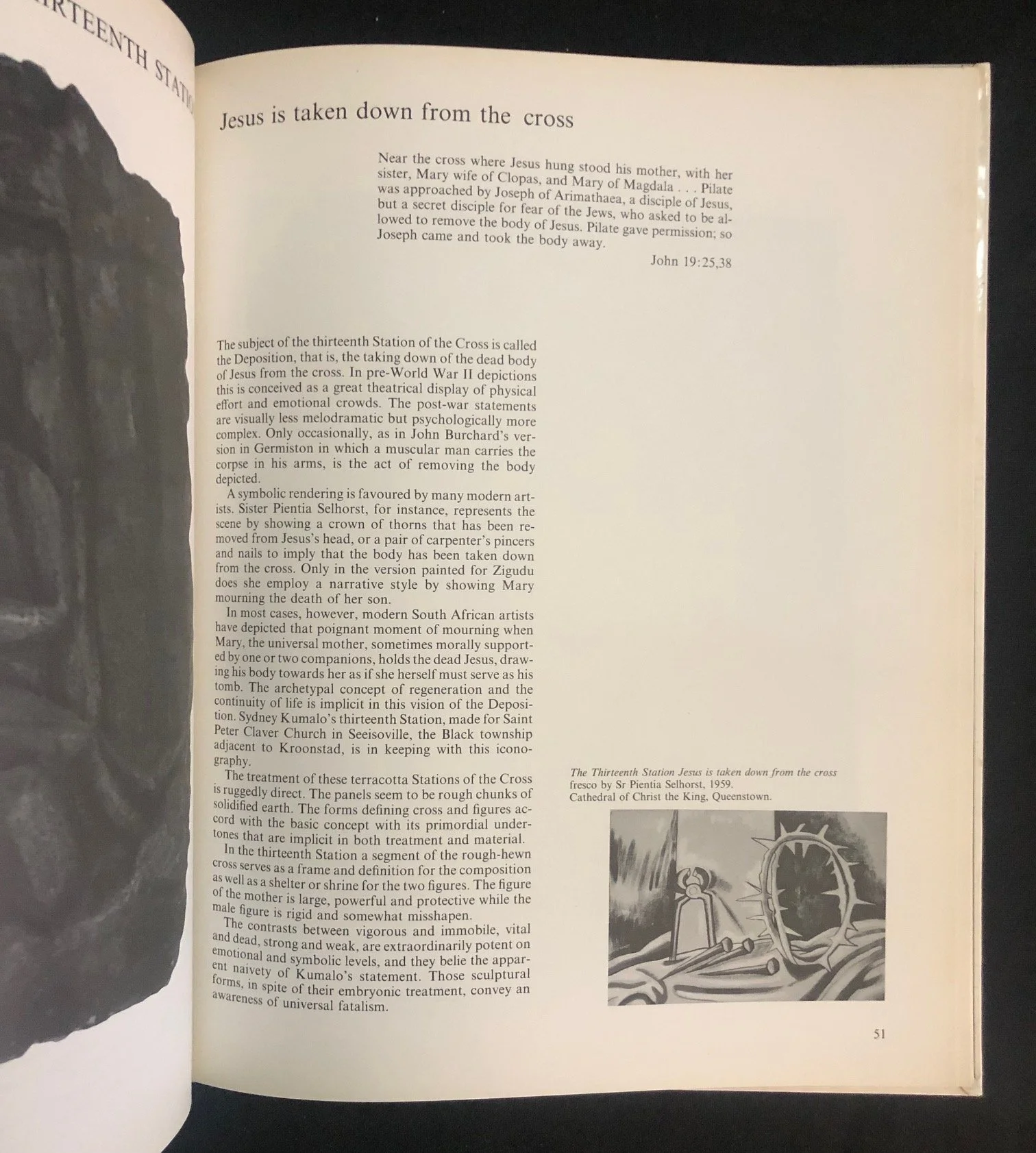
Harmsen’s monograph explores how South African artists—particularly prominent Black artists working in the mid-to-late 20th century—radically reinterpreted the deeply traditional, Eurocentric Roman Catholic Stations of the Cross.
By moving away from standard Western representations, these artists localized the Passion of Christ. In their hands, the narrative became the story of a Black Christ enduring a localized suffering. In the context of 1980s South Africa, depicting Christ bearing his cross through landscapes that directly mirrored the realities of colonialism, systemic oppression, and the physical violence of the apartheid state was a profound theological and political statement.
Spotlighting Legendary Sculptors and Printmakers
The historical value of this text lies in how it documents the ecclesiastical commissions given to foundational Black South African pioneers, whose works were often sheltered or fostered within mission art centers (such as Rorke’s Drift or the Mariannhill and Keiskammahoek missions). It provides critical analysis of works by masterful sculptors and printmakers, including:
Ruben Xulu and Bernard Gcwensa: Celebrated for their breathtaking, deeply expressive wooden carvings that brought Zulu cultural aesthetics to Christian imagery.
Sydney Kumalo and Azaria Mbatha: Whose distinct modernist and graphic styles captured the psychological weight of the human condition under suffering.
A Mirror to 1989 South Africa
Published in 1989, a historic flashpoint in itself. This was the tense twilight of the apartheid regime—the same year FW de Klerk succeeded PW Botha, leading to the unbanning of liberation movements and the release of political prisoners shortly thereafter.
Releasing a book focused entirely on the Stations of the Cross mapped onto South African soil at this specific moment served as a profound artistic reflection on the country's collective trauma, grief, and its collective, agonizing search for redemption and resurrection.
240mm x 300mm x 15mm
Minor surface wear; back couple of pages slightly foxed.
R1,250