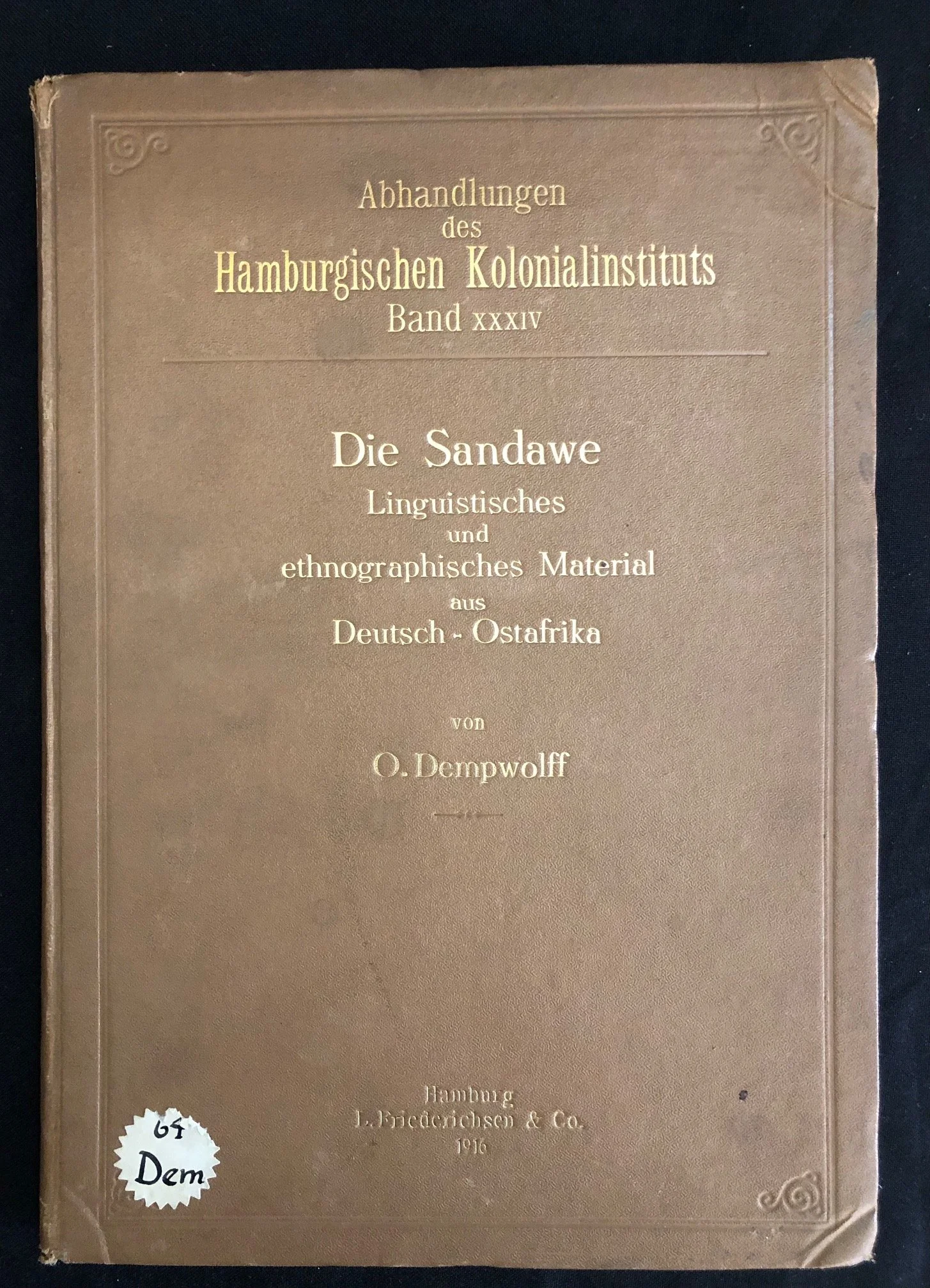
Die Sandawe: Linguistisches und ethnographisches Material aus Deutsch-Ostafrika by Dr. Otto Dempwolff (1916)
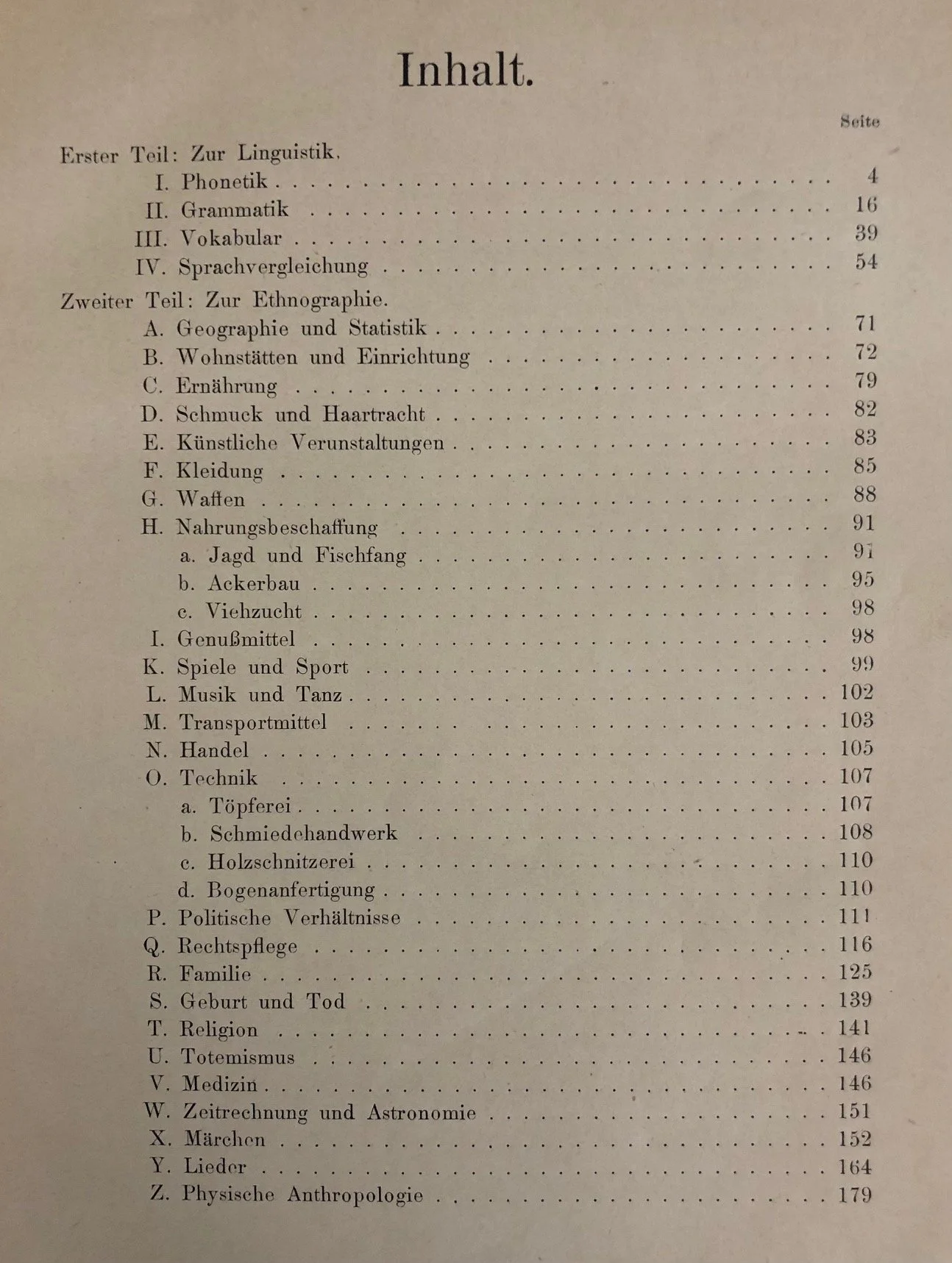
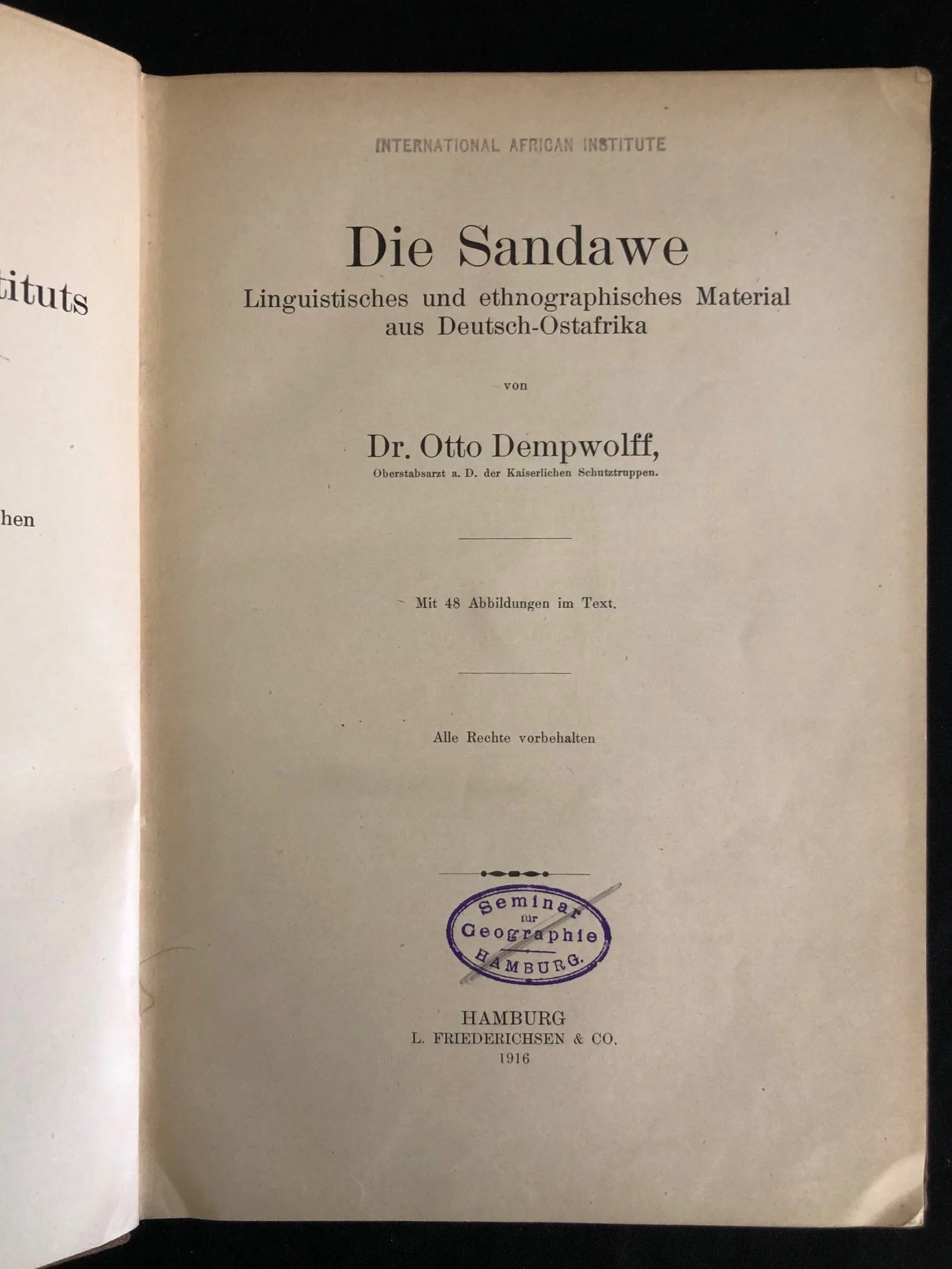
(The Sandawe: Linguistic and Ethnographic Material from German East Africa). 1916.
Published in Hamburg by L. Friederichsen & Co.
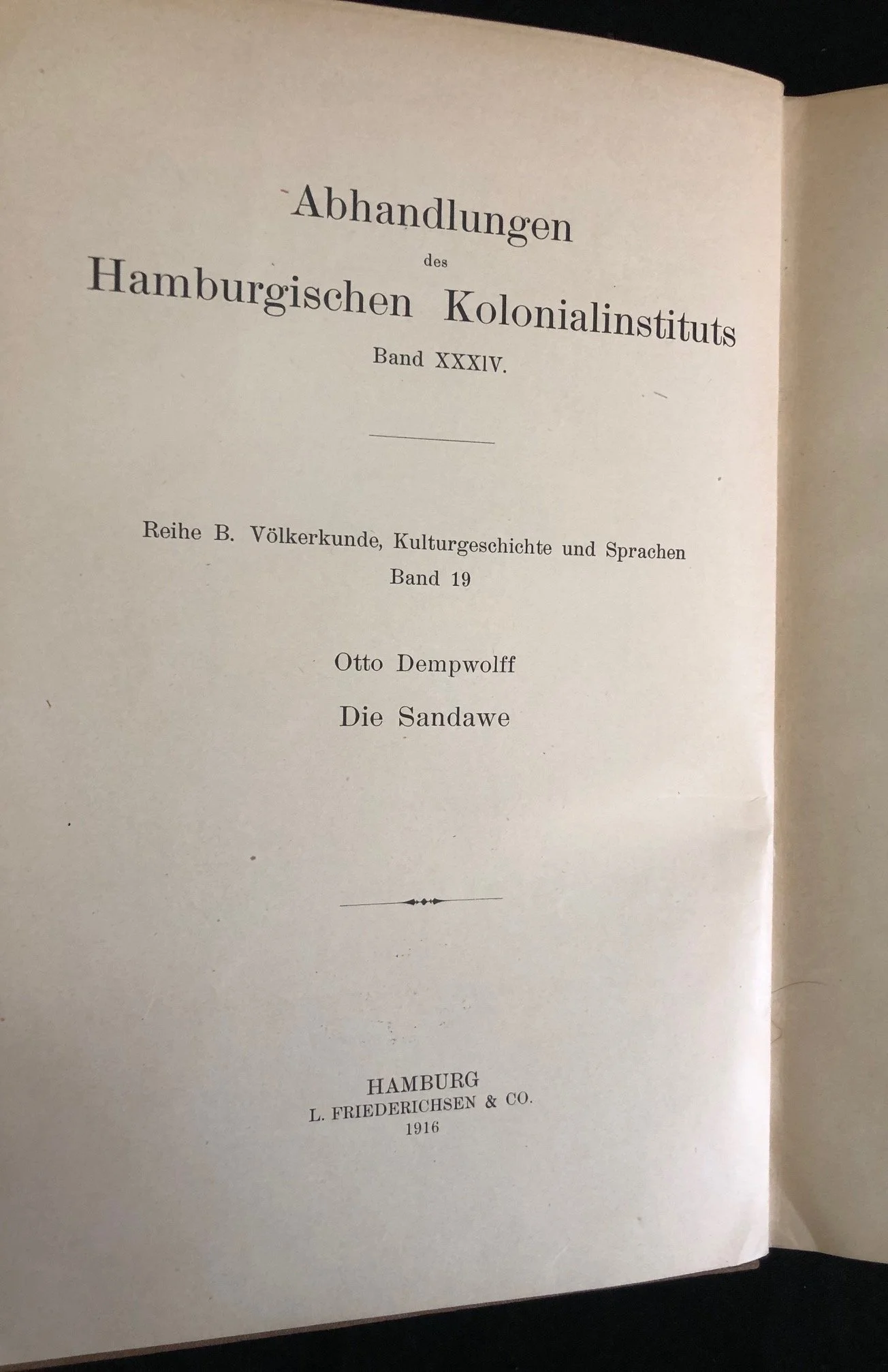
Written by Dr. Otto Dempwolff as Volume 34 of the Abhandlungen des Hamburgischen Kolonialinstituts (Transactions of the Hamburg Colonial Institute).
The Linguistic Enigma of the Sandawe
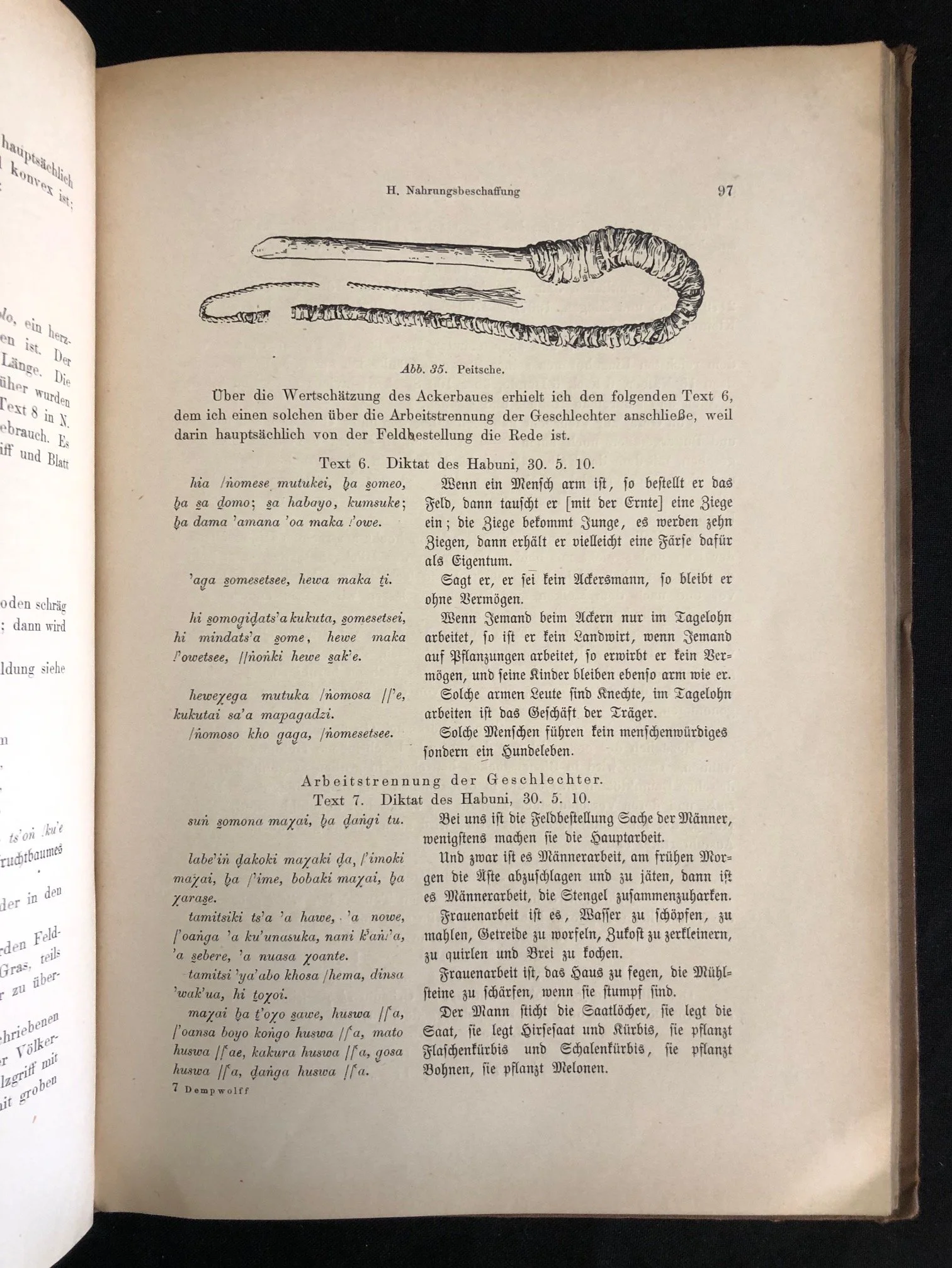
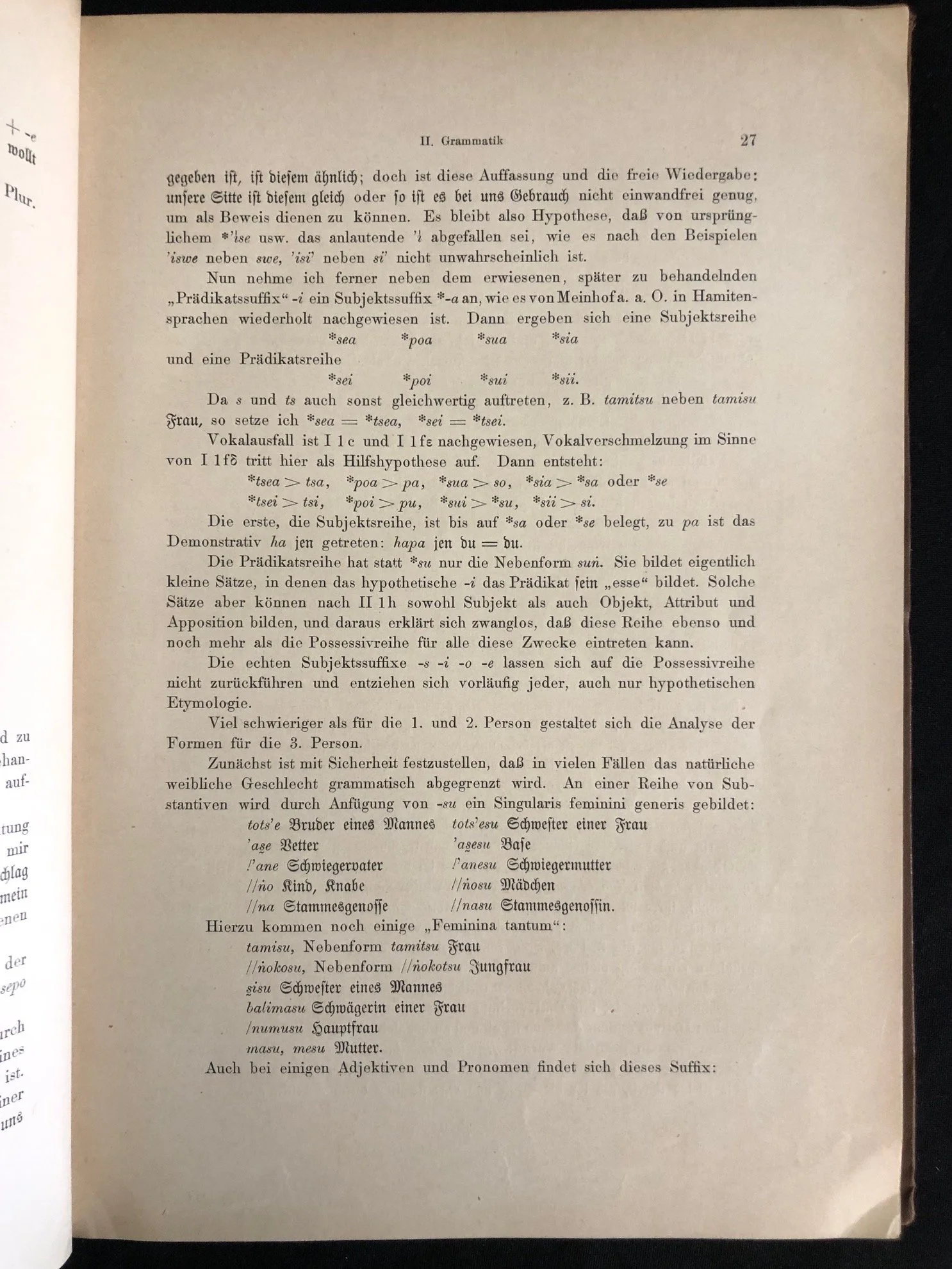
Dempwolff’s work is a foundational milestone in African historical linguistics. The Sandawe are an indigenous ethnic group living in the Dodoma region of central Tanzania. What makes them—and this 1916 study—historically electrifying to linguists is their language. Surrounded entirely by Bantu- and Cushitic-speaking neighbors, Sandawe is a click language.
Dempwolff was one of the very first researchers to rigorously analyze Sandawe's phonetic structure and compare it to the Khoisan languages of Southern Africa (such as Nama/Khoekhoe). For over a century, this book fueled intense scientific debate over whether the Sandawe language represents an ancient, isolated linguistic "island" connecting East Africa to the hunter-gatherer populations of the south before the massive Bantu migrations reshaped the continent.
A Publication Born Amidst a Crumbling Empire
The subtitle claims the material is from "Deutsch-Ostafrika" (German East Africa). However, by the time this book came off the presses in 1916 in Hamburg, German East Africa was effectively ceasing to exist. World War I was raging fiercely in East Africa. By 1916, Allied forces (primarily British, South African, and Belgian troops) had launched a massive offensive, capturing the central railway line, Dodoma, and the capital of Dar es Salaam. While the Hamburg Colonial Institute was busy printing this meticulously researched academic volume celebrating Germany's colonial scientific prowess, Germany was losing physical control of the colony forever.
The Scholar: From Military Surgeon to Austronesian Mastermind
The author Dempwolff was an "Oberstabsarzt a. D. der Kaiserlichen Schutztruppen" (Retired Senior Staff Surgeon of the Imperial Colonial Protection Troops).
Dempwolff's path to becoming a titan of linguistics was paved by his career as a German military medical officer. Stationed in German New Guinea, German South West Africa (Namibia), and German East Africa, his initial duties were medical (including pioneering work on malaria vectors alongside Robert Koch). However, his profound talent for languages allowed him to use his remote postings to collect unparalleled field data.
While Die Sandawe is his African masterpiece, Dempwolff went on to become the world-renowned founding father of Austronesian linguistics, using the comparative methods he honed in the African bush to reconstruct Proto-Austronesian (the ancestor language of Hawaiian, Tagalog, Malay, and Malagasy).
Institutional Clues: The Hamburg Colonial Institute
The imprint of the Hamburgischen Kolonialinstituts is a direct link to the machinery of German imperialism. Founded in 1908, the institute wasn't just a place of pure science; its core mission was to train colonial administrators, merchants, and military officers to efficiently manage Germany’s overseas territories.
When Germany lost its colonies under the Treaty of Versailles, the institute lost its purpose. To survive, its faculty and massive libraries were repurposed, forming the foundational bedrock for the establishment of the University of Hamburg in 1919. This book is a physical remnant of that short-lived, highly specialized era of German colonial academia.
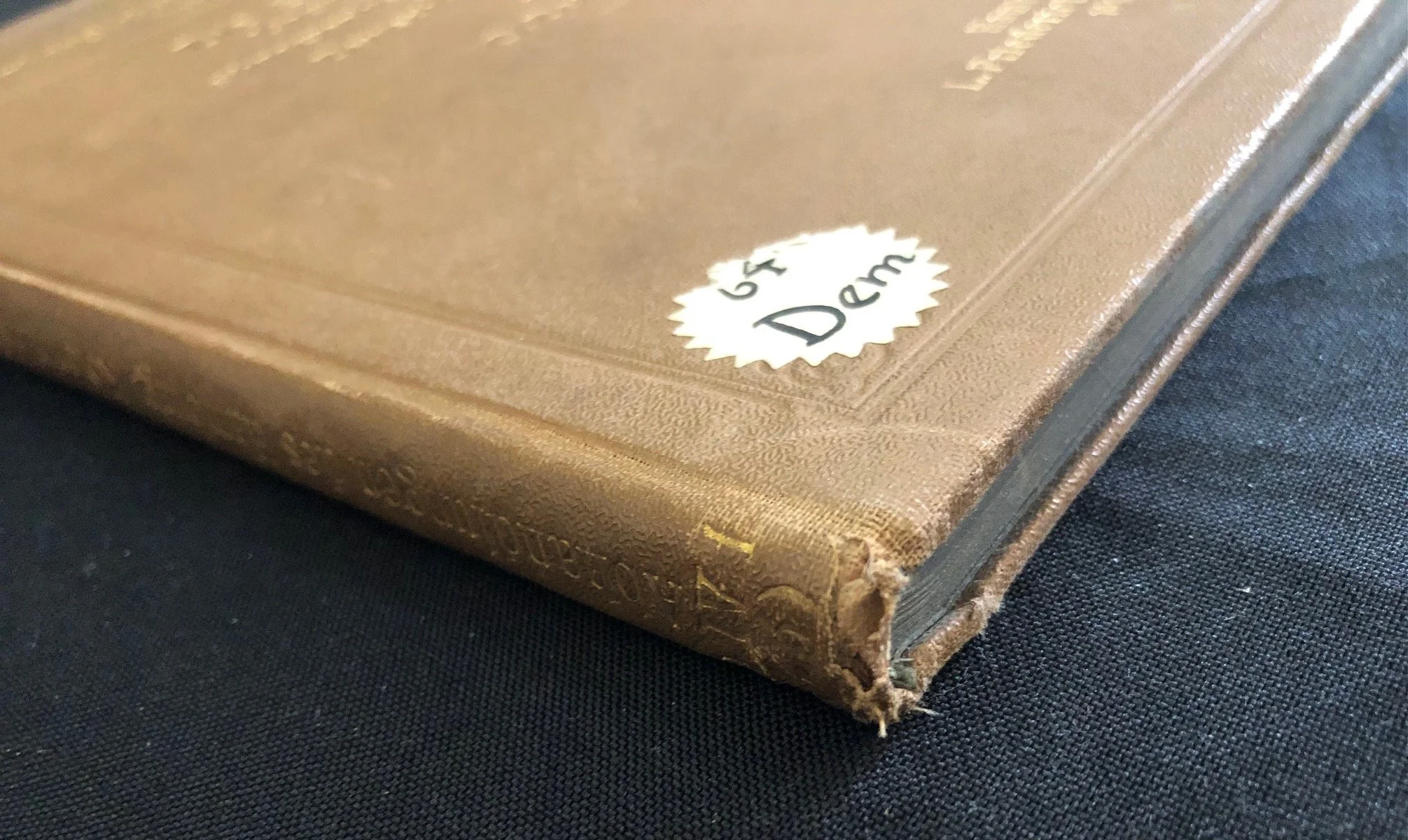
Ex library copy with stamps etc; edge wear etc.
200mm x 280mm
R2,000