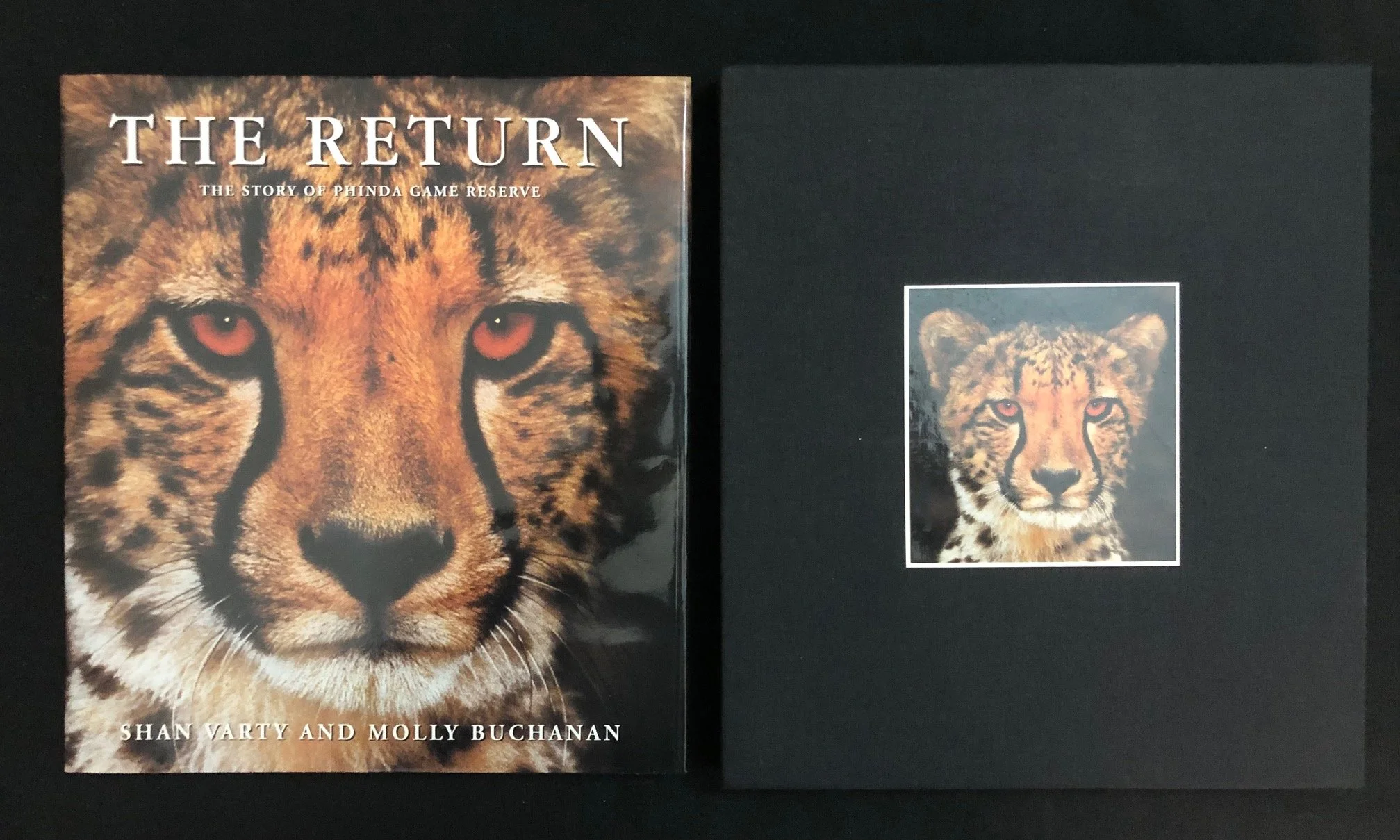
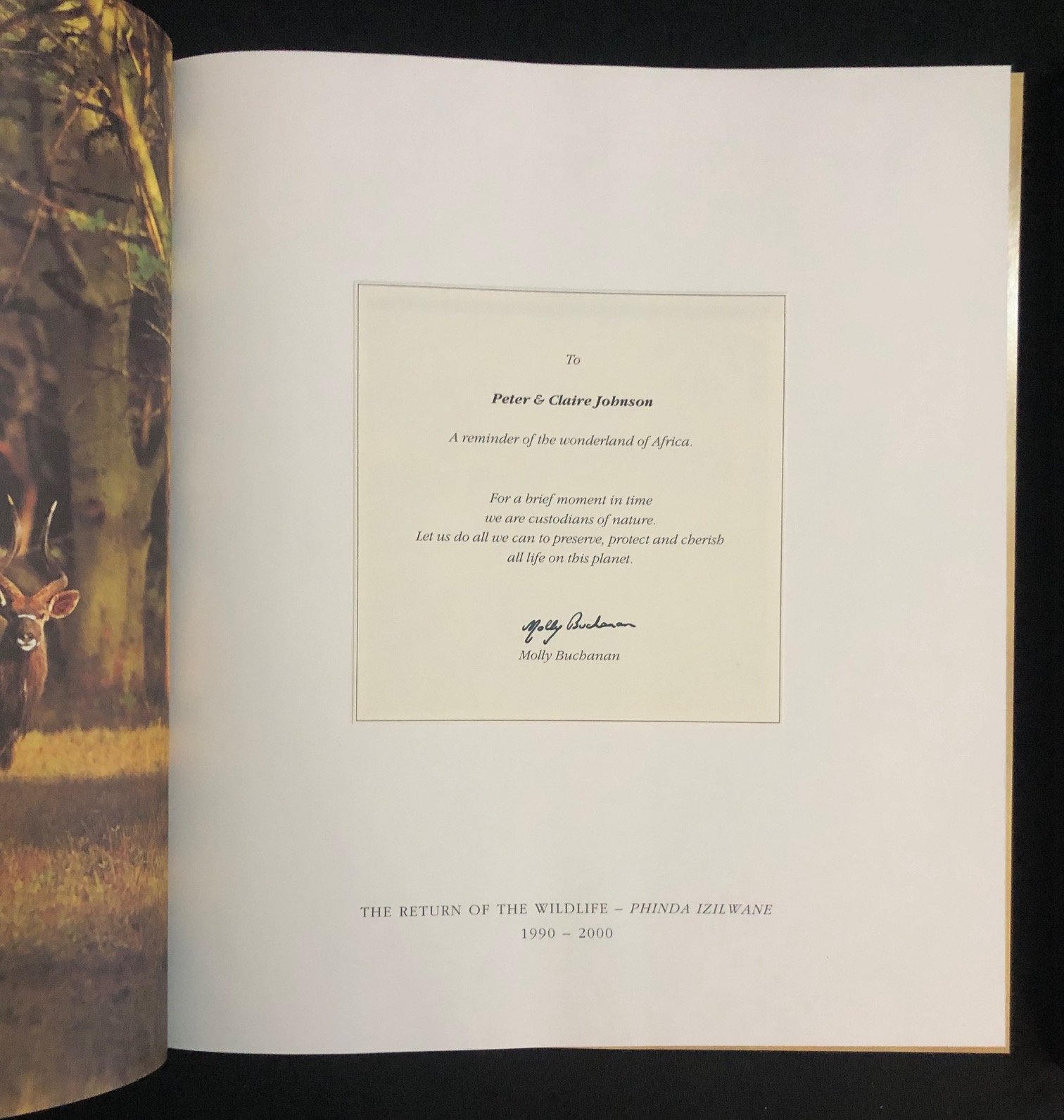
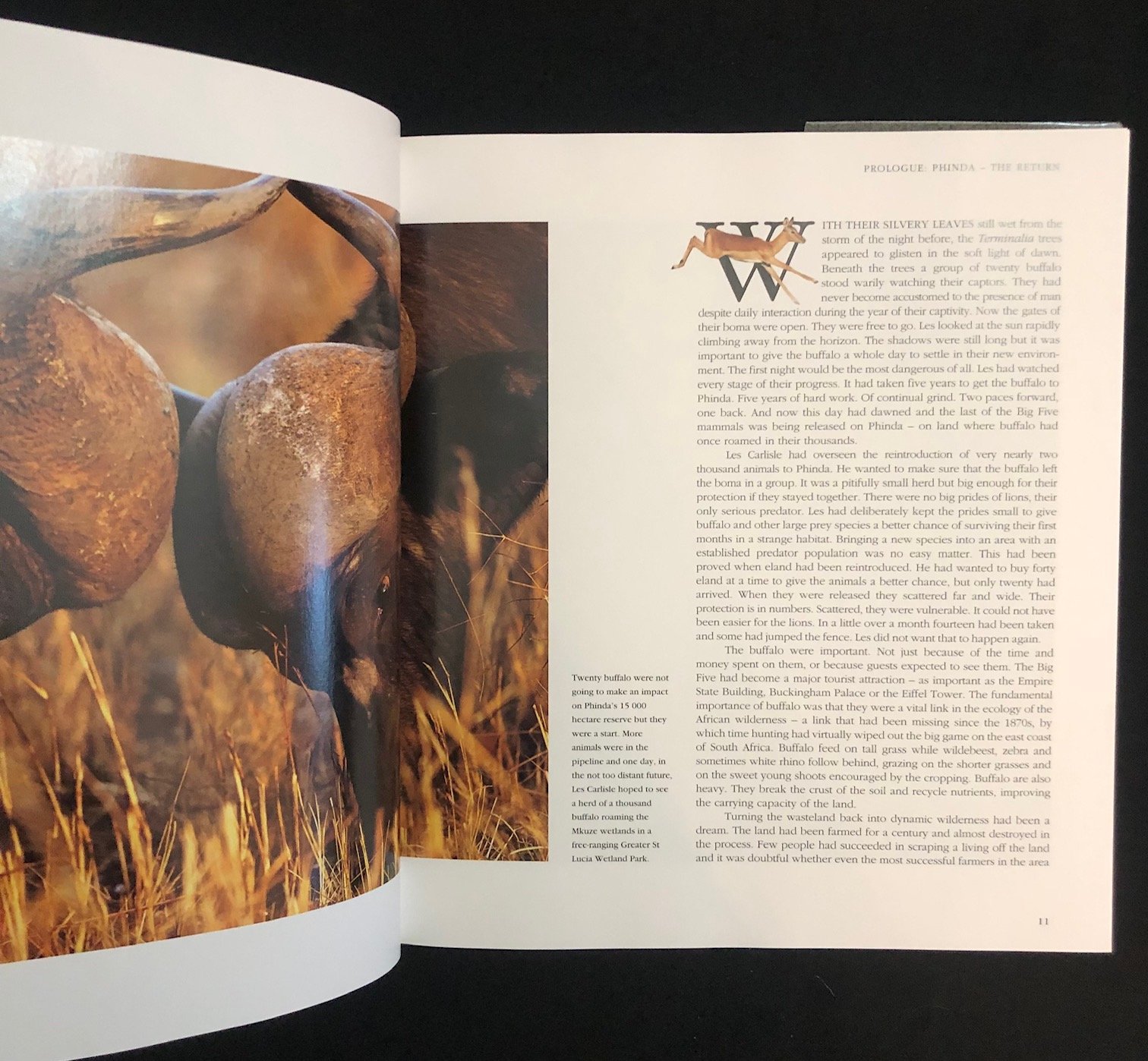
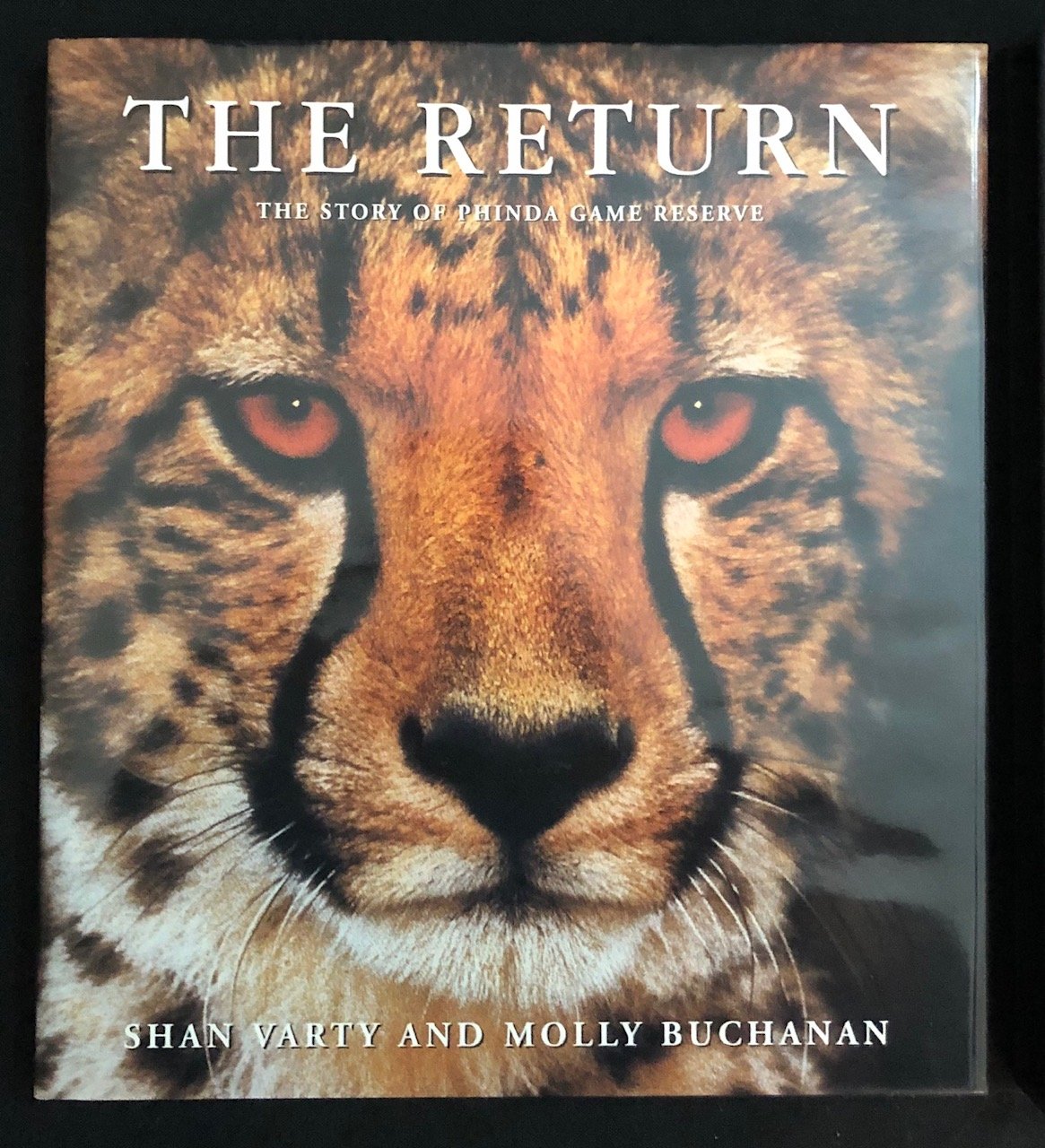
The Return: The Story of Phinda Game Reserve by Shan Varty and Molly Buchanan (1999)
A profound and radical experiment that fundamentally altered the philosophy of private nature conservation in South Africa.
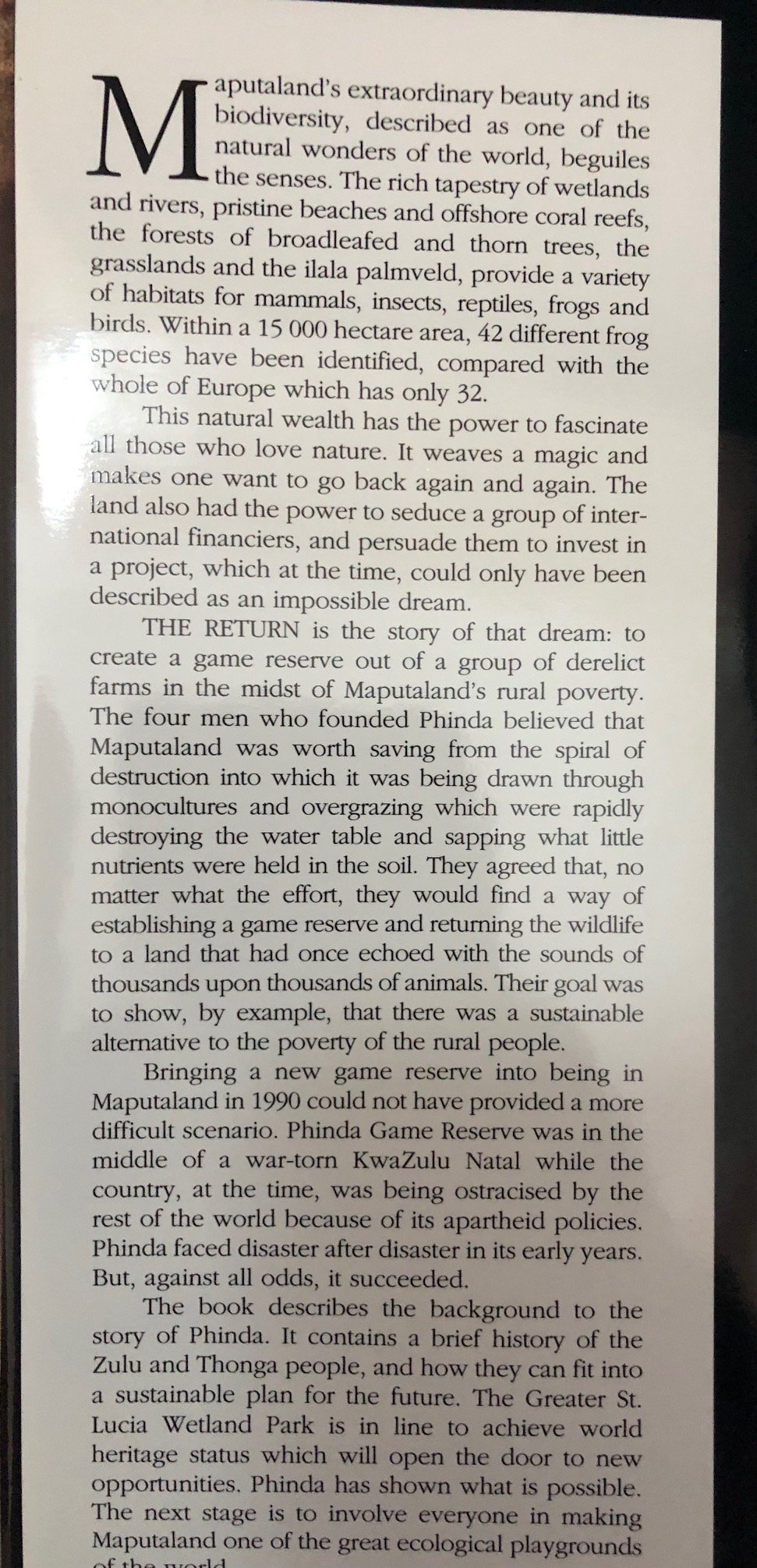
While it looks like a beautiful wildlife book, its historical underpinnings represent a watershed moment in how land, communities, and ecology intersected during South Africa's transition out of the apartheid era.
The Historical Crucible: 1990–1991
The creation of the Phinda Izilwane (now Phinda Private Game Reserve) in Maputaland, northern KwaZulu-Natal, began in 1991. This timing is historically critical. The project was launched during the highly volatile, transitional period between the unbanning of liberation movements in 1990 and the first democratic elections in 1994.
Up until this point, traditional African conservation followed the colonial "fortress conservation" model: fence off the land, introduce big game, and strictly keep local African communities out. Phinda broke this mold entirely because it had to survive a rapidly changing political landscape. It became one of the earliest blueprints for sustainable ecotourism paired with community partnership.
Healing "Degraded" Land
The title The Return has a double meaning. Before 1991, the land that now forms Phinda had been severely degraded by decades of intensive pineapple farming, cattle overgrazing, and heavy game hunting. The ecosystem was collapsing.
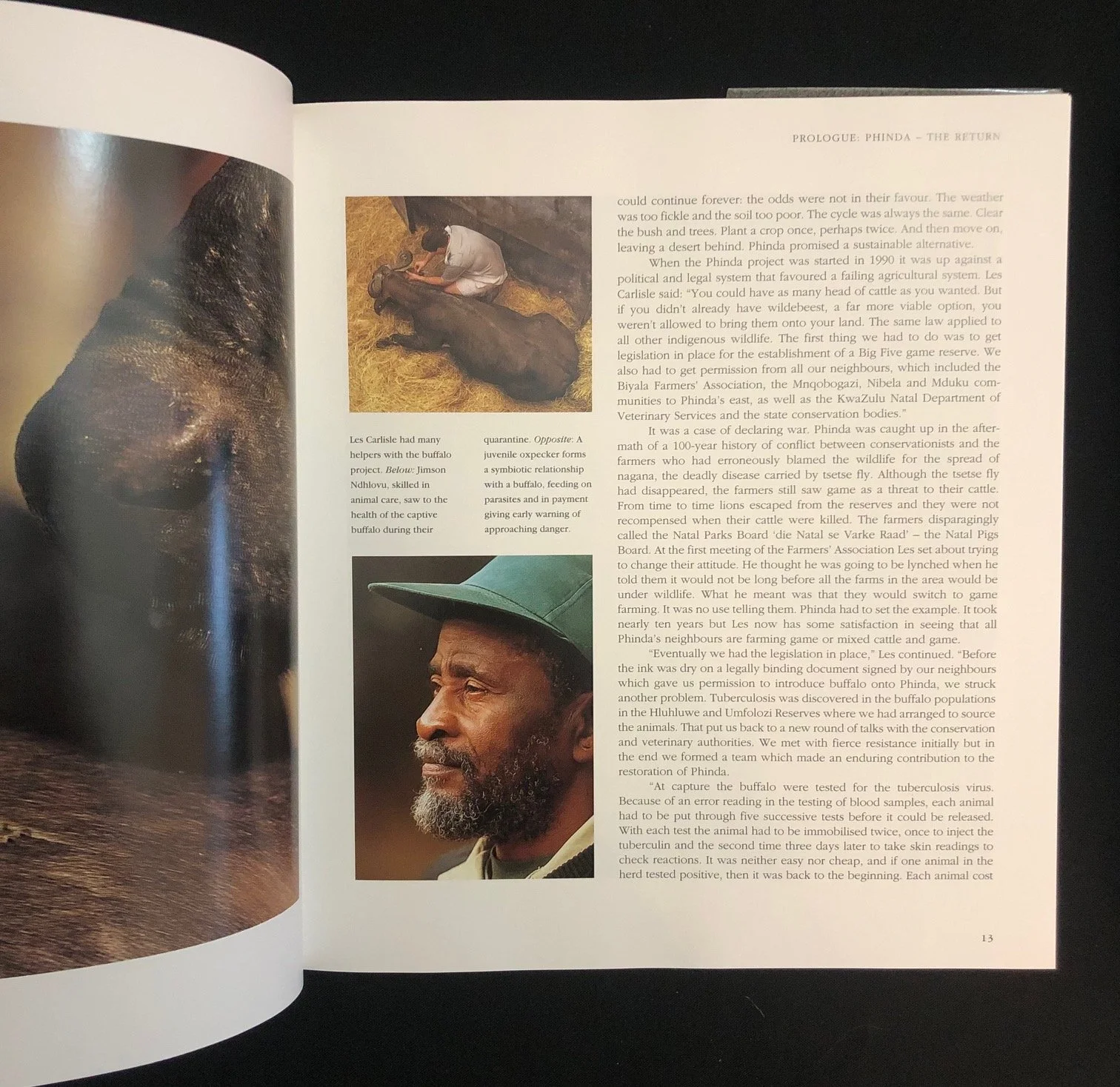
The founders (including the Varty family of Londolozi fame) engaged in an incredibly ambitious habitat restoration project. They tore down hundreds of kilometers of agricultural fencing, restored natural water systems, and initiated what was then the largest relocation of regional game onto private land in South African history. They brought back the "Big Five", but more importantly, they returned highly endangered species—most iconically the cheetah featured on the cover to a region where they had been entirely eradicated.
The Landmark Land Claim: A New Model
Perhaps the most historically significant chapter of the Phinda story happened after the initial years of restoration. In 2007, under South Africa's post-apartheid land restitution program, the local Makhasa and Mnqobokazi communities successfully lodged a formal claim on the land.
Instead of the reserve being dismantled or the communities being locked out, a historic deal was struck: The land ownership was restored to the community trusts. The communities immediately leased the land back to the conservation management company (now AndBeyond). The arrangement guaranteed that the land would remain a protected wildlife sanctuary in perpetuity, while generating direct rental income, employment, and bursaries for the local population.
The Authors: Eco-Pioneers
The authors, Shan Varty and Molly Buchanan, were at the absolute forefront of this movement. Alongside Dave Varty, they championed the ethos that "Care of the Land, Care of the Wildlife, Care of the People" are entirely interdependent.
This book stands as a vital primary record of the exact moment South African conservation grew a social conscience, proving that wildlife could serve as an economic engine to restore both degraded African soil and marginalized rural communities.
Book together with slipcase in very good condition.
Slipcase: 260mm x 295mm
R1,000