SWAN Pat Walsh - Secretive coastal defence operations of the Union Defence Forces (UDF)
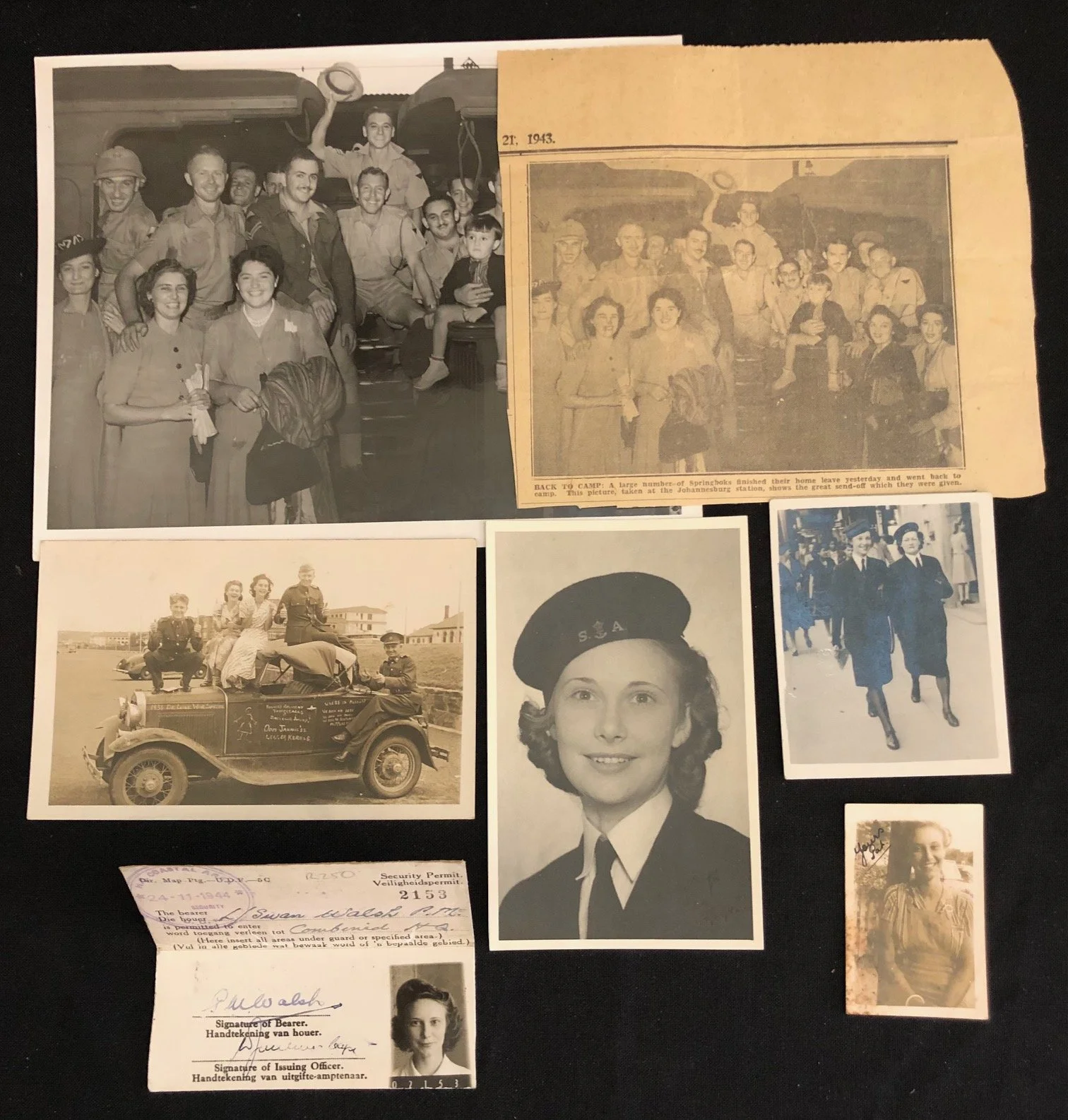
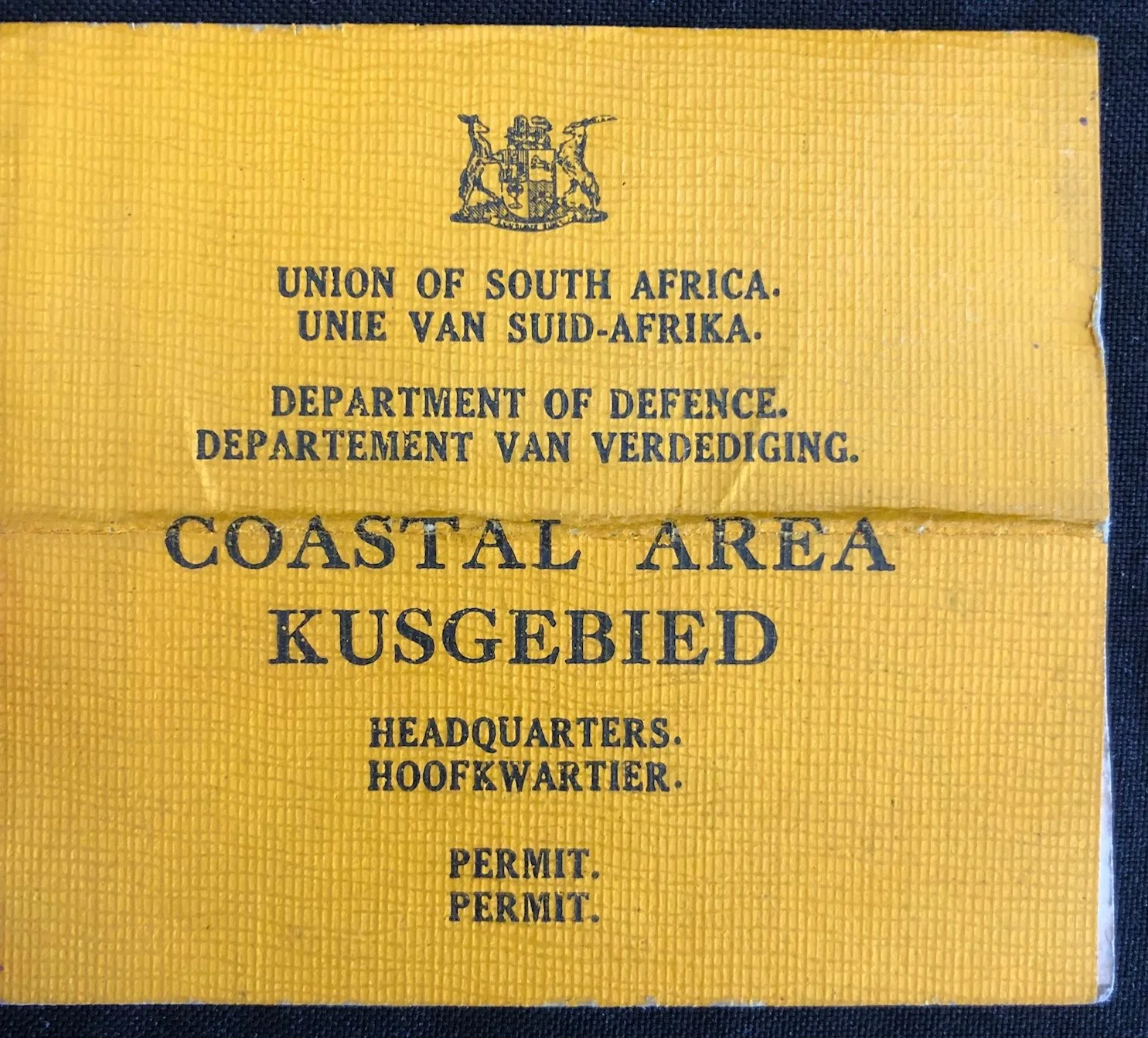
Rare South African military ephemera from World War II. The security permit and its distinctive yellow cover offers a fascinating glimpse into the secretive coastal defence operations of the Union Defence Forces (UDF) during the global conflict.
"Swan"—A Trailblazing Naval Woman
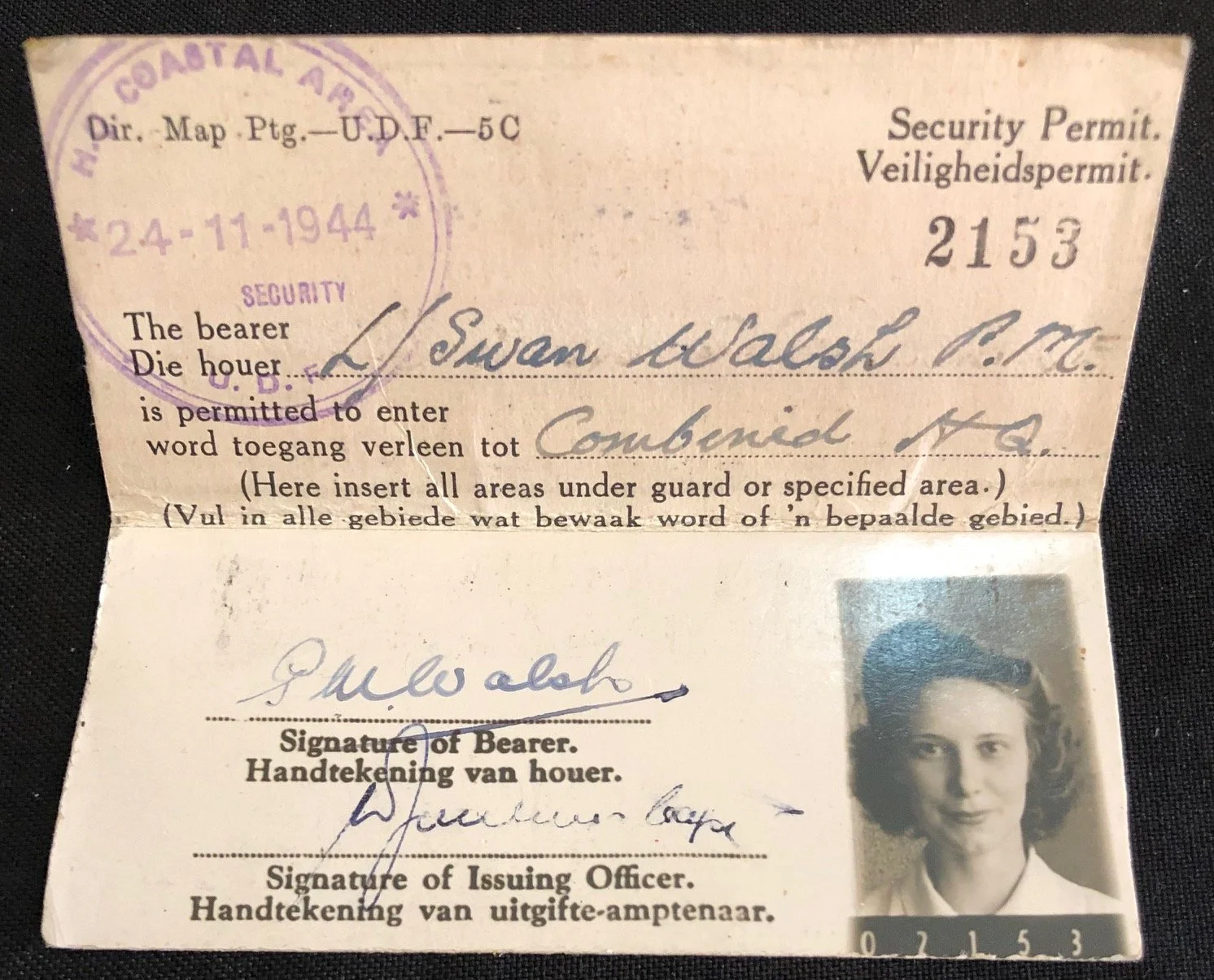
L/Swan Walsh P.M.
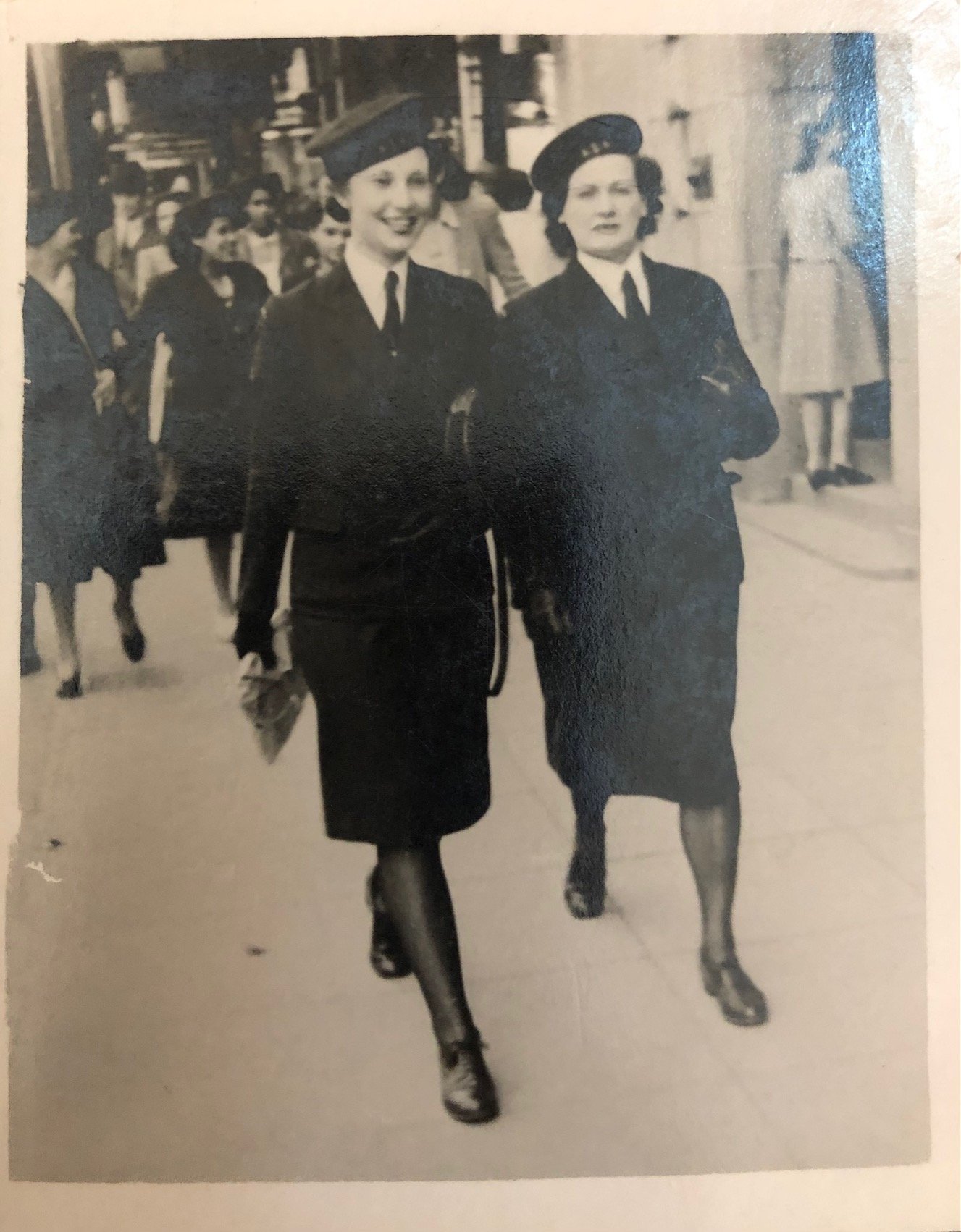
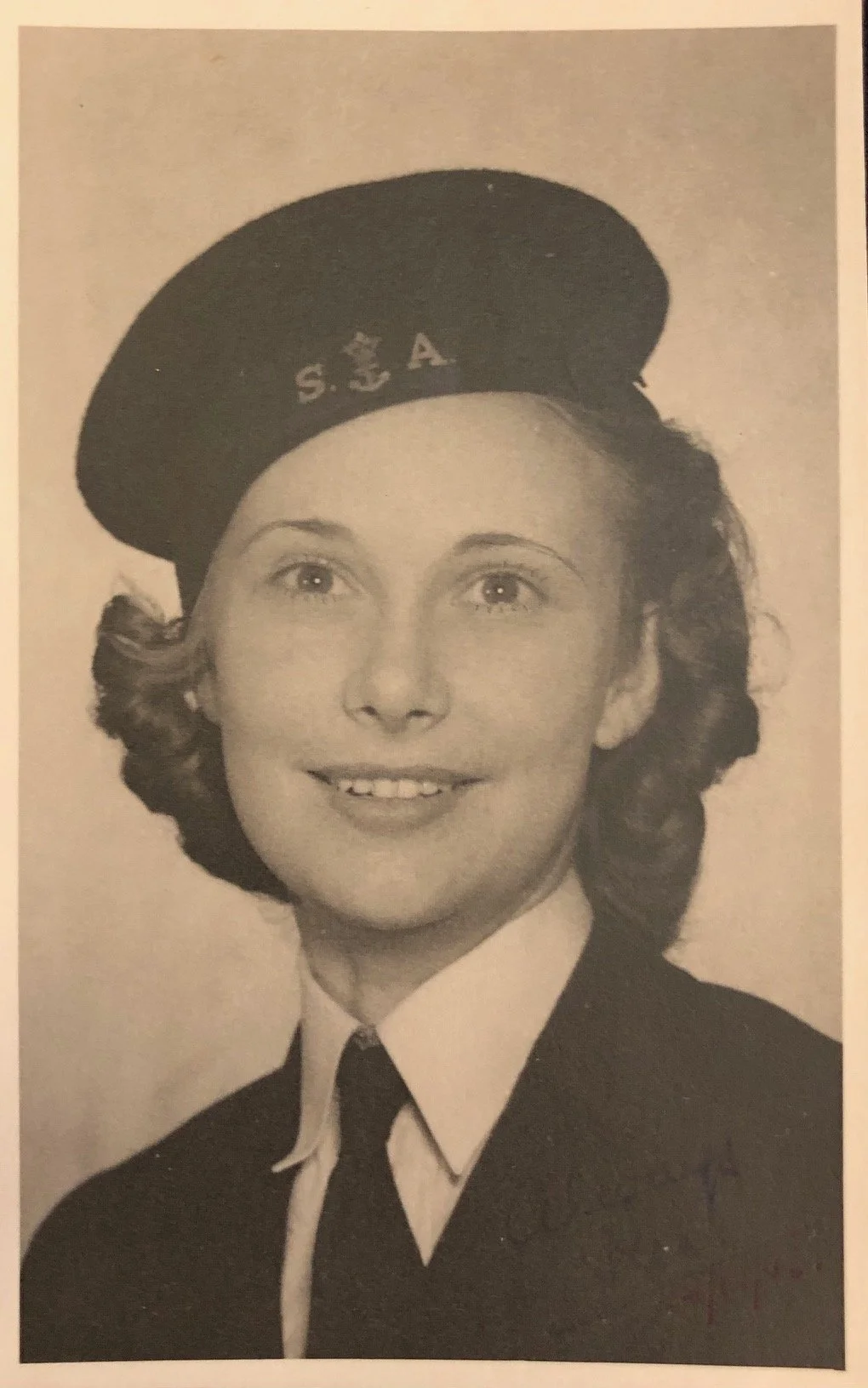
"Swan" stands for the South African Women's Auxiliary Naval Service (SWANS), established in October 1943. Based in Durban.
Modelled on the British "Wrens" (Women's Royal Naval Service), the Swans were created to free up male sailors from shore duties so they could be deployed to sea.
The "L/" prefix before her name indicates her rank: Leading Swan. Because it was an auxiliary service, they used unique rank structures (e.g., Able Swan, Leading Swan). There were fewer than 300 Swans initially active during the war, making any surviving personal artefact from a member incredibly scarce.
Access to the Secret "Combined HQ"
The permit grants Leading Swan Walsh permission to enter "Combined HQ" (Combined Headquarters).
During WWII, South Africa’s major ports (like Cape Town and Durban) were under constant threat from Axis forces, particularly German U-boats raiding Allied merchant shipping routes and Japanese reconnaissance aircraft.
To manage this threat, South Africa established Area Combined Headquarters. These top-secret underground or highly fortified bunkers brought together the Royal Navy, the South African Naval Forces, and the South African Air Force (SAAF) Coastal Command.
In these rooms, women like Walsh worked as plotters, signallers, and radar operators, tracking ship movements and coordinating air strikes against enemy submarines right off the South African coast.
Bureaucracy and the War-Time Language Transition
The bilingual layout of the pass—featuring English and Afrikaans side-by-side (Security Permit / Veiligheidspermit, Coastal Area / Kusgebiet)—captures a very specific political moment in South Africa's history.
Under Prime Minister Jan Smuts, South Africa narrowly voted to join WWII on the side of the Allies in 1939, a decision that deeply fractured the local population (many of whom opposed supporting Britain).
The strict military bureaucracy shown on this card was part of Smuts' effort to keep wartime operations tightly controlled against potential internal sabotage or espionage.
The "Dir. Map Ptg." Connection
The stamp at the top left reads "Dir. Map Ptg.—U.D.F.—5C" (Directorate of Map Printing, Union Defence Forces). South Africa’s mobile map printing and geographic companies were world-class during the war, producing millions of highly accurate maps for the East African, North African, and Italian campaigns. The presence of this specific group's stamp suggests this Combined HQ branch was heavily involved in coastal mapping or hydrographic intelligence.
Pat Walsh ended up living in Loch Ave, Parktown, Johannesburg.
Various sizes.
R800