South African Union of Jewish Students (1987)
Silkscreen 1987.
This is a striking piece of political ephemera that links international human rights activism with South African student politics.
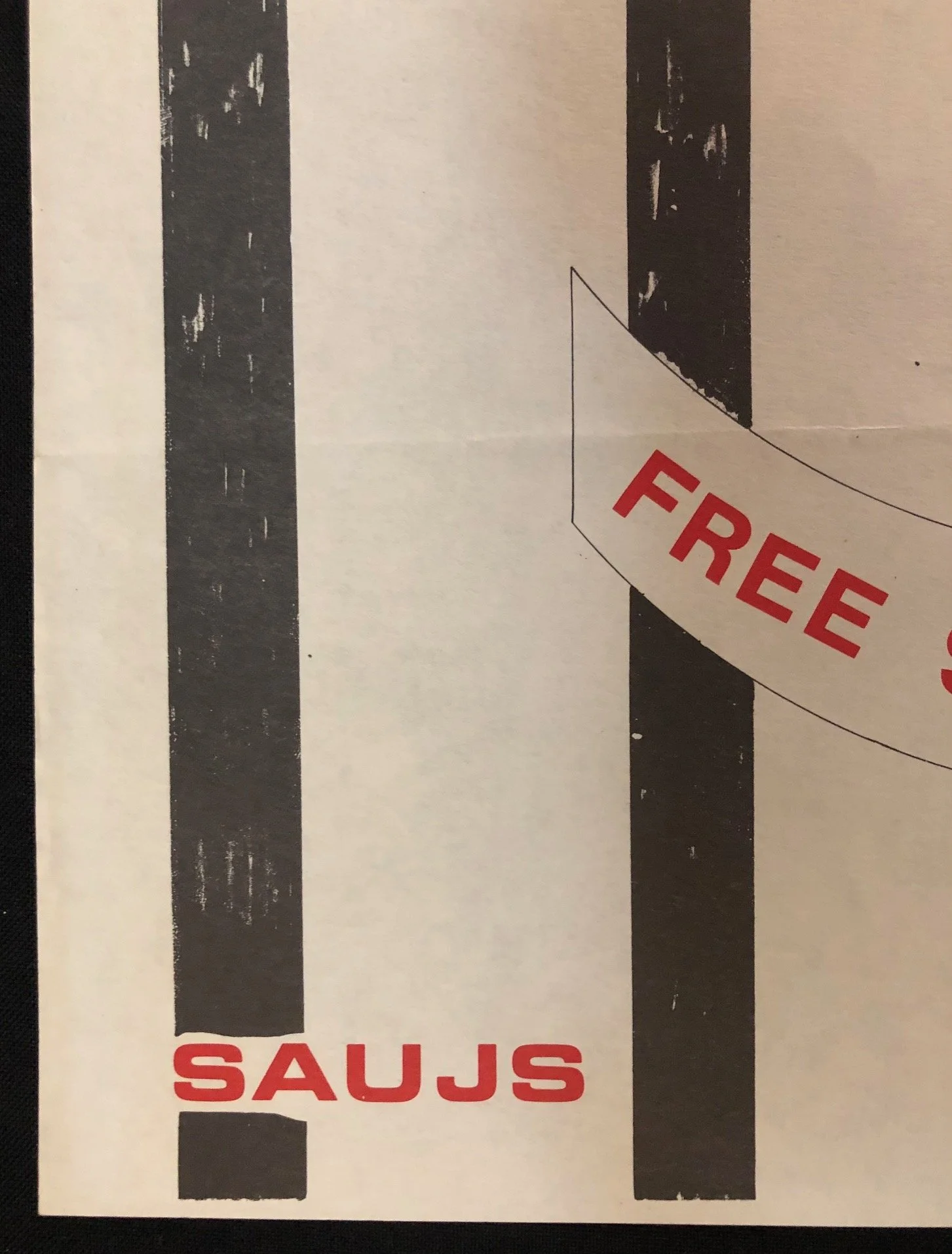
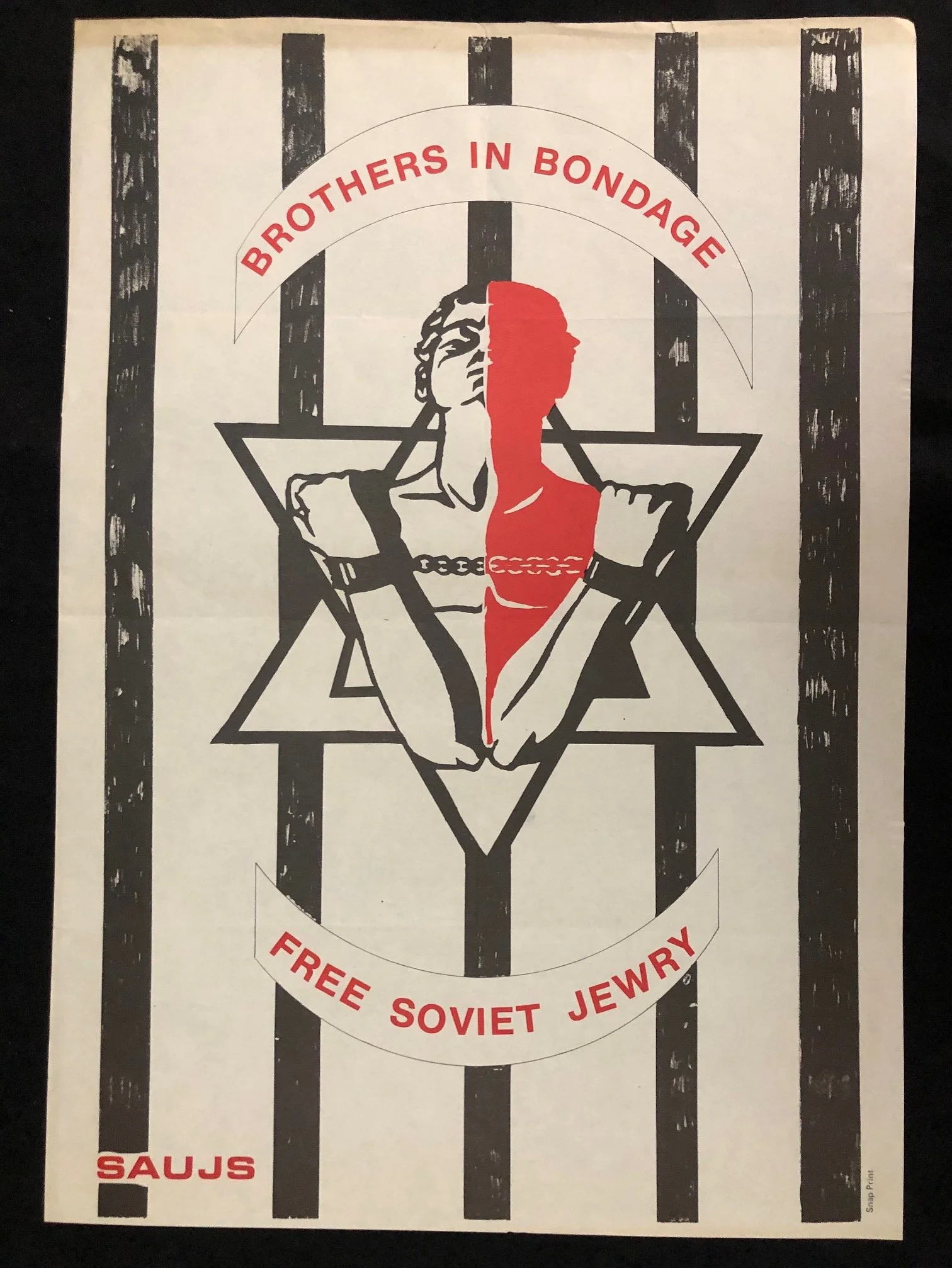
The acronym SAUJS in the top right stands for the South African Union of Jewish Students. The poster was part of the global "Free Soviet Jewry" movement, which gained significant momentum from the late 1960s through the 1980s. It sought to allow Jews living in the Soviet Union (often called "Refuseniks") to emigrate, primarily to Israel or the West.
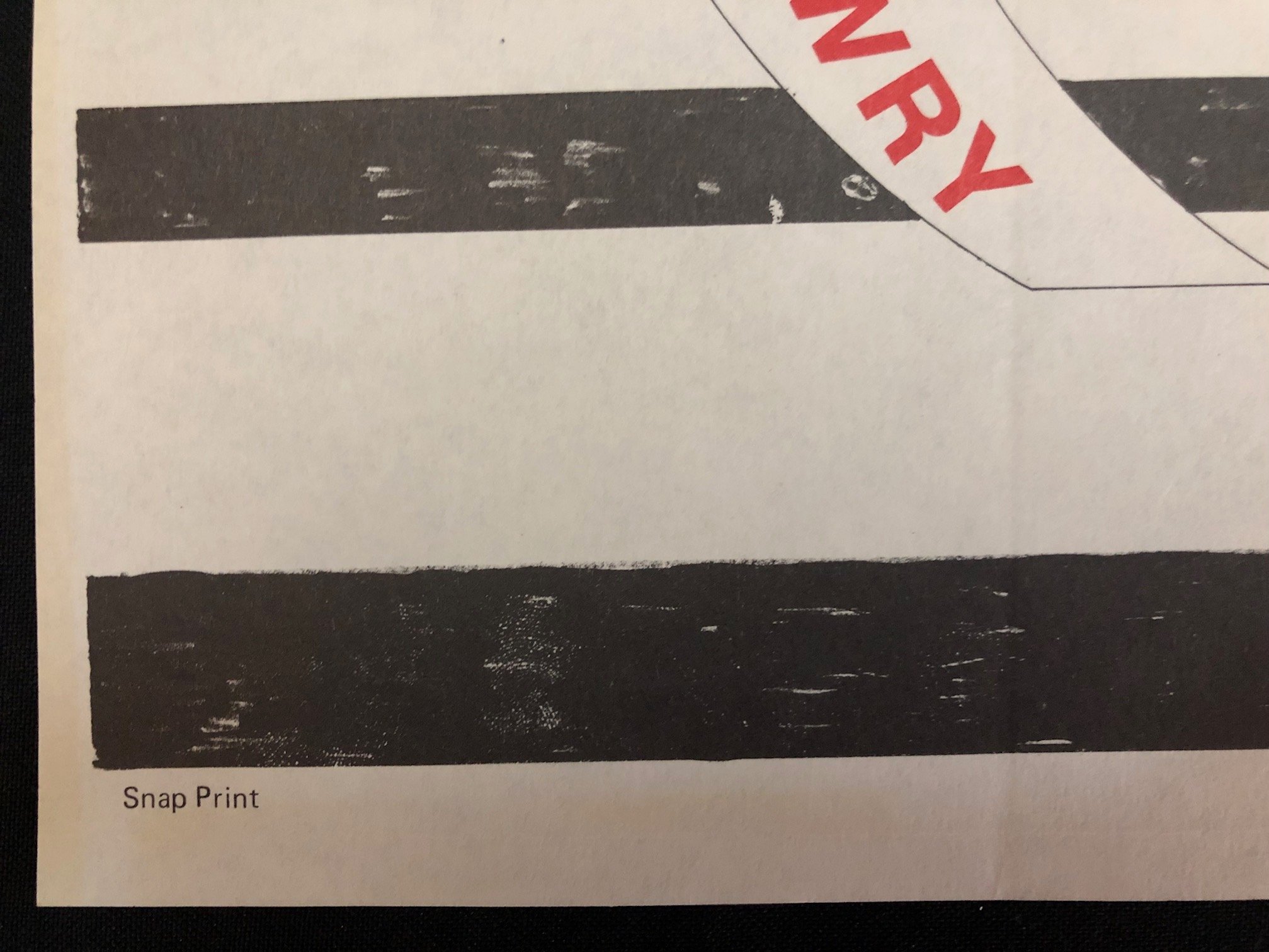
There is a small "Snap Print" mark on the edge, a common quick-print service used for campus activism. The design uses high-contrast, aggressive imagery typical of protest art from this era:
• The black vertical stripes represent prison bars, evoking the "Iron Curtain" and the literal imprisonment of activists in Soviet labor camps.
• A stylized, bound central figure is superimposed over a Star of David. The figure is chained at the wrists, emphasizing the "bondage" mentioned in the text.
• The use of red is symbolic—representing both the "Red" of the Soviet Union and the blood or suffering of those held there.
• The poster is designed with a dual-reading format (text at both top and bottom), making it effective whether held up at a rally or pasted onto a wall.
Historical Context in South Africa
This poster is particularly interesting because of the specific South African context:
• During the 1970s and 80s, SAUJS was active on liberal campuses like Wits and UCT. While many Jewish students were involved in the anti-Apartheid movement, SAUJS also focused heavily on Zionism and the plight of Jews globally.
• Protests like this sometimes created complex dynamics on South African campuses. Activists would call for freedom in the USSR while simultaneously navigating the local struggle against Apartheid. The phrase "Brothers in Bondage" was intended to create a sense of global ethnic solidarity.
Rarity and Interest
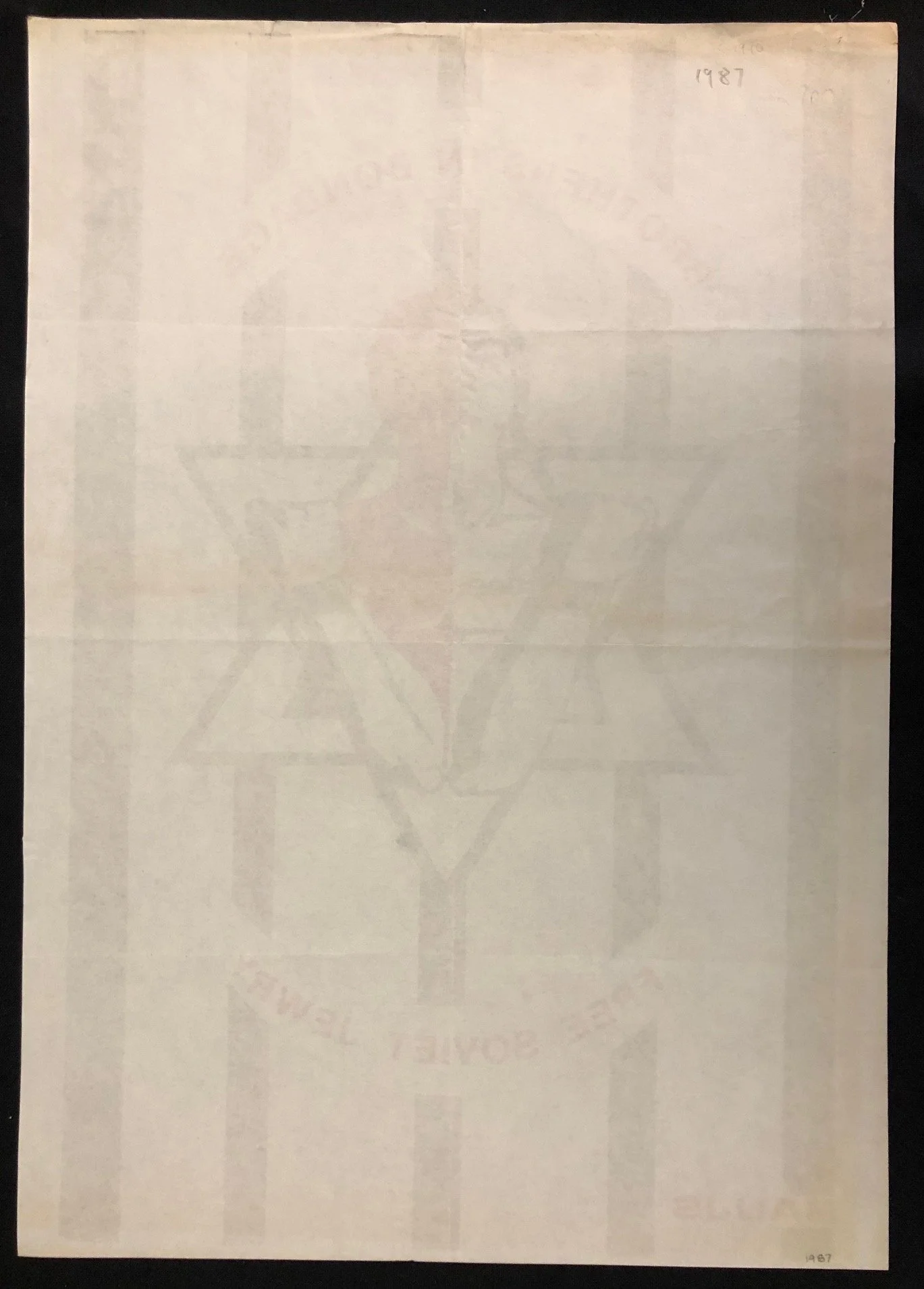
Campus-produced posters like this are often quite rare. They were usually printed on cheap paper, intended to be stuck up with wheat paste and torn down shortly after. Finding one in this clean, un-pasted condition suggests it may have been kept in a private archive or remained as "dead stock" from a student union office.
It serves as a great example of how international Cold War issues played out within the South African student political landscape.
303mm x 430mm
R2,500