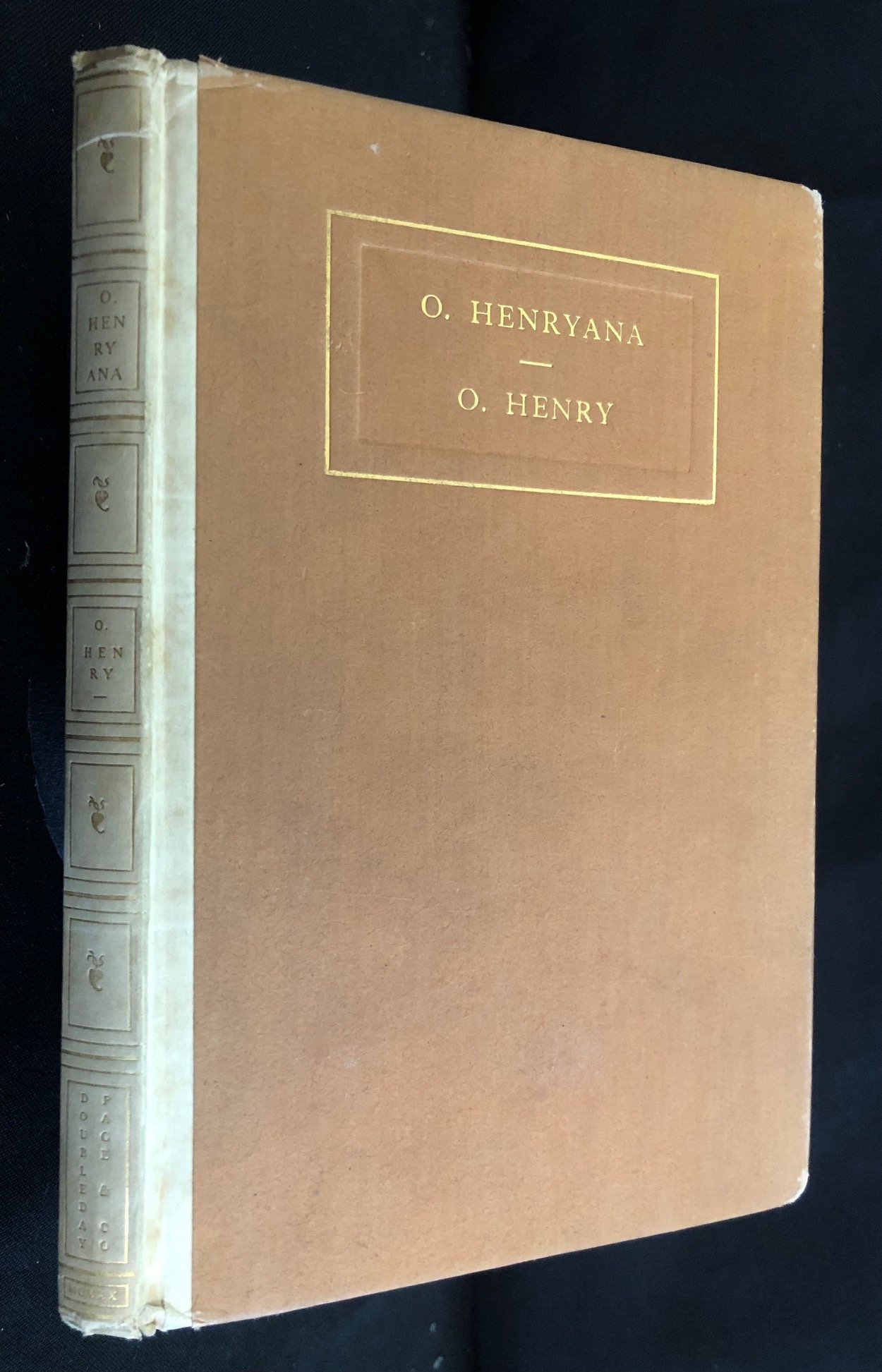
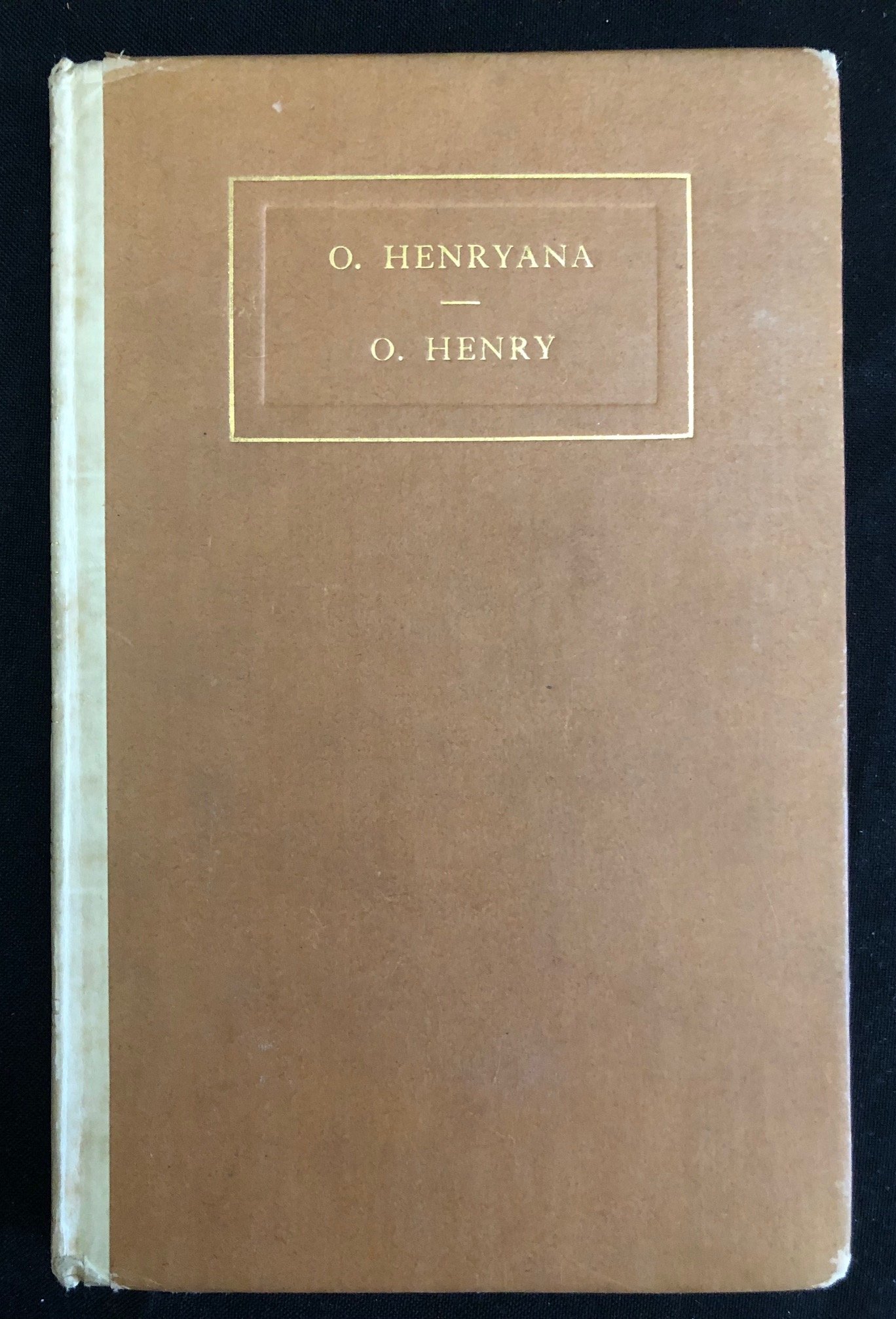
O. Henryana: Seven Odds and Ends, Poetry and Short Stories. Limited edition (1920)
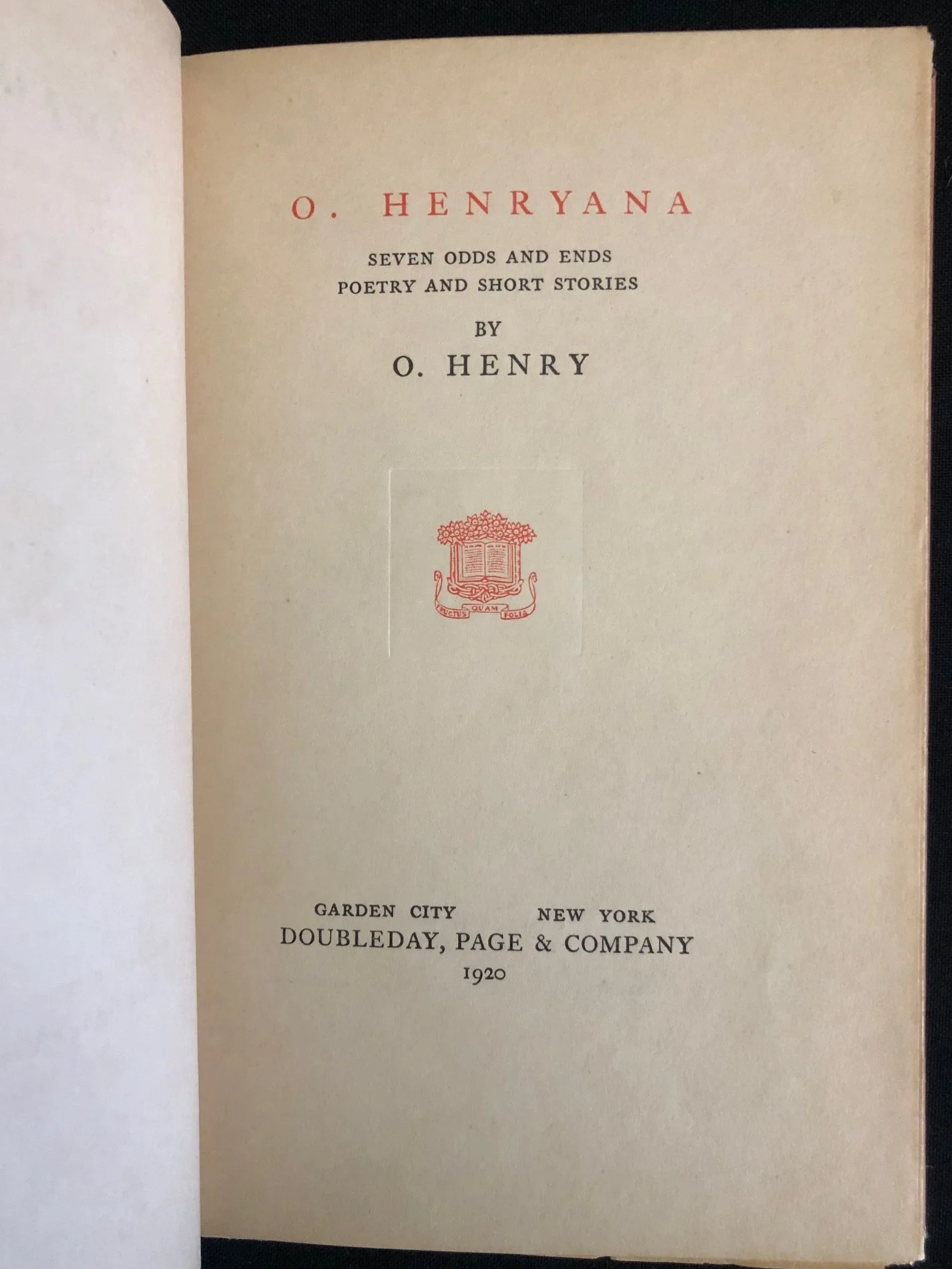
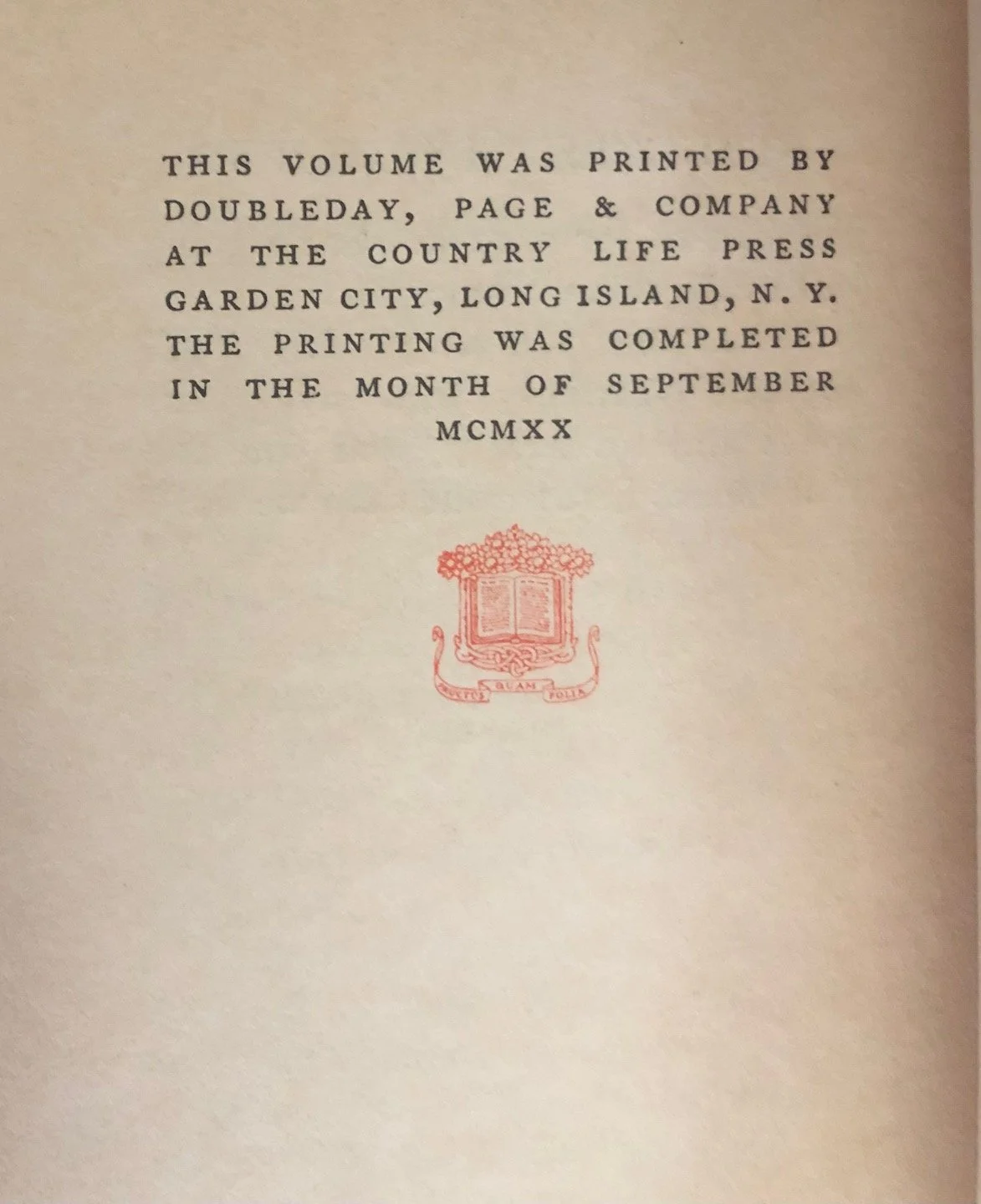
Published posthumously in 1920 by Doubleday, Page & Company.
While O. Henry (the pen name of William Sydney Porter) is world-famous for his witty, twist-ending short stories like The Gift of the Magi, this specific volume holds a fascinating place in American publishing history and the cult of author fandom.
A High-End Ghost from the Fine Press Movement
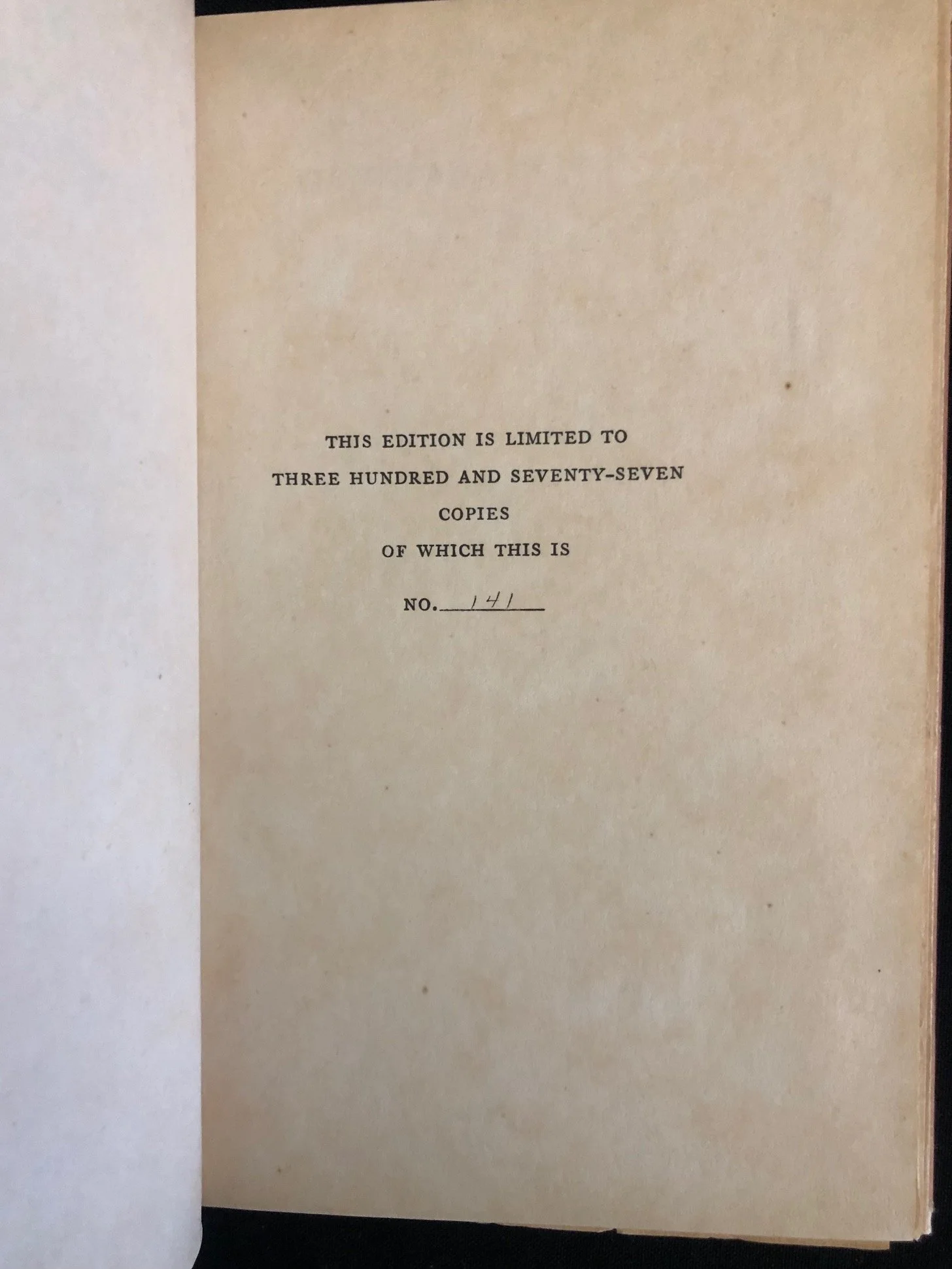
By 1920, O. Henry had been dead for a decade, and his popularity was monumental. Doubleday didn't publish this as a standard trade edition for the masses. Instead, O. Henryana was issued as a strict, luxury limited edition of only 271 copies (with only 250 made available for sale).
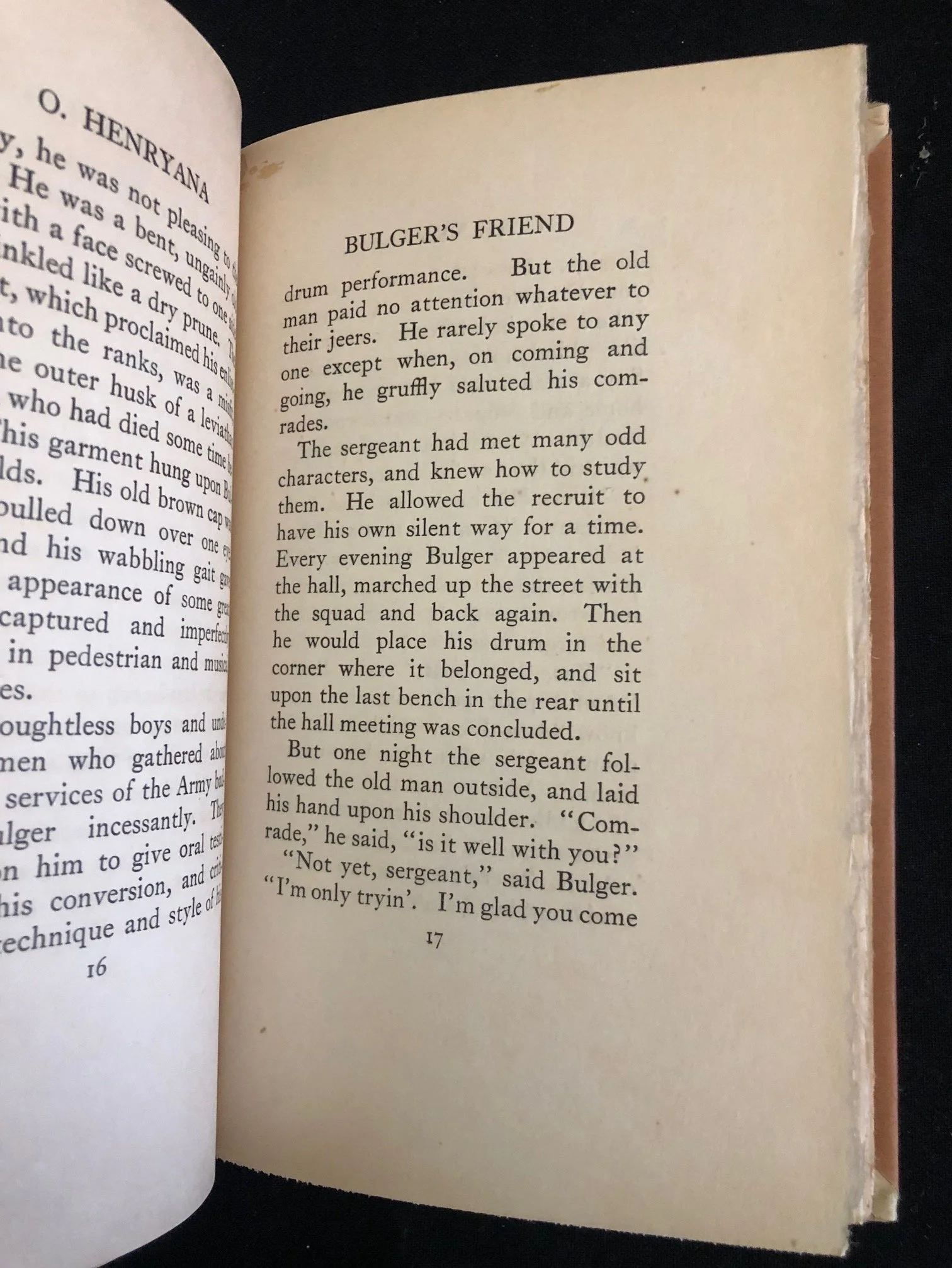
It was printed on high-quality, deckle-edged handmade paper, designed to appeal directly to the burgeoning market of wealthy American book collectors who valued fine typography and exclusivity.
Scraping the Bottom of the Literary Barrel
The subtitle "Seven Odds and Ends" is entirely literal. By 1920, O. Henry’s publishers had already thoroughly mined his archives for every completed short story they could find to feed a hungry public. O. Henryana represents the ultimate literary salvage operation.
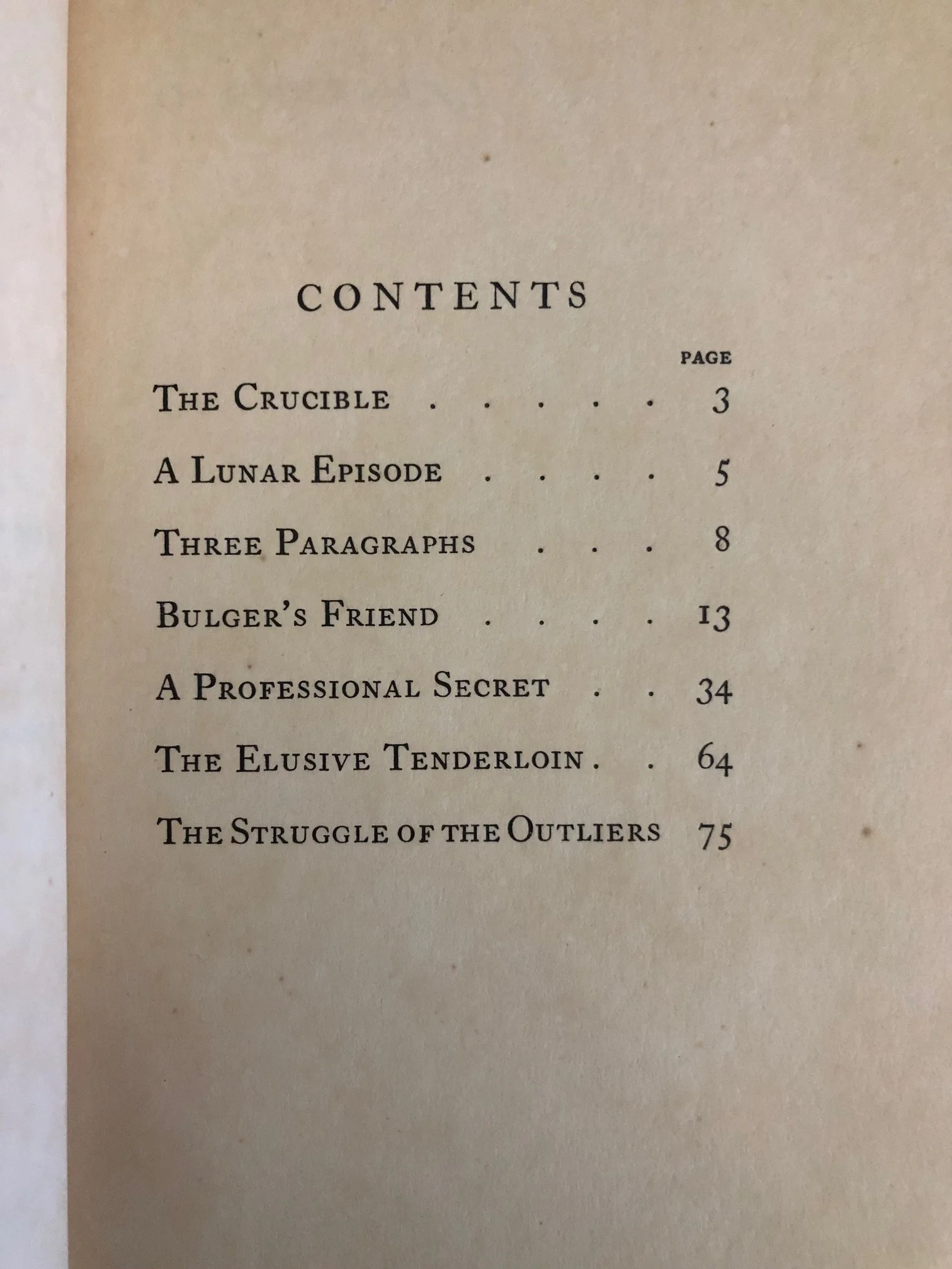
It contains:
A handful of early, obscure poems he wrote while living in Texas.
Unfinished sketches and fragments.
Two early short stories ("The Crucible" and "A Lunar Episode") that had been left out of his major collected anthologies.
Because it collected his final unpolished remnants, it offers a rare, raw look at Porter's writing process before his work was heavily polished by magazine editors.
The Irony of the Luxury Treatment vs. Porter's Life
There is a profound historical irony to the beautiful, pristine presentation of this 1920 volume. The book is an elite piece of fine printing, yet William Sydney Porter’s actual life was remarkably gritty and chaotic. He famously began writing his trademark short stories while serving time in the Ohio State Penitentiary for embezzlement under his real name. Throughout his subsequent literary stardom in New York, he was plagued by severe alcoholism, constant financial desperation, and a habit of writing his stories on deadline on cheap yellow scratchpad paper in dimly lit taverns.
The Doubleday, Page & Co. "Garden City" Imprint
The imprint reads: "Garden City, New York." Just a decade prior to this publication, in 1910, Doubleday famously moved its entire printing operation out of crowded Manhattan to a utopian, purpose-built "Country Life Press" complex in Garden City, Long Island.
The complex had its own gardens, railway station, and a massive sundial displaying the history of printing. This book is a prime example of the exceptional craftsmanship that came out of that specific, short-lived era of grand American industrial-rural printing plants.
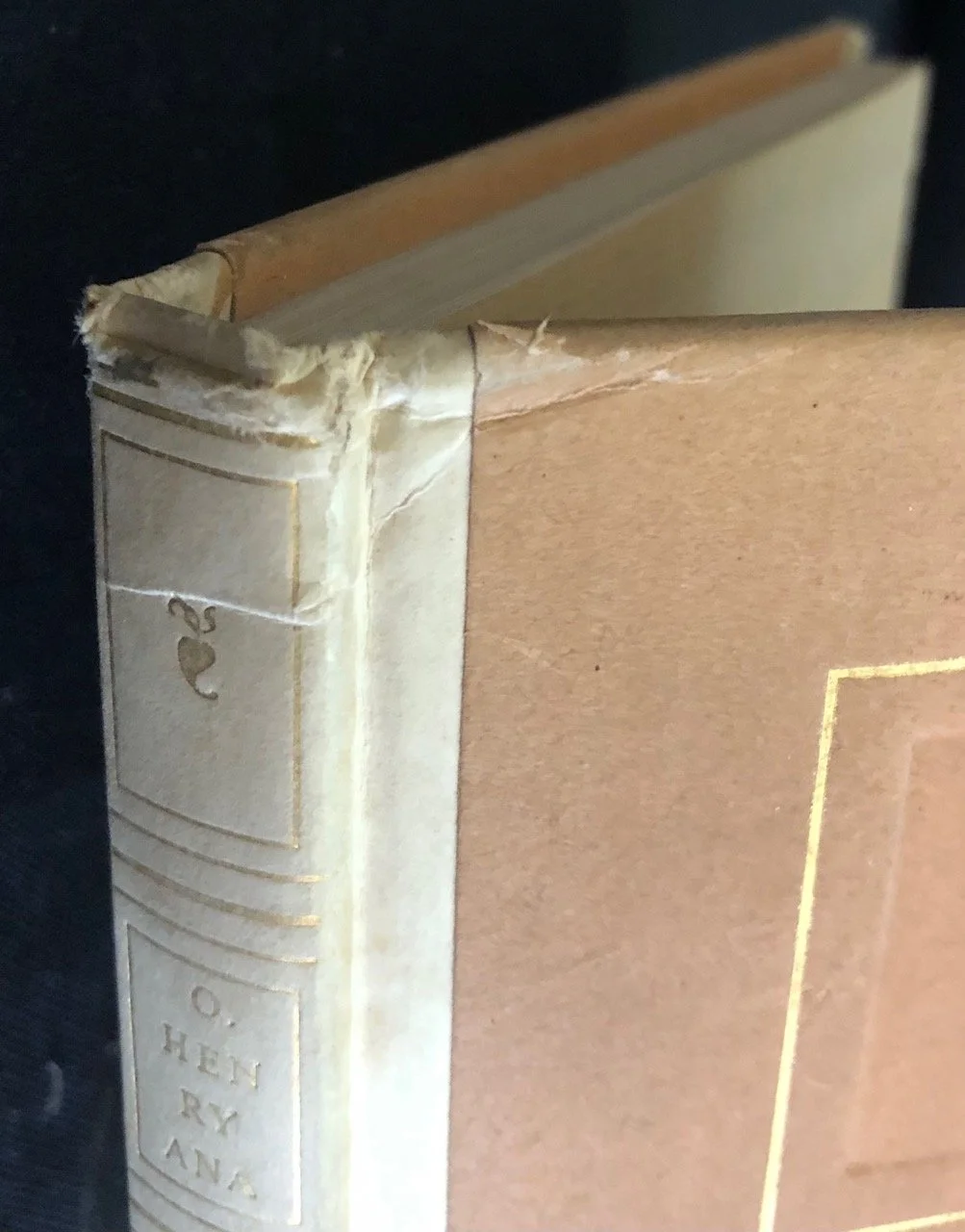
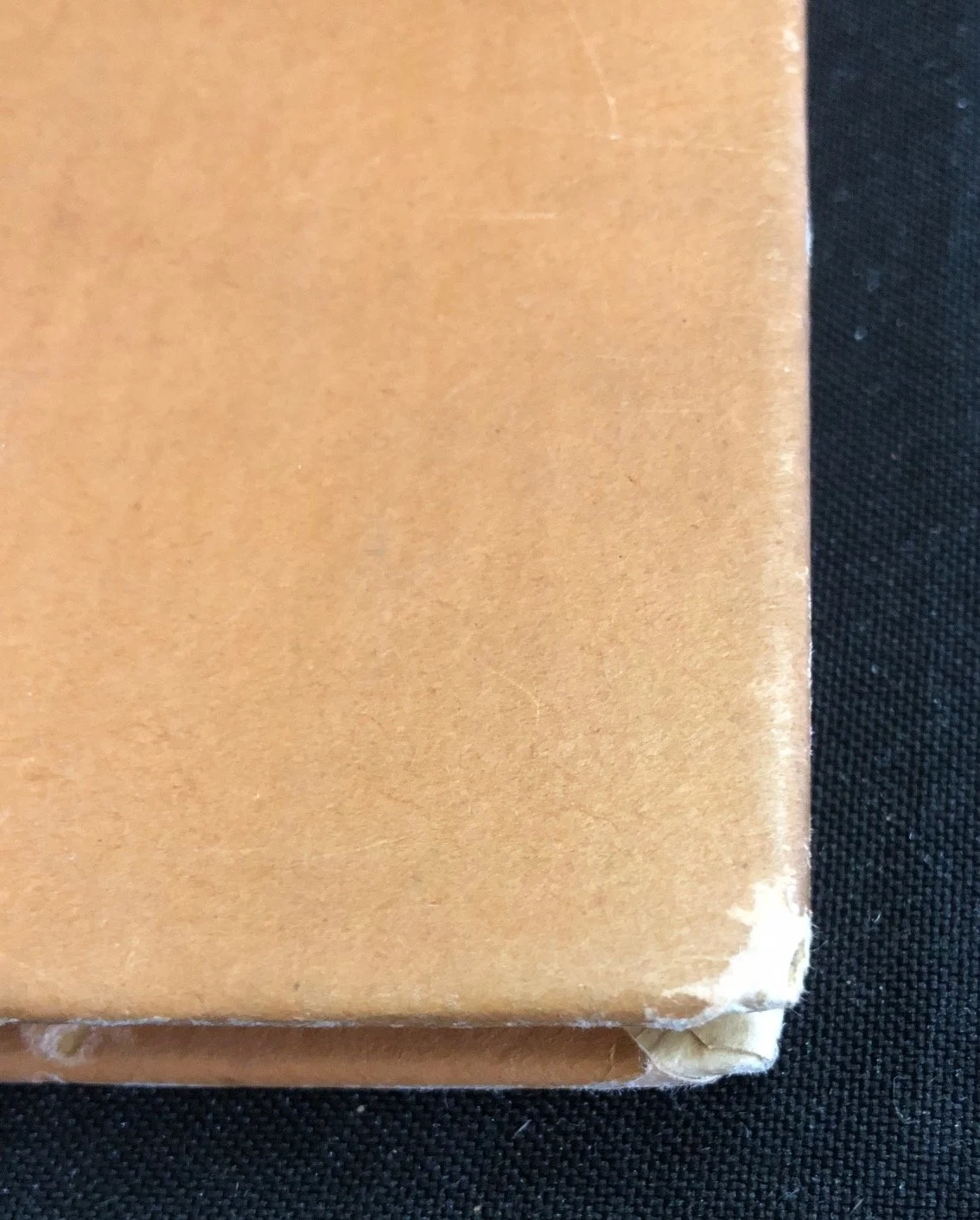
Wear to the edges; paper mellowed slightly.
125mm x 200mm
R800
See also https://jamesfindlaycollectablebooks.com/private-press-books/four-stories