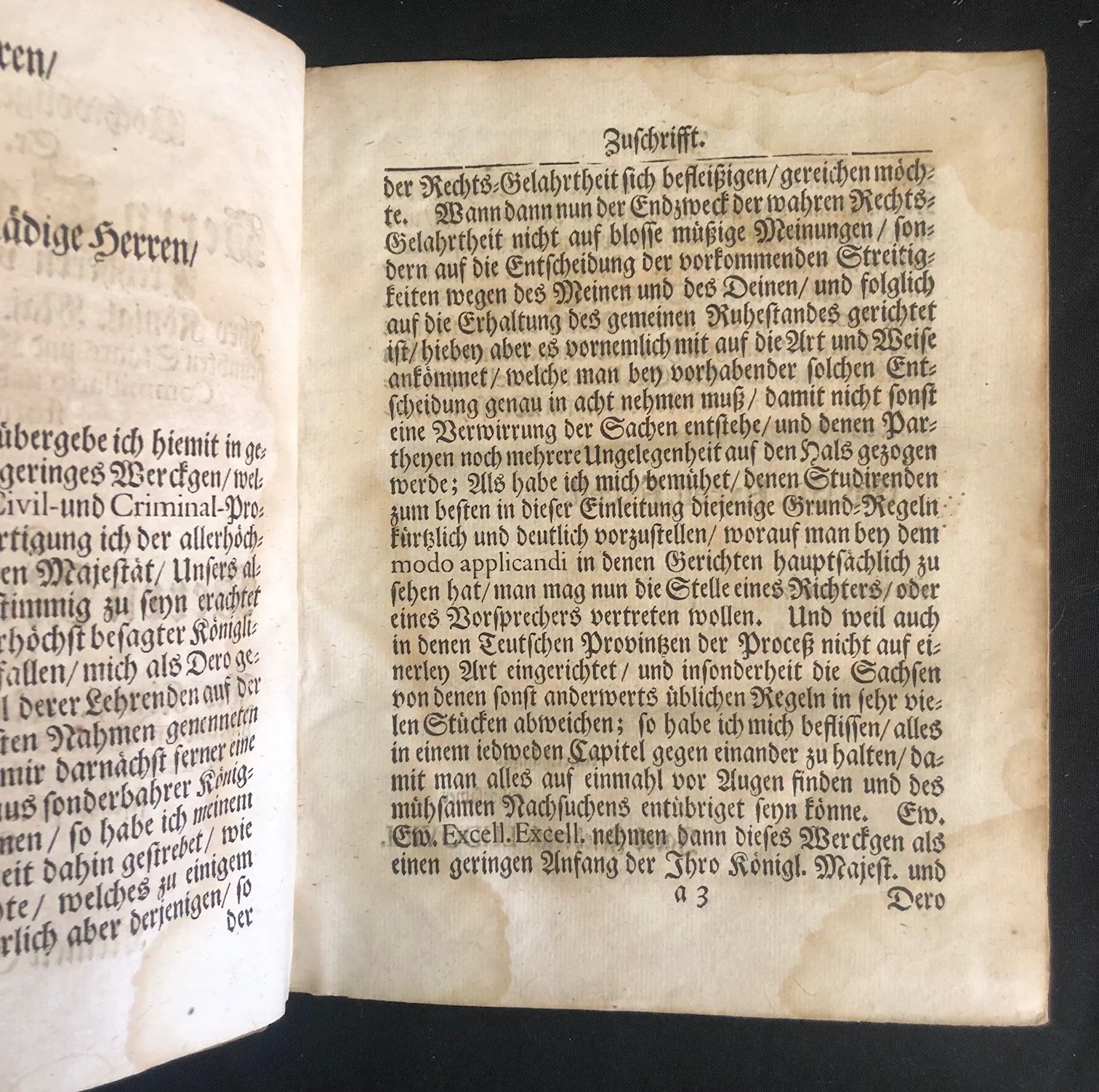
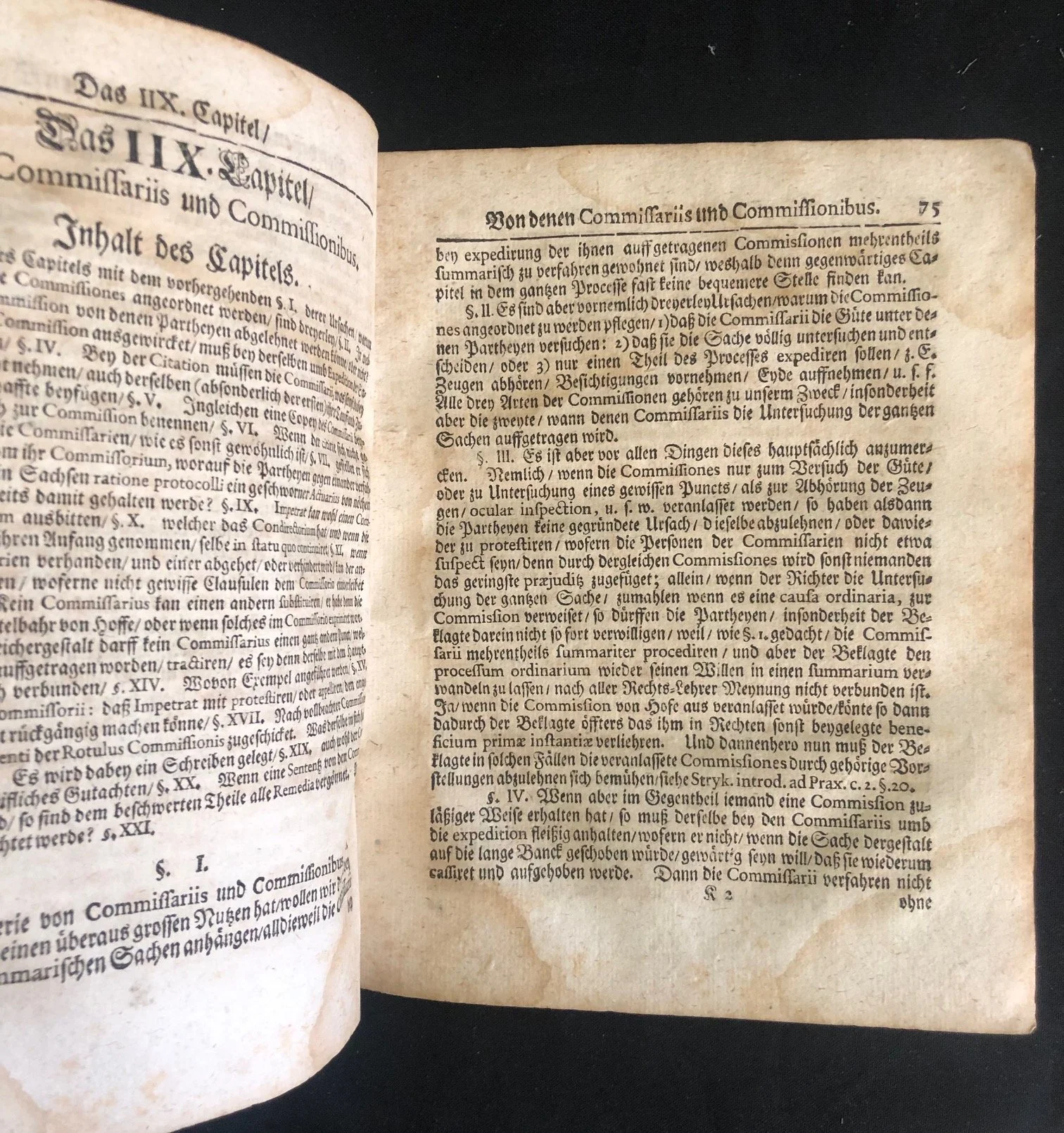
Jacob Friedrich Ludovici’s Einleitung zum Civil-Proce 1710
(Introduction to Civil Procedure).
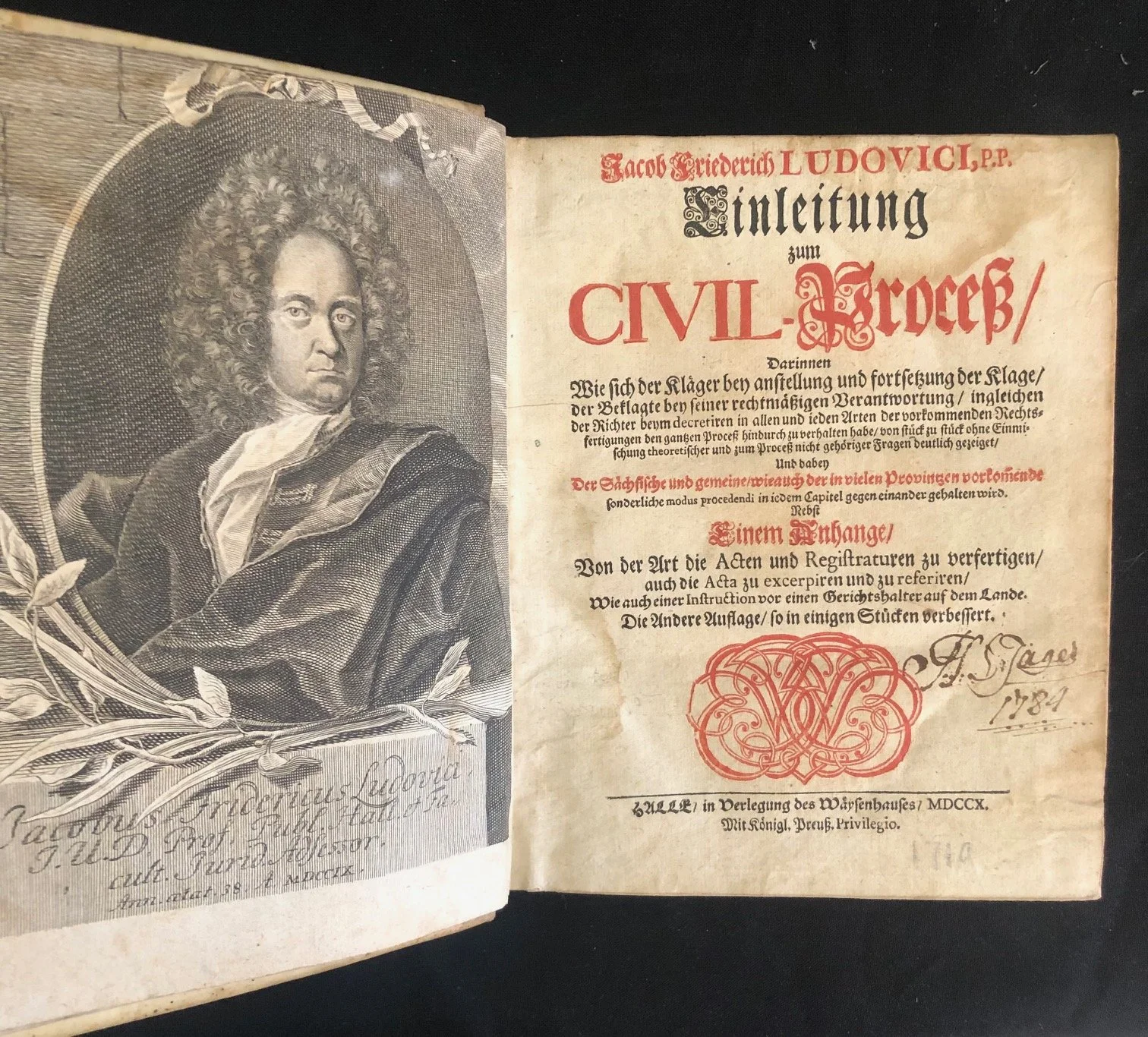
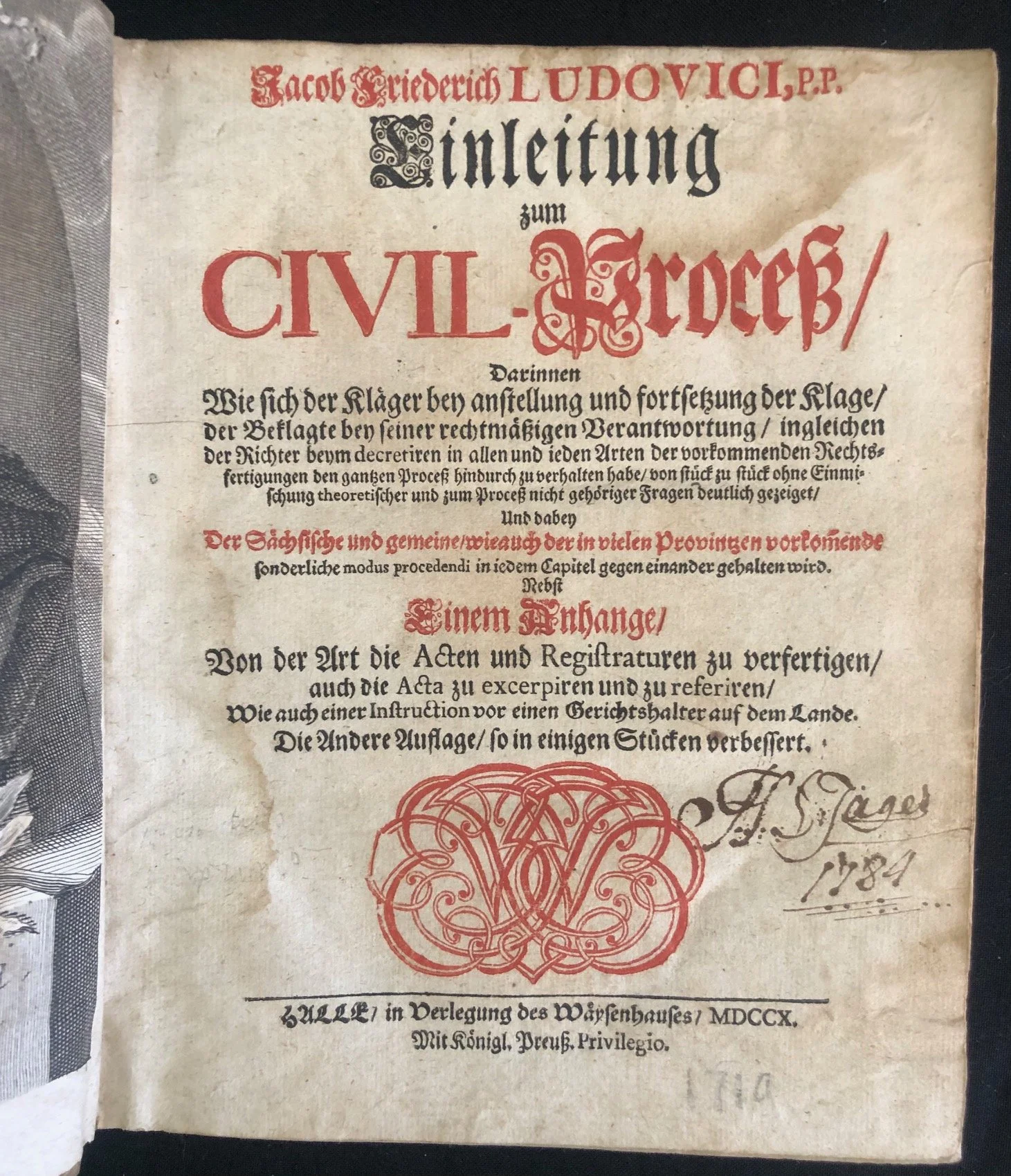
Jacob Friedrich Ludovici’s Einleitung zum Civil-Proceß (Introduction to Civil Procedure), printed in 1710 (MDCCX) in Halle at the press of the Waisenhaus (Orphanage).
This book represents the intersection of early Enlightenment Roman-Dutch legal context, radical German printing history, and a beautifully documented chain of provenance.
The Core of South African Common Law: The Roman-Germanic Tradition
While this book was printed in Halle, Germany, its legal philosophy is bound up with the history of continental European law, which holds tremendous relevance for jurisdictions built on the uncodified Roman-Dutch civil tradition.
Jacob Friedrich Ludovici (1671–1723) was one of the most celebrated jurists of the early German Enlightenment. He was a pioneer in transitioning academic law away from archaic Latin treatises into the vernacular German tongue, making the mechanics of civil lawsuits accessible to practicing lawyers, clerks, and magistrates rather than just cloistered academics.
His works on civil procedure and Justinian law heavily influenced the pan-European understanding of Roman law during the 18th century—the exact body of common law that was simultaneously being codified, practiced, and exported by Dutch jurists to colonial outposts like the Cape of Good Hope.
The Radical Publisher: The Halle Waisenhaus (Orphanage Press)
Published "in Verlegung des Wäysenhauses" (in the publishing house of the Orphanage). This is not just a random charitable imprint; it represents one of the most economically powerful and technologically advanced printing operations of the 18th century.
Founded by the Pietist reformer August Hermann Francke in Halle, the Orphanage built its own paper mill, printing house, and type foundry to fund its massive social programs and schools.
Because it was granted a royal printing monopoly (Mit Königl. Preuß. Privilegio / With Royal Prussian Privilege, as seen at the very bottom), the Waisenhaus Press became an industrial juggernaut. It was famous for printing millions of affordable Bibles, but it subsidized those charitable endeavors by printing top-tier, highly authoritative academic and legal textbooks like Ludovici's Civil-Proceß.
The 18th-Century Provenance Ink
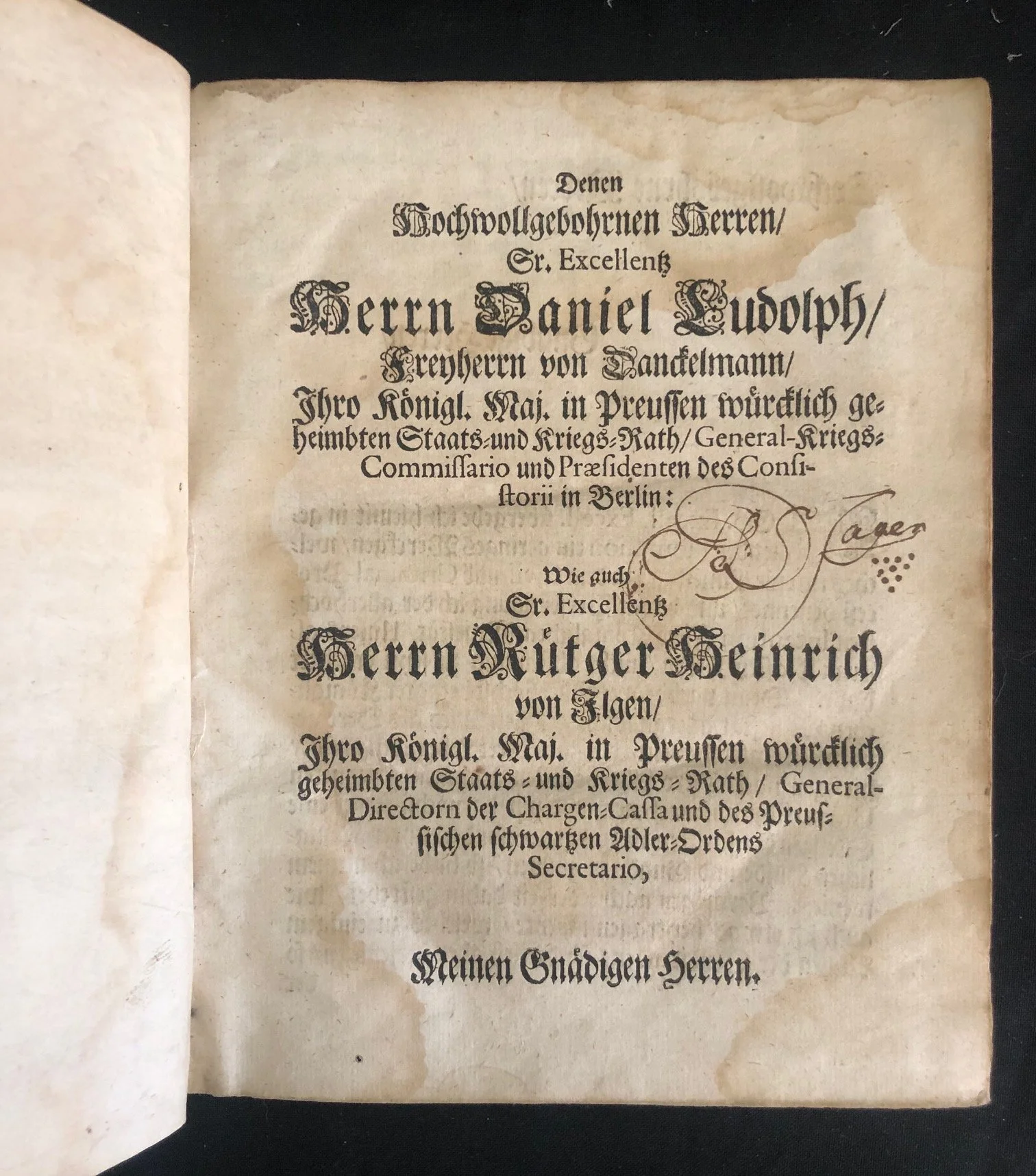
The page features a marvellous, crisp ownership inscription on the right side: "F. J. Jäger / 1784", written in a beautiful, flowing 18th-century hand.
Below the main text, someone has also lightly penciled the Arabic numerals "1710", translating the Roman numeral date MDCCX for quick reference.
Typographical Aesthetic: Rubrication & Fraktur
From a book-history perspective, the title page is a stunning example of late Baroque German printing.
It uses striking rubrication (alternating red and black ink), a costly two-step printing process reserved for significant reference works to give them a sense of institutional gravity.
The mix of massive, ornamental German Fraktur type for the main title (Einleitung zum Civil-Proceß) alongside Roman capitals for the author’s name (LUDOVICI) perfectly captures a linguistic transition era, as German legal scholars began asserting their academic identity alongside classical Latin traditions.
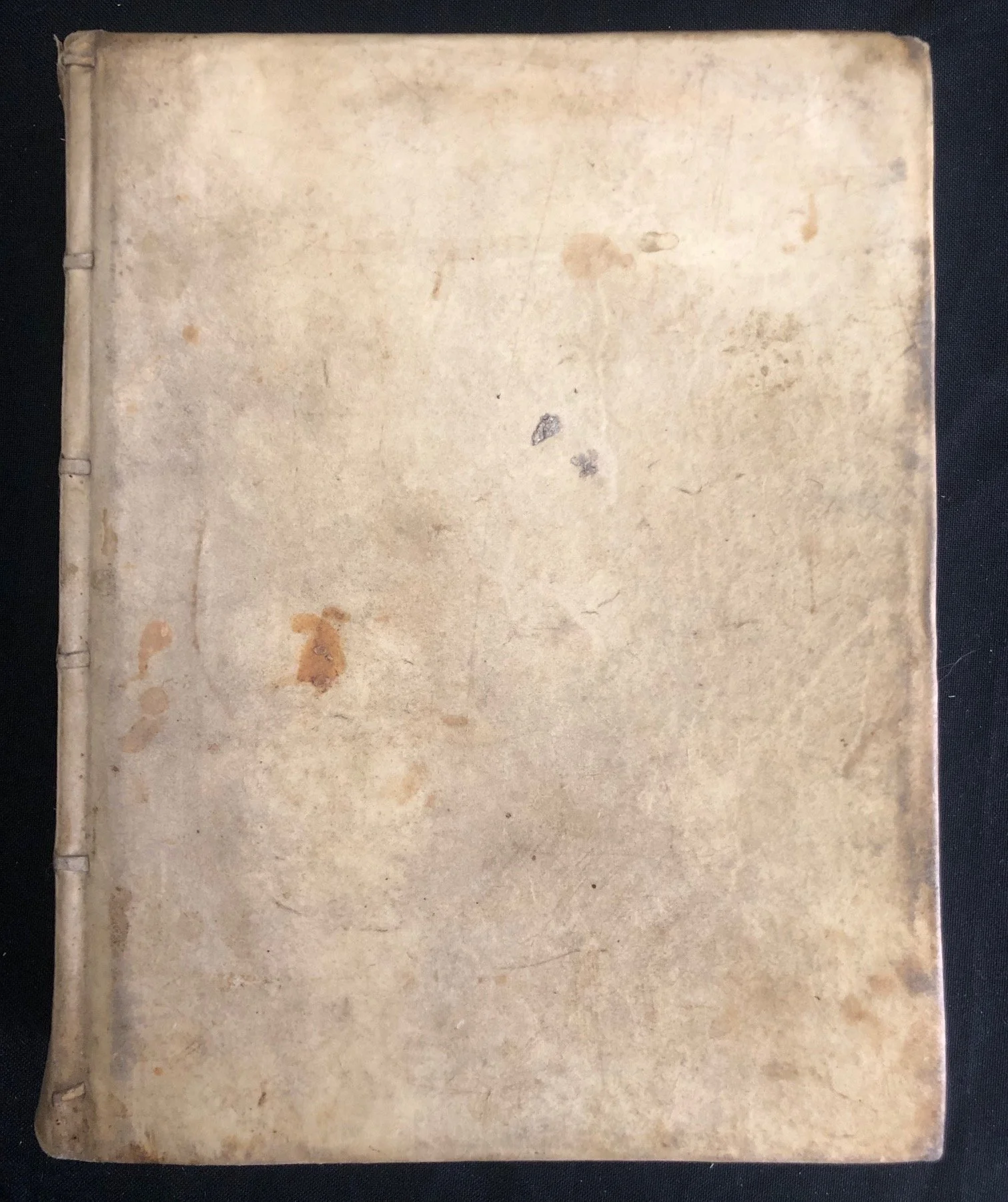
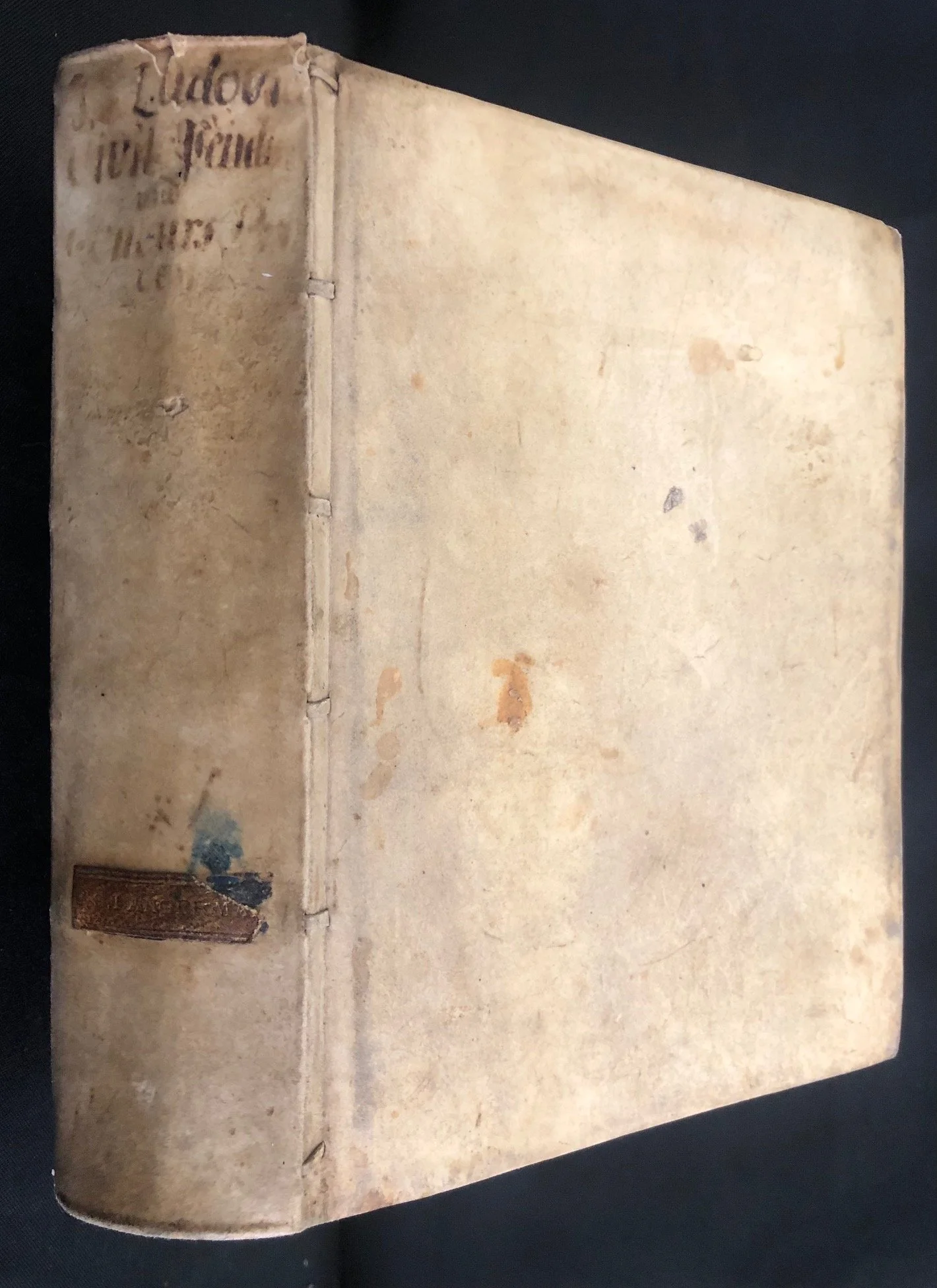
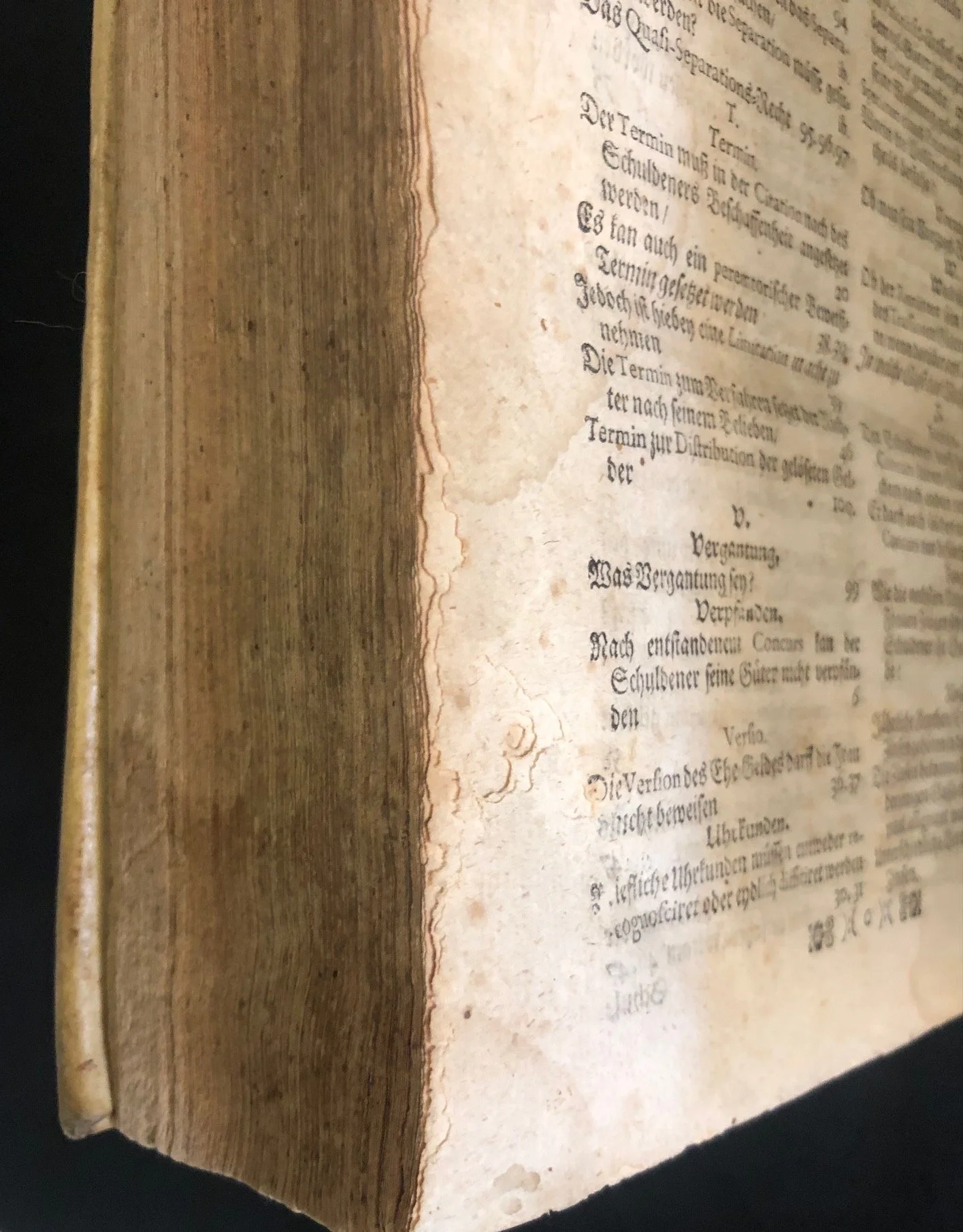
170mm x 210mm x 50mm
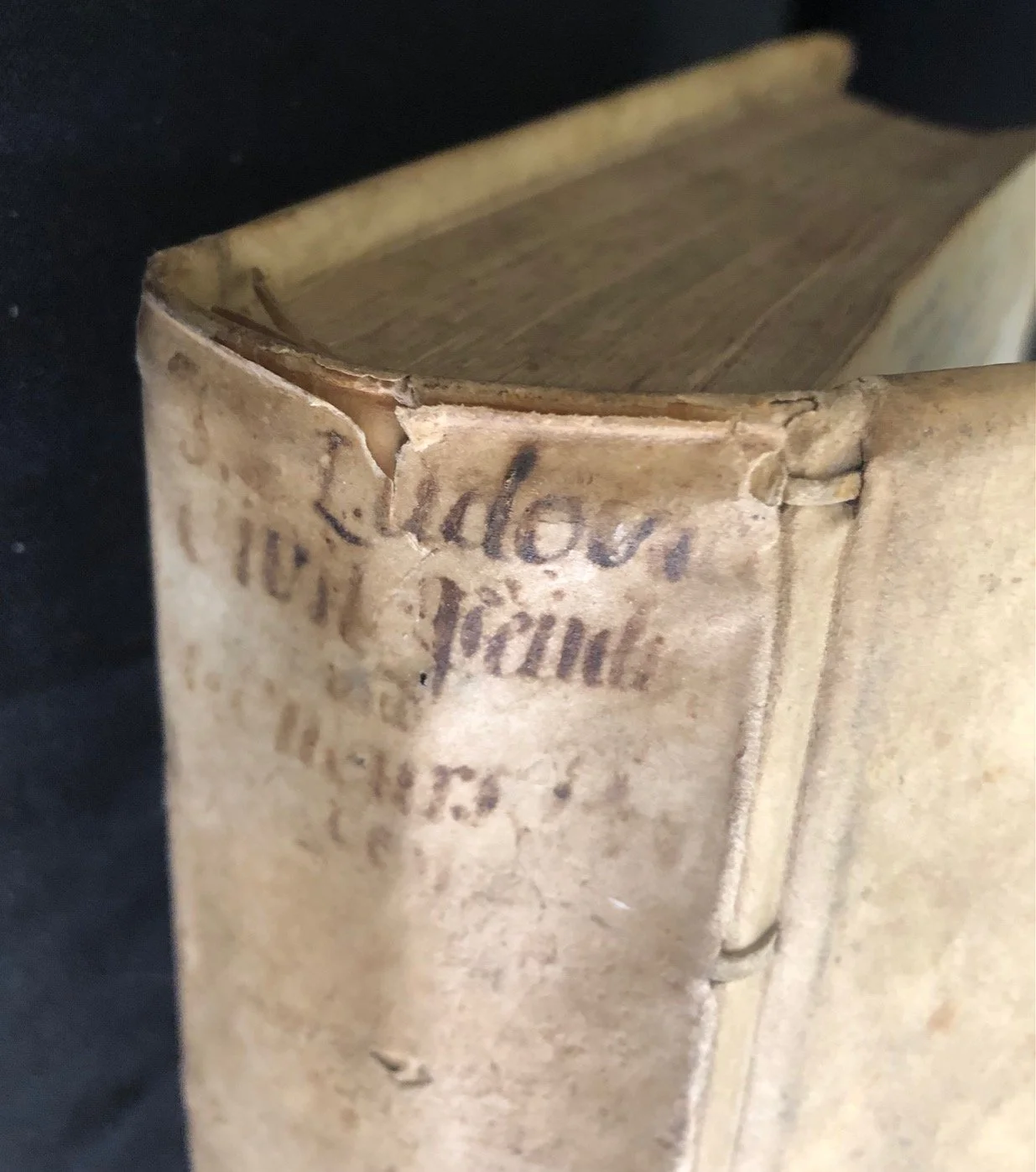
Three vols in one. Some pages missing; stained; annotated. Sold with all faults.
R2,500