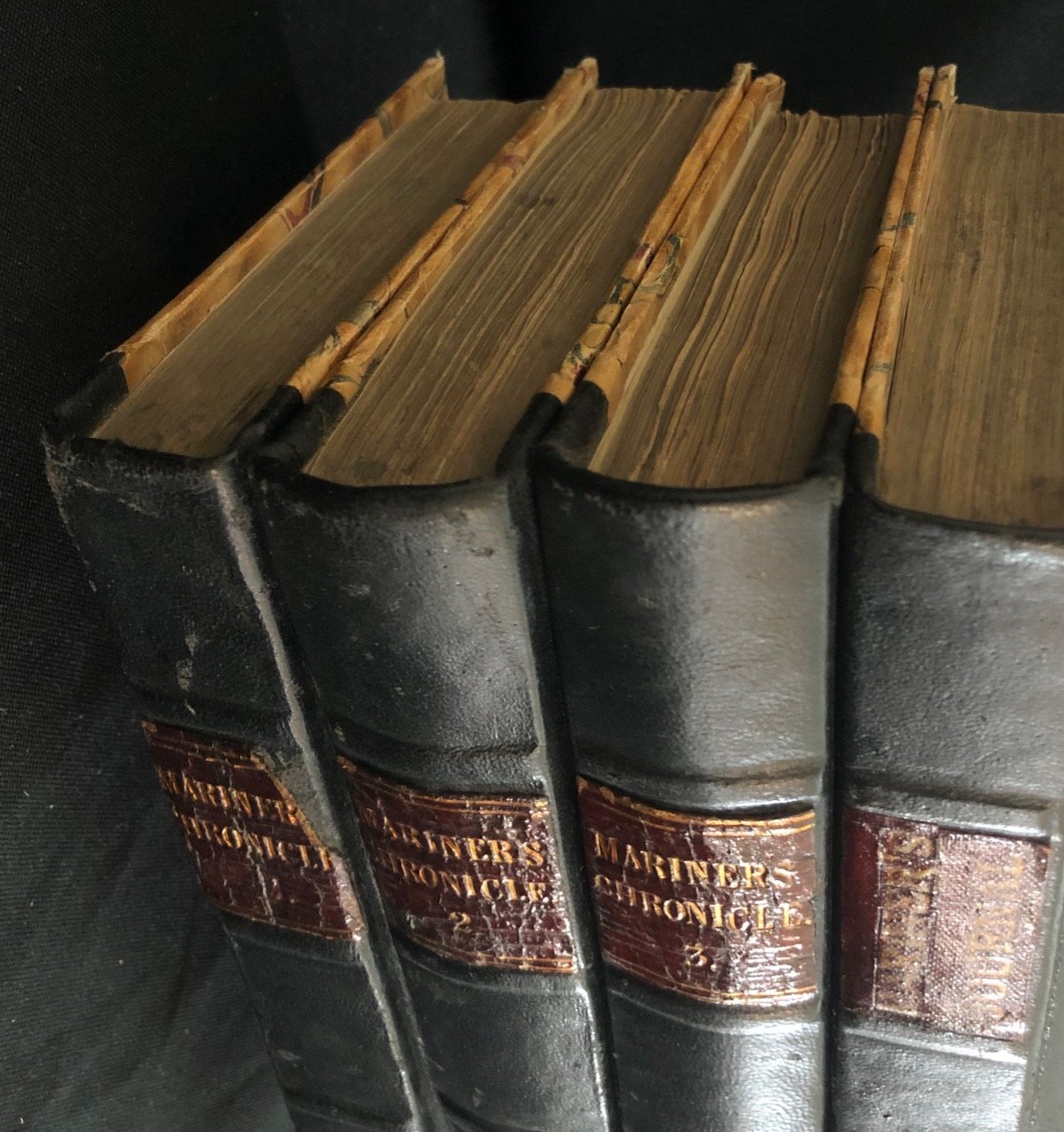
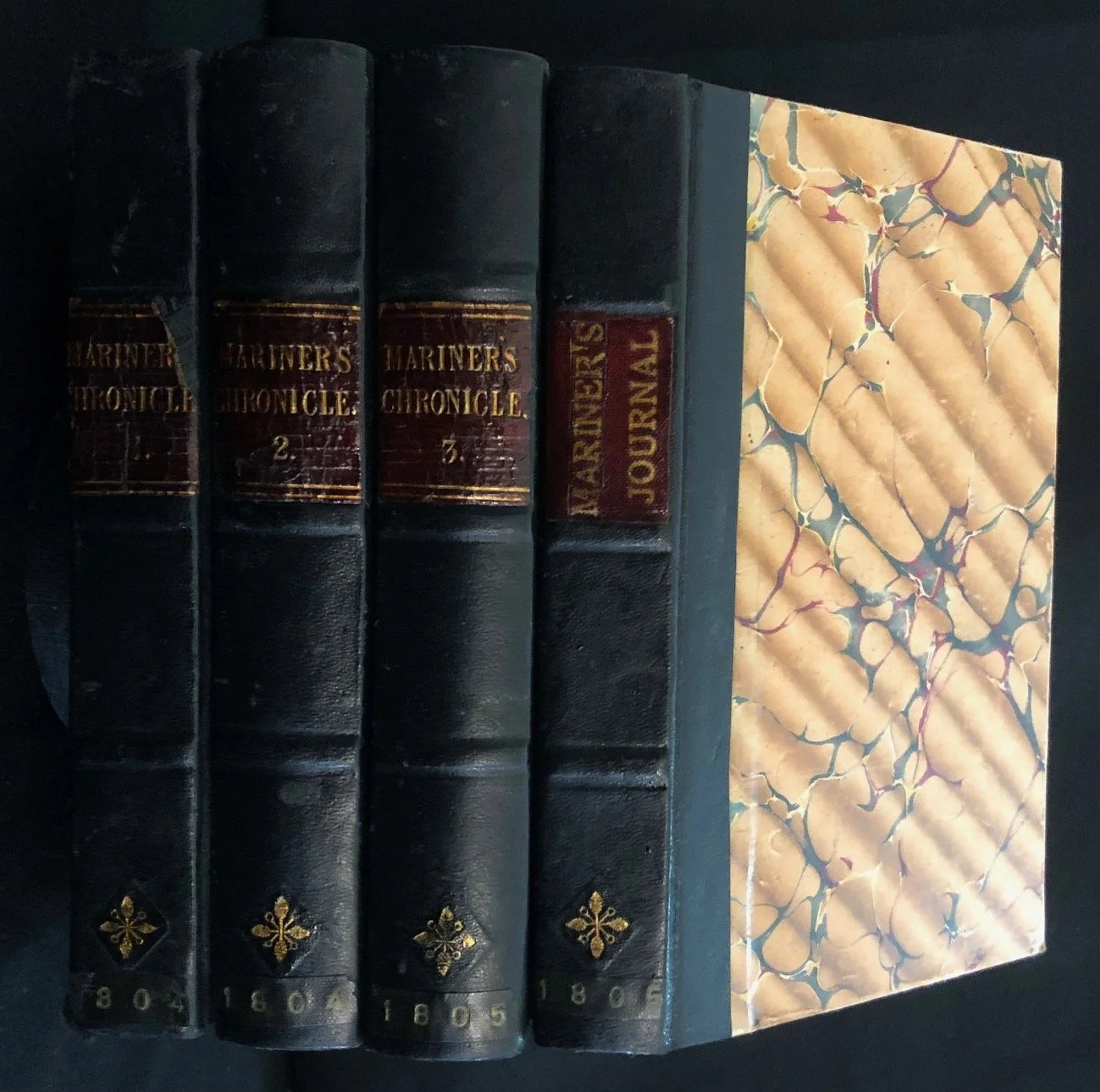
Archibald Duncan’s The Mariner’s Chronicle, published in 1805
(4 vols)
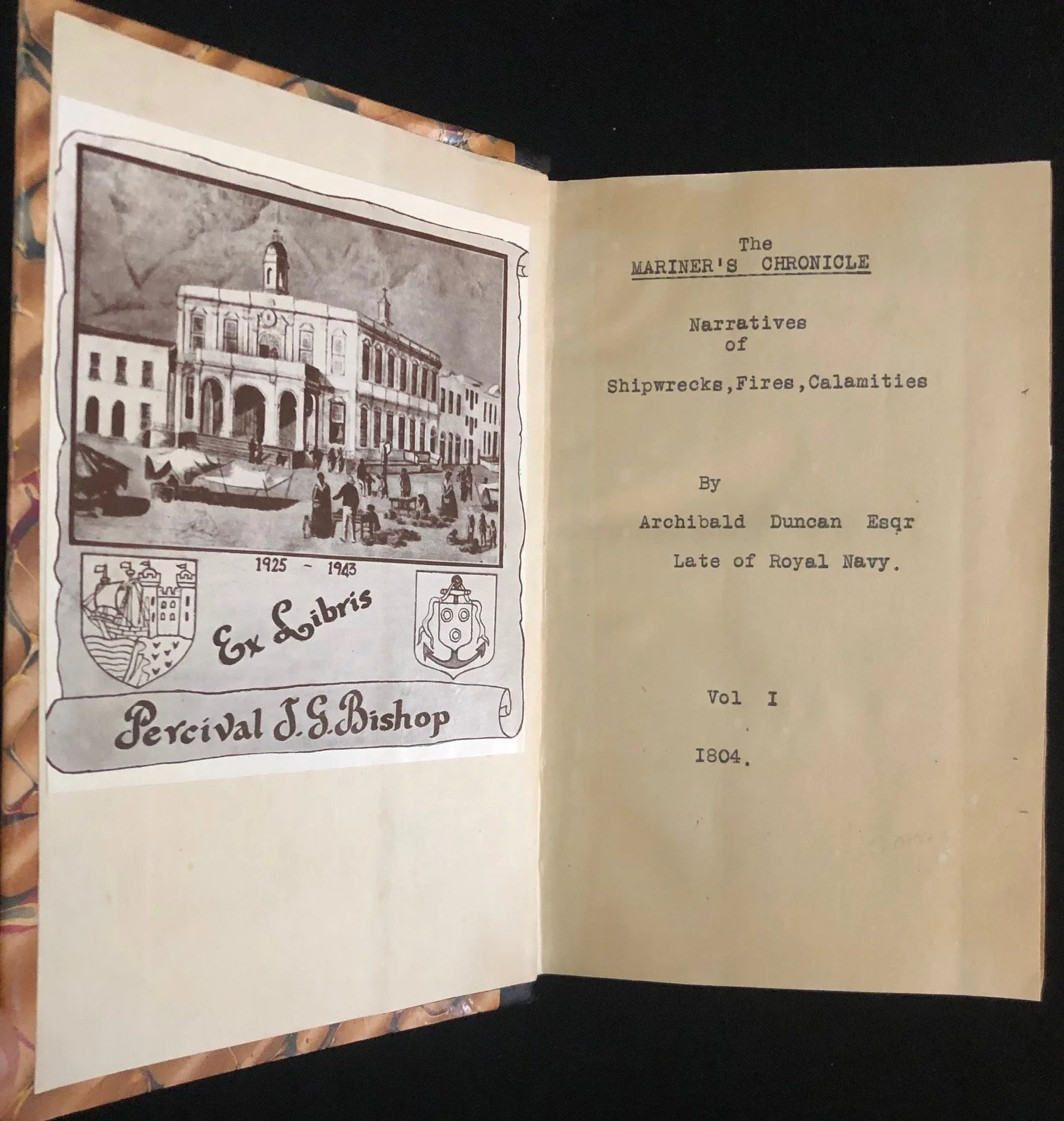
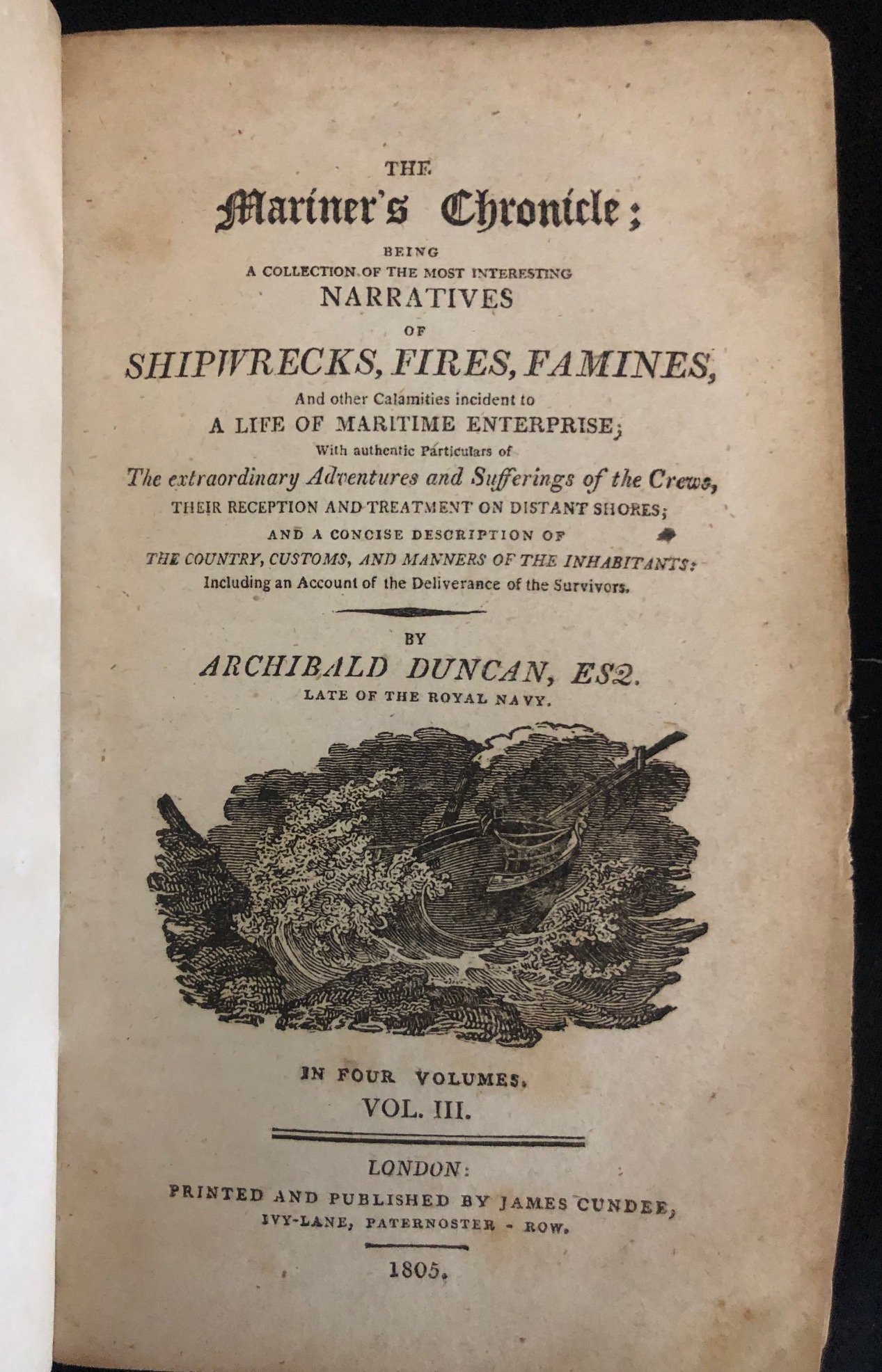
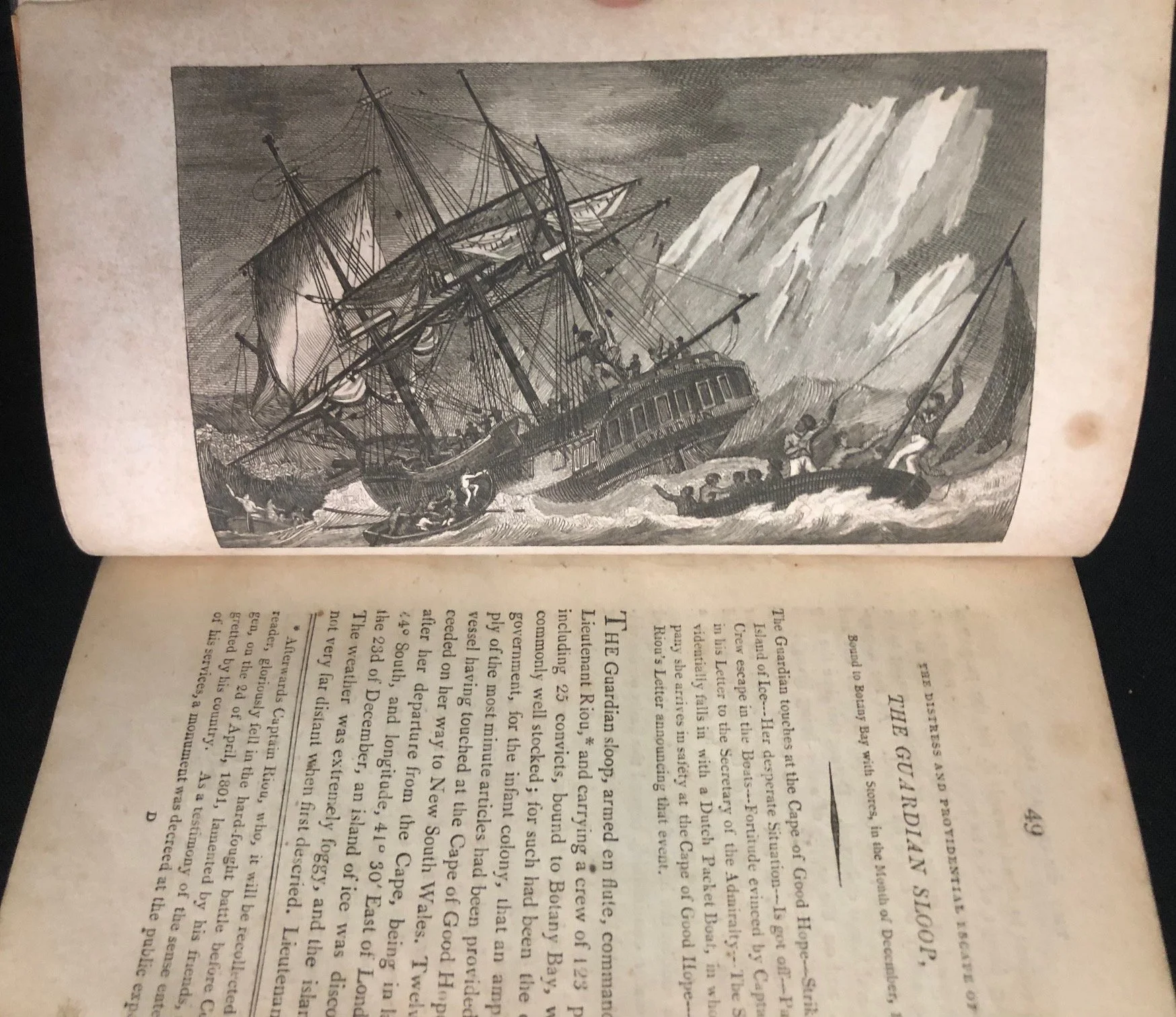
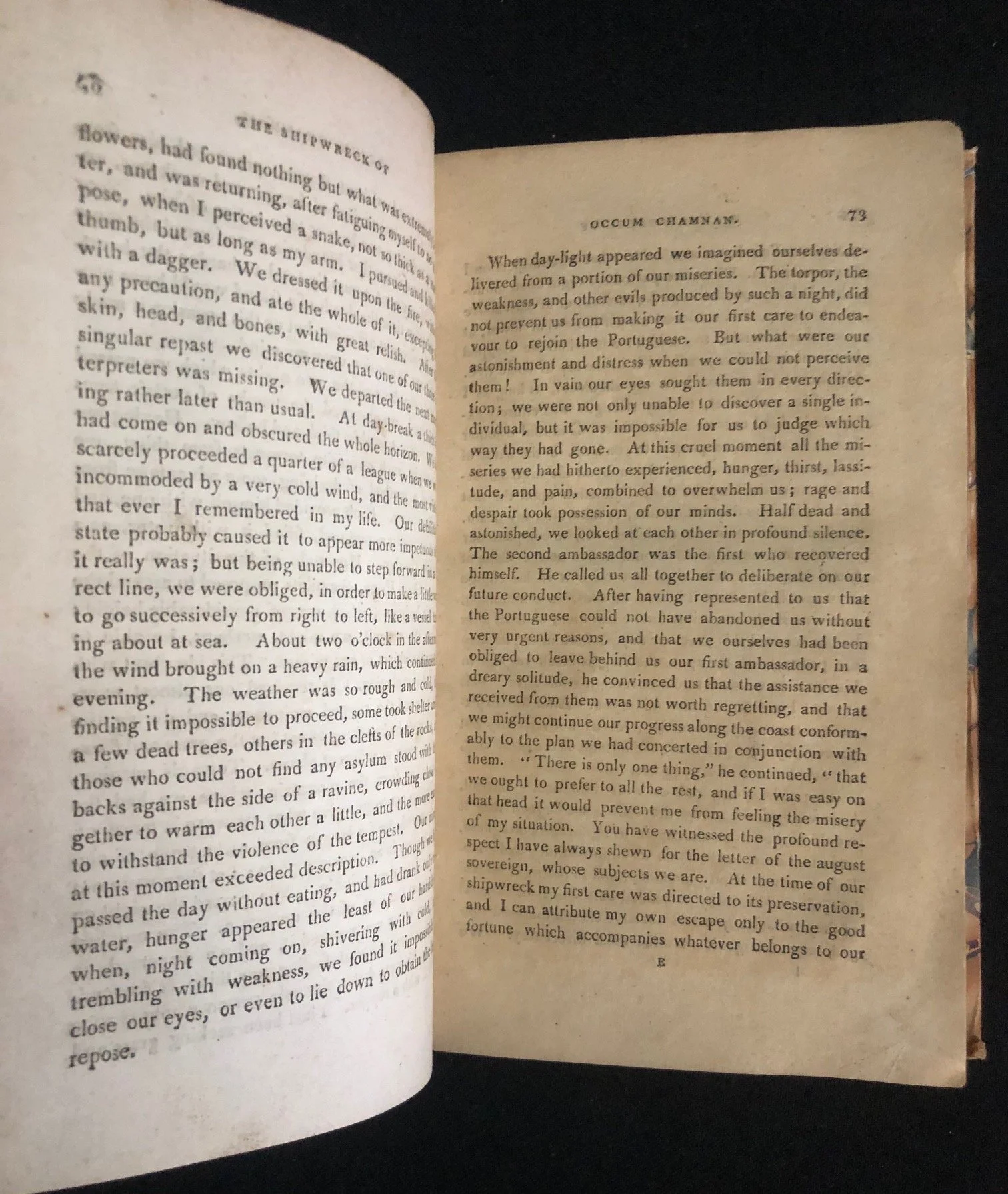
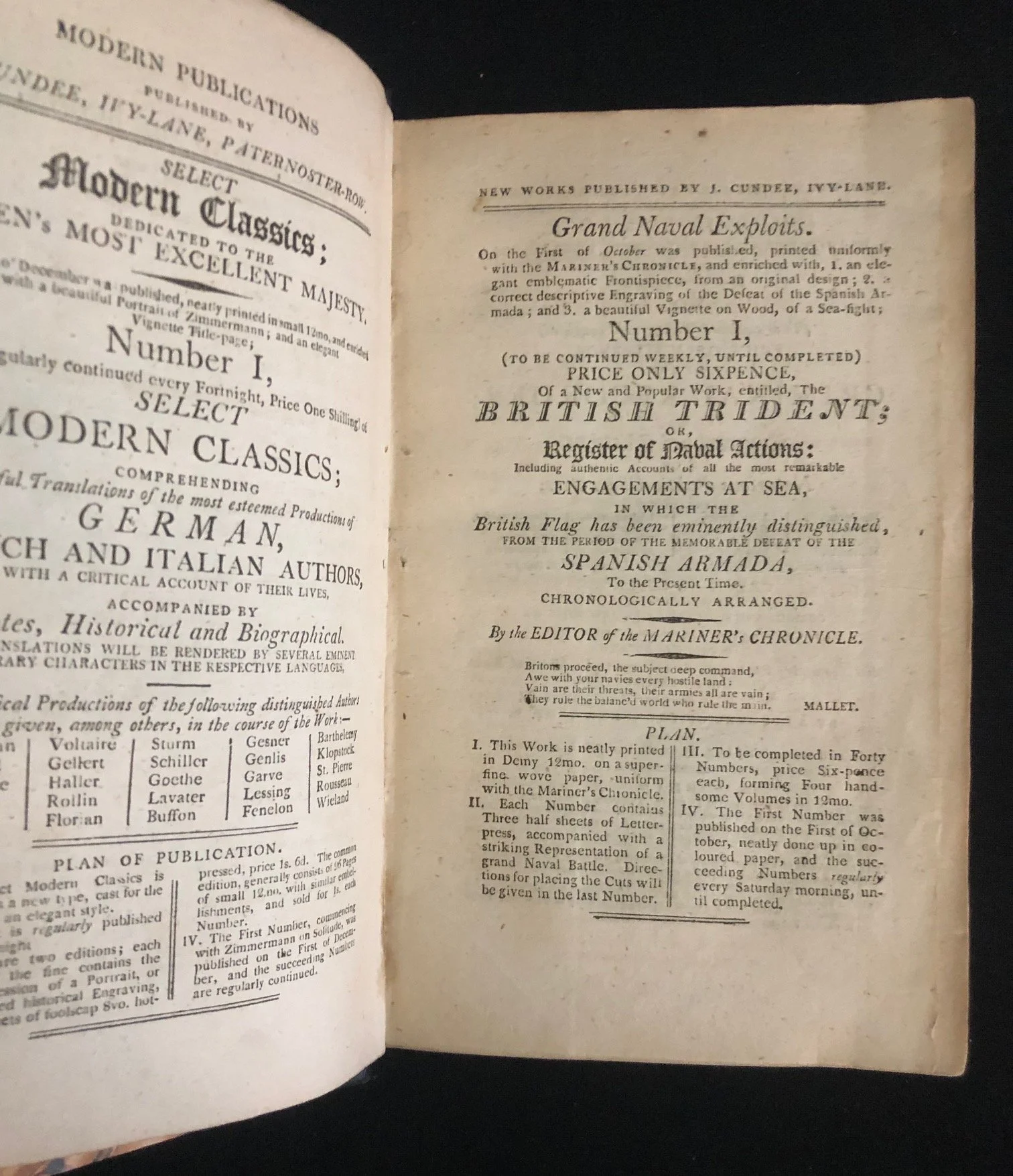
Archibald Duncan’s The Mariner’s Chronicle, published in 1805 by James Cundee in London.
All volumes are rebound and considered to be incomplete; all are slightly foxed; have tears; chipped and have thumbing marks.
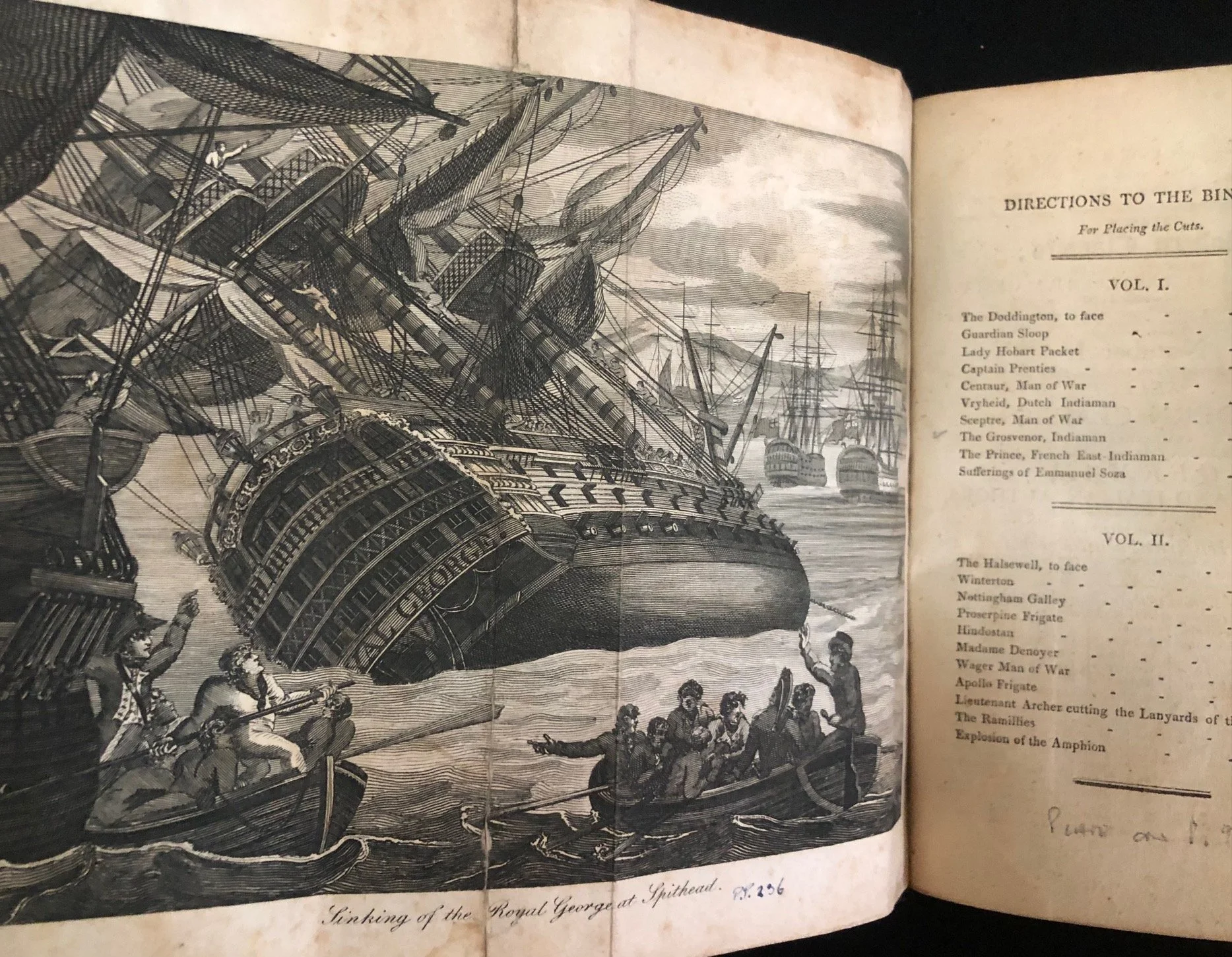
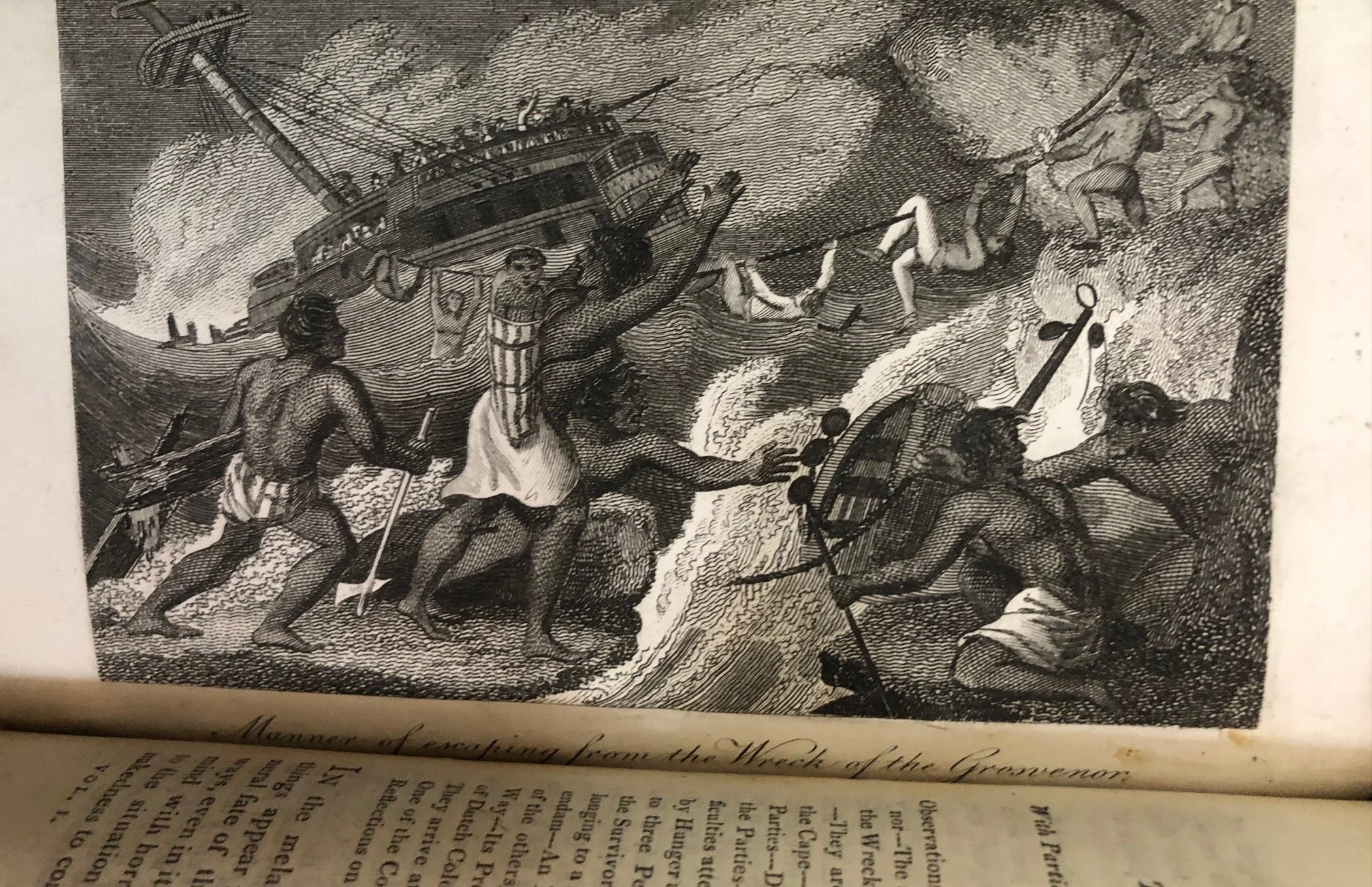
Vol 1: new end papers; lacking half title page; all copperplate engravings present.
Vol 1: new end papers; lacking half title page; all copperplate engravings present.
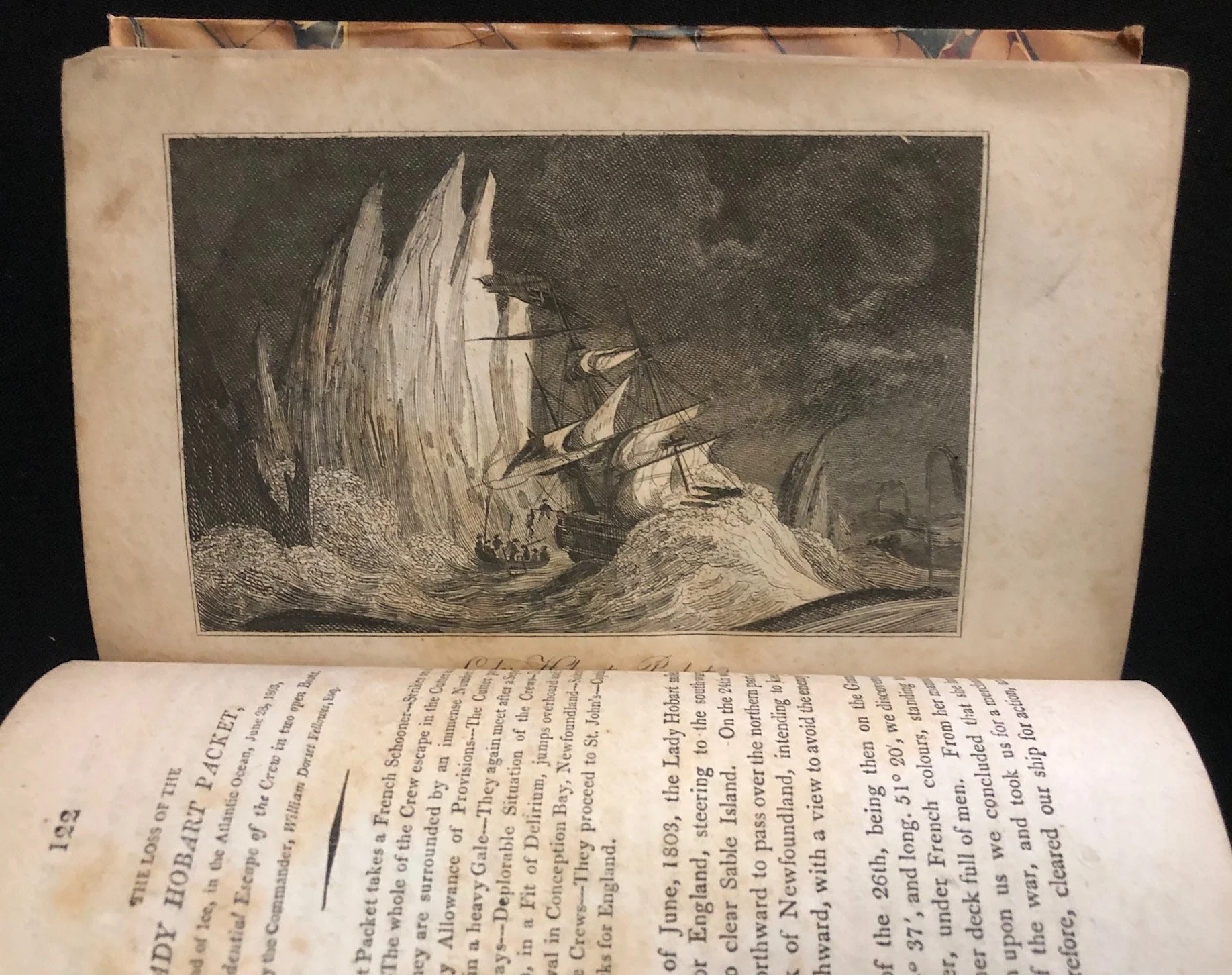
Vol 2: new end papers; lacking half title page; 10 out of the 11 copperplate engravings present.
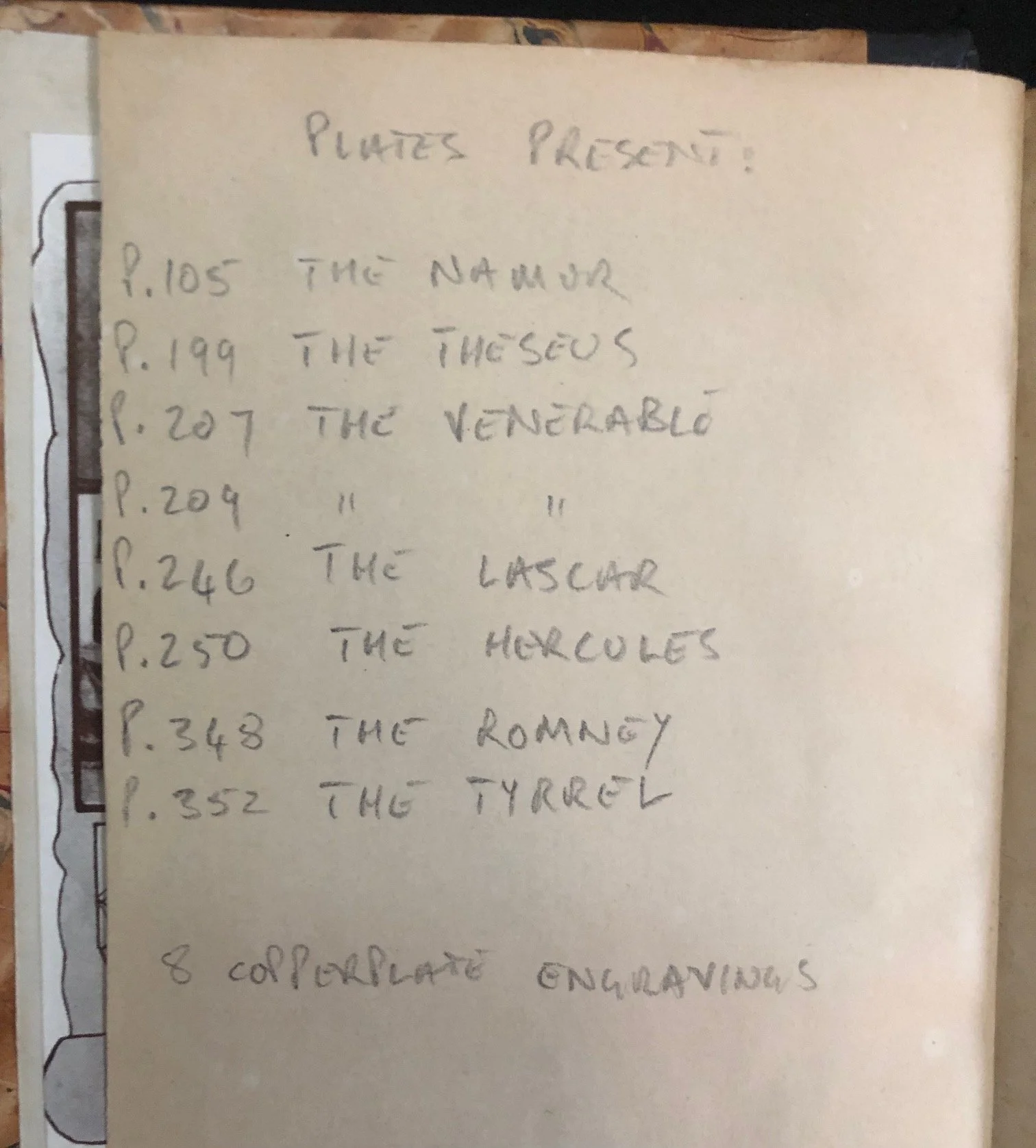
Vol 3: new end papers; lacking half title page; 8 copperplate engravings present. (I’m unsure whether this is complete or not).
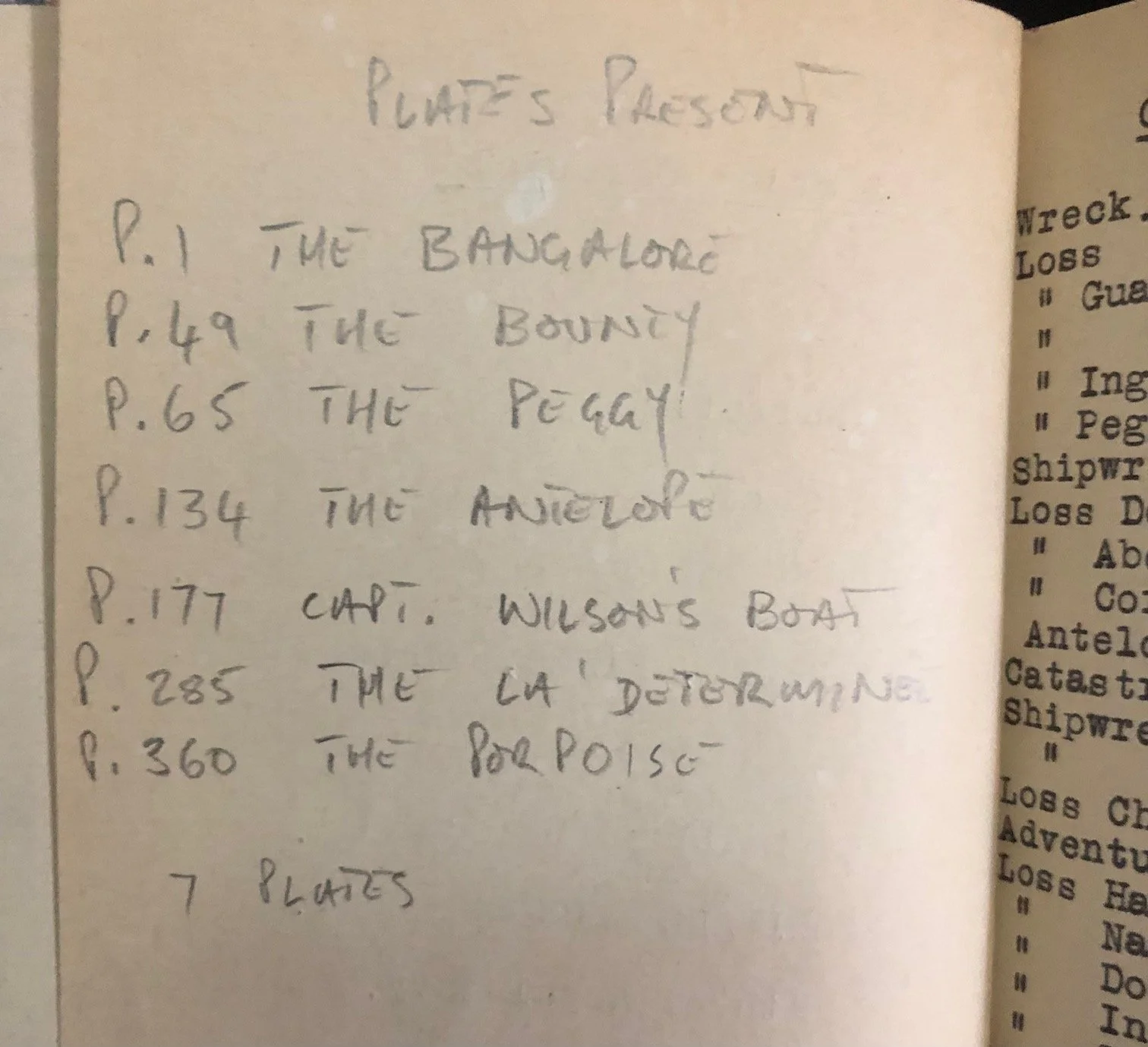
Vol 4: new end papers; lacking half title page; 7 copperplate engravings present. (I’m unsure whether this is complete or not).
The Real-Life Trauma Behind Romantic Poetry
Published in 1805, this edition was scrambled to press to include some of the most sensational contemporary maritime disasters of the era. Crucially, the 1805 volumes of The Mariner's Chronicle rushed to print the tragic, first-hand narrative of the sinking of the Earl of Abergavenny, an East Indiaman flagship that went down off the English coast in February 1805.
The captain who perished in that wreck was John Wordsworth—the brother of the famous Romantic poet William Wordsworth. The loss devastated the poet, deeply altering his worldview and directly influencing his later, more somber poetry (such as Elegiac Stanzas). Books like Duncan's were how the 19th-century public gripped itself with the terrifying realities of global empire and maritime travel.
The Era of "Disaster Tourism" Literature
In the early 1900s, British readers had an insatiable appetite for what modern scholars call "maritime gothic" or shipwreck narratives. Publishers like James Cundee capitalised heavily on this trend. Rather than just dry reports, Duncan’s collection combined technical naval details with highly dramatised accounts of cannibalism, starvation, and encounters with indigenous peoples on distant shores. It served as the reality-TV or true-crime genre of the Georgian era, reinforcing both a fascination with and a deep fear of the open seas. Hence these copies would have been well read.
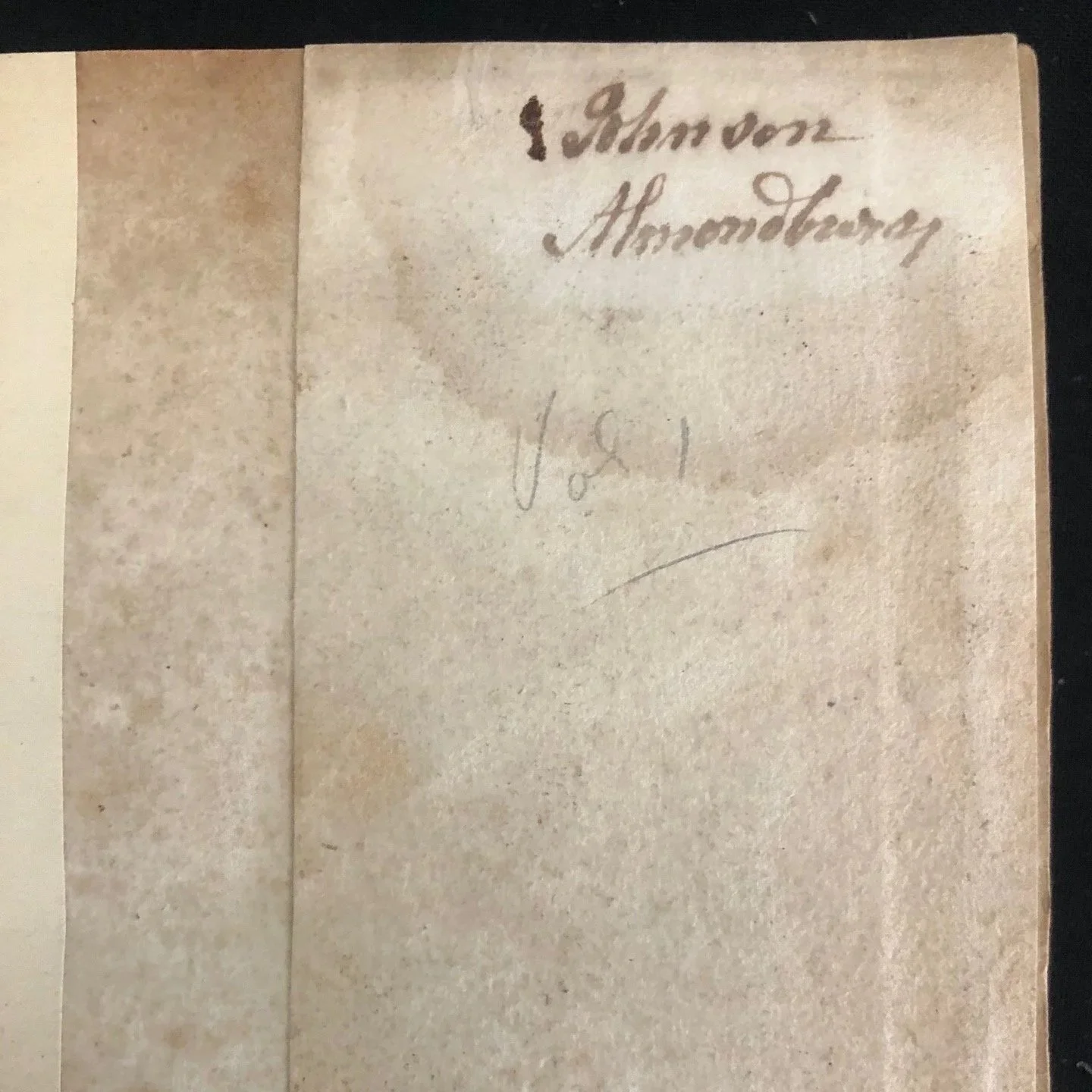
Provenance and the "Almondbury" Connection
The handwritten inscription reads:
“J. Johnson / Almondbury / Vol. 1”
Almondbury is an ancient village in West Yorkshire, England, notable for its steep history dating back to the Domesday Book. In the early 19th century (around the time this book was published), Almondbury was a bustling hub for the domestic woolen textile industry. This inscription offers a brilliant window into historical provenance: it shows that these books didn't just sit in a grand aristocratic library in London; they traveled North into the hands of provincial English readers—likely a merchant, clergyman, or schoolmaster from Yorkshire—who followed global maritime adventures from the comfort of the English hills.
A Note on the "Four Volumes" Format
While the title page states "In Four Volumes," it was highly common during the hand-press era for publishers to release these compilation works in parts or to expand them if sales went well. Duncan’s Chronicle proved so wildly popular that Cundee eventually expanded subsequent editions into five or six volumes to squeeze more profit out of a public obsessed with maritime disasters. Having a true, early 1804–1805 four-volume imprint makes it an excellent representation of early 19th-century popular printing history.
Each vol: 115mm x 185mm x 30mm
R10,000