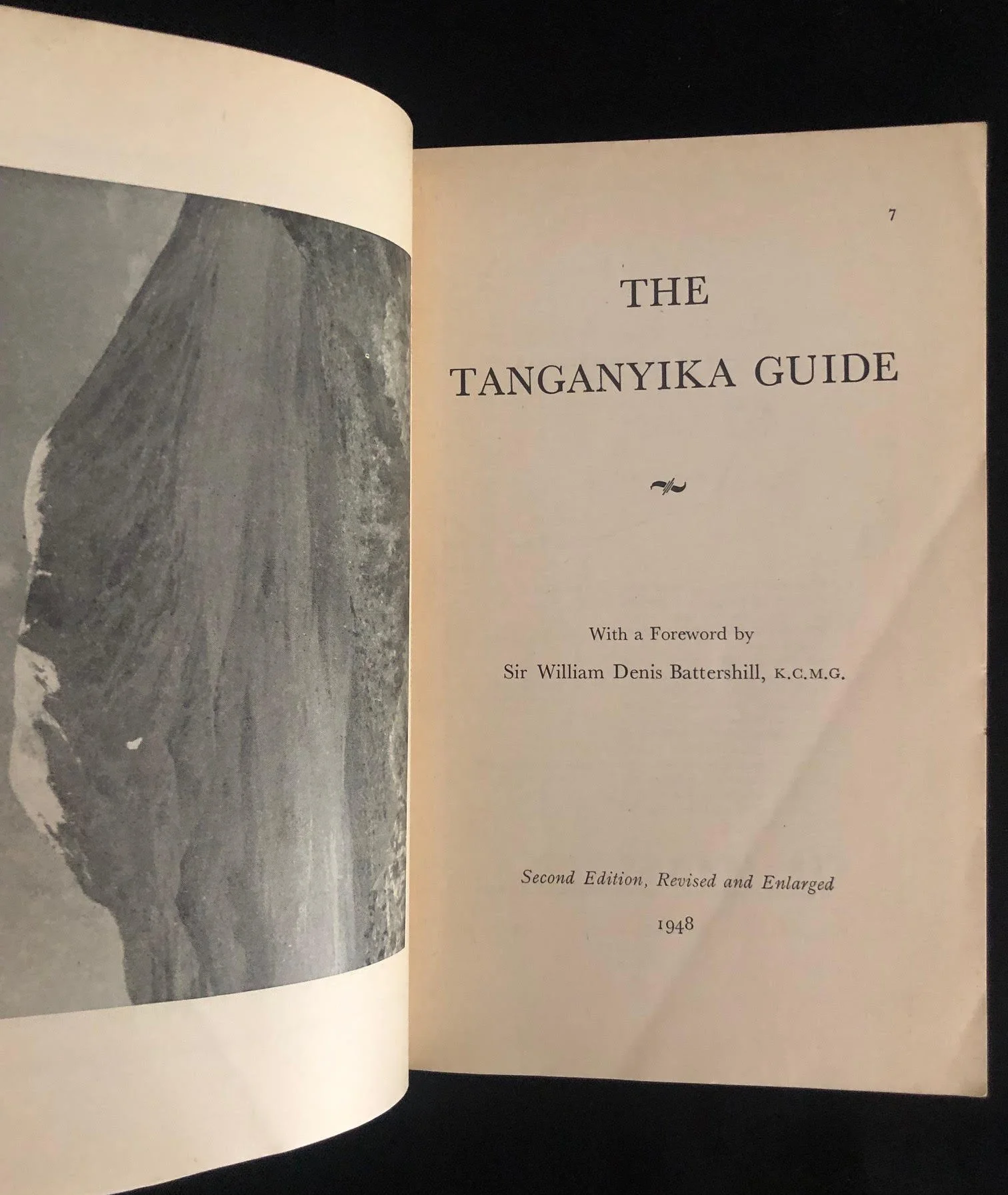
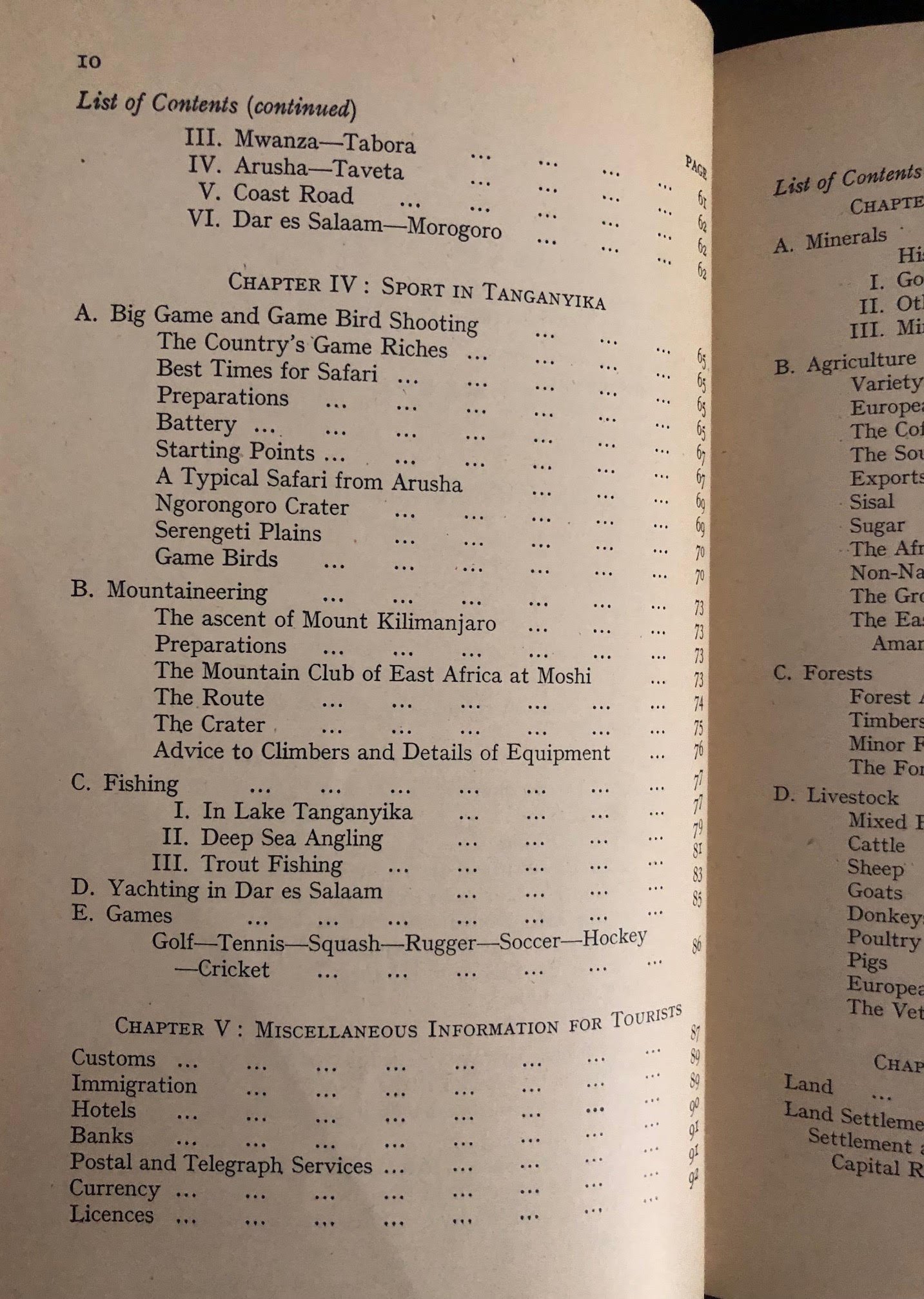
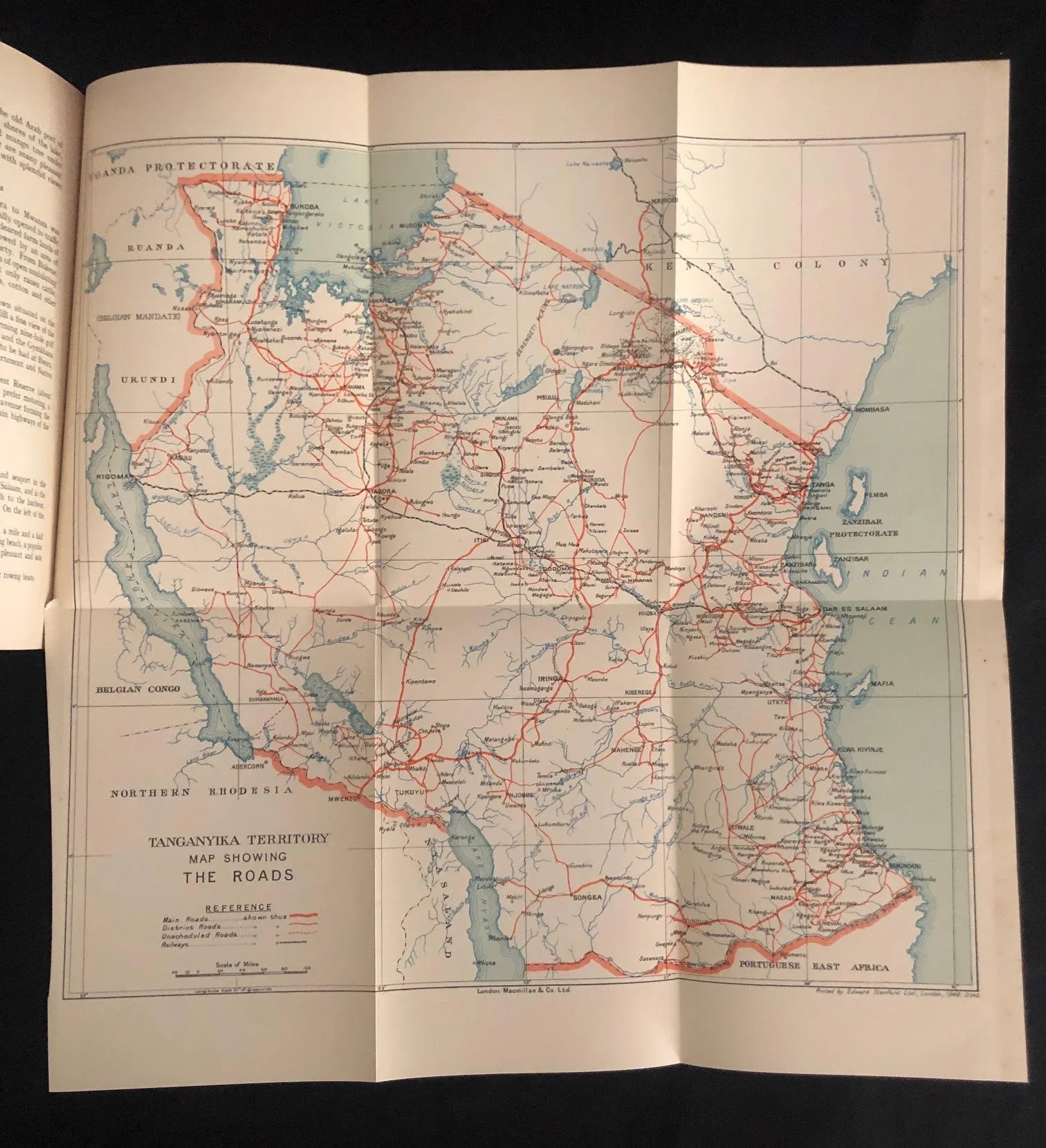
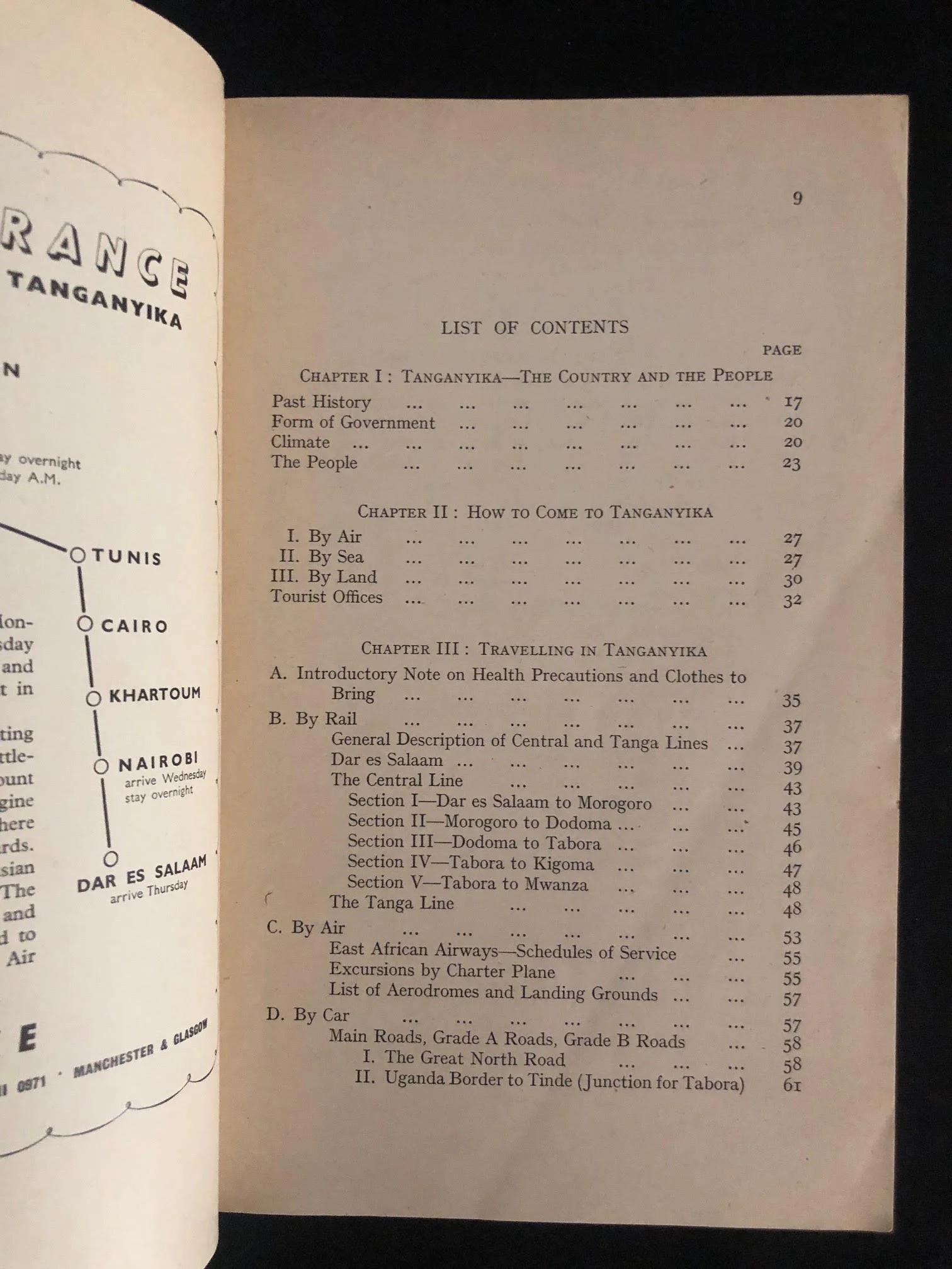
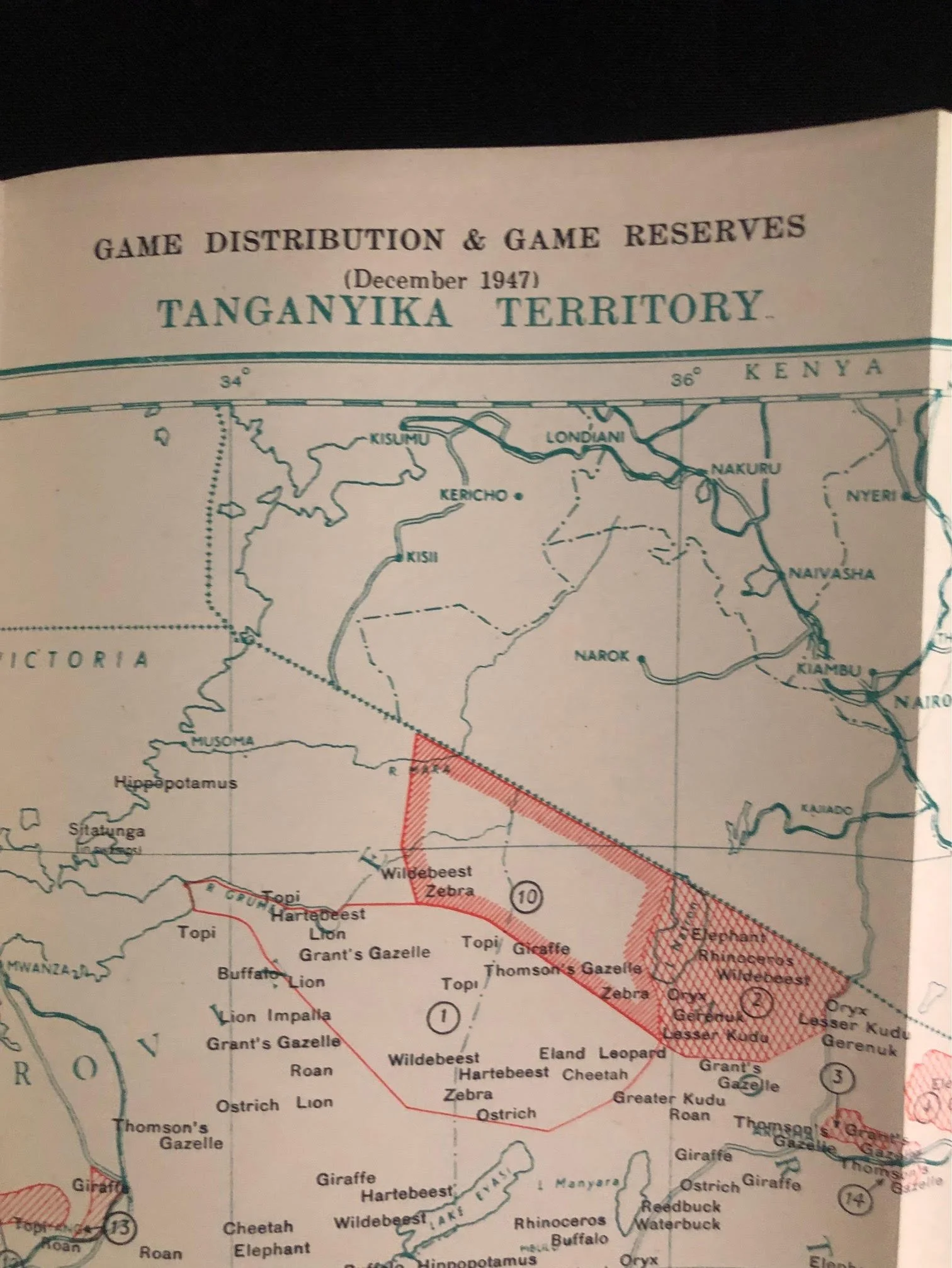
1948 second edition of The Tanganyika Guide
This 1948 second edition of The Tanganyika Guide represents a pivotal moment in East Africa's post-WWII history, capturing a crucial transition period in colonial administration, land reform, and economic planning.
Key Historical Insights
The Shift to UN Trust Territory Status:
The book was published shortly after Tanganyika transitioned in 1946 from a League of Nations Mandate (administered by Britain following the defeat of Germany in WWI) to a United Nations Trust Territory. The guide was designed to promote the territory during this administrative shift, highlighting infrastructure, local customs, and travel under the newly formed UN oversight.
Sir William Denis Battershill’s Reformist Leadership:
The foreword is written by Sir William Denis Battershill (K.C.M.G.), who served as Governor of Tanganyika from 1945 to 1949. Battershill's governorship was notable for progressive post-war reforms, including:
Land Redistribution: Reclaiming large tracks of land previously set aside for German settlers prior to WWI and returning them to indigenous African communities.
Governance & Equity: Pushing to replace European officials with African civil servants, expanding African voting rights, and outlawing wage discrimination based on race.
The Groundnut Scheme Context (1947–1951):
Published in 1948, this edition coincided directly with the height of the infamous Tanganyika Groundnut Scheme—the British government's catastrophic post-war effort to cultivate massive peanuts (groundnut) plantations across Tanganyika to solve Britain's severe shortage of cooking oils and fats. The rapid influx of British technicians, agriculturalists, and administrative personnel created an immediate demand for revised regional guidebooks, directly prompting this updated and enlarged 1948 edition.
Post-War Expansion & Revision:
As noted on the title page, this is the "Second Edition, Revised and Enlarged". The expansion reflects the rapid development of local transport networks (including Tanganyika Railways and Lake Victoria steamship routes) and the rise of post-war safari travel just prior to independence movements taking root in the 1950s.
140mm x 160mm.
Binding a bit fragile, some foxing, creasing and surface wear.
R1,250