3 East African tourism, guide books 1930s - 1960s. R1,800
3 East African tourism, guide books 1930s - 1960s. R1,800
These three publications offer a fascinating look into the evolution of colonial and post-colonial East African tourism, cartography, and conservation spanning from the late 1930s through the 1960s.
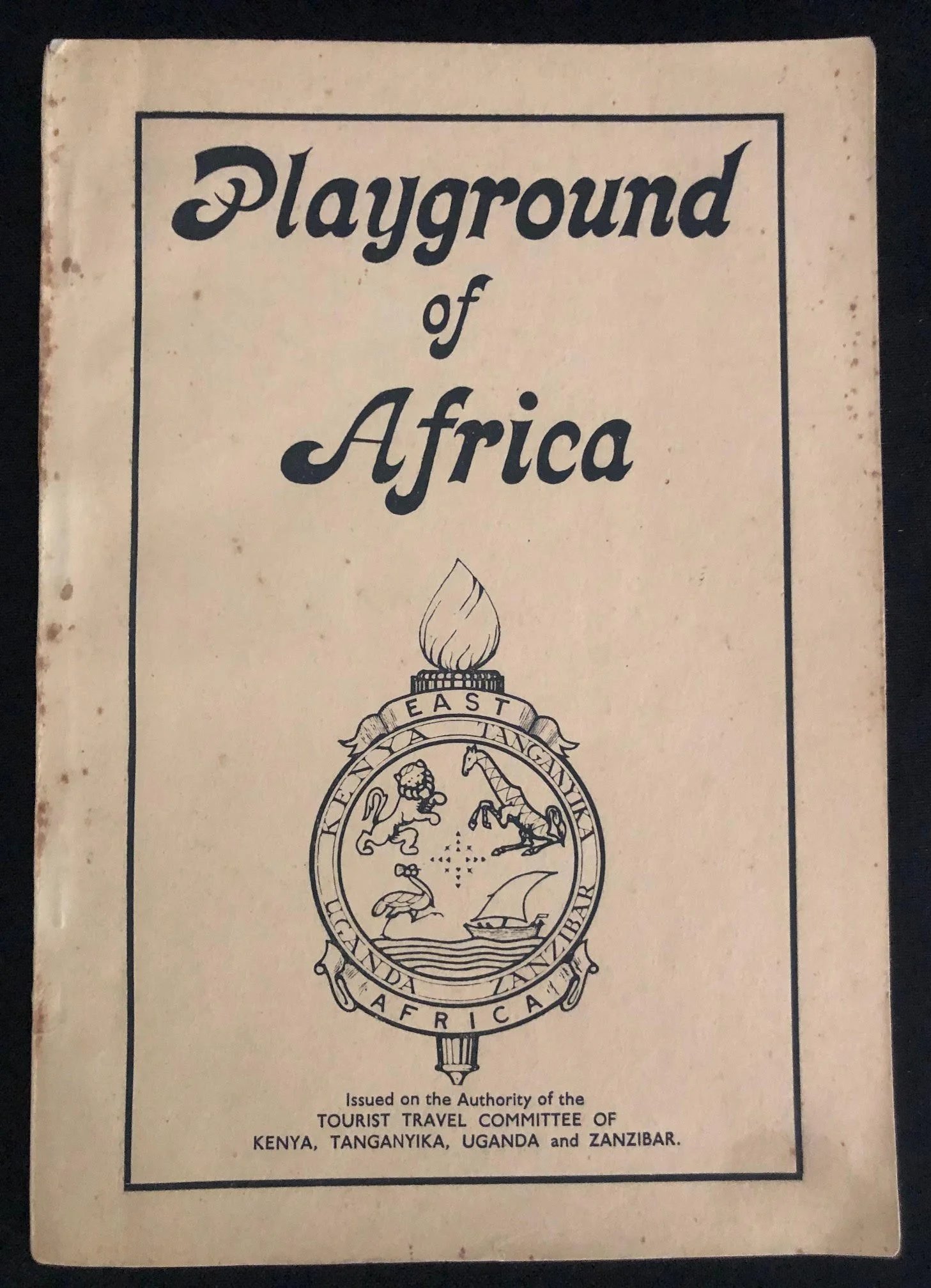
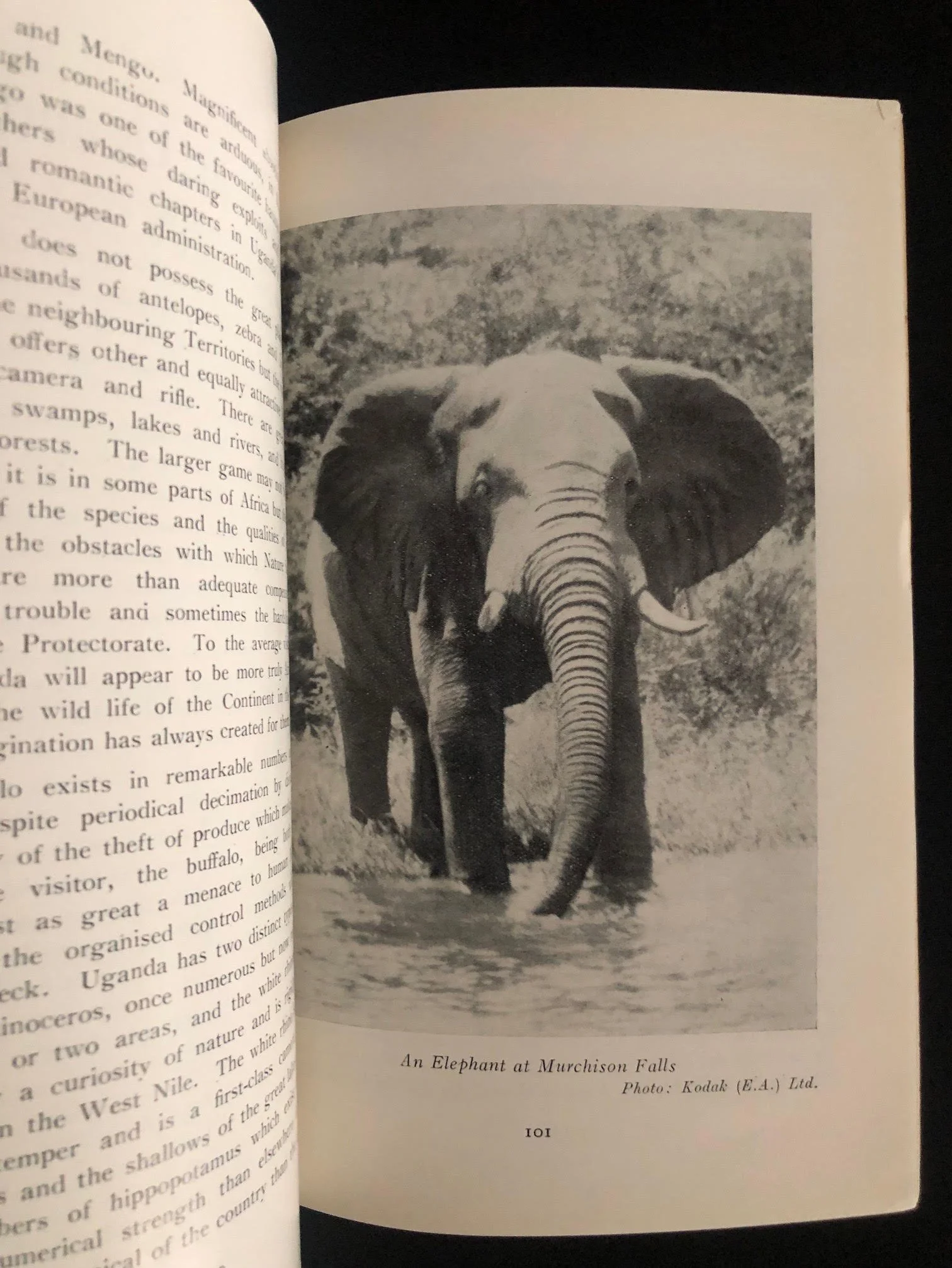
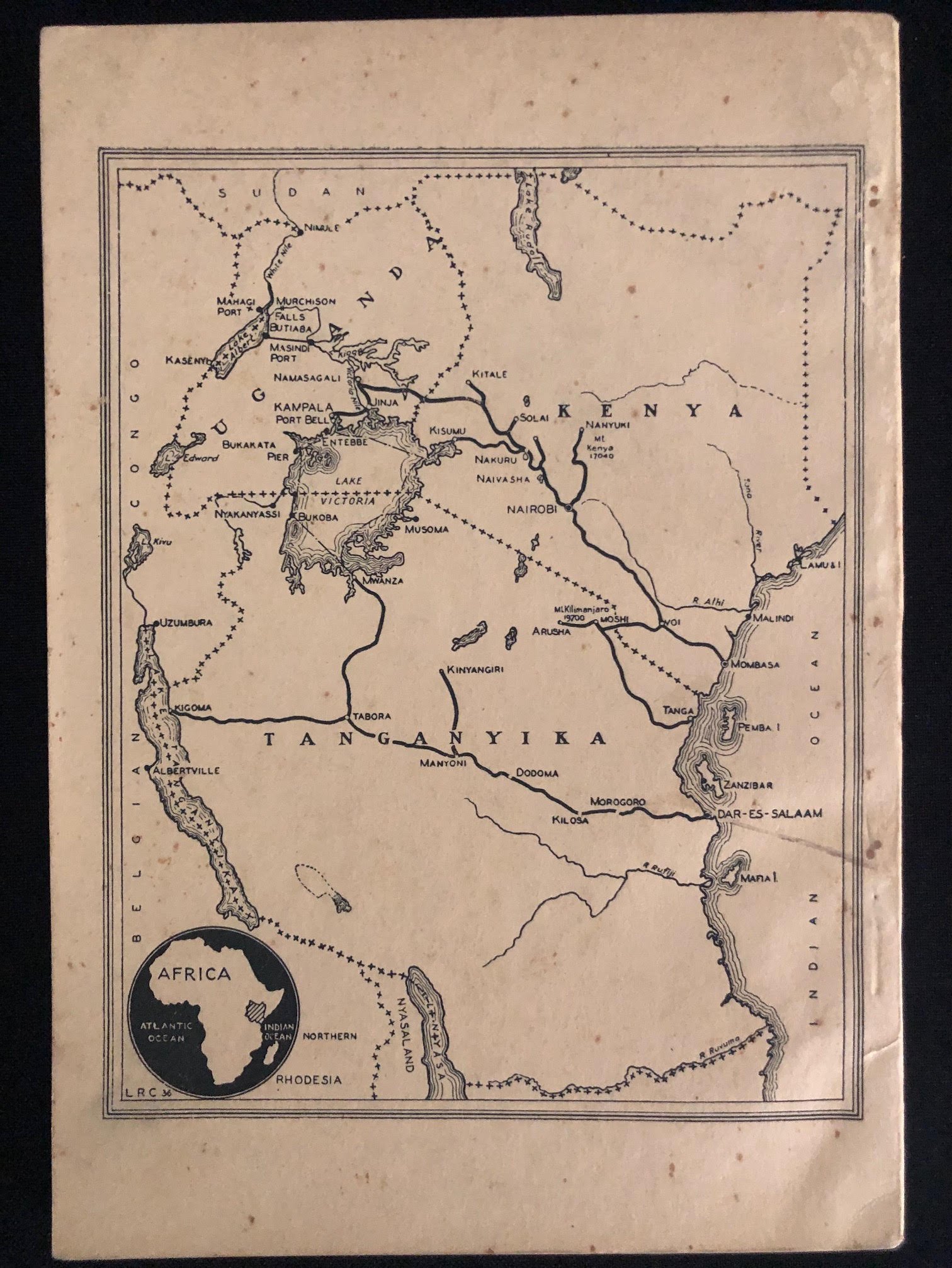
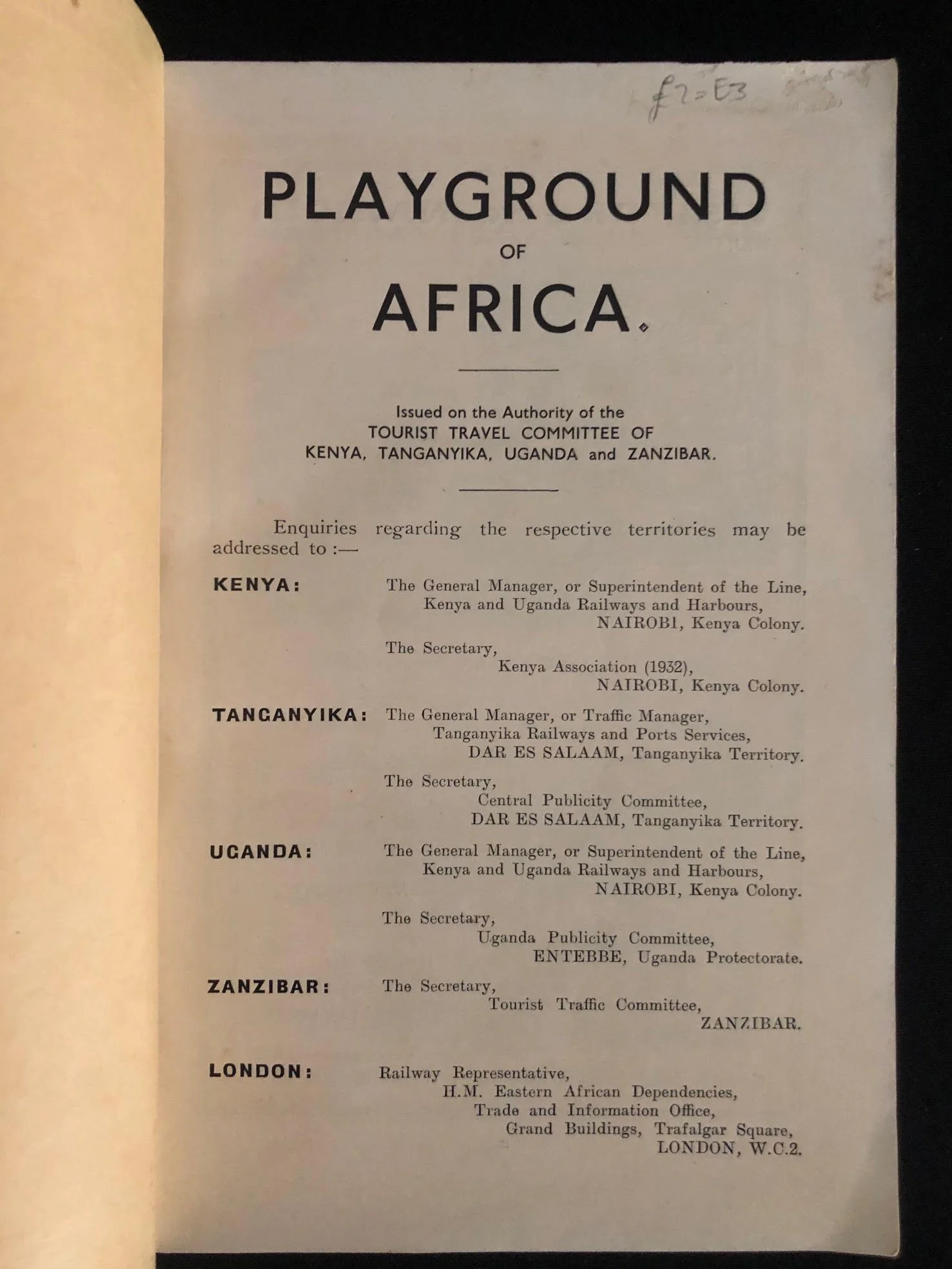
1. Playground of Africa (Issued late 1930s to c. 1950)
Colonial Inter-Territorial Co-operation: Issued under the joint authority of the Tourist Travel Committee of Kenya, Tanganyika, Uganda, and Zanzibar, this booklet represents an early effort at regional economic integration.
Institutional Context: The title page addresses inquiries to entities like the Kenya and Uganda Railways and Harbours and the Tanganyika Railways and Ports Services. During this era, tourist transit in East Africa was heavily tied to state-run railway and steamship networks rather than commercial aviation or private motor safari routes.
Terminology as a Marker of Time: The list of administrative bodies uses distinct pre-independence designations—such as "Kenya Colony," "Tanganyika Territory" (under British League of Nations/UN Mandate), "Uganda Protectorate," and the "Sultanate of Zanzibar"—capturing a snapshot of the geopolitical layout of British East Africa prior to independence movements in the 1960s.
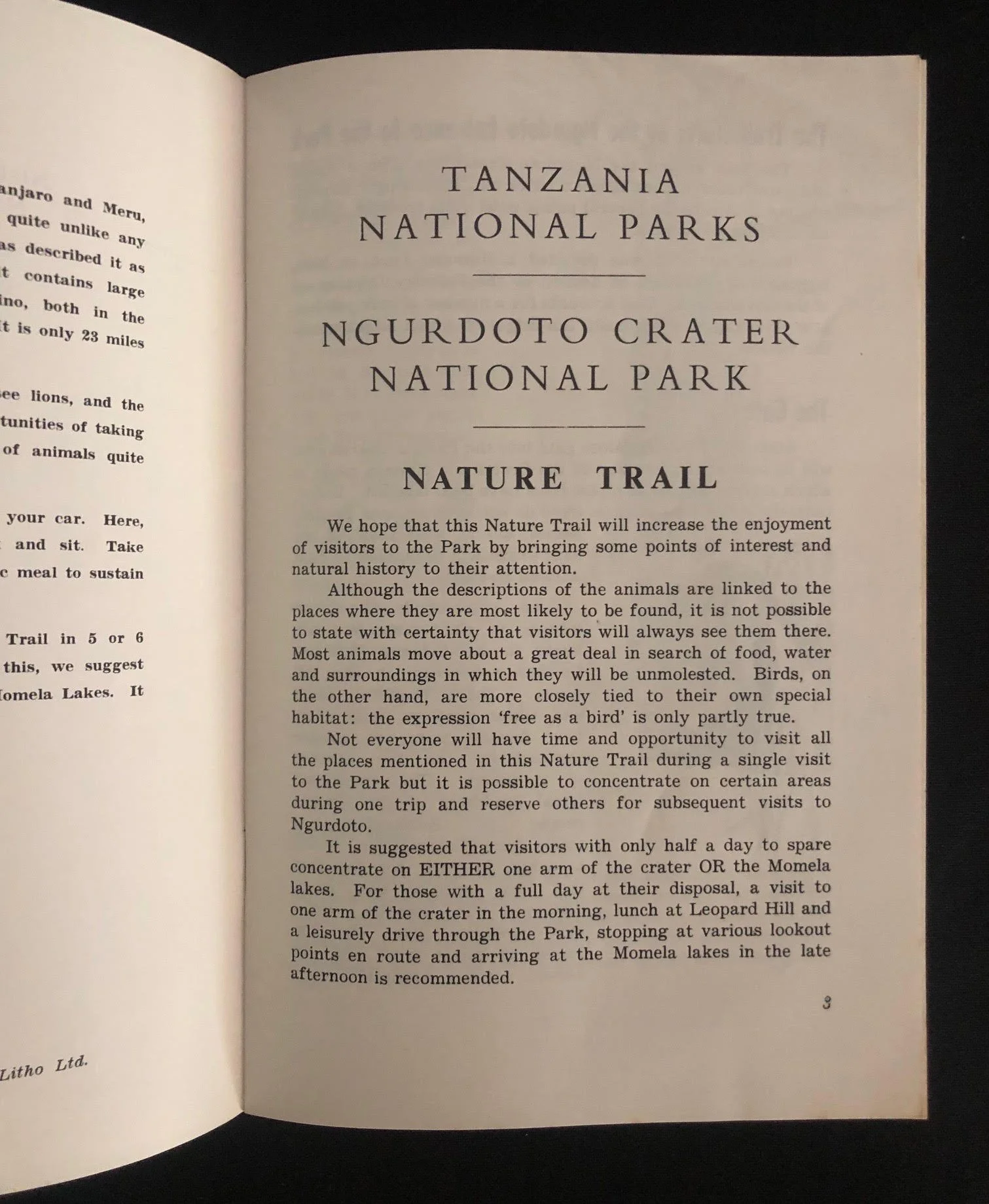
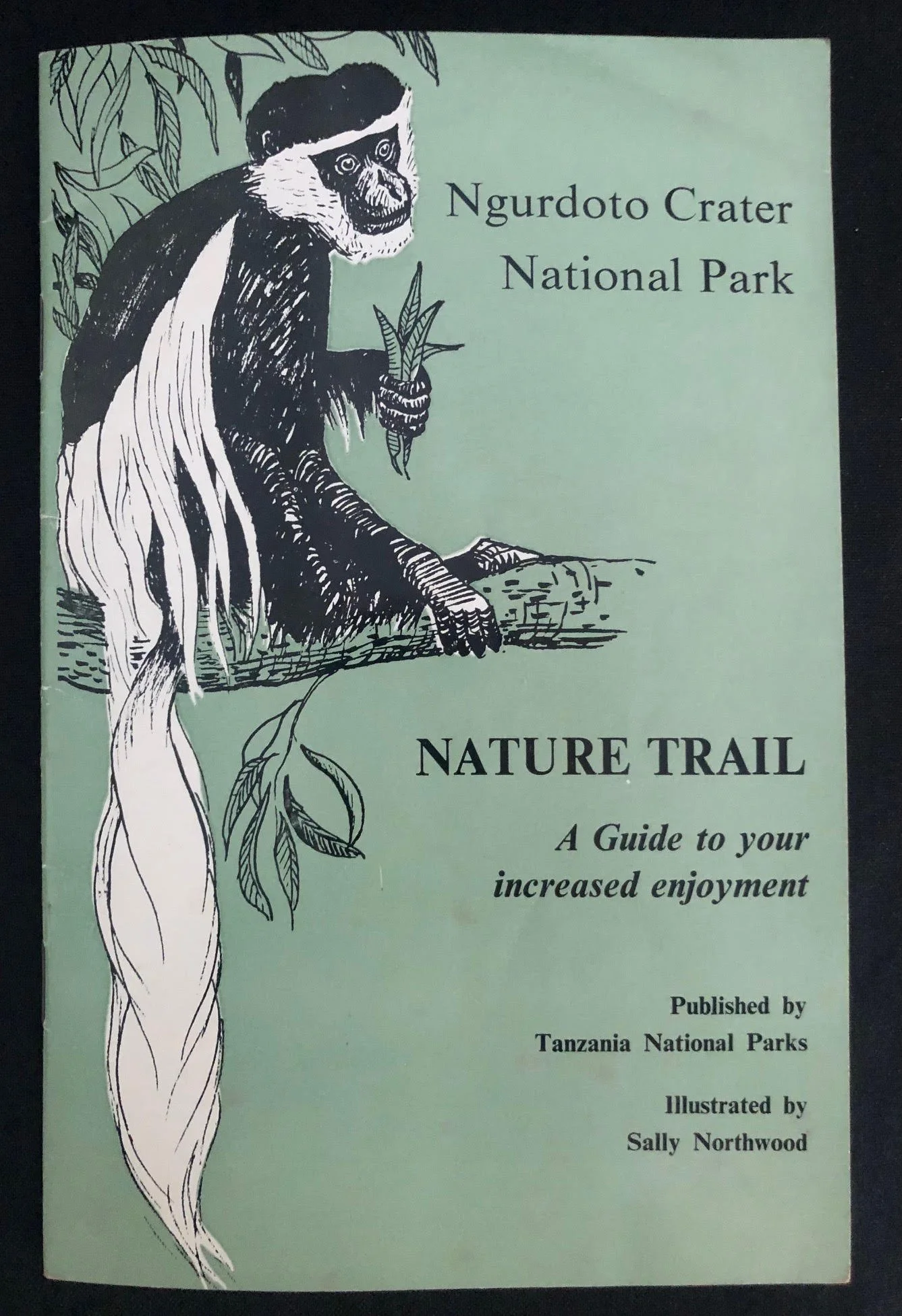
2. Ngurdoto Crater National Park: Nature Trail (c. mid-1960s)
Transition to Independence: Published by Tanzania National Parks and illustrated by Sally Northwood, this guide marks the post-independence transition. Tanganyika gained independence in 1961, united with Zanzibar in 1964 to form Tanzania, and the park system was rebranded accordingly.
Early Name of Arusha National Park: Ngurdoto Crater National Park was created in 1960. In 1967, it was merged with the Mount Meru Crater area and Momella Lakes to form what is known today as Arusha National Park. Booklets bearing the original "Ngurdoto Crater National Park" title date from a narrow window (1960–1967).
Artistic Contribution: The cover illustration depicts the Black-and-white Colobus monkey (Colobus guereza), a key indicator species of the Ngurdoto forest, drawn by local East African artist Sally Northwood.
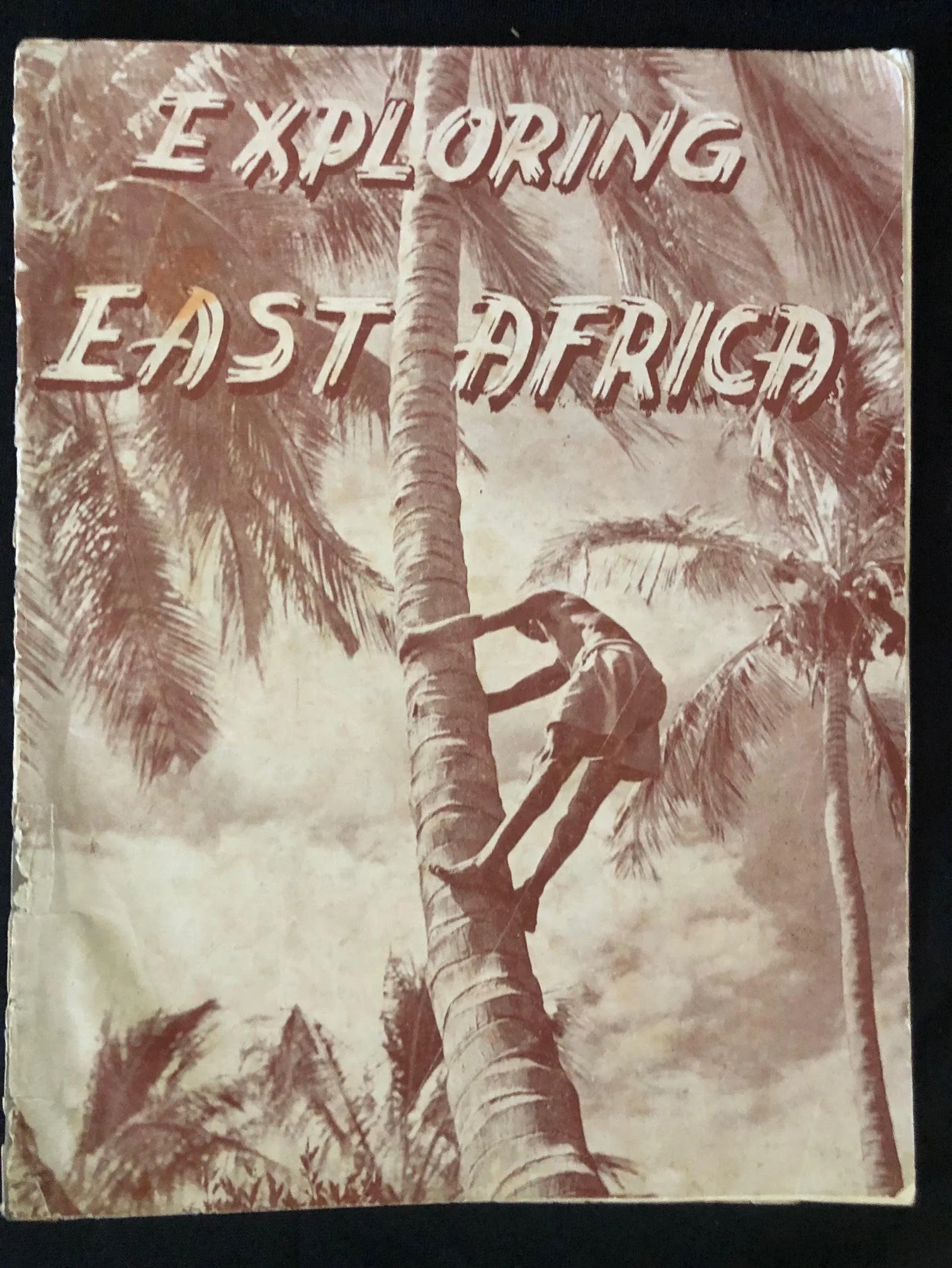
3. Exploring East Africa (c. 1950s)
Mid-Century Tourism Aesthetic: Featuring mid-century photographic cover art, this publication illustrates the shift toward photographic safaris and public exploration in the post-WWII boom, moving away from early 20th-century big-game hunting expeditions toward general travel and natural history.
Various sizes.
Bindings a bit fragile, some foxing, creasing and surface wear.
R1,800