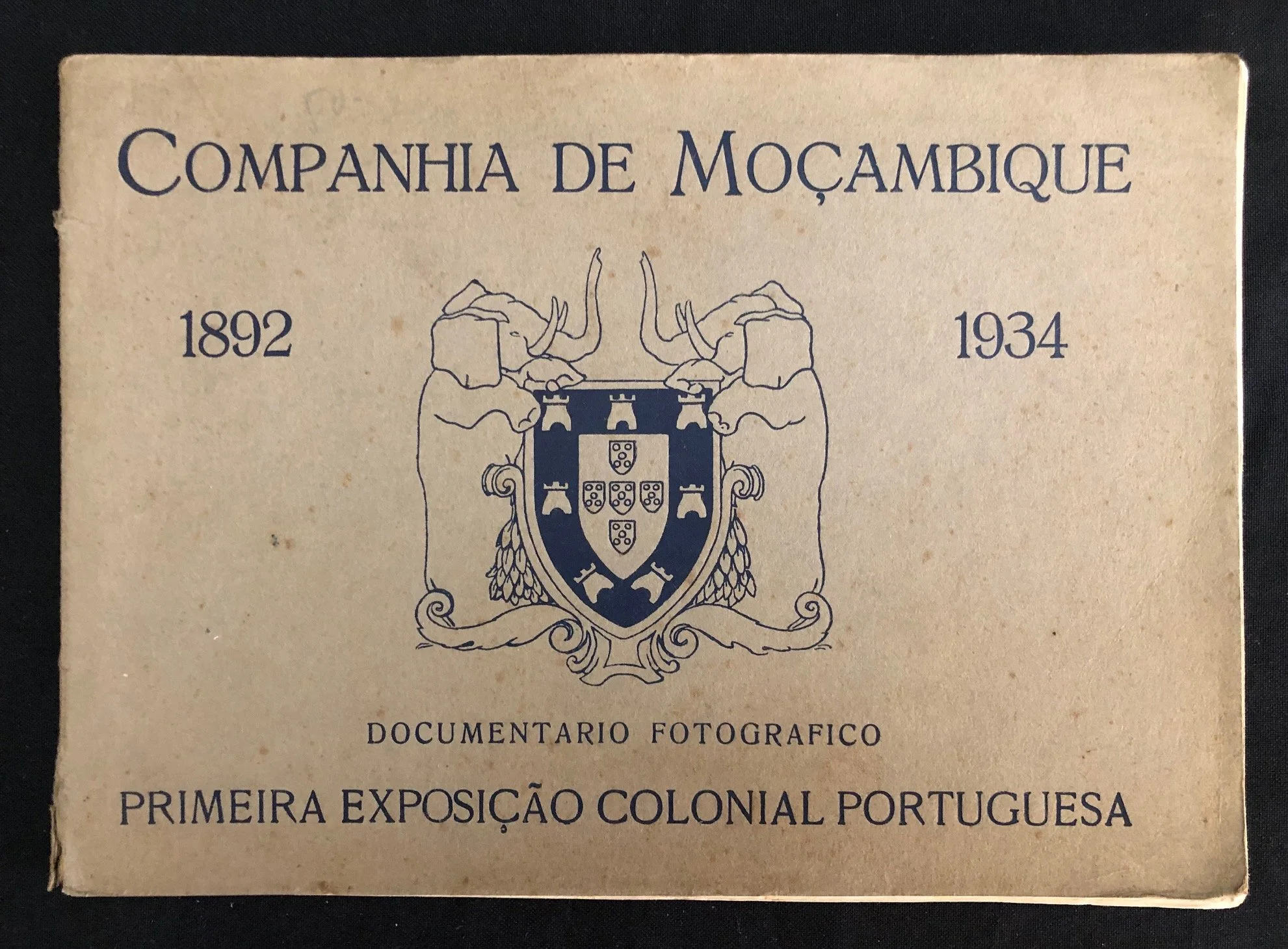
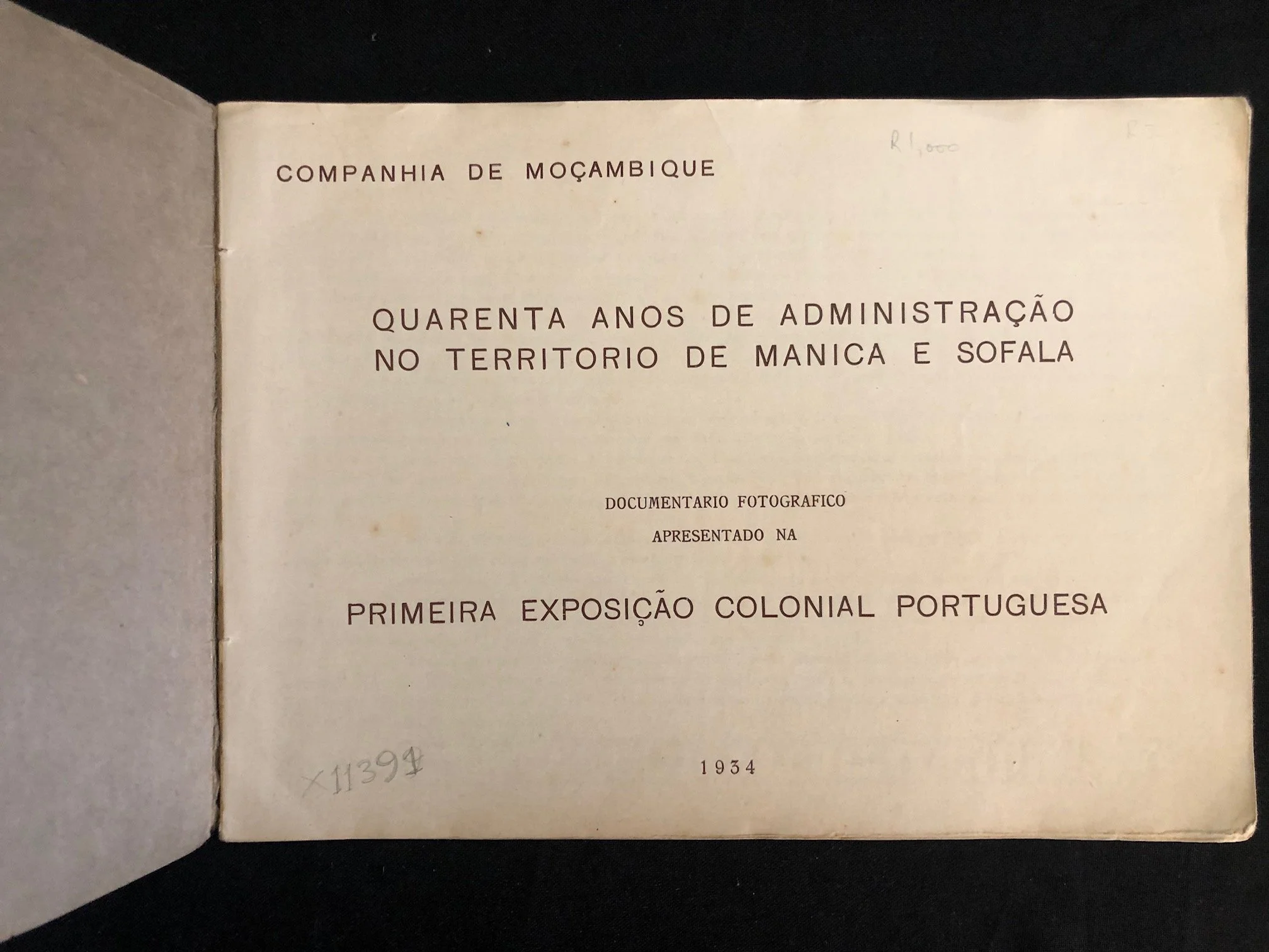
Companhia de Moçambique: Documentário Fotográfico 1892–1934
Primeira Exposição Colonial Portuguesa (First Portuguese Colonial Exhibition) held in Porto in 1934.
Titled Companhia de Moçambique: Documentário Fotográfico 1892–1934, this photographic album was published at a crucial crossroads for both the chartered company and the Portuguese Empire.
Propaganda for the "Estado Novo" Dictatorship
The 1934 First Portuguese Colonial Exhibition was a massive, highly calculated propaganda showcase engineered by António de Oliveira Salazar’s Estado Novo regime.
The Goal: The exhibition aimed to instill a sense of imperial pride in the Portuguese public, justifying the costs of maintaining colonies during the Great Depression and projecting an image of Portugal as a grand, civilizing world power.
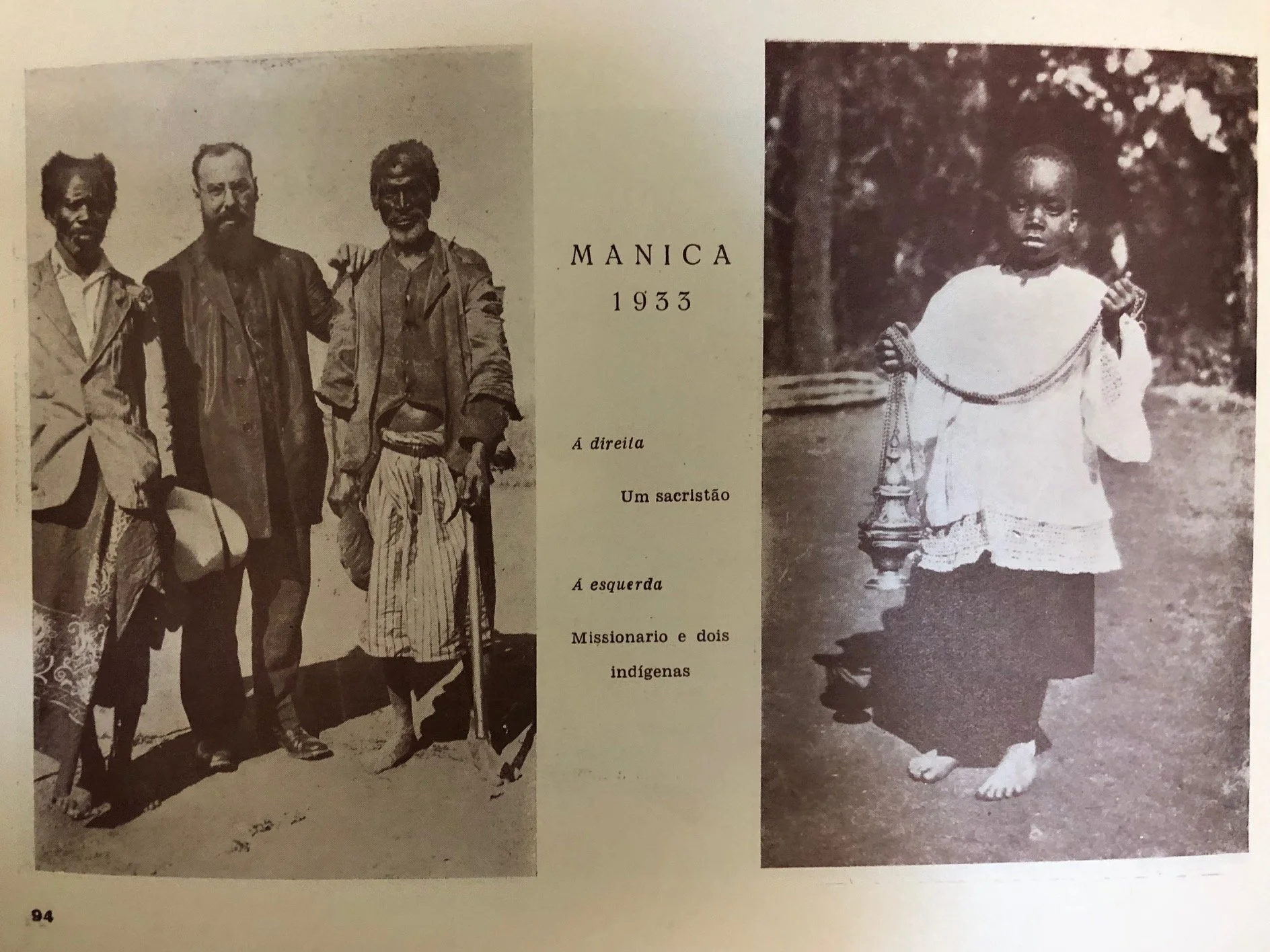
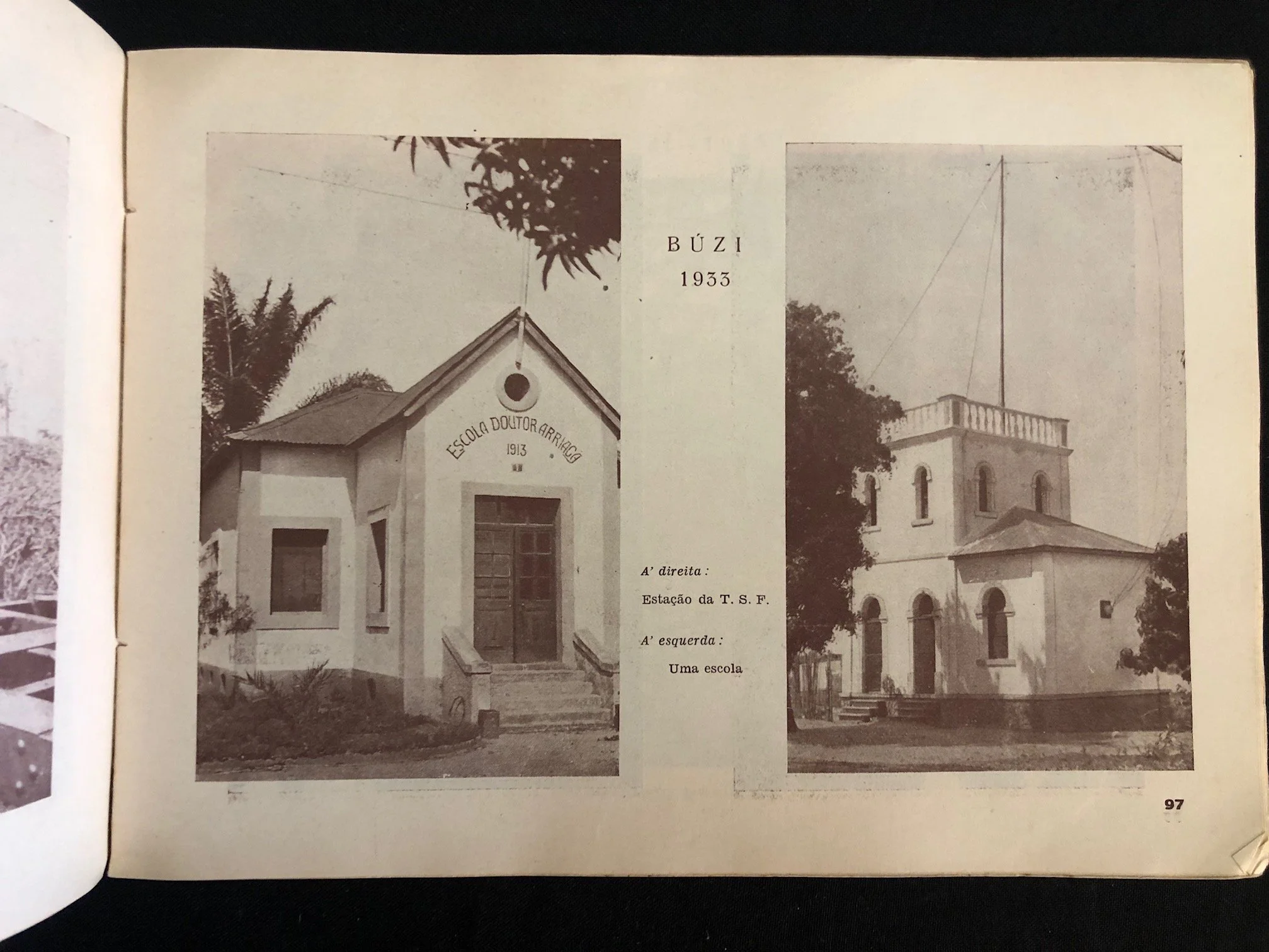
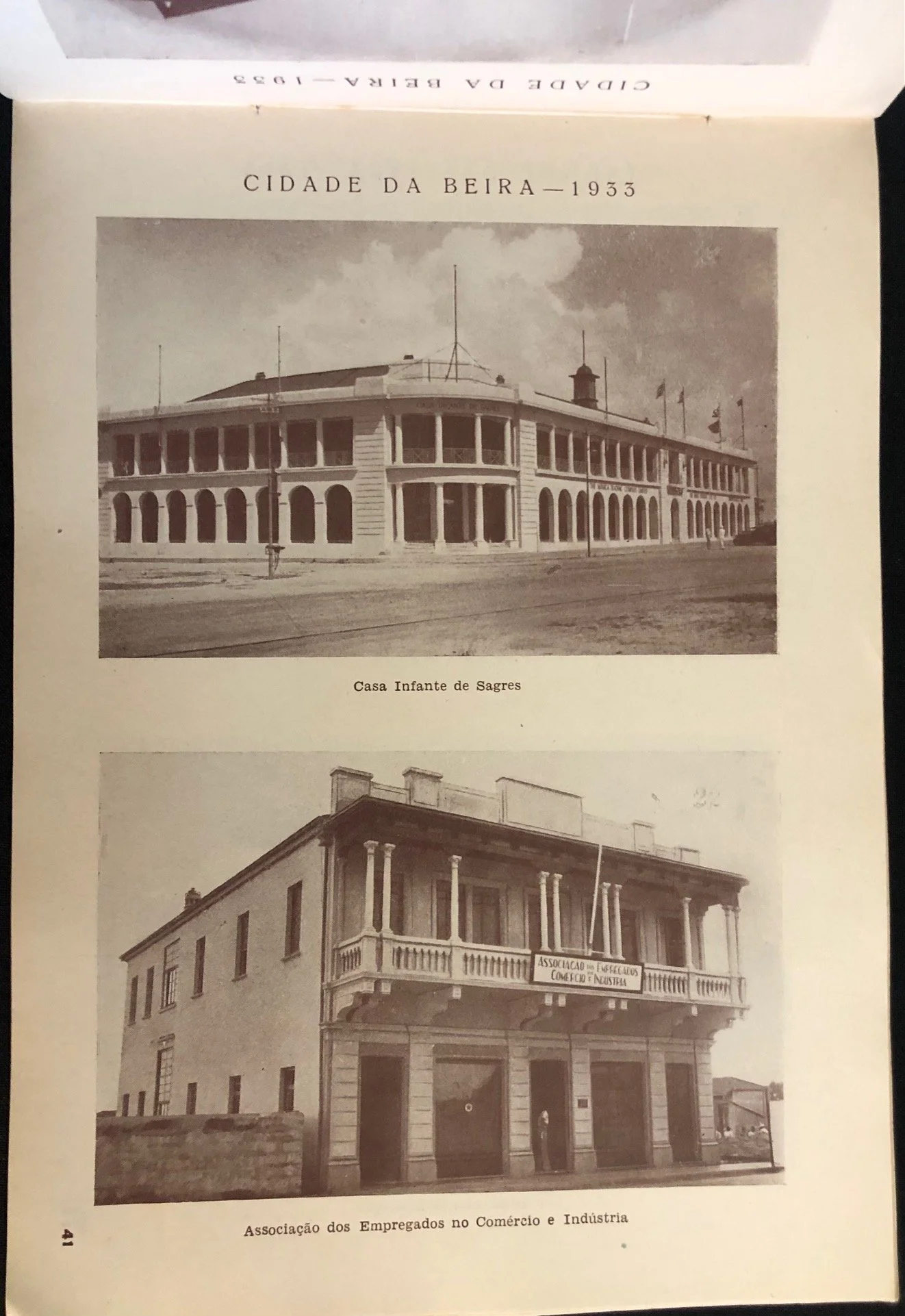
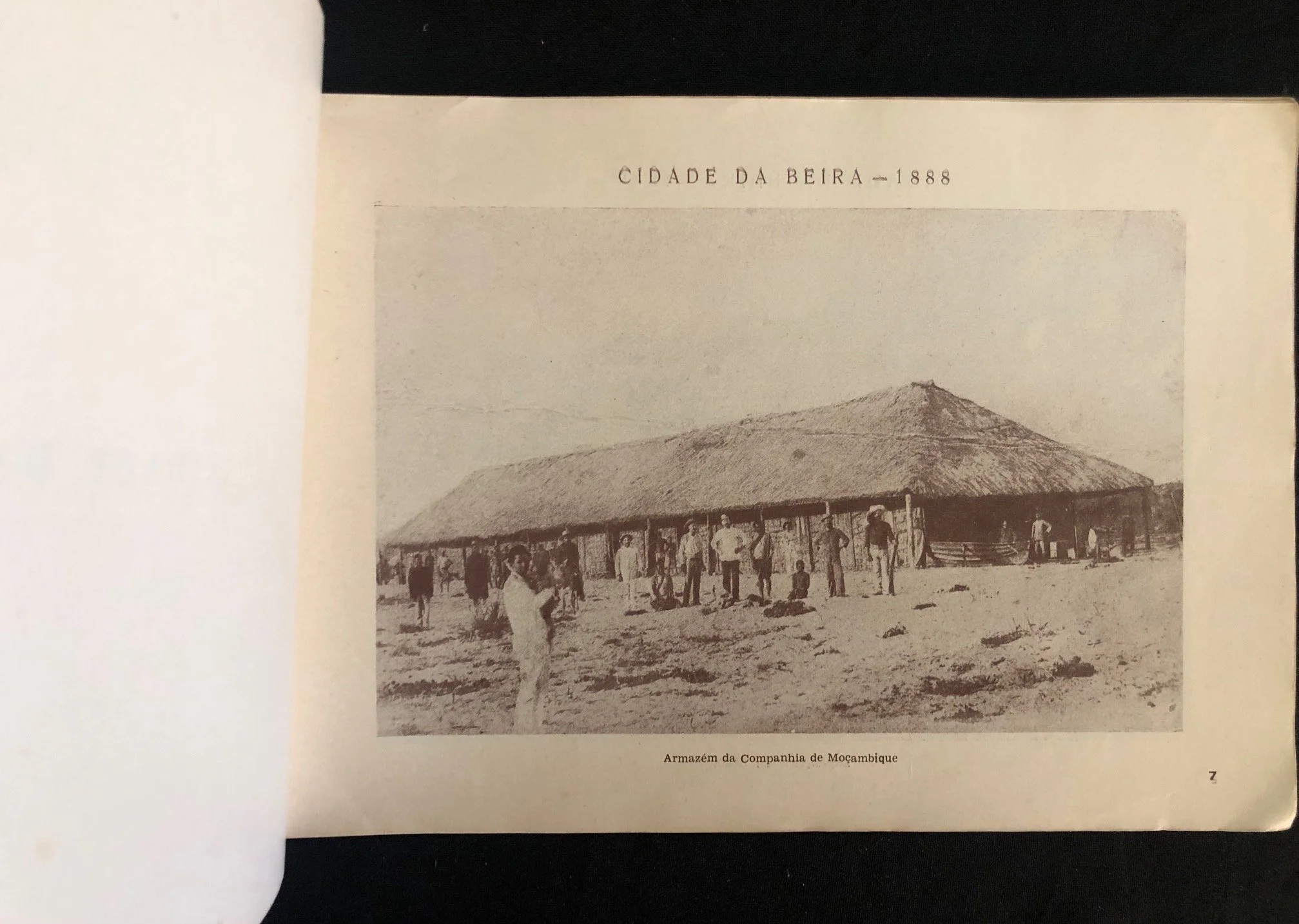
The Role of this Book: This photographic documentary was distributed at the exhibition as tangible proof of progress. It used curated photography to showcase modern ports, railways, agricultural plantations, and public works, actively signaling that Portugal was successfully modernizing the African continent.
The Sovereignty Crisis of "1892"
The date 1892 printed on the cover represents the formal beginning of the Companhia de Moçambique’s 50-year royal charter.
As a private, concessionary mega-corporation, the company effectively ruled the central provinces of Mozambique as a corporate state. However, because the company was heavily funded by British and French finance capital, it was historically viewed with intense suspicion by Portuguese nationalists. They feared that Portugal had effectively outsourced its sovereignty and that the territories of Manica and Sofala were "Portuguese in name only," while actually functioning as economic dependencies of the British Empire.
The Climax of Corporate Colonialism: "1934"
The concluding date of 1934 is highly ironic because it catches the company at the beginning of its twilight years.
Just one year prior, in 1933, Salazar introduced the Acto Colonial (Colonial Act). This landmark legislation centralized all colonial administration under strict state control in Lisbon and banned the future granting of private sovereign charters.
Therefore, by participating in the 1934 exhibition and publishing this book, the Companhia de Moçambique was fighting for its survival. It was attempting to prove to a highly skeptical, nationalistic dictatorship that a chartered company backed by foreign capital could still be a "loyal, patriotic vehicle" for Portuguese imperial interests.
The Heraldic Symbolism
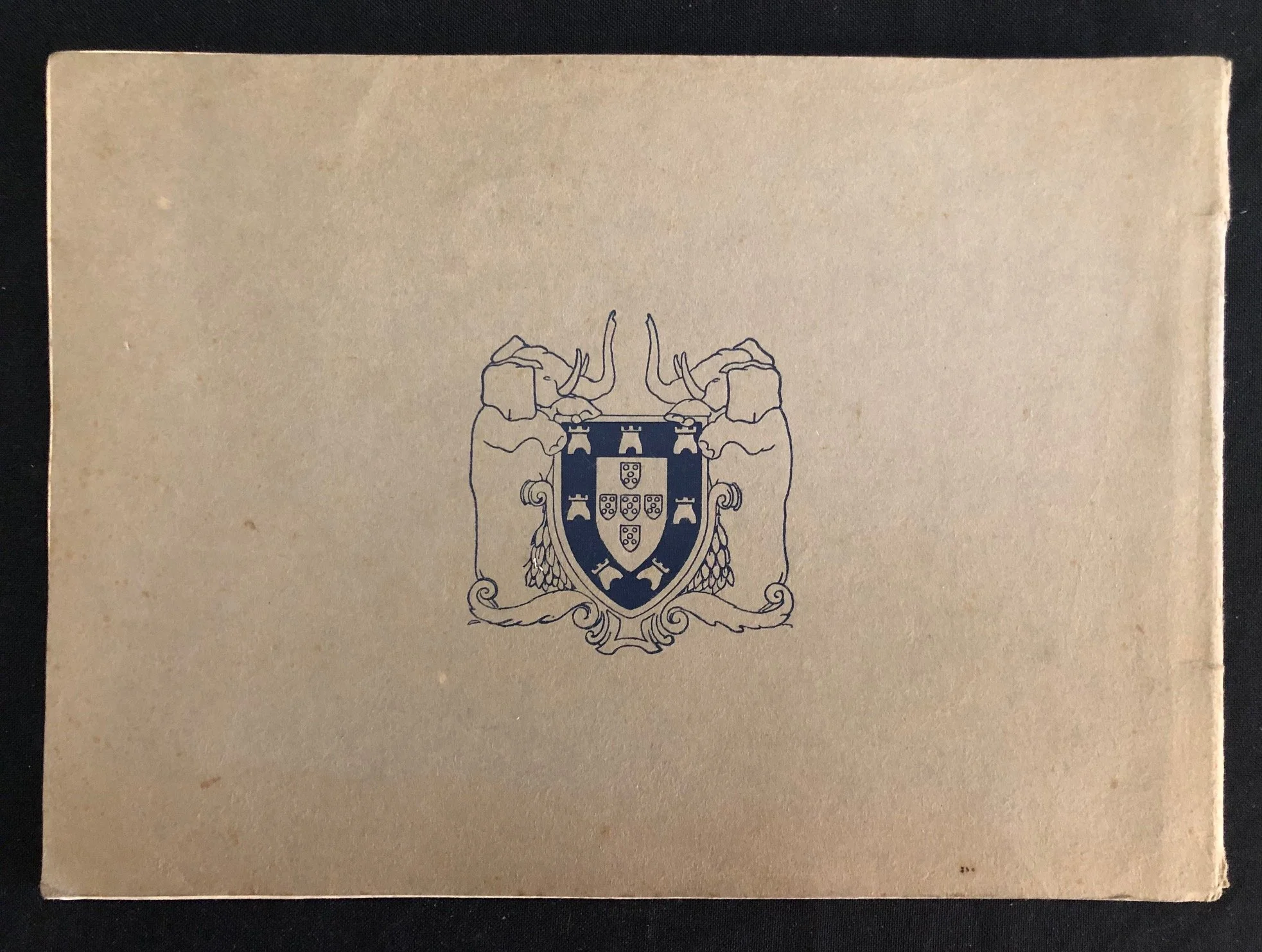
The center of the cover features the official coat of arms of the Companhia de Moçambique: a central shield flanked by two African elephants with raised trunks.
The shield itself is a hybrid symbol: it features the traditional quinas (the five blue shields) of the Portuguese royal coat of arms, surrounded by a border of castles representing the fortifications of empire.
Placing this explicit royal and national heraldry on the company emblem was a deliberate attempt to blend corporate commercial activity with absolute national identity—a visual reassurance that despite foreign investors, the territory remained fundamentally Portuguese.
Ultimately, the state won the ideological battle. Just eight years after this booklet was printed, in 1942, the company's charter expired. The Portuguese government refused to renew it, officially dissolving the corporate state and bringing the territories under direct municipal control.
250mm x 180mm
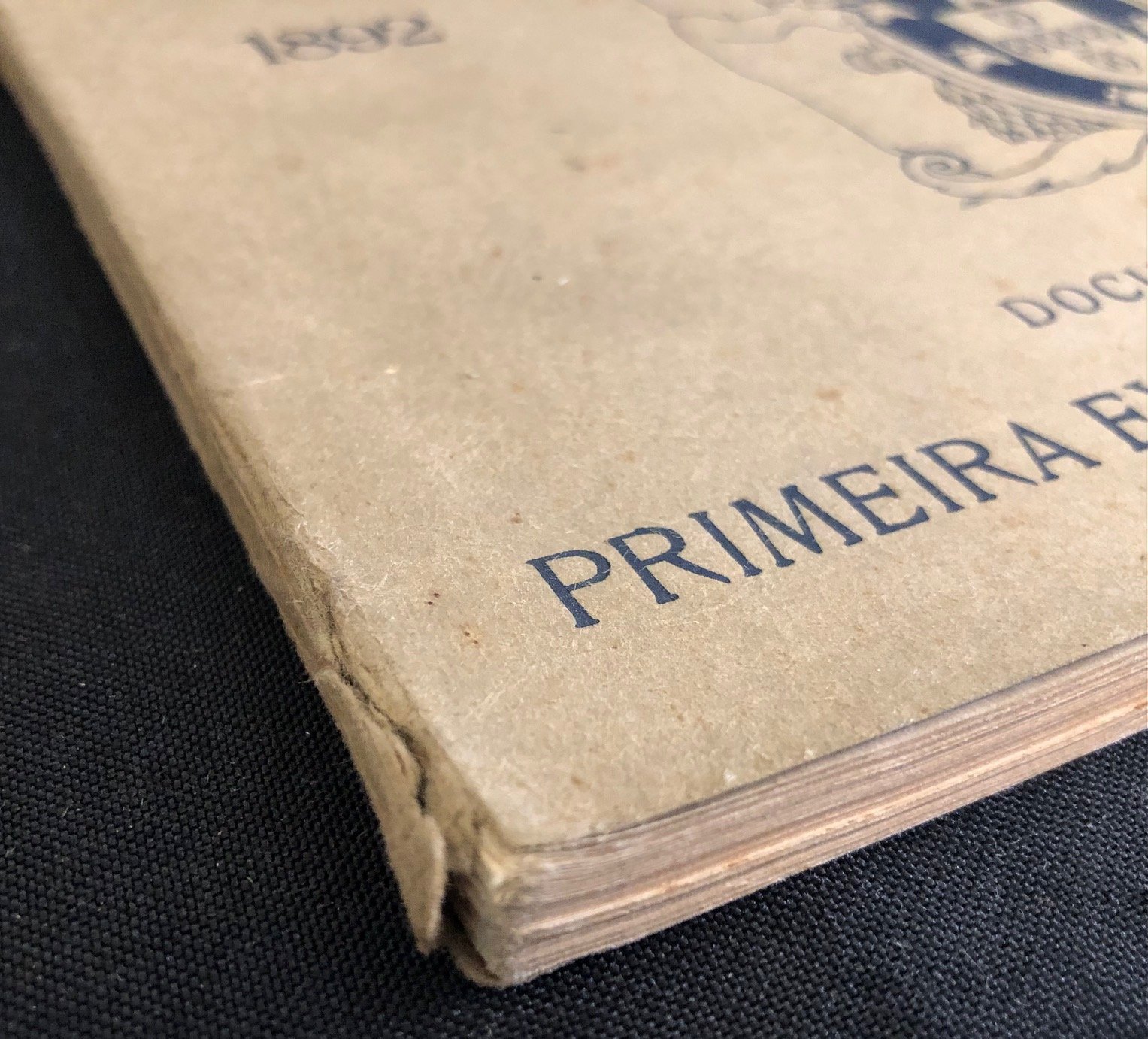
Hinges breaking; wear to the edges; slight foxing to the edges.
R1,000