Moçambique: Anuário Turístico / Tourist Year Book published in Lisbon (1971)
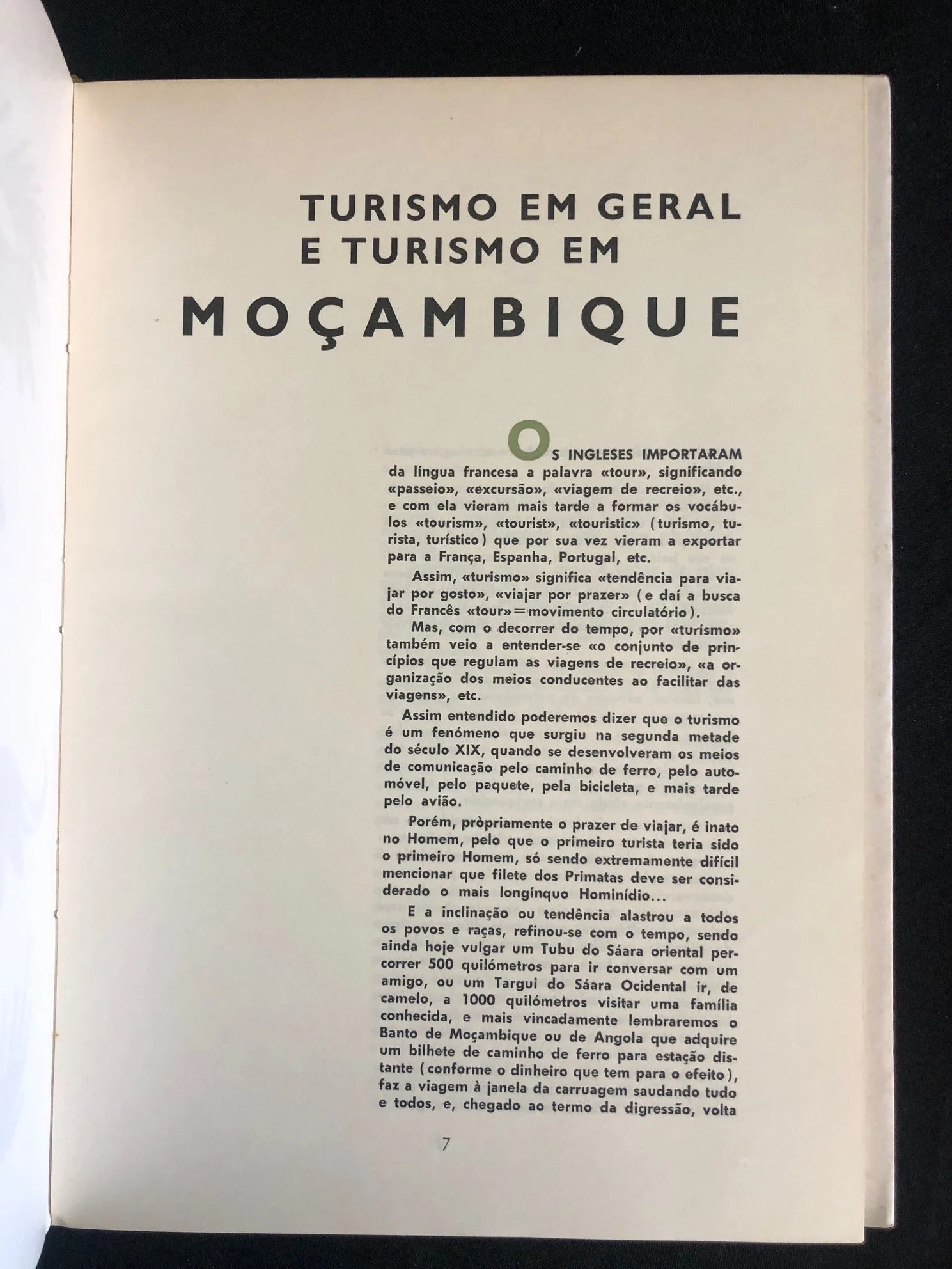
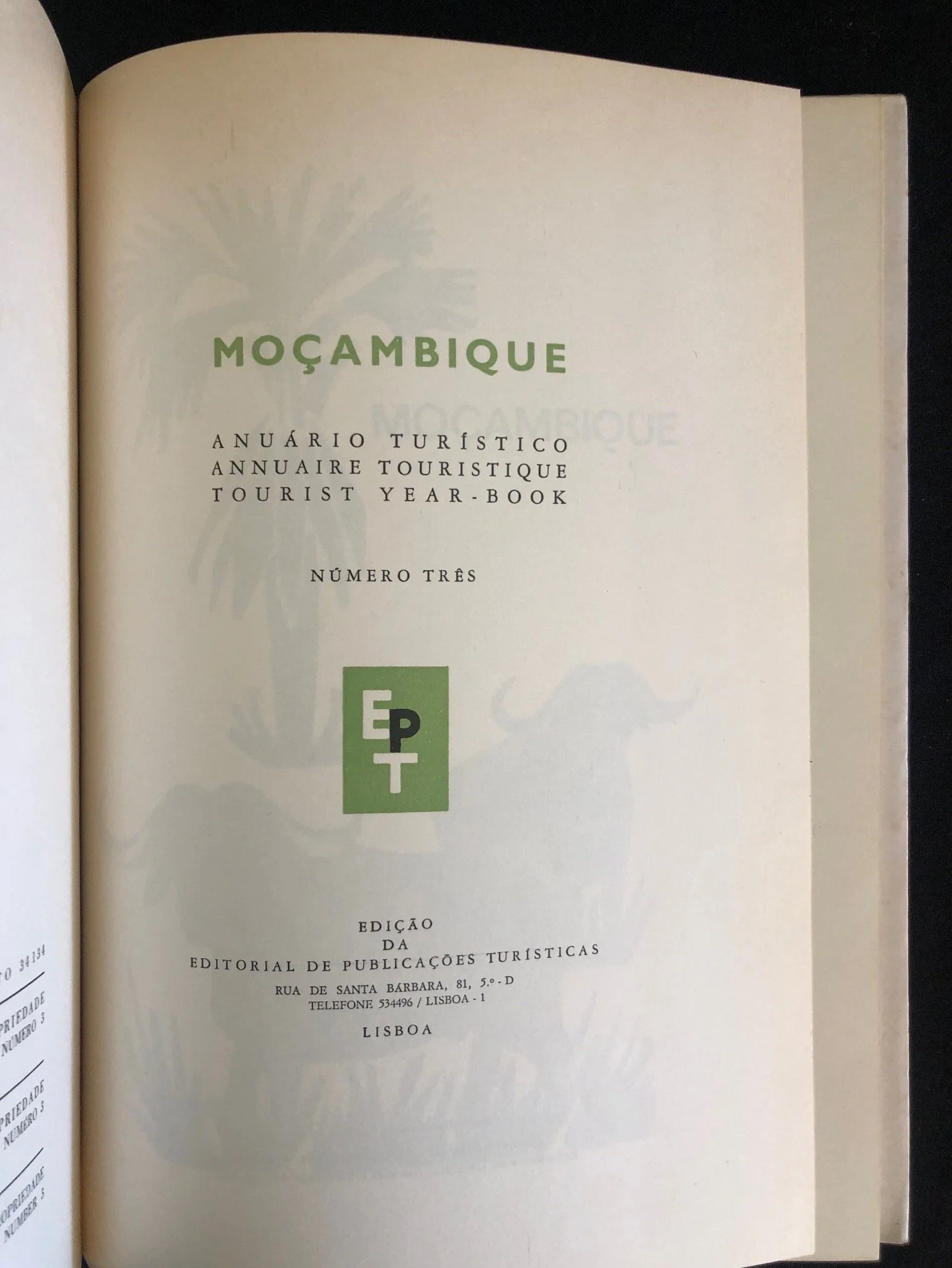
Moçambique: Anuário Turístico / Tourist Year Book (Número Três), published in Lisbon by the Editorial de Publicações Turísticas in 1971.
Beyond being a rare collectible, this specific volume holds deep historical significance as a time capsule of the late Portuguese colonial era in Africa. Here are a few historically interesting aspects of this publication:
Published in 1971, this yearbook represents the twilight of Portuguese rule in Mozambique. At the time of publication, the Mozambican War of Independence (led by FRELIMO) had been raging in the northern provinces since 1964.
To counteract the narrative of a colony in conflict, the Estado Novo regime in Lisbon heavily promoted tourism. This luxurious, trilingual yearbook (Portuguese, English, and French) was designed to project an image of absolute stability, modern architectural development, and peaceful colonial "normality" to the international community, just four years before Mozambique gained independence in 1975.
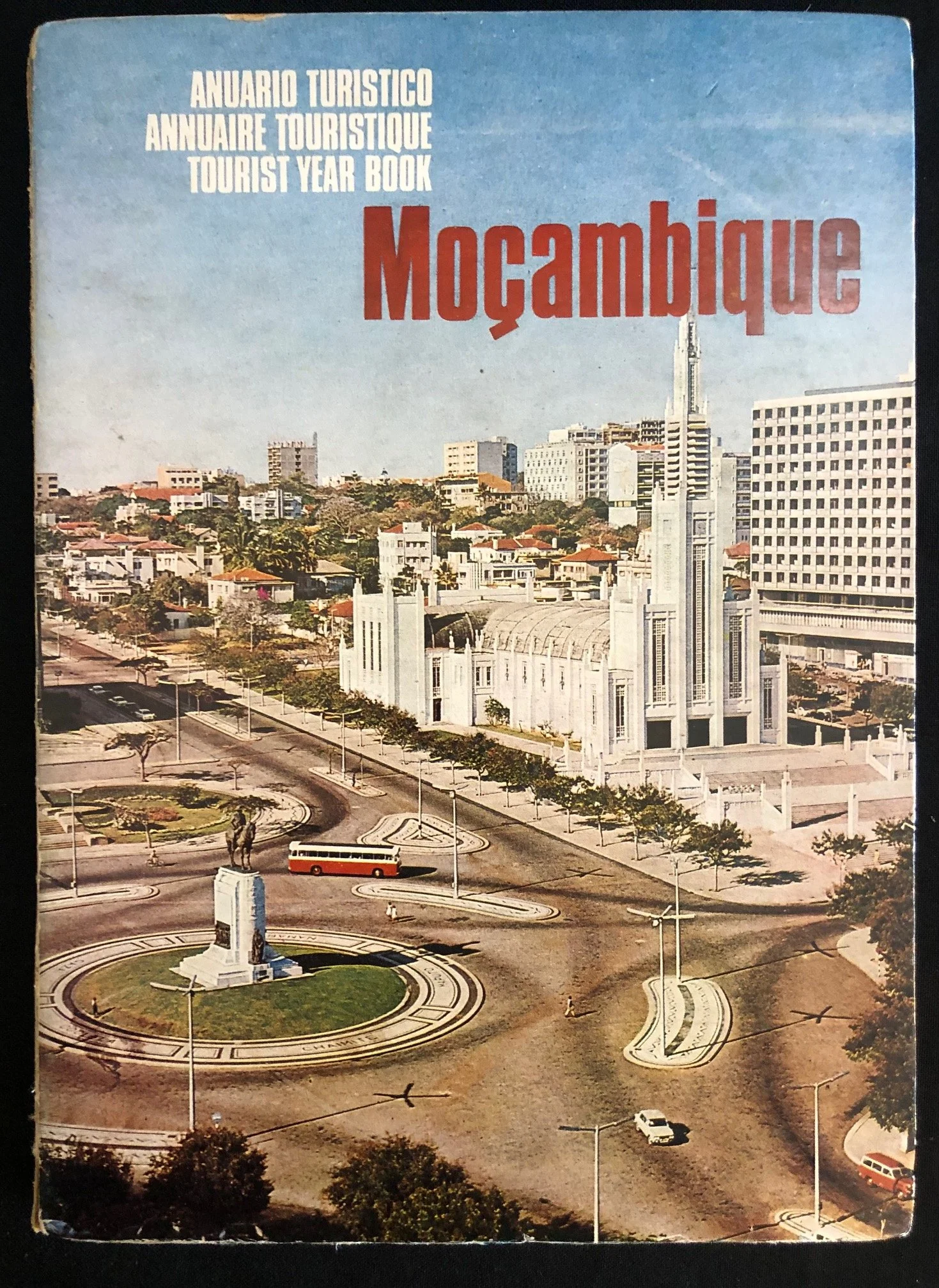
The cover photograph on captures the heart of the capital city, then known as Lourenço Marques (renamed Maputo after independence).
The Cathedral: The prominent white structure on the right is the Catedral de Nossa Senhora da Conceição (Cathedral of Our Lady of the Conception), a striking example of Art Deco/Neo-Gothic architecture completed in 1944.
The Lost Monument: In the foreground roundabout sits the imposing equestrian statue of Mouzinho de Albuquerque, the Portuguese military officer and Royal Commissioner of Mozambique celebrated by the colonial regime for defeating the Gaza Empire in 1895. Following independence in 1975, this massive bronze monument was pulled down by the new government as a symbol of colonial oppression. It was eventually moved to the fortress museum in Maputo, completely altering the urban landscape pictured here.
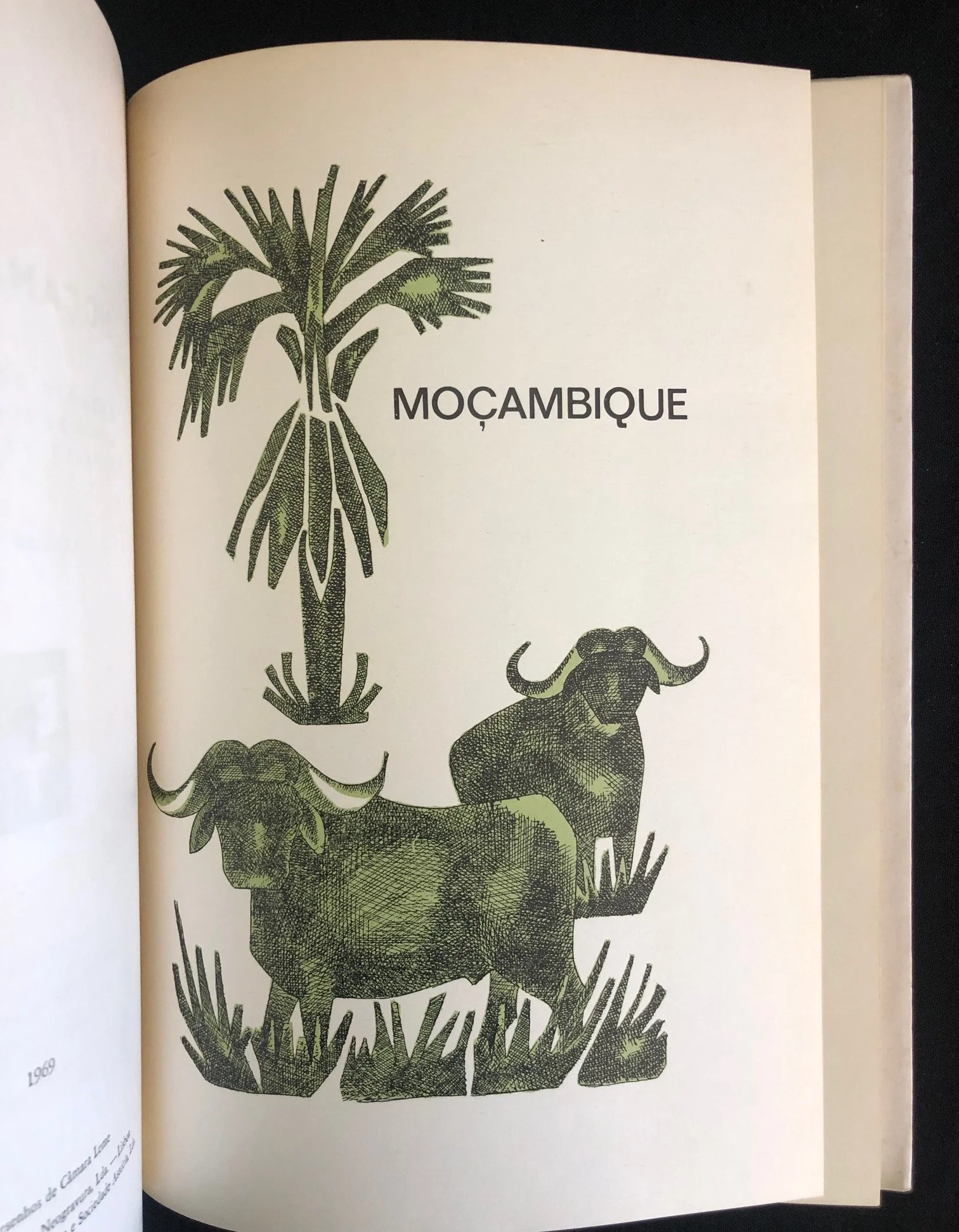
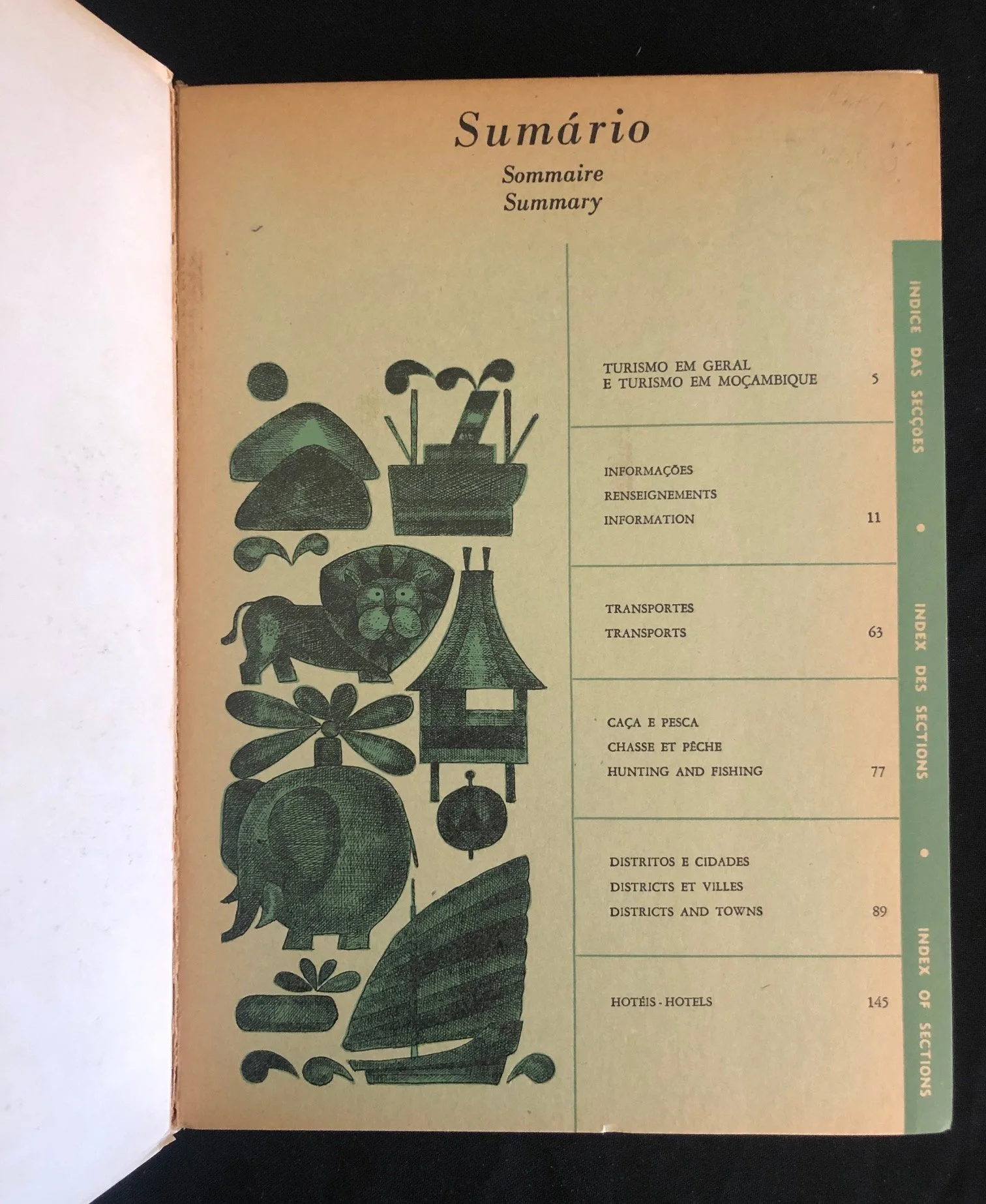
By 1971, Mozambique was a major destination for wealthy international tourists and white South Africans, famed for its pristine beaches and massive game reserves like Gorongosa. This third edition of the yearbook contains detailed, state-sanctioned logs of hunting regulations, lists of permitted big game mammals, and veterinary services. It stands as a historical record of how the colonial administration commodified African wildlife and relied heavily on African labor (trackers, guides, and skinners) to build a thriving safari economy.
It is a fascinating artifact of "late colonial modernism," capturing a highly manicured, state-approved vision of Mozambique right before the empire collapsed.
190mm x 265mm
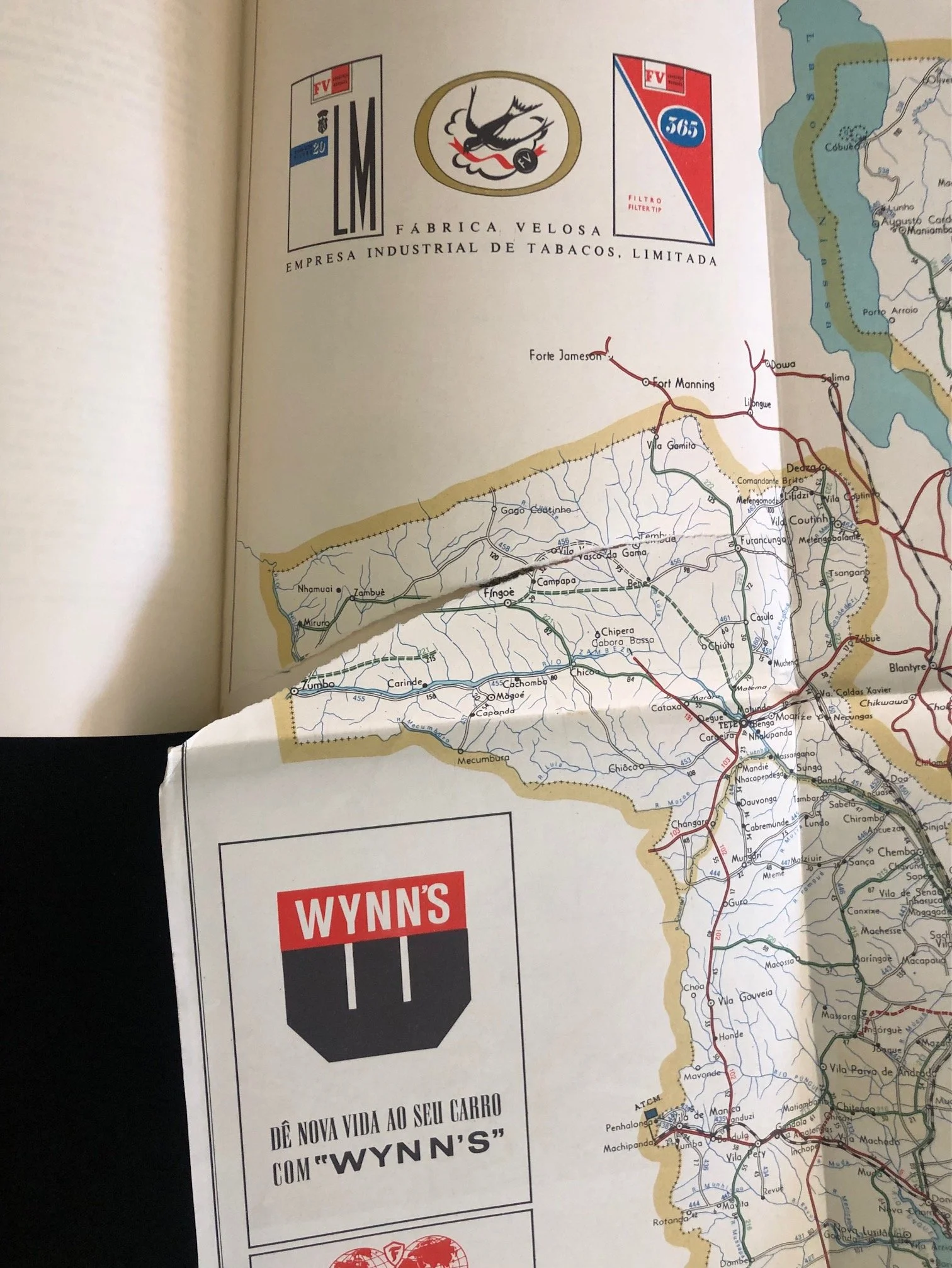
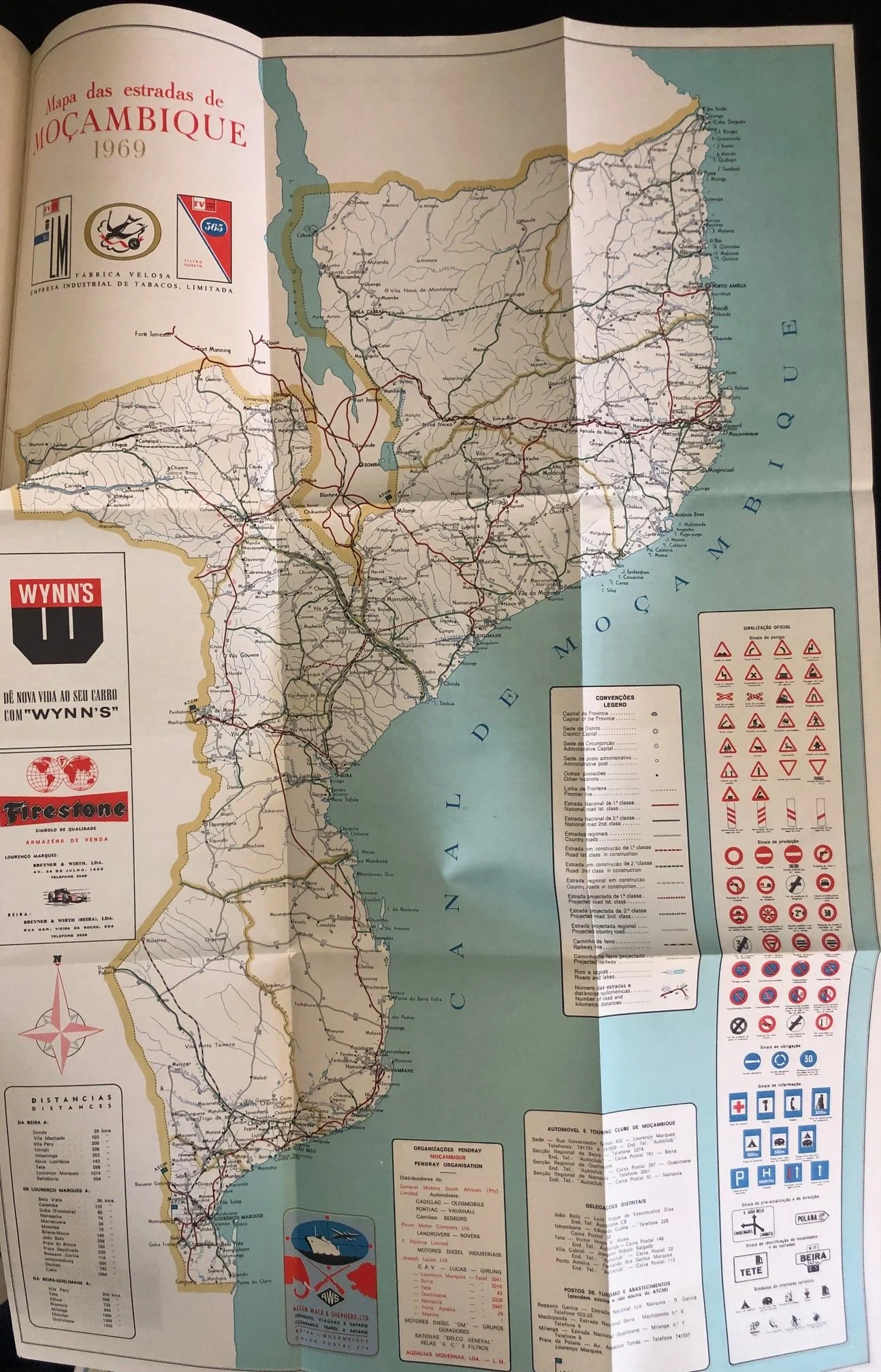
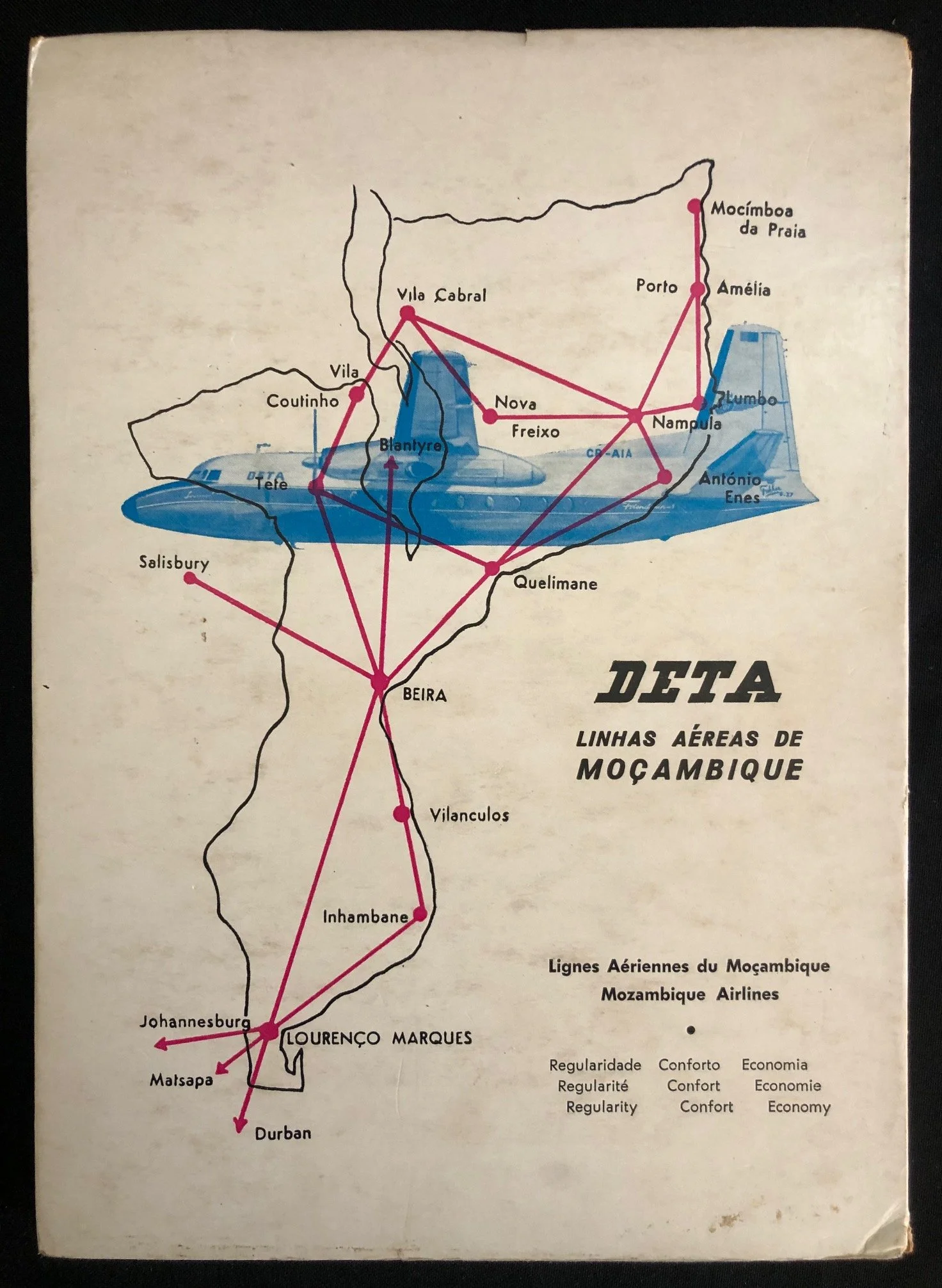
Wear to boards and spine; map torn without loss; binding loose.
R1,250