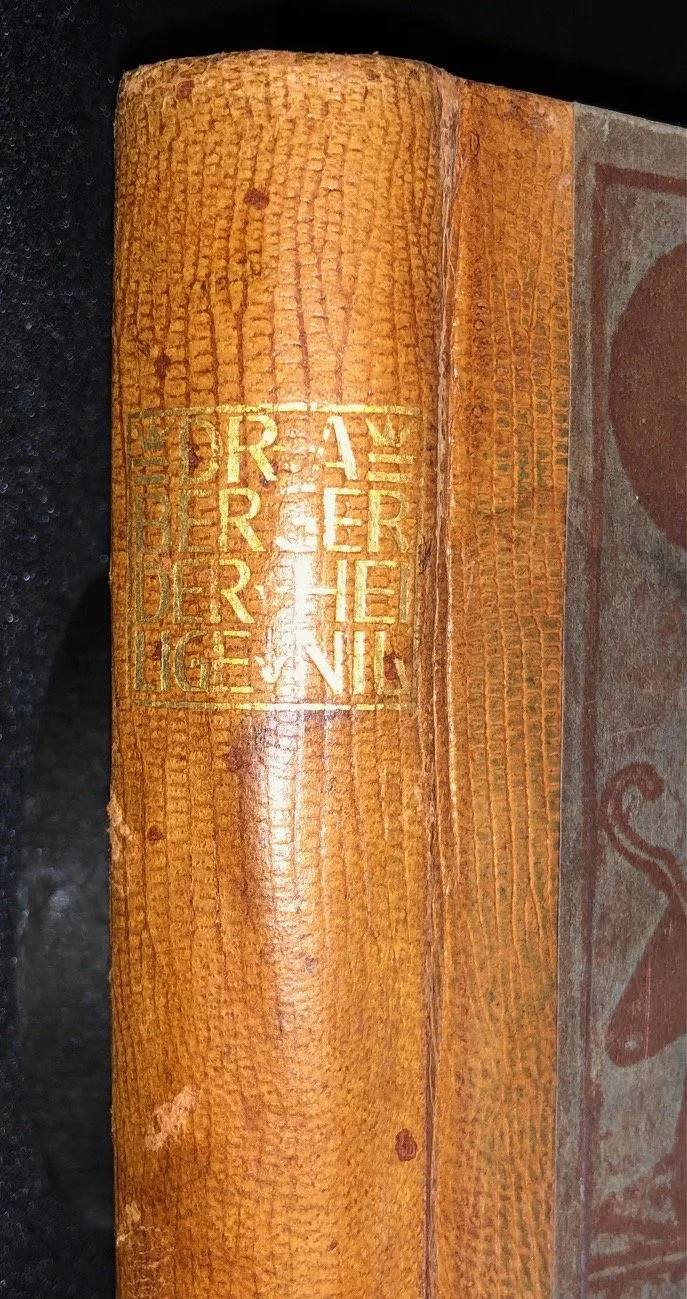
Der Heilige Nil ("The Holy Nile") by Dr. Arthur Berger (1924)
Der heilige Nil ("The Holy Nile") by Dr. Arthur Berger, published in Berlin in 1924. Beyond its contents as an early 20th-century German travelogue and hunting expedition, its historical significance lies heavily in the unique cultural and political ecosystem of its publisher.
The Author: A Naturalist Caught Between Science and Big-Game Hunting
Dr. Arthur Berger was a prominent German physician, explorer, and zoologist who spent the early decades of the 1900s traversing Africa and the South Seas. He was part of a specific era of European exploration where scientific field research, wildlife photography, and big-game hunting coexisted.
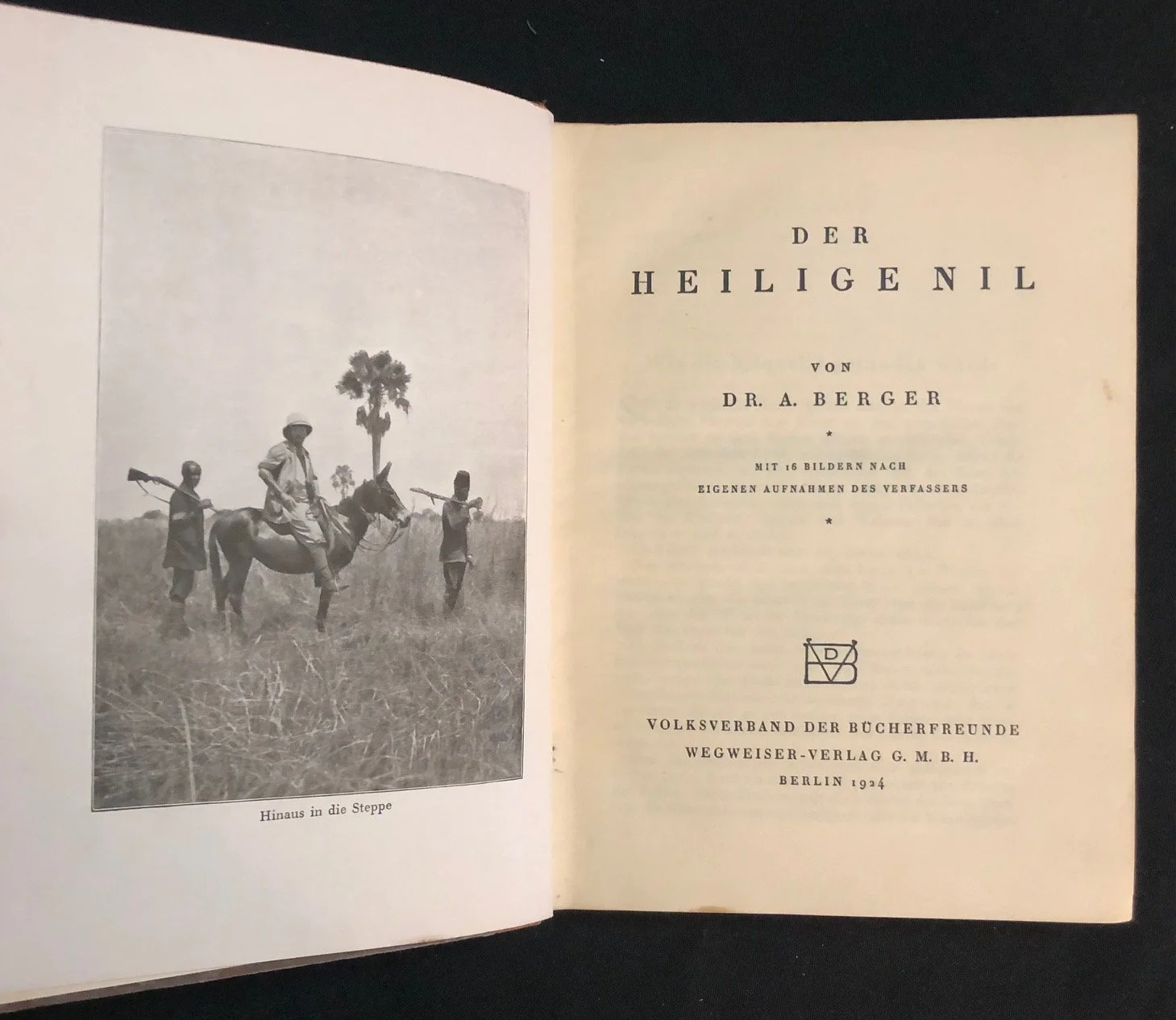
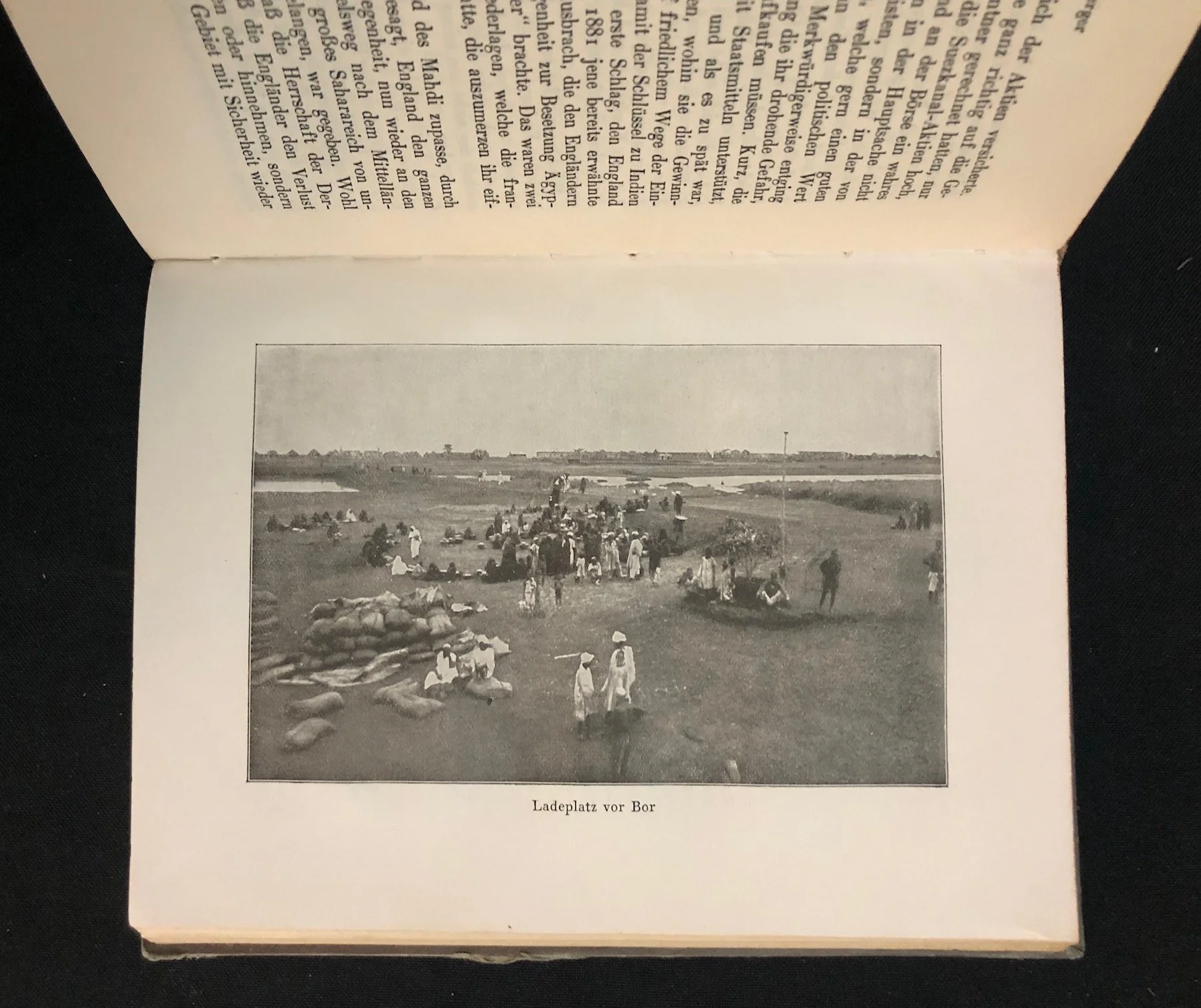
The frontispiece, titled "Hinaus in die Steppe" (Out into the Steppe), captures Berger himself in classic expedition attire (safari jacket and pith helmet) mounted on a mule, flanked by local armed guides. The title page emphasizes that the book contains 16 plates reproduced from the author’s own original photographs ("nach eigenen Aufnahmen des Verfassers"), which were considered cutting-edge visual documentation for European armchair travelers of the Weimar era.
A Product of the Weimar "Democratization of Knowledge"
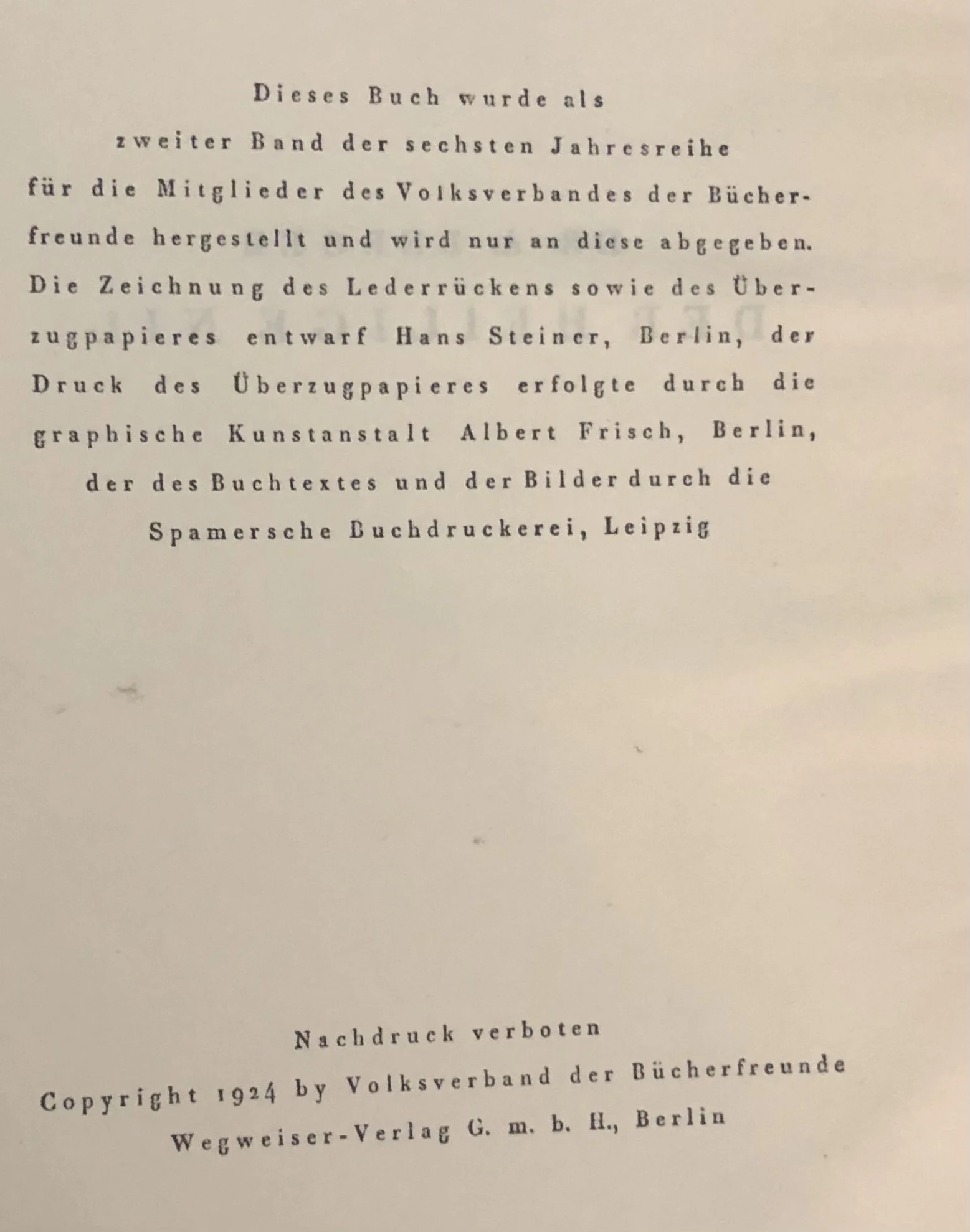
The book was published by the Wegweiser-Verlag for the Volksverband der Bücherfreunde (VdB—People's Association of Book Friends). Founded in 1919 just after World War I, the VdB was not a traditional publishing house but rather a massive, progressive book club born out of the Weimar Republic's cultural shift toward making literature and education affordable to the working and middle classes.
Instead of buying expensive individual volumes, members paid a subscription fee to receive curated, high-quality, beautifully bound literature, science, and travel books. The VdB grew exponentially; in 1924—the exact year this copy of Der heilige Nil was printed—membership had reached roughly 190,000 people (and would explode to 750,000 by 1932).
A Seismograph of 20th-Century German History
The publisher's logo at the center of the title page (the stylized VdB monogram) represents a publishing movement that served as a fascinating political barometer:
In 1924: The club operated on an explicitly unpolitical, pacifist, and egalitarian ethos, attempting to culturally rebuild and broaden the minds of post-war German citizens. Dr. Berger himself was a regular fixture at VdB events, giving public readings alongside literary giants like Thomas Mann.
The Aftermath: Following the Nazi rise to power in 1933, the VdB’s independent, unaligned stance became impossible to maintain. The organization was eventually forced into alignment (Gleichschaltung), lost its charitable status, and experienced a massive hemorrhage of members—making early Weimar-era editions like this 1924 printing pristine examples of the club's original, idealistic golden age.
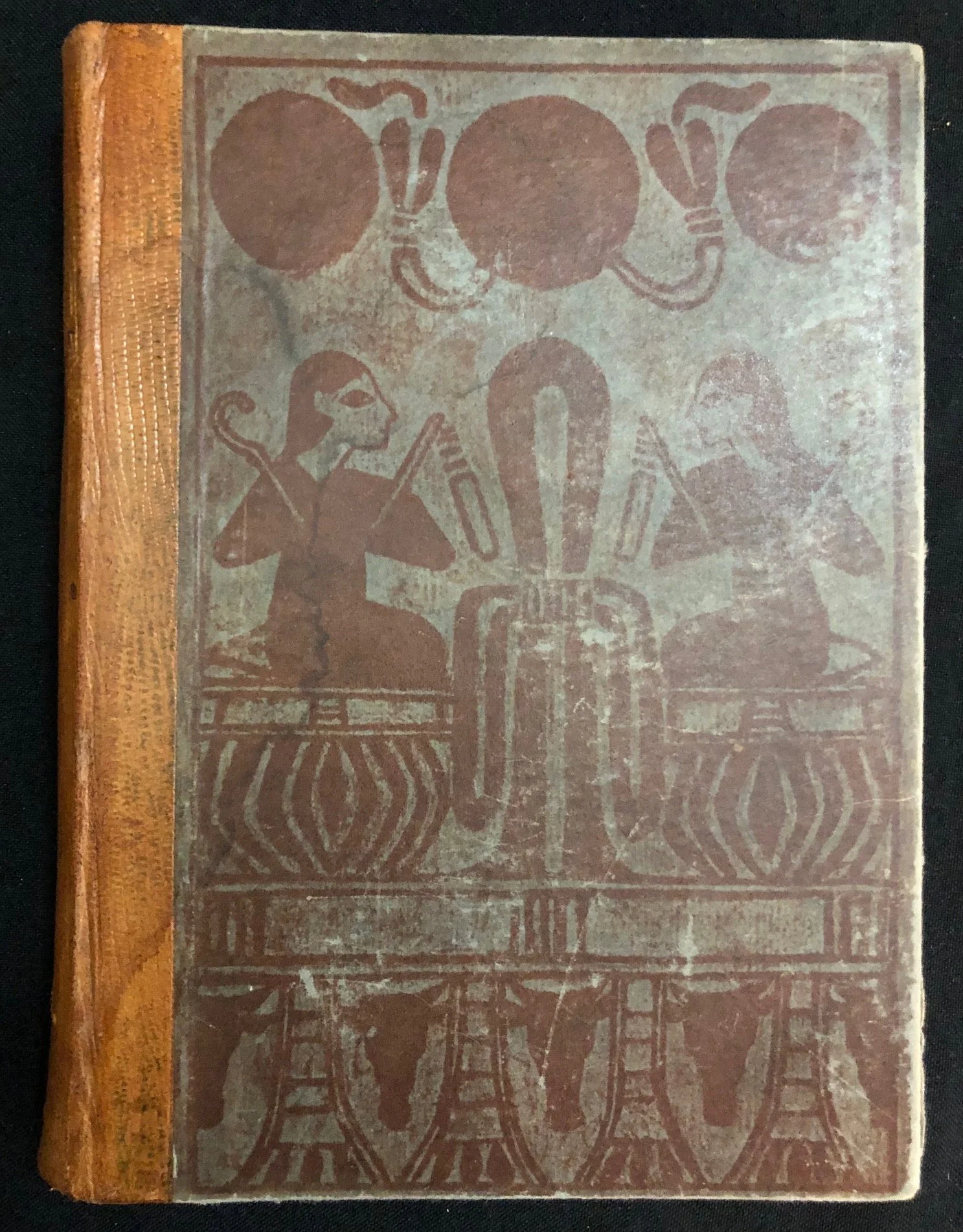
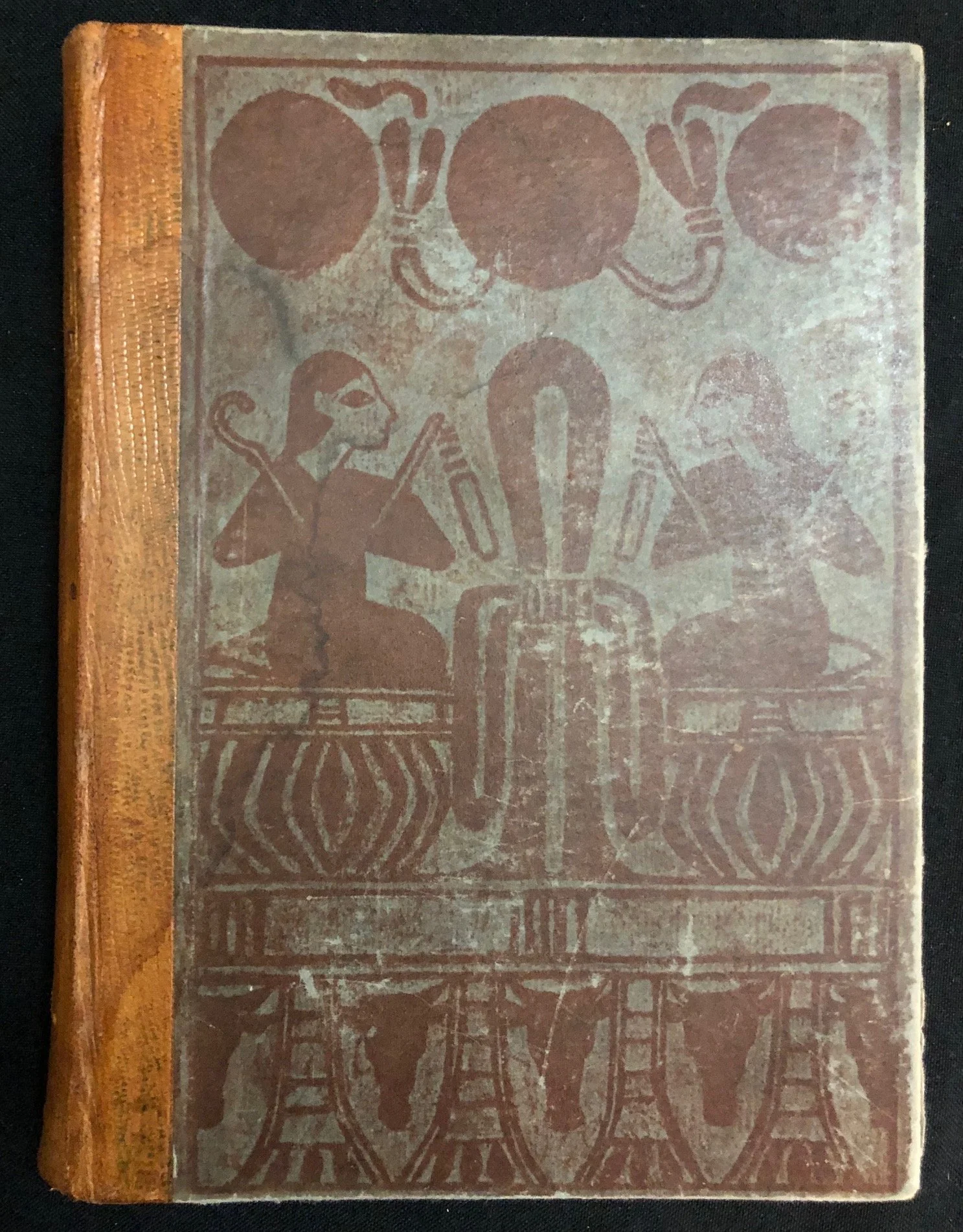
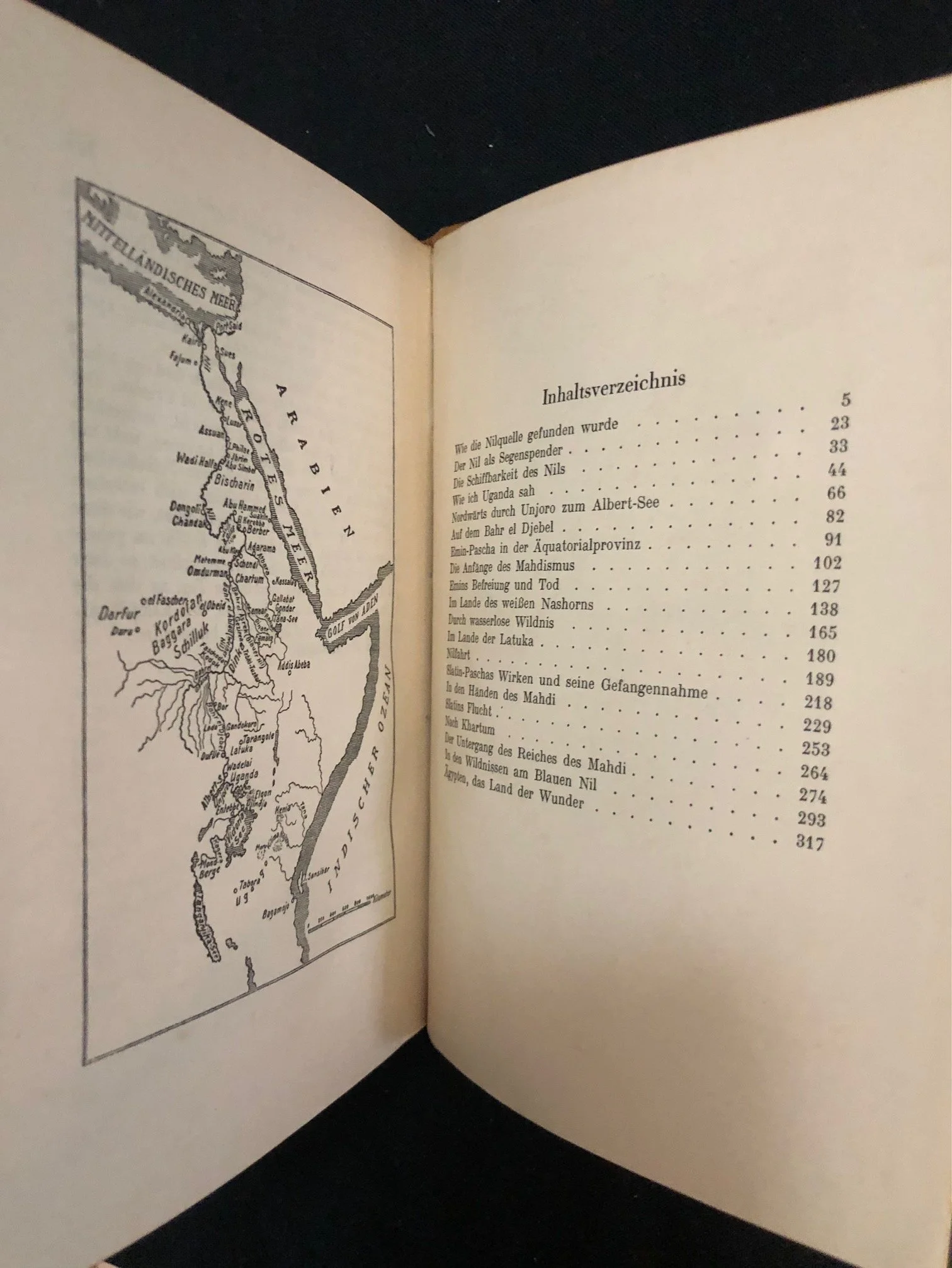
Complete with all 16 plates & map. Some wear to the boards.
145mm x 190mm x 30mm
R1,500