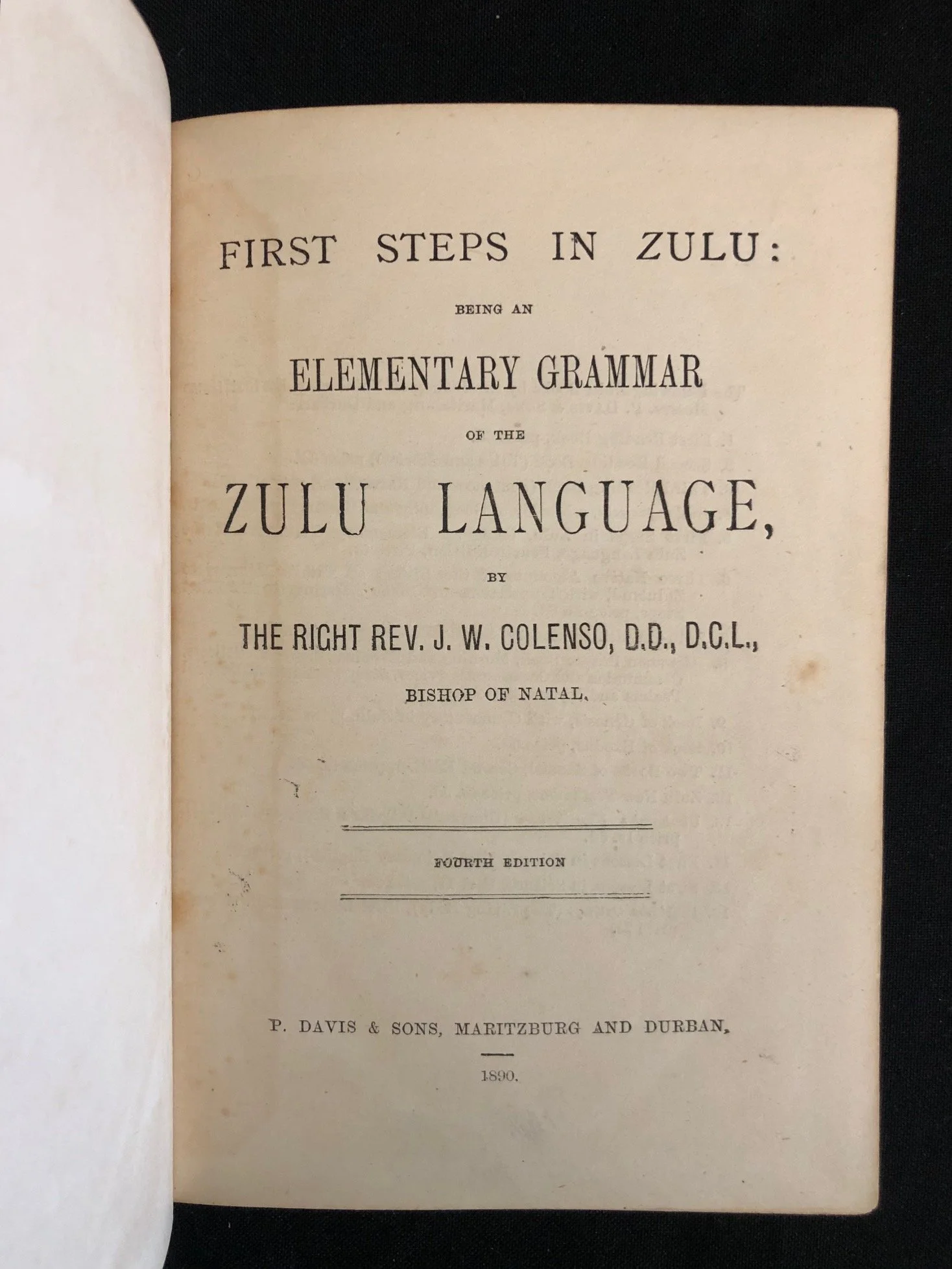
The Zulu Language by John William Colenso, the Bishop of Natal. (1890)
Fourth edition.
This book represents much more than an early linguistic textbook; it is a monument to one of the most controversial, radical, and consequential figures in 19th-century South African history: John William Colenso, the Bishop of Natal (known affectionately to many Zulus as Sobantu, meaning "Father of the People").
The Grammar That Triggered a Global Heresy Trial
Colenso’s deep immersion into the Zulu language—which resulted in foundational texts like First Steps in Zulu and his massive Zulu-English dictionary—directly led to a massive scandal that shook the global Anglican Church.
While working closely with Zulu intellectuals and assistants (most notably William Ngidi) to translate the Bible, Colenso’s assistants asked probing questions about the literal truth of stories like Noah's Ark and the creation narrative. Realizing the contradictions when trying to explain them in isiZulu, Colenso published radical treatises of biblical criticism questioning the historical accuracy of the Pentateuch. This resulted in him being tried for heresy, excommunicated by the Bishop of Cape Town in 1863, and sparking a bitter legal and theological schism.
A Polymath's Linguistic Blueprint
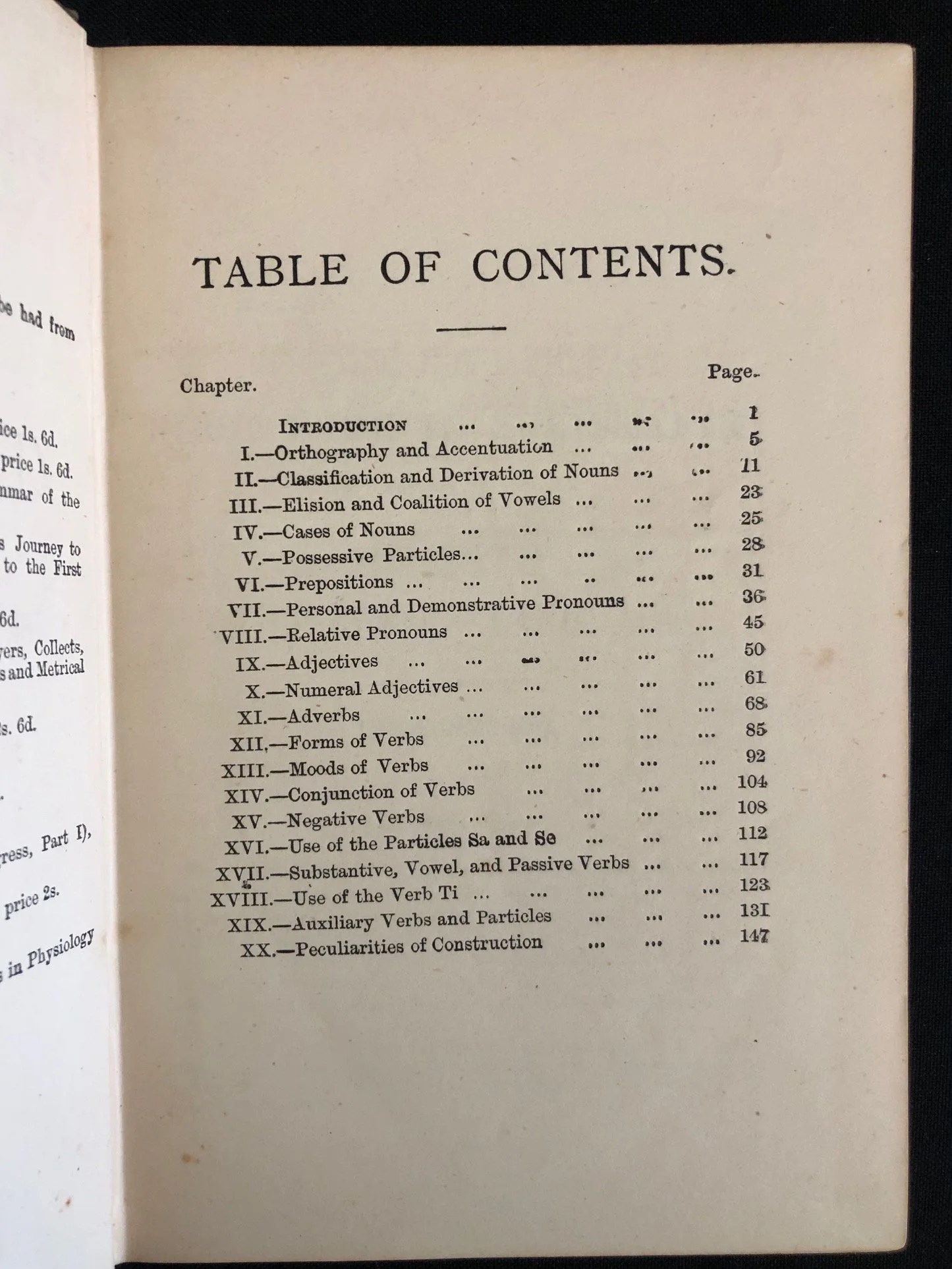
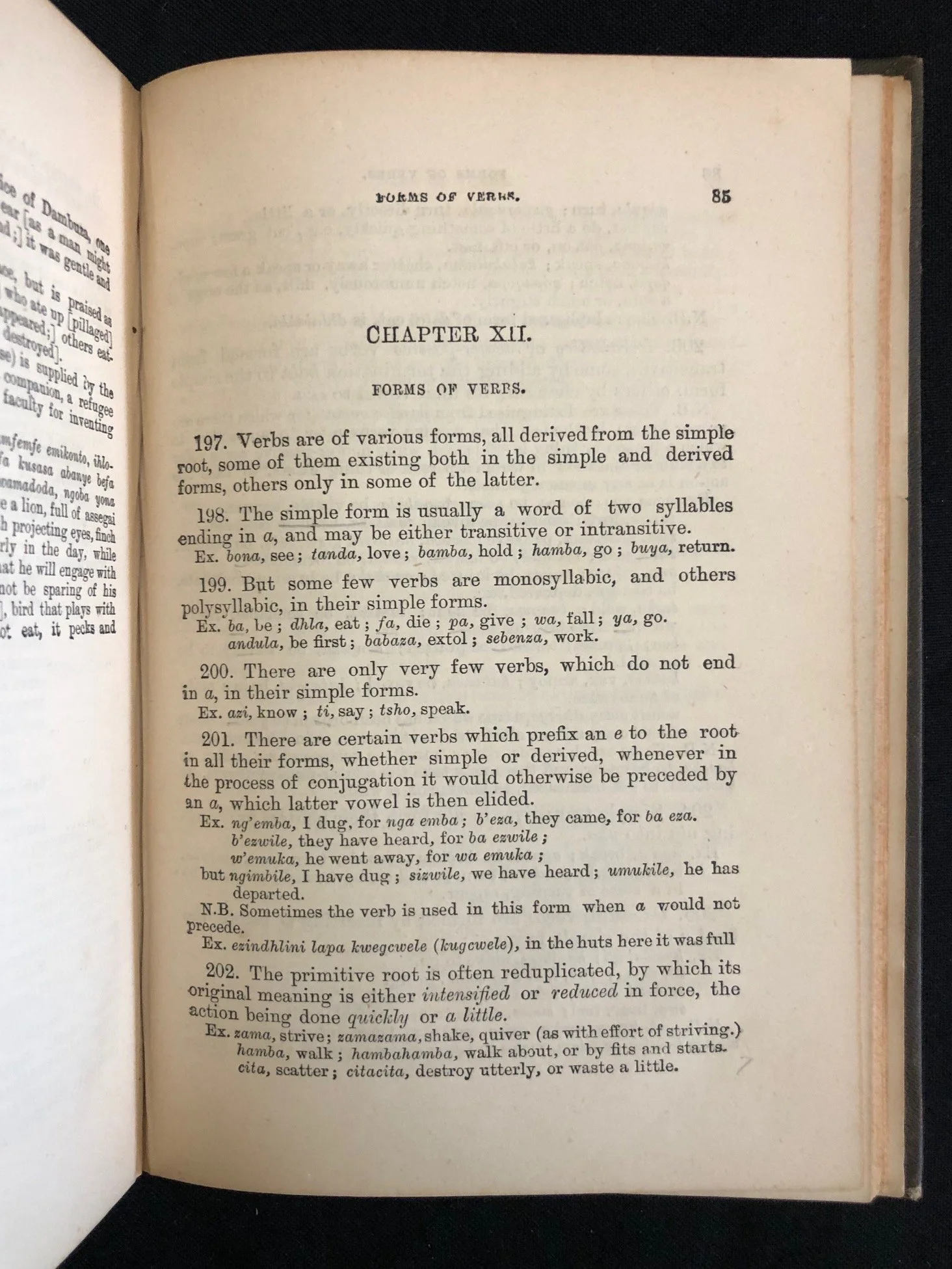
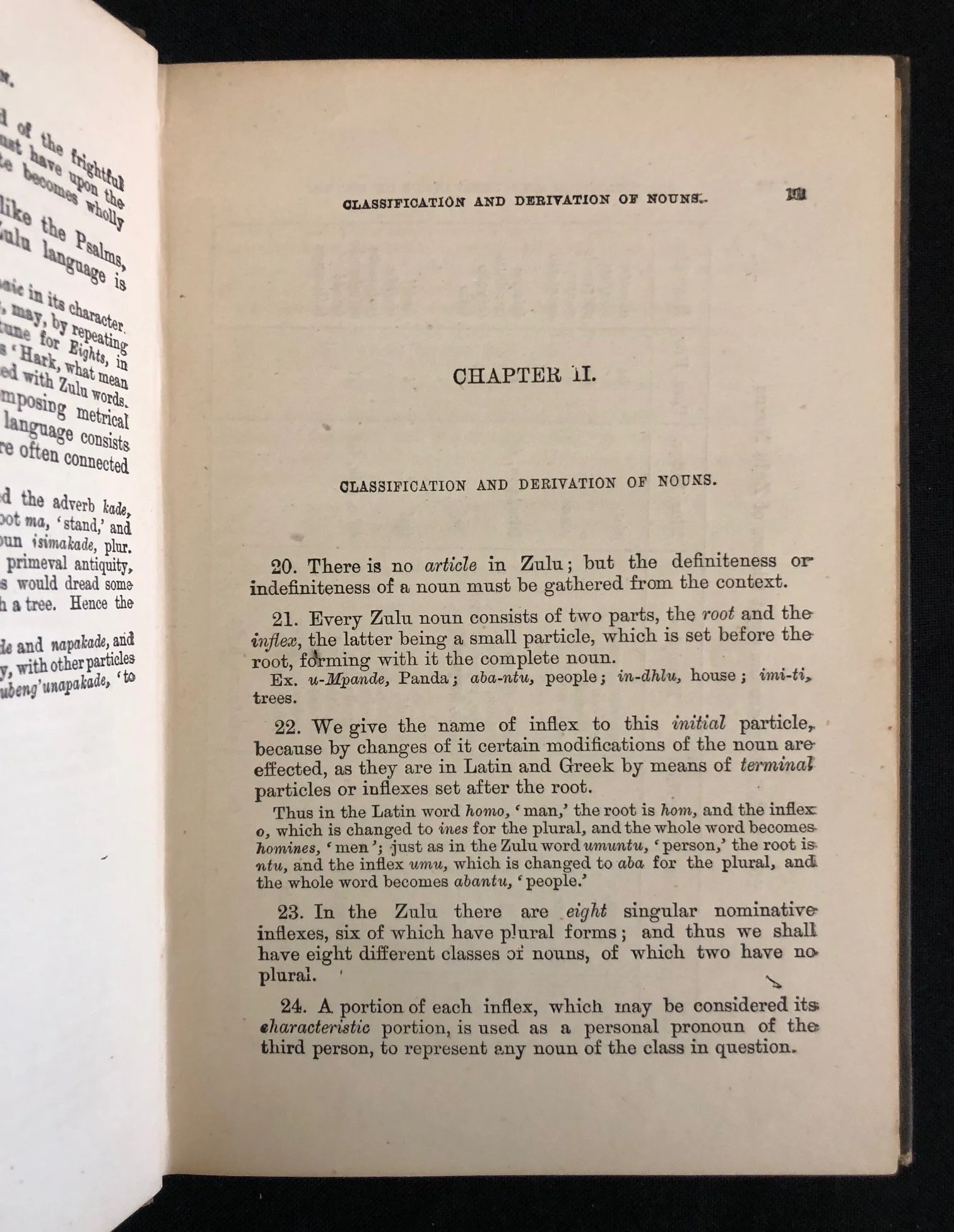
Before arriving in Natal in 1853, Colenso was a brilliant Cambridge mathematician whose algebra and arithmetic textbooks were standard across schools in Britain. He applied this precise, analytical mind to the complex grammatical structure of isiZulu. First Steps in Zulu broke down the language's intricate noun-class prefix system into an accessible framework, providing the primary linguistic blueprint used by missionaries, traders, and colonial officials for decades.
Language as a Weapon Against Imperialism
While many colonial authorities used linguistic training to better subjugate indigenous populations, Colenso used his mastery of isiZulu to champion the Zulu cause against British imperialism. Armed with a profound understanding of Zulu law and custom, he became a fierce, vocal opponent of the Anglo-Zulu War of 1879. He used his personal press to publish defenses of Hlubi chief Langalibalele and Zulu King Cetshwayo, severely embarrassing the British colonial administration under Sir Bartle Frere.
Indispensable Posthumous Legacy
This particular copy is the Fourth Edition, published in 1890 by P. Davis & Sons in Maritzburg and Durban. Because Colenso died in 1883, this edition highlights the enduring, indispensable nature of his scholarship. Even though the official church establishment had tried to strip him of his titles and erase his influence, the secular and educational world of Natal simply could not function without his definitive guide to the Zulu language.
125mm x 185mm
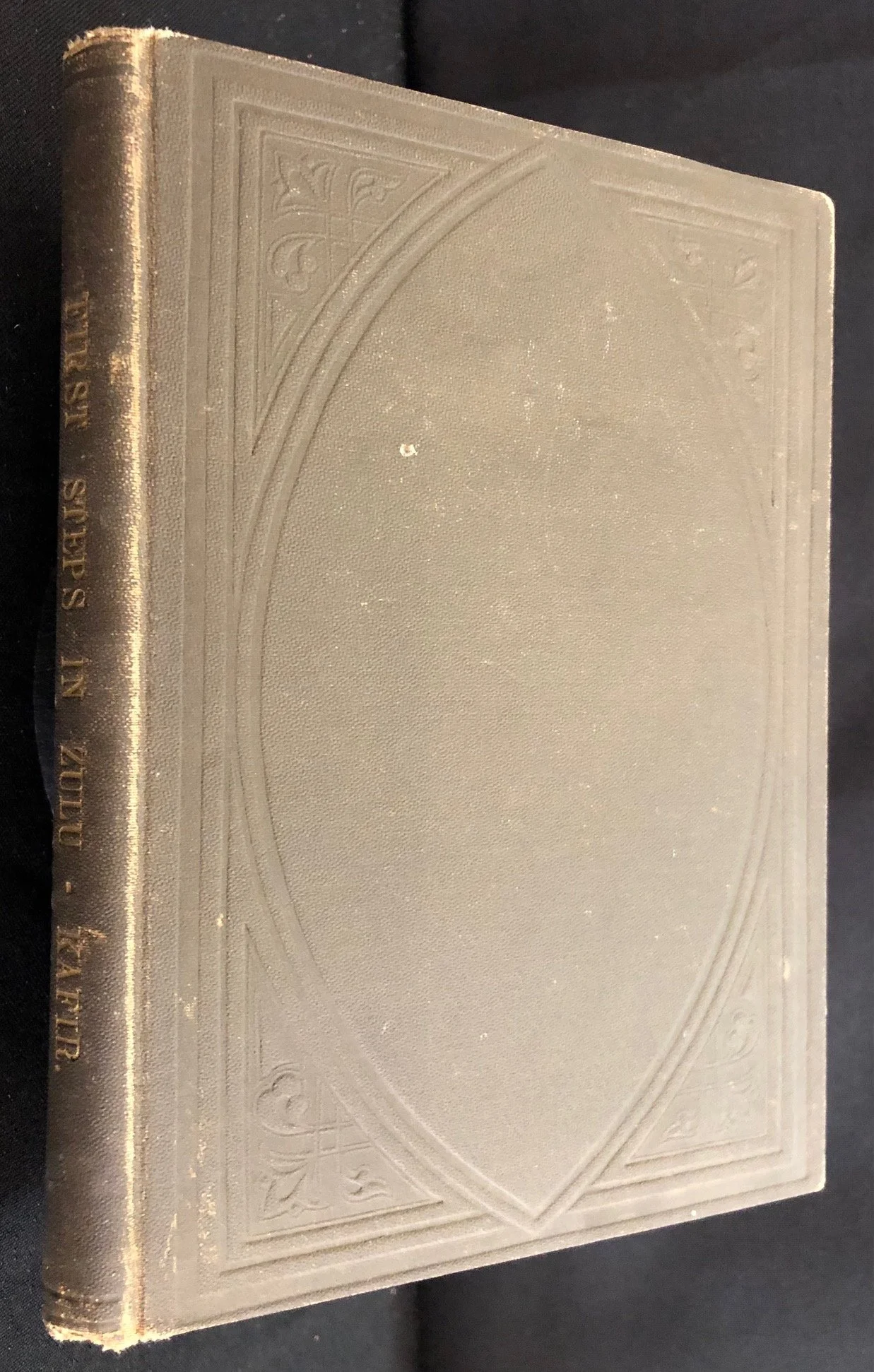
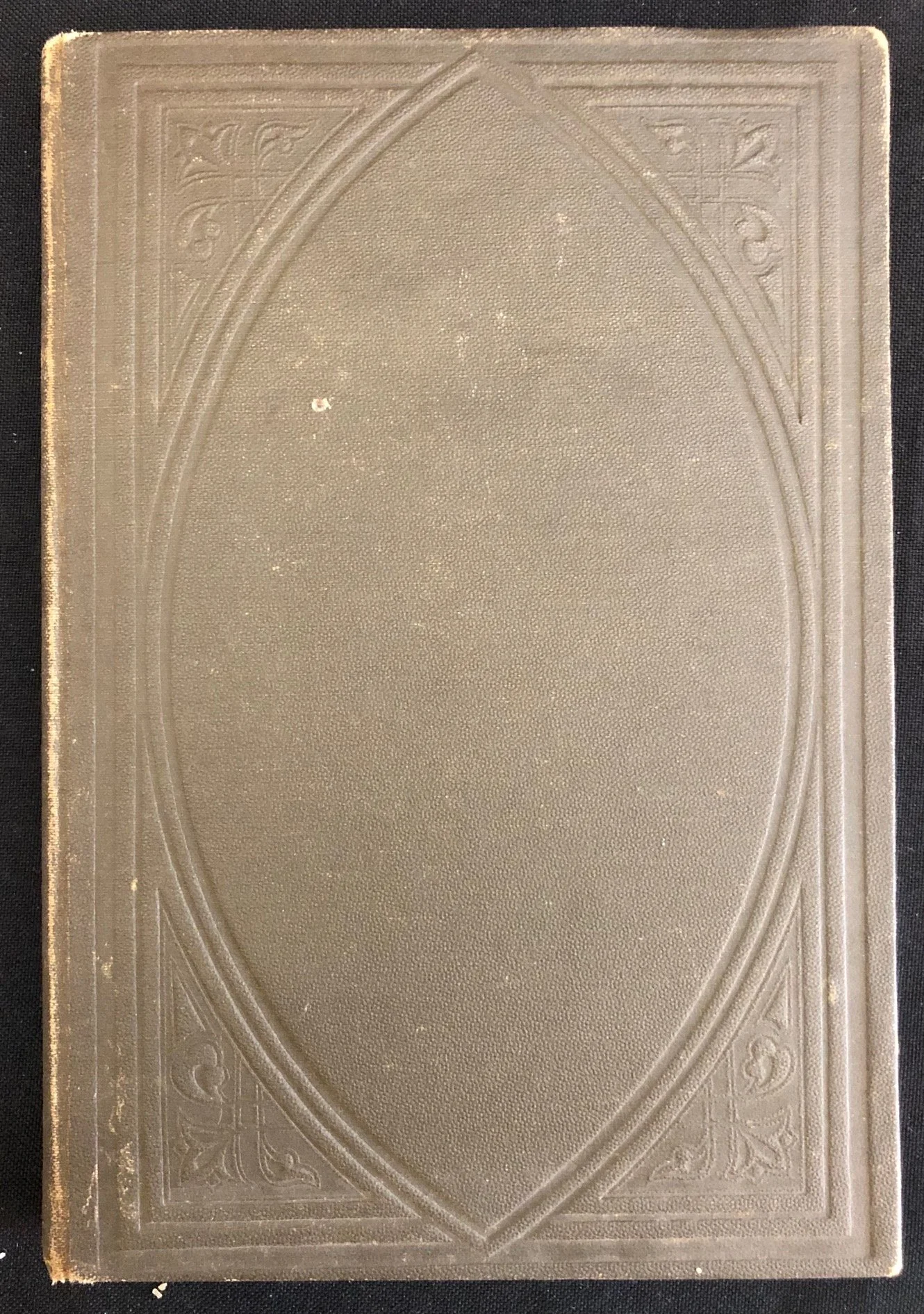
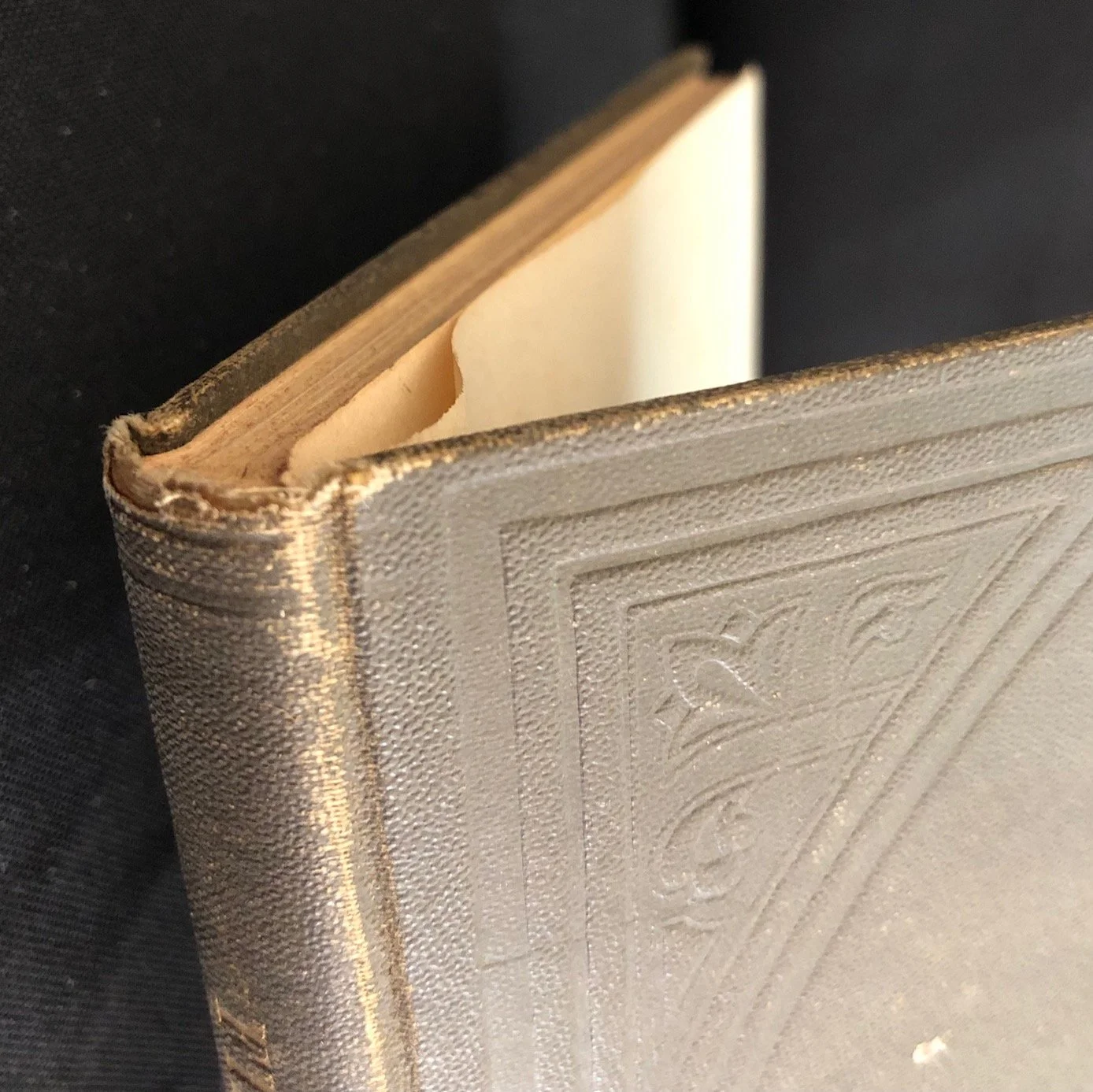
Worn; hinges loose; sellotape at the back; foxed.
R750