Cape Slave Mortgage Document 1831
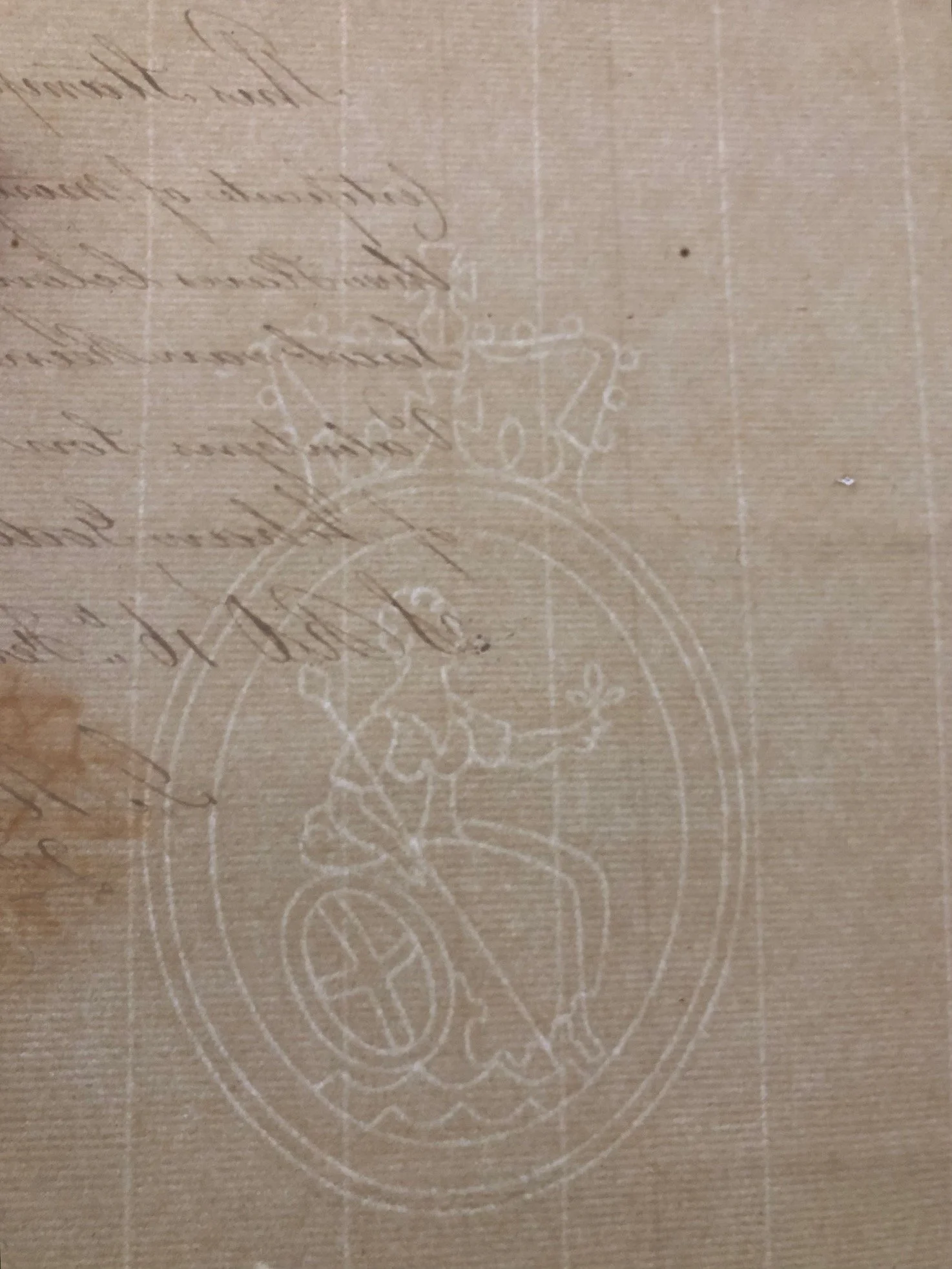
Four pages, but text and seal only on the front.
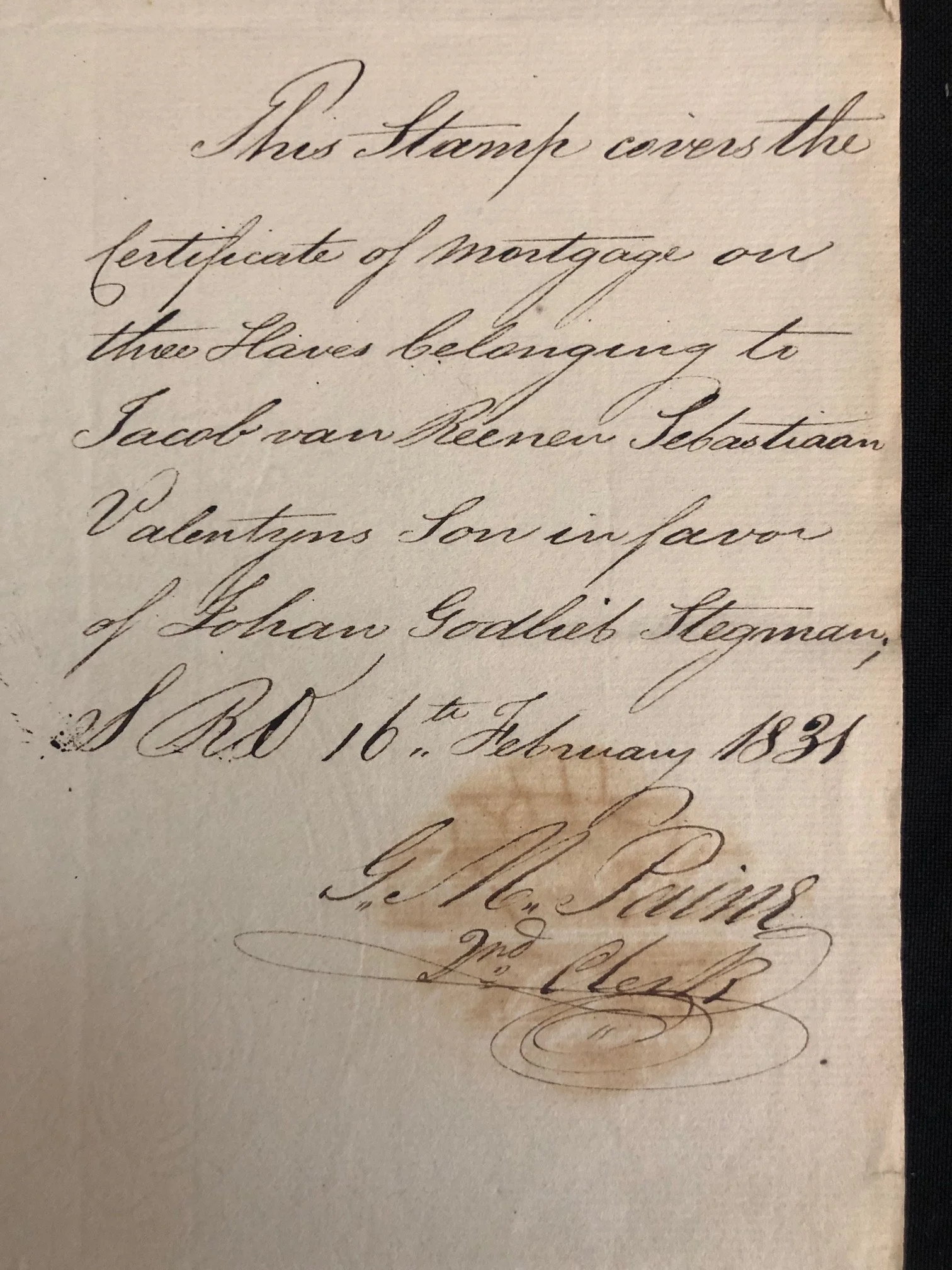
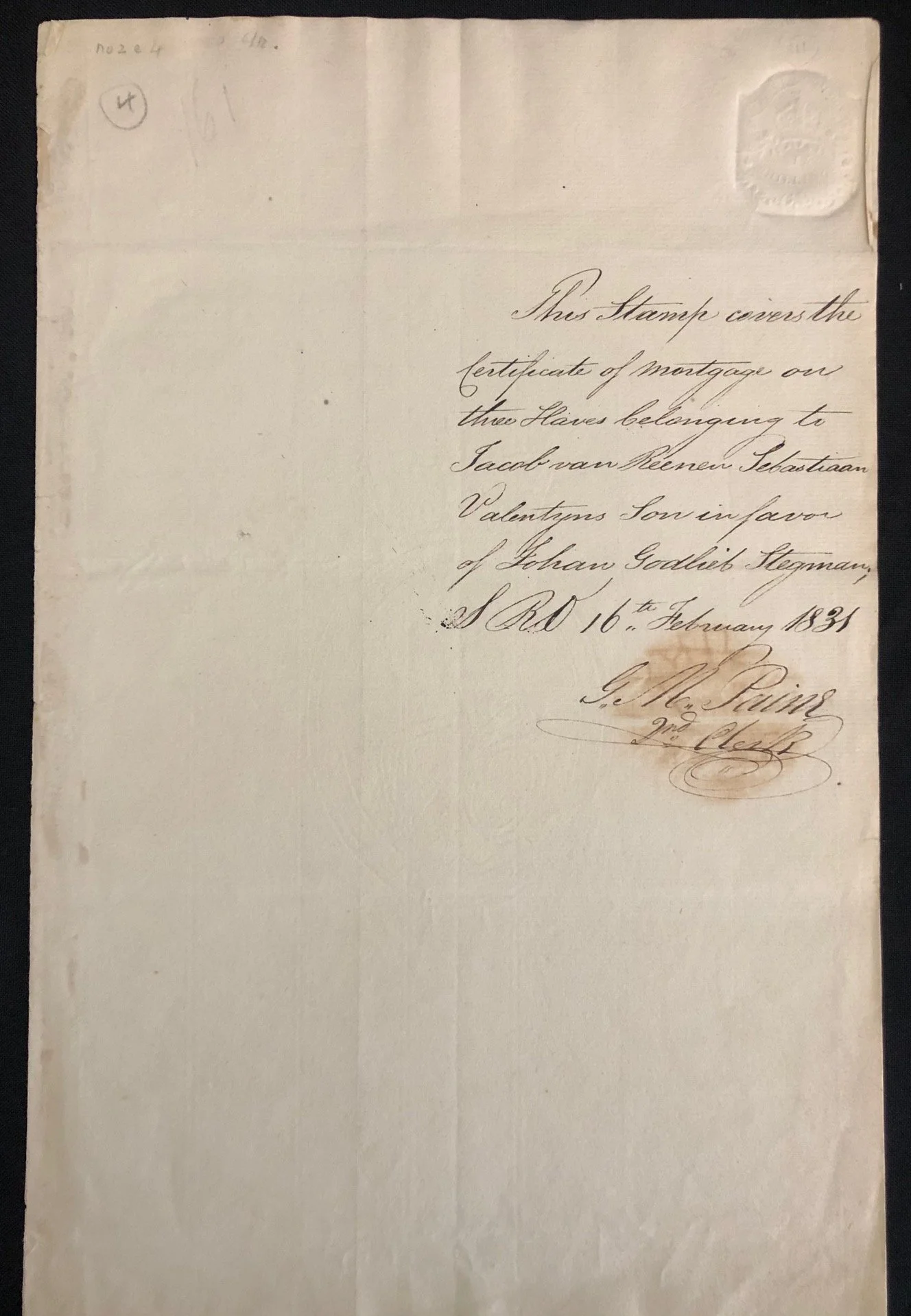
This is a poignant and historically significant document from a dark chapter of Cape history. It is a revenue stamp certificate dating to 16 February 1831, documenting a mortgage that used slaves as financial collateral just a few years before the formal abolition of slavery in the Cape Colony.
A System on the Brink
February 1831 places this document right at the twilight of Cape slavery. The British Empire passed the Slavery Abolition Act in 1833, which came into effect at the Cape on 1 December 1834.
This means that when Jacob van Reenen Sebastiaan Valentynson leveraged "three Slaves" for this mortgage, the legal framework allowing humans to be treated as chattel, appraised, and bonded to banks or private individuals was in its final 45 months of existence.
Human Beings as Financial Liquidity
While we often focus on the physical and moral horrors of slavery, documents like this highlight its cold, bureaucratic, and economic infrastructure. In the Cape Colony, enslaved people were not just labour; they were capital. Because of a chronic shortage of hard currency (rixdollars and British silver alike) and formal banking institutions during the early 19th century, enslaved individuals were frequently used as liquid collateral to secure private loans, marriages, portions, and mortgages.
The phrase "certificate of mortgage on three Slaves" underscores how deeply embedded the slave trade was in the financial health and credit systems of the Cape gentry.
The Cape Families Involved
The names on the document tie directly into prominent Cape colonial history:
The Debtor: Jacob van Reenen Sebastiaan Valentyns Son belongs to the sprawling and highly influential Van Reenen family. The Van Reenens were prominent Cape burghers, agriculturalists, and landowners who owned vast estates (including areas around Constantia, High Constantia, and the interior) and held massive stakes in the colony's wine, meat, and farming monopolies. The patronymic "Valentyns Son" helps pinpoint this specific branch of the family tree.
The Creditor: Johan Godlieb Stegman (Stegmann) represents another established Cape family of German immigrant descent, heavily involved in the commercial, religious, and civic life of Cape Town during the 18th and 19th centuries.
The Imperial Bureaucracy (The Stamp and Signatory)
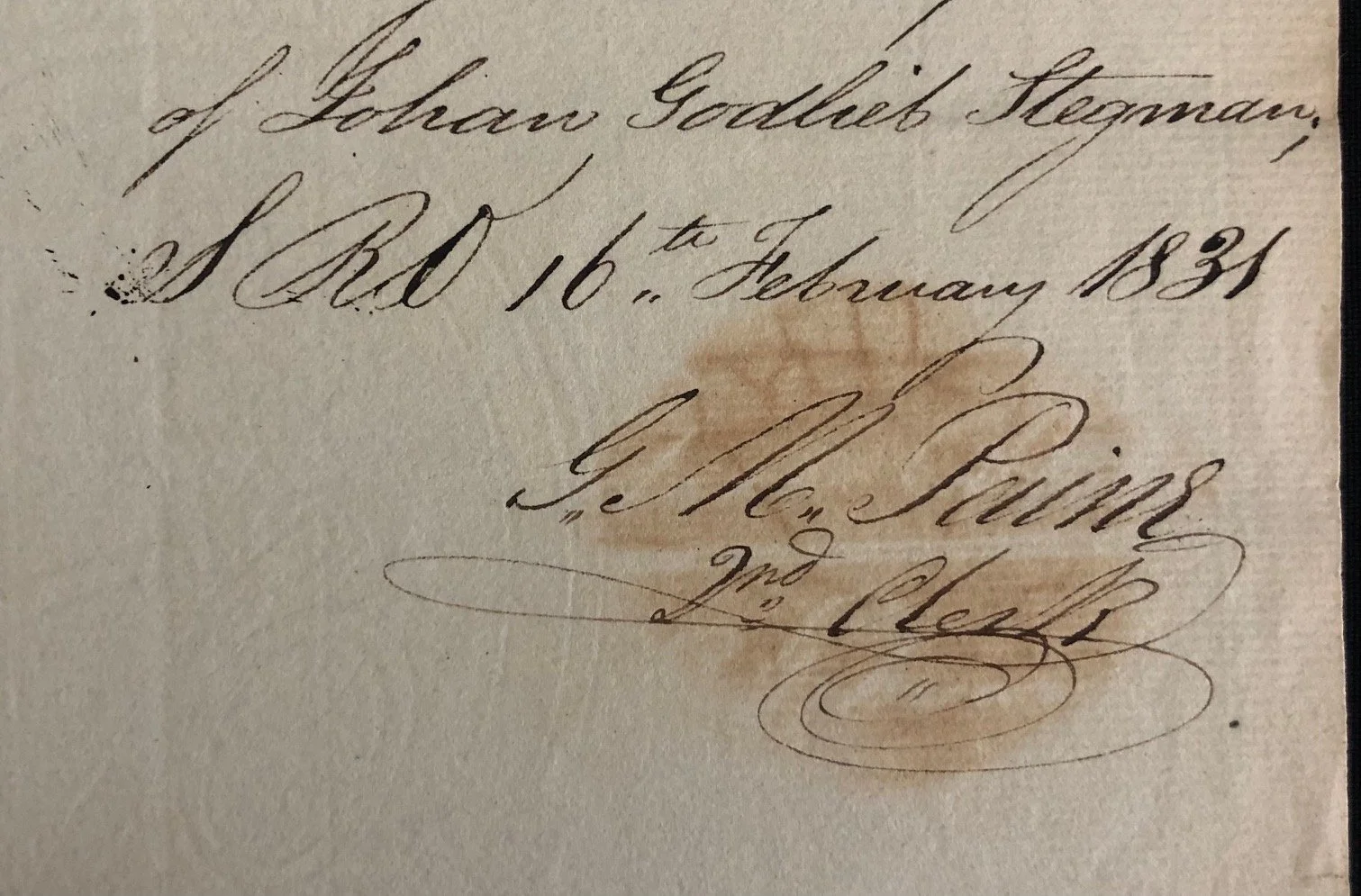
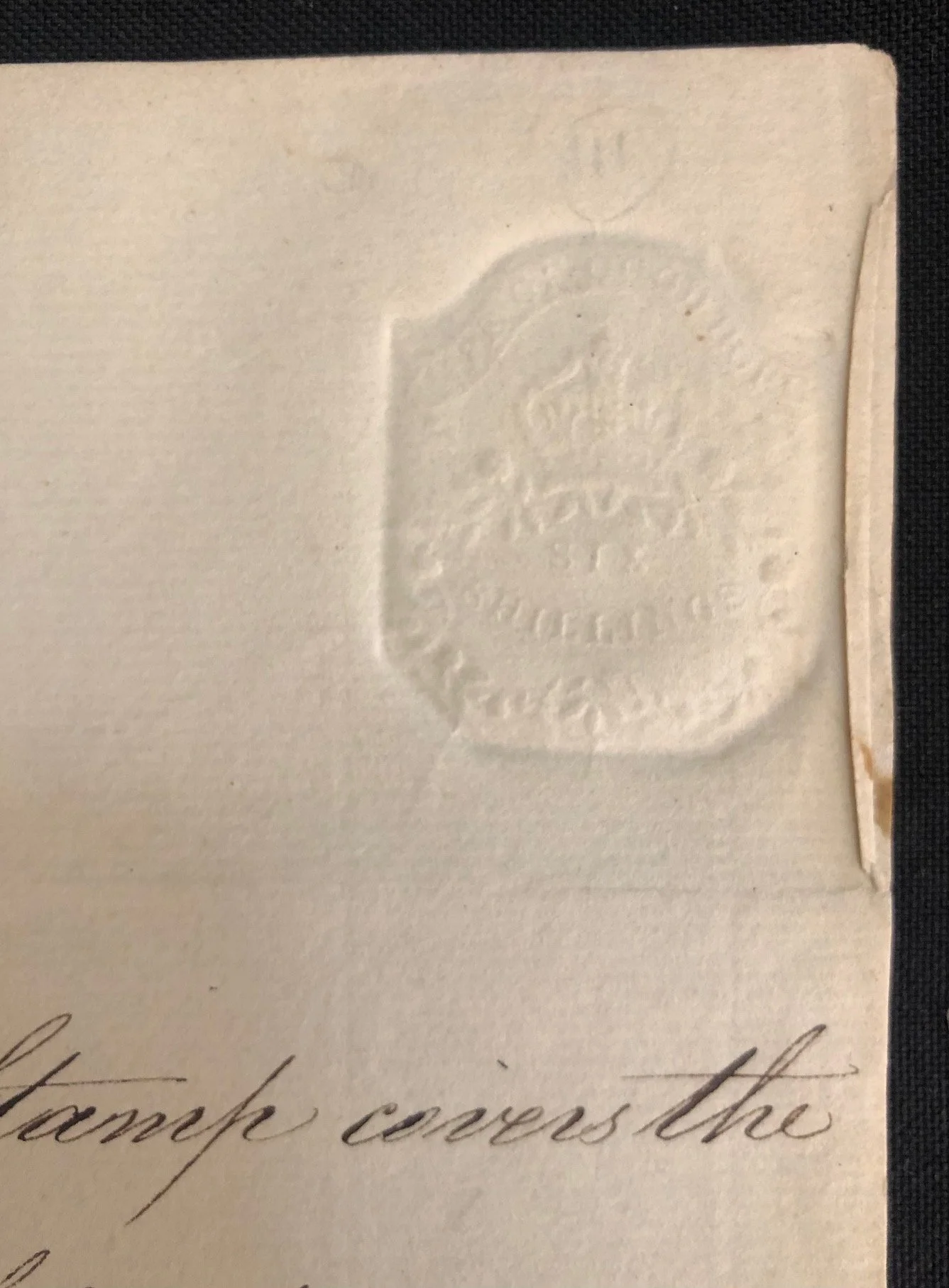
The British colonial administration used embossed revenue stamps (S R D likely referencing Stamp Duties or the Registrar's Office) to legitimize legal transactions and collect revenue for the Crown.
The document is signed by G. M. Paine, 2nd Clerk. In the tight-knit bureaucratic world of early 1830s Cape Town, colonial clerks like Paine handled the daily, monotonous paperwork of empire, registering everything from land grants to the mortgaging of human lives in the exact same flowing, copperplate script.
Some creasing; stained (see photos)
205mm x 325mm
R7,500