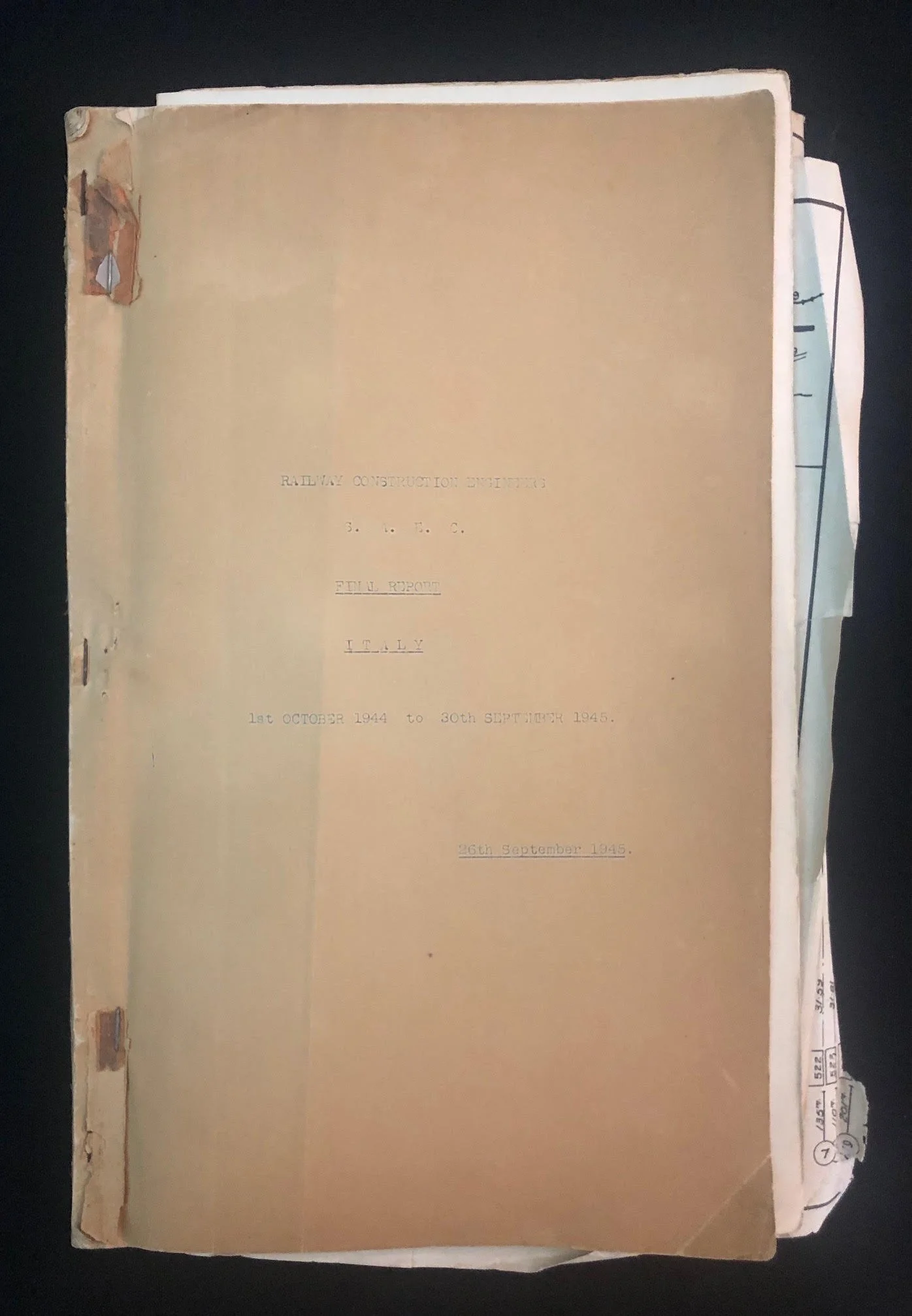
Railway Construction Engineers, S.A.E.C. – Final Report: Italy. 1944-5
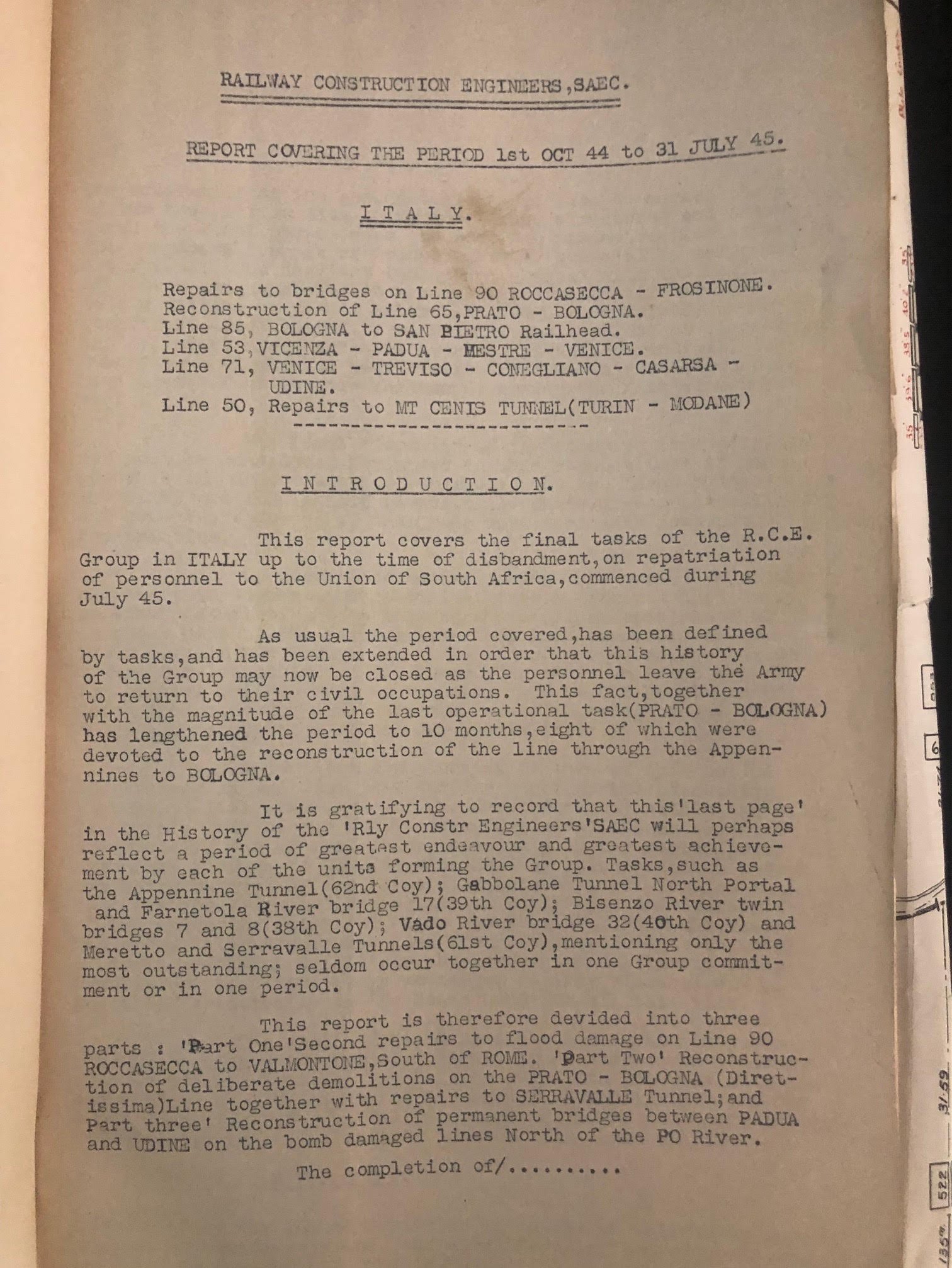
This document is a primary historical report titled "Railway Construction Engineers, S.A.E.C. – Final Report: Italy", covering the period from 1st October 1944 to 30th September 1945 (dated September 26, 1945). It documents the critical engineering efforts of the South African Engineer Corps (SAEC) during the Italian Campaign of World War II, specifically operating alongside British Transportation and Allied forces supporting the 6th South African Armoured Division.
Key Historical Highlights of the Document
1. Rebuilding the Appenine Railway Line (Direttissima)
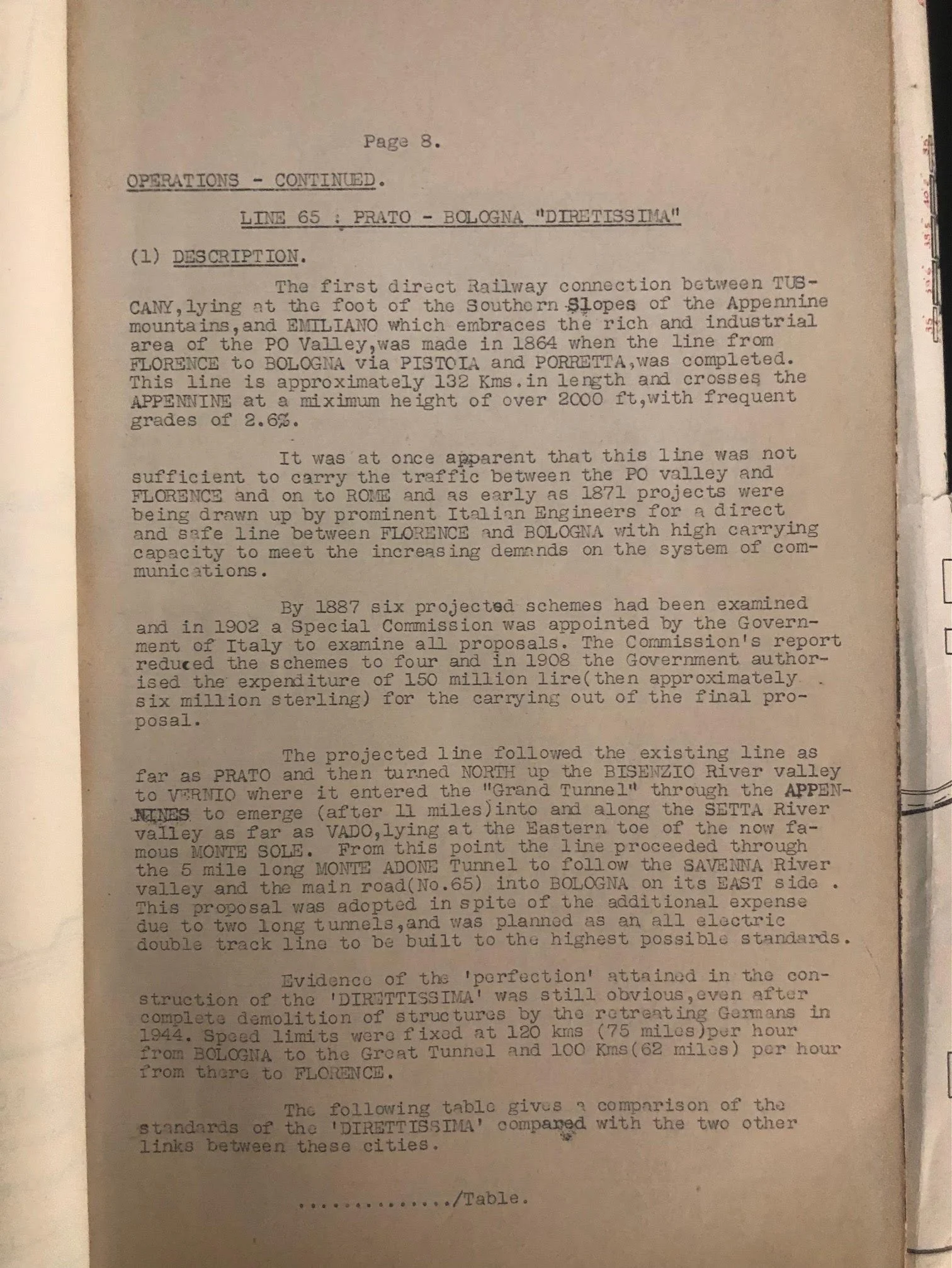
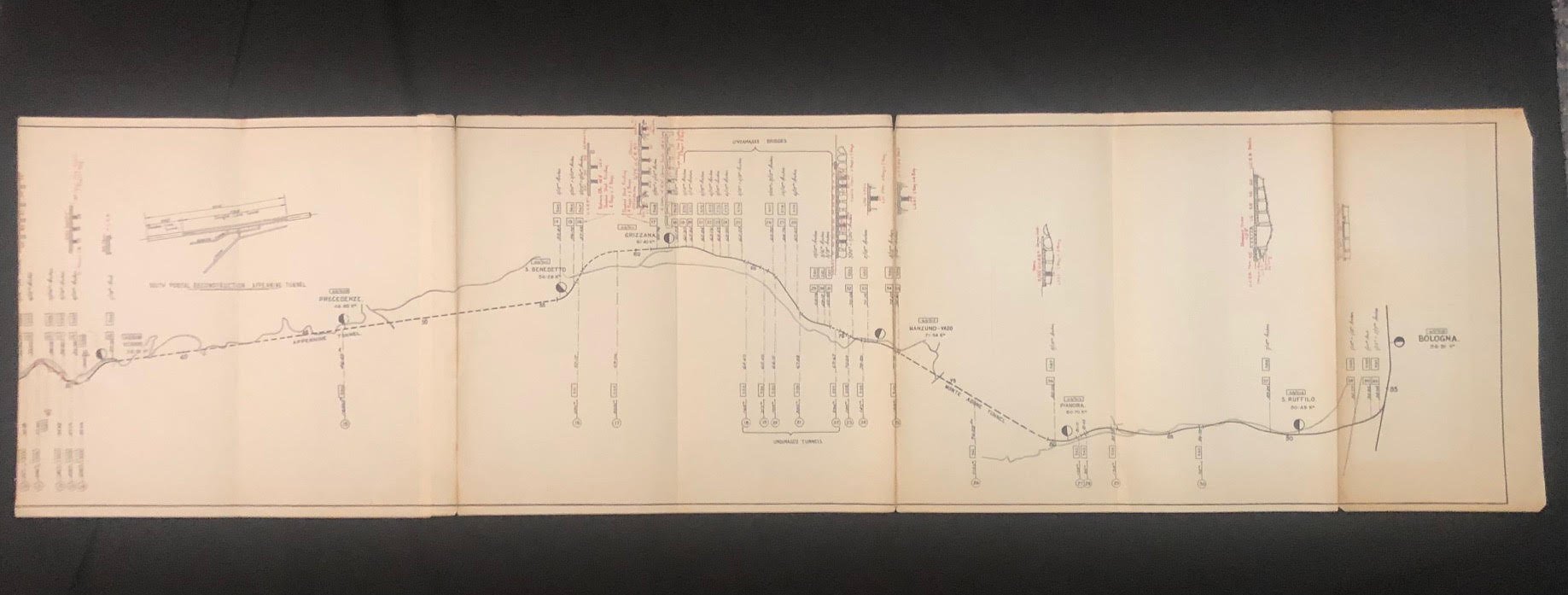
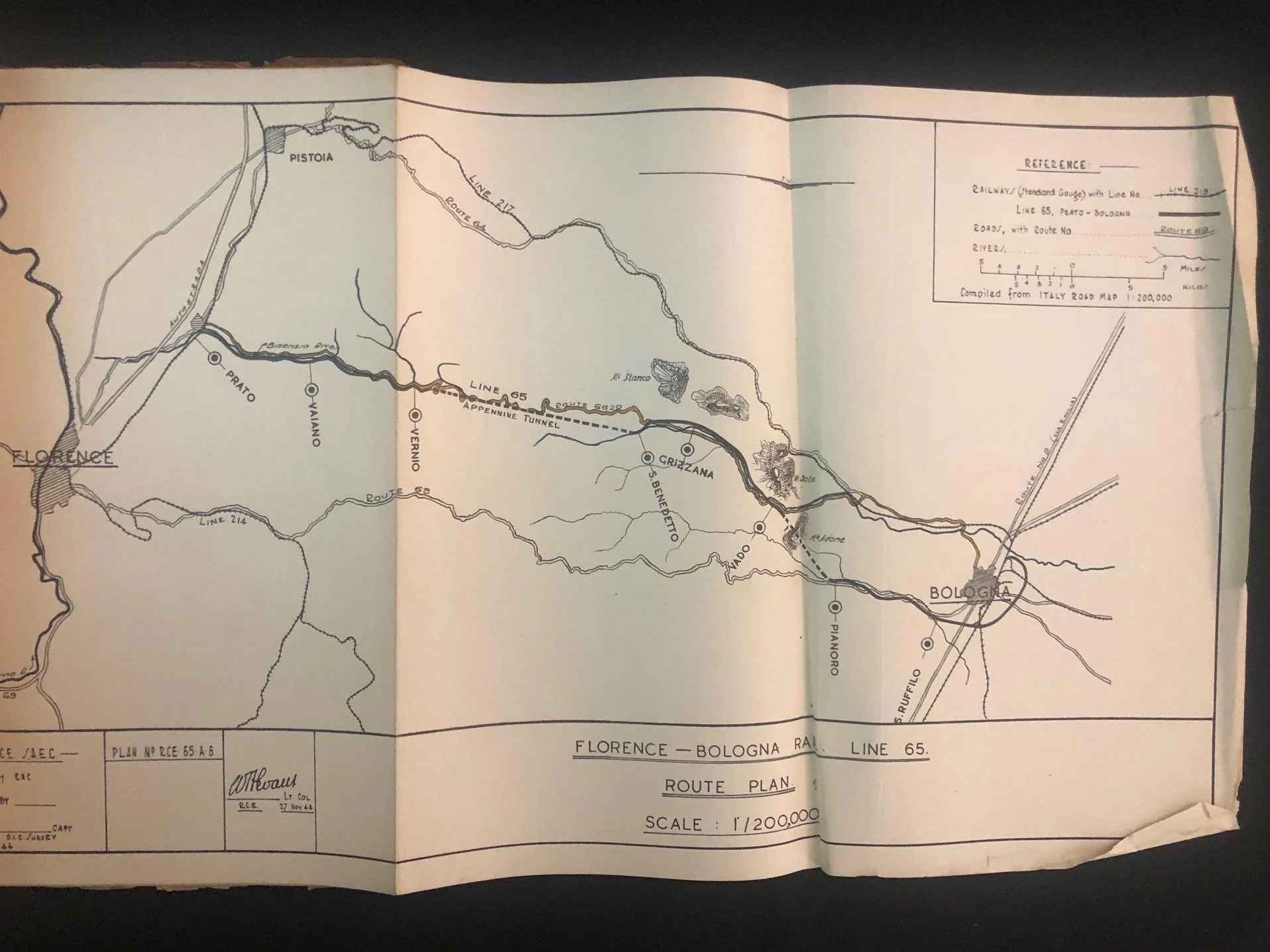
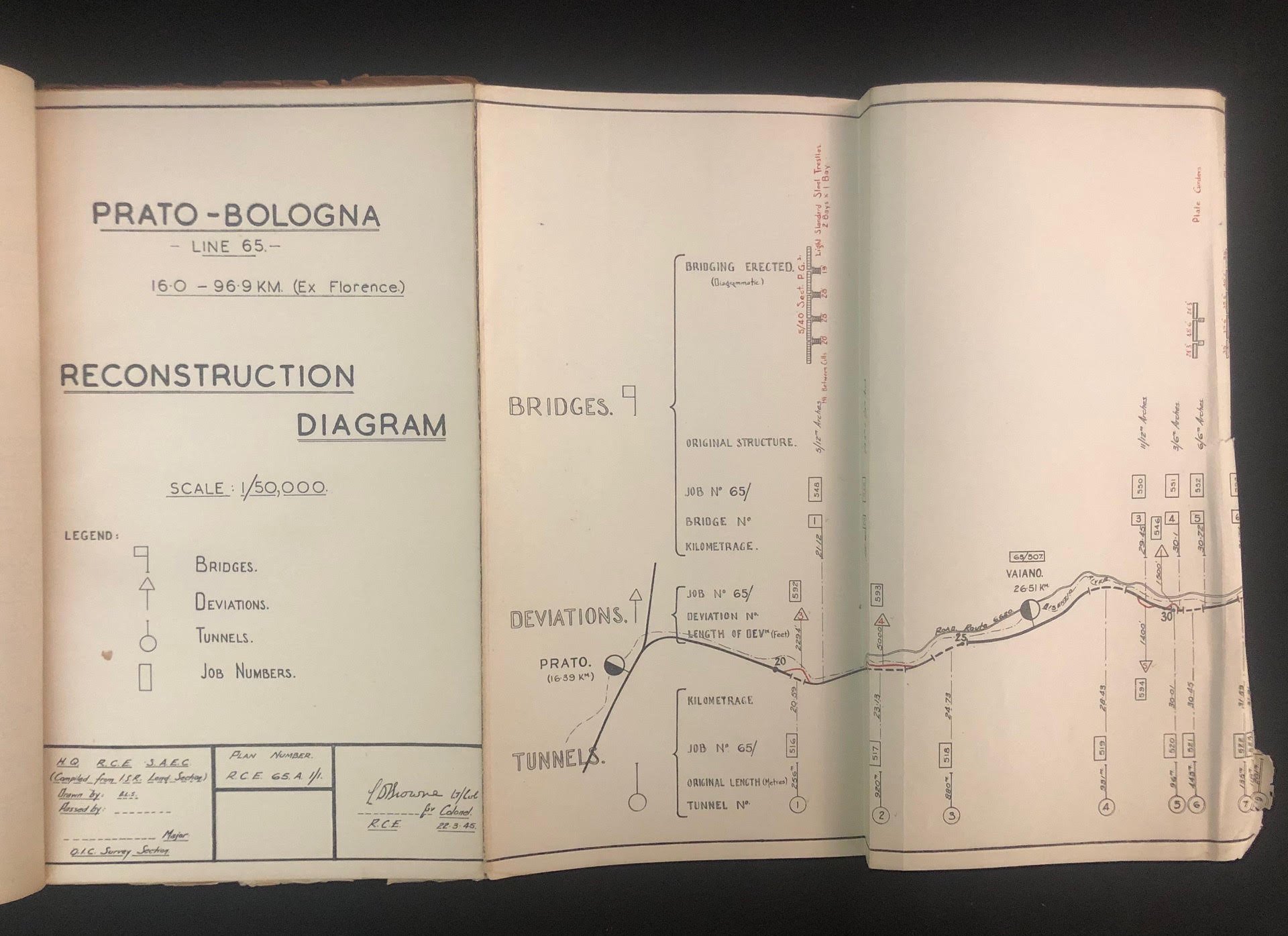
The primary focus of the report details the reconstruction of Line 65 (Prato – Bologna), known as the Direttissima. This railway line was a vital supply artery running through the rugged Appenine Mountains, heavily damaged by scorched-earth tactics during the German retreat.
The South African engineers undertook massive engineering feats under extreme wartime conditions:
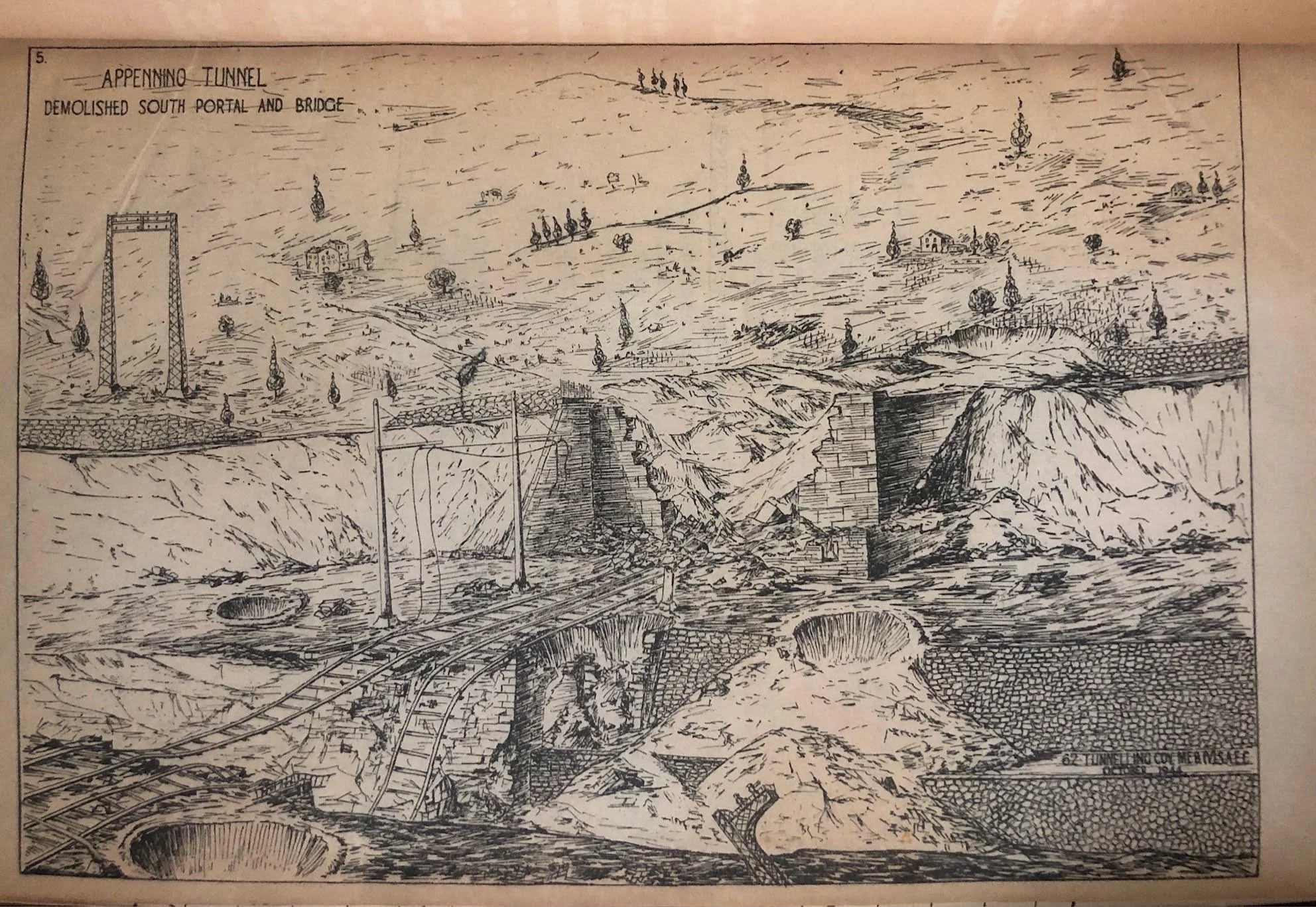
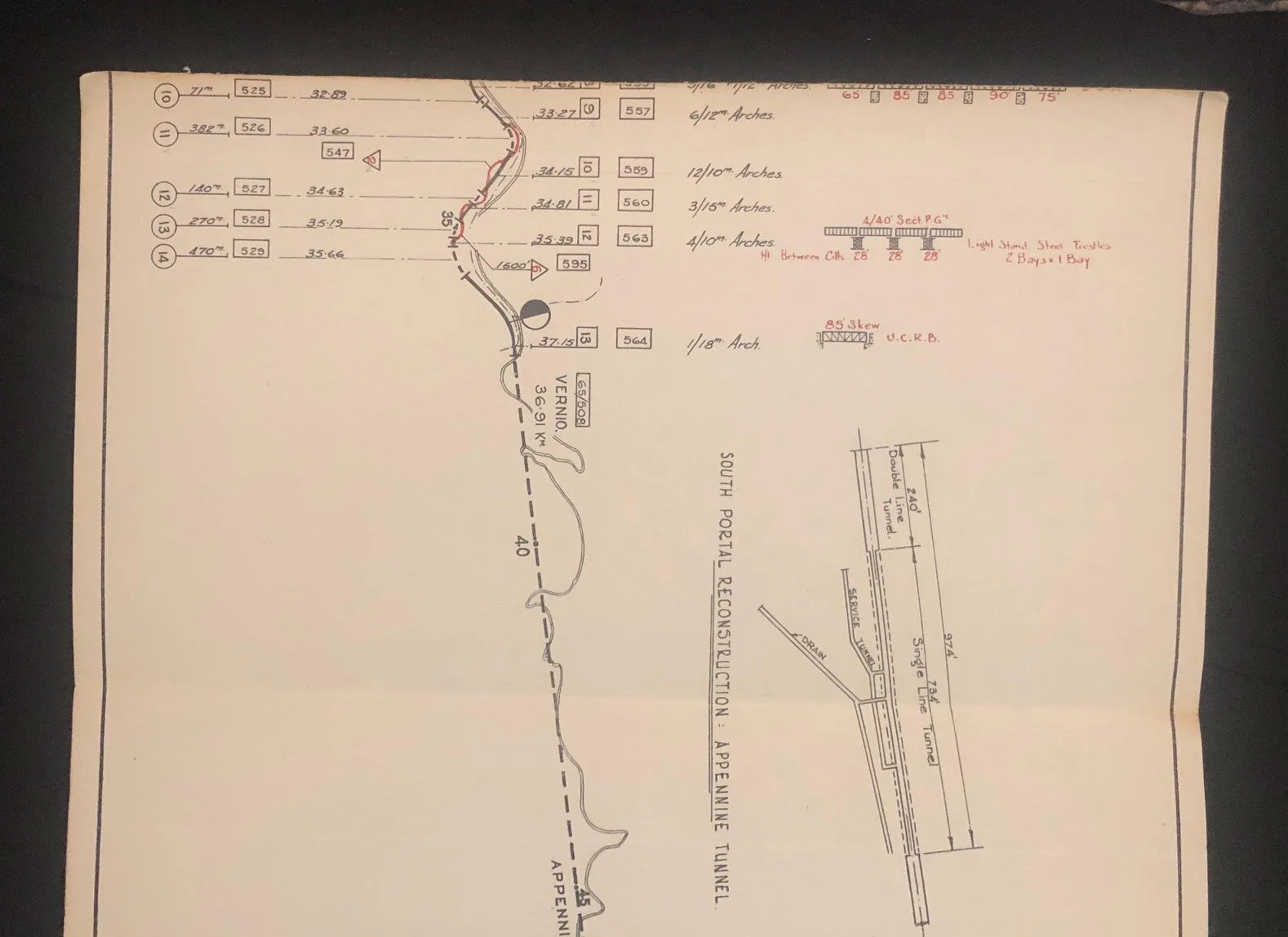
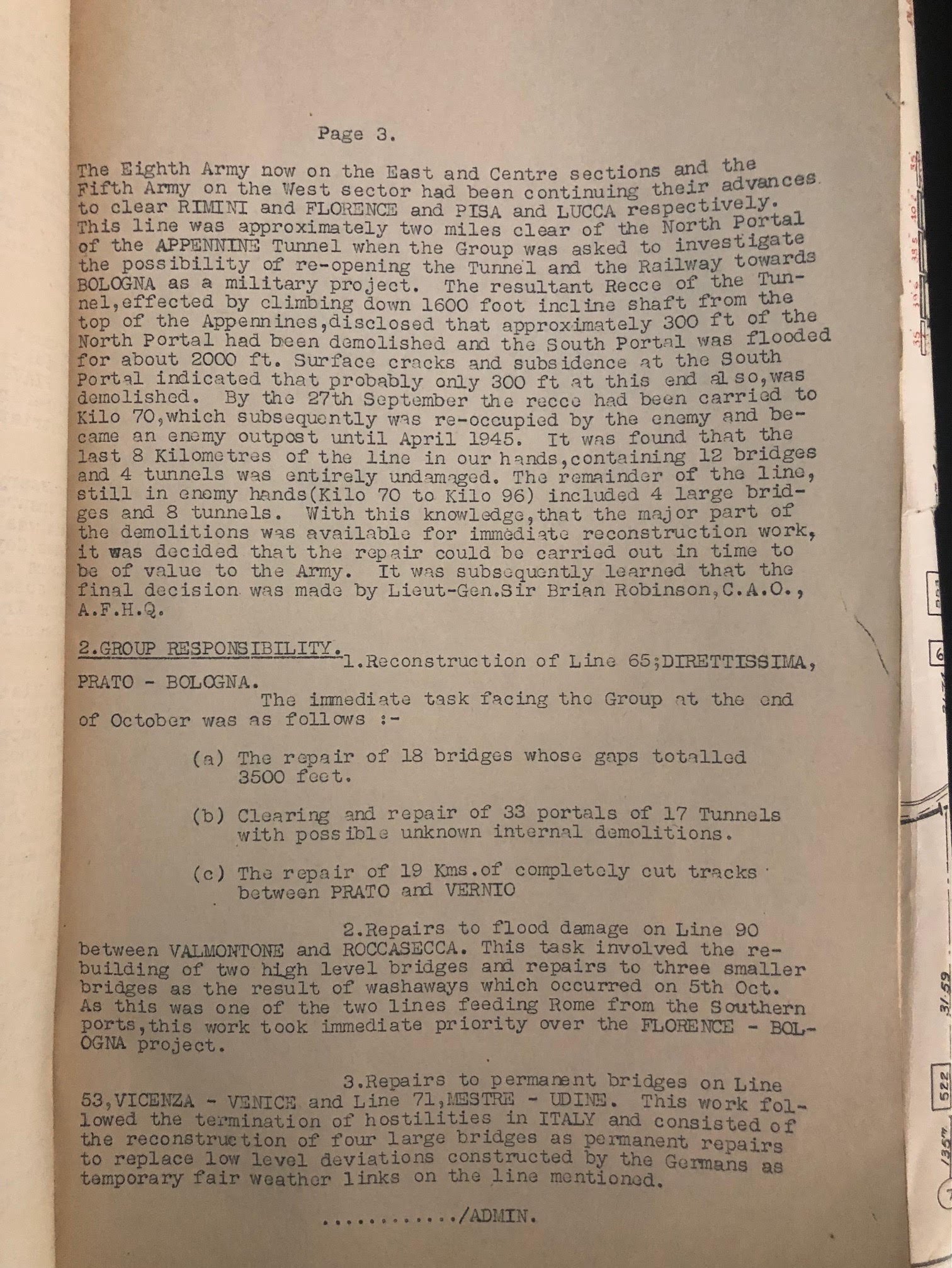
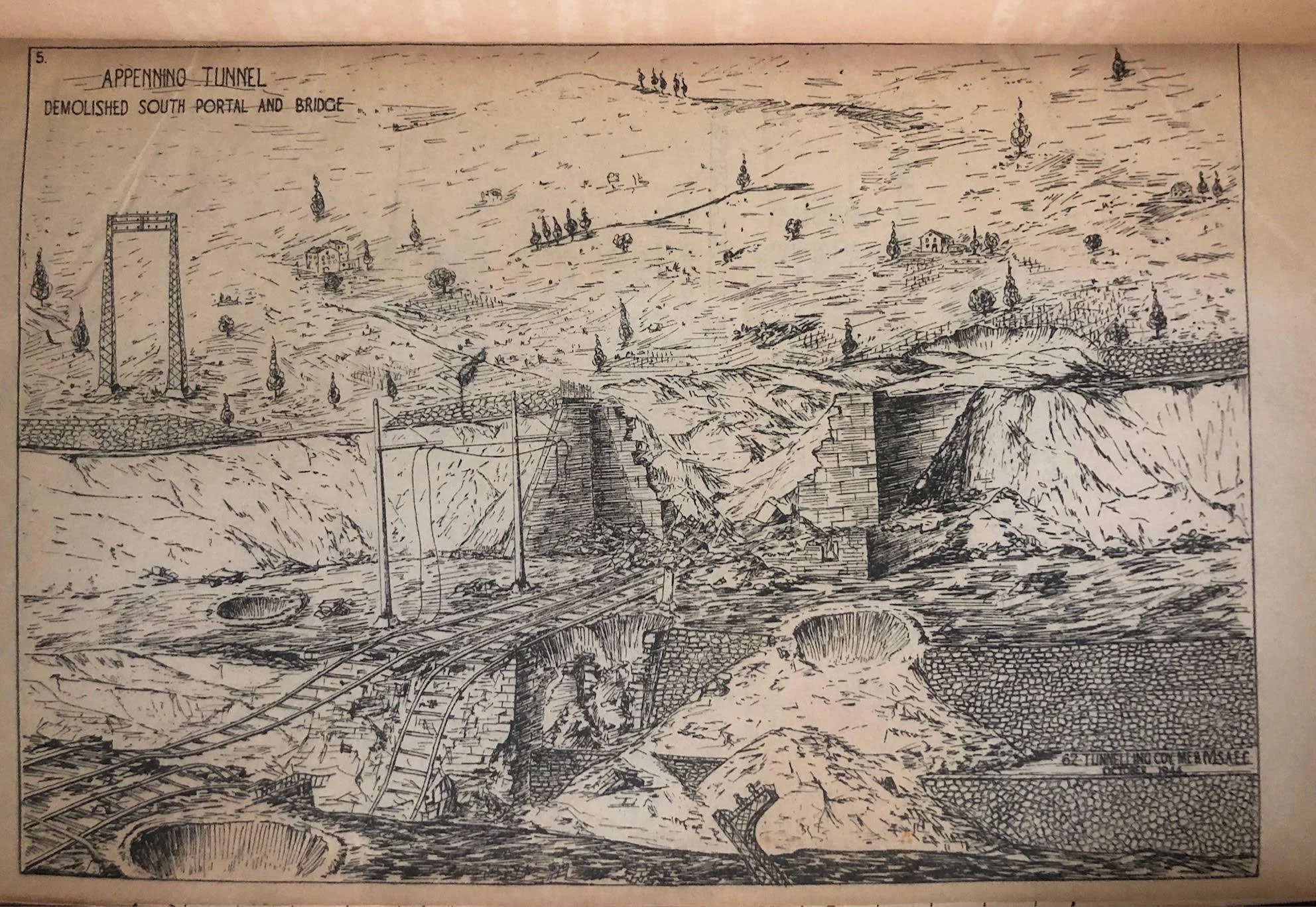
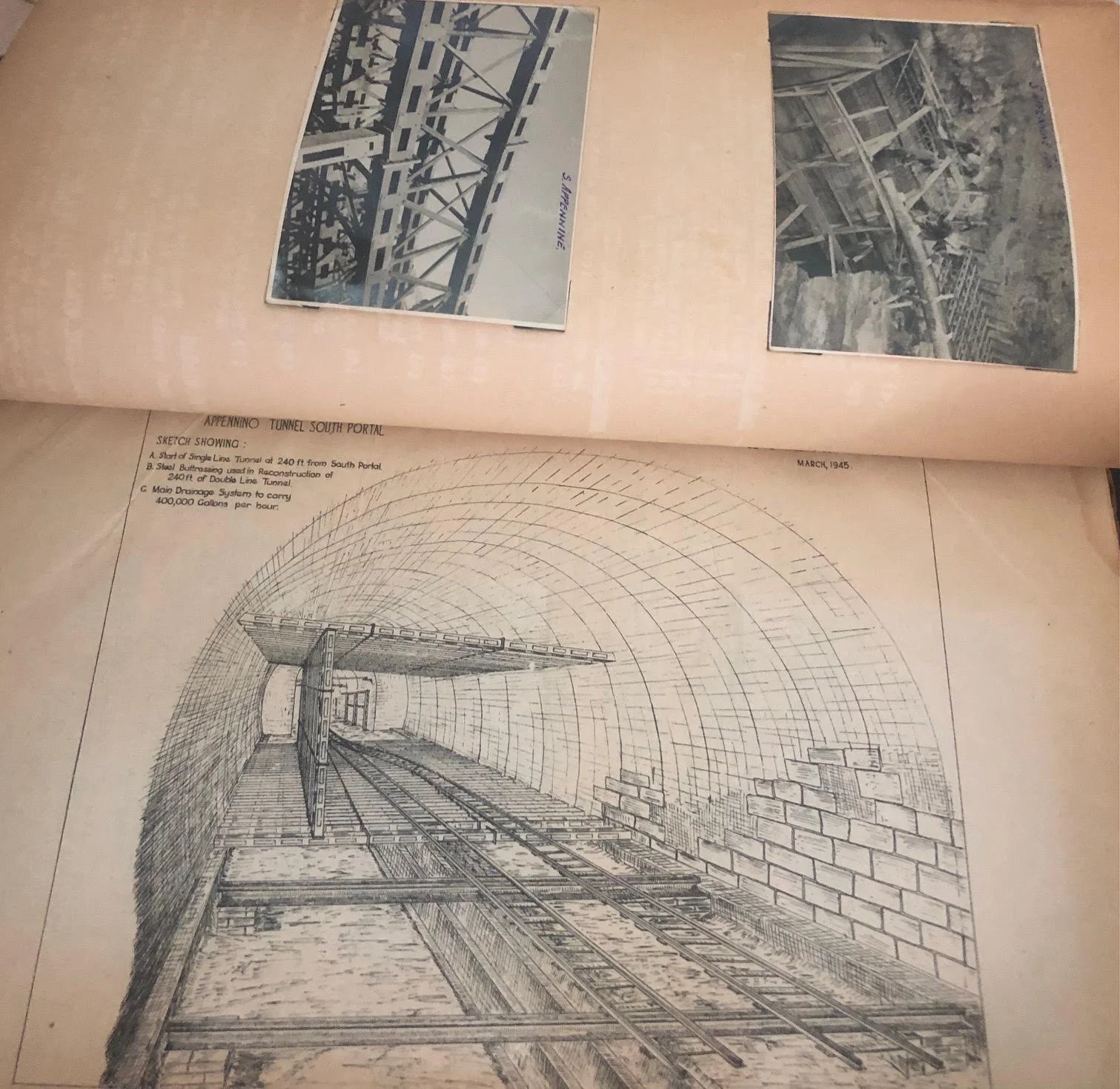
The Appenine Tunnel Investigation: Engineers conducted reconnaissance by descending a 1,600-foot incline shaft from the top of the mountains into the tunnel to inspect massive demolitions and flooding. They discovered around 300 feet of demolition at the North Portal and severe flooding at the South Portal.
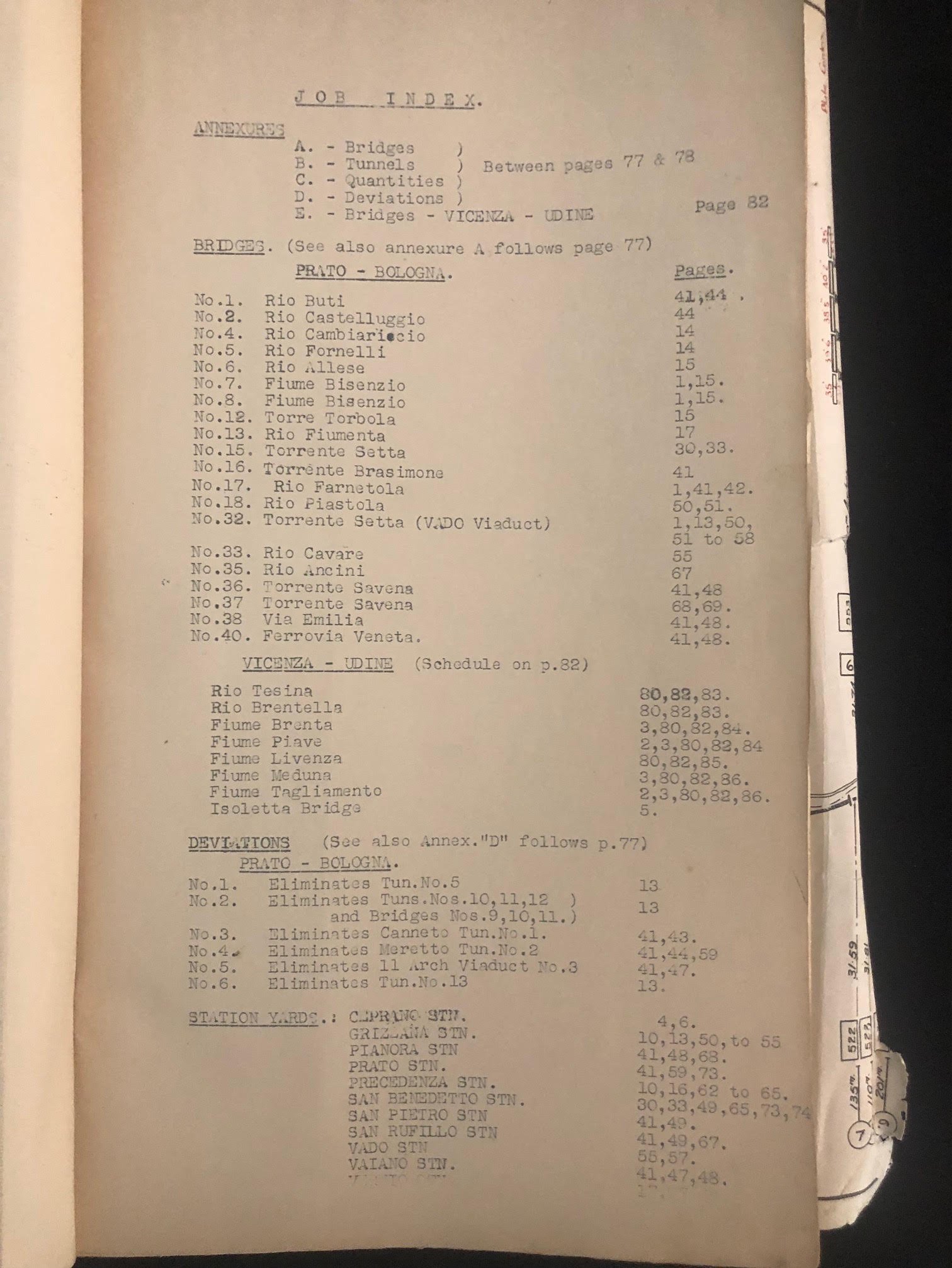
Massive Earthworks & Bridge Repairs: Over half a million cubic yards of earthworks were cleared and rebuilt, alongside repairing 18 major bridges (including twin bridges over the Bisenzo River and the Vado River Viaduct) and restoring multiple damaged tunnels.
2. Operation in "No Man's Land"
During the winter of 1944–1945, combat troops held an unbroken defensive line across the Appenines north of Monte Sole. The SAEC units conducted high-risk reconstruction work in what was effectively No Man's Land, operating directly behind or alongside forward combat units to ensure supply lines were ready the moment Allied forces broke through into Bologna.
3. Visit by Field Marshal Jan Smuts
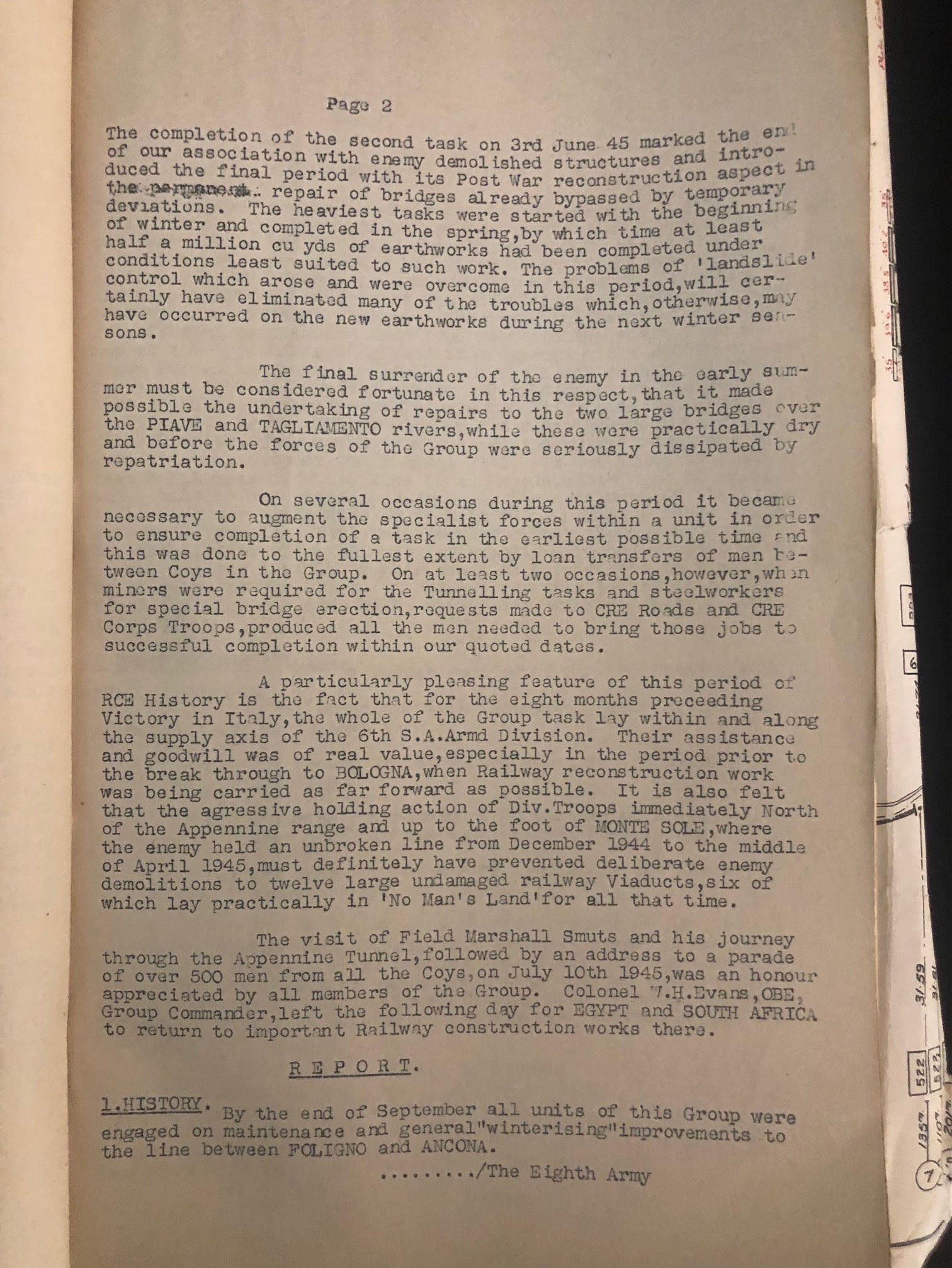
Page 2 of the report records a notable historical visit on July 10, 1945, by South African Prime Minister Field Marshal Jan Smuts. Smuts traveled through the Appenine Tunnel to address a parade of over 500 South African engineers, commending their accomplishments before their eventual repatriation.
4. The Roll of Honour & Dissolution
The final pages record the Roll of Honour for fallen members of the 38th, 39th, and 40th Railway Construction Companies, as well as the 61st and 62nd Tunnelling Companies SAEC, who lost their lives between May 1944 and May 1945. Signed by the Commanding Officer (Lieutenant-Colonel F. D. Browne for Colonel W. H. Evans), the document concludes with an poignant quote honoring the fallen: "To-morrow grew / From this TO-DAY and these Heroic Few".
205mm x 333mm x 20mm
Binding loose; dog-eared at the edges; some plans detached and incorrectly folded; main foldout missing final panel; minor foxing; some thumbing marks throughout; in need of repairs.
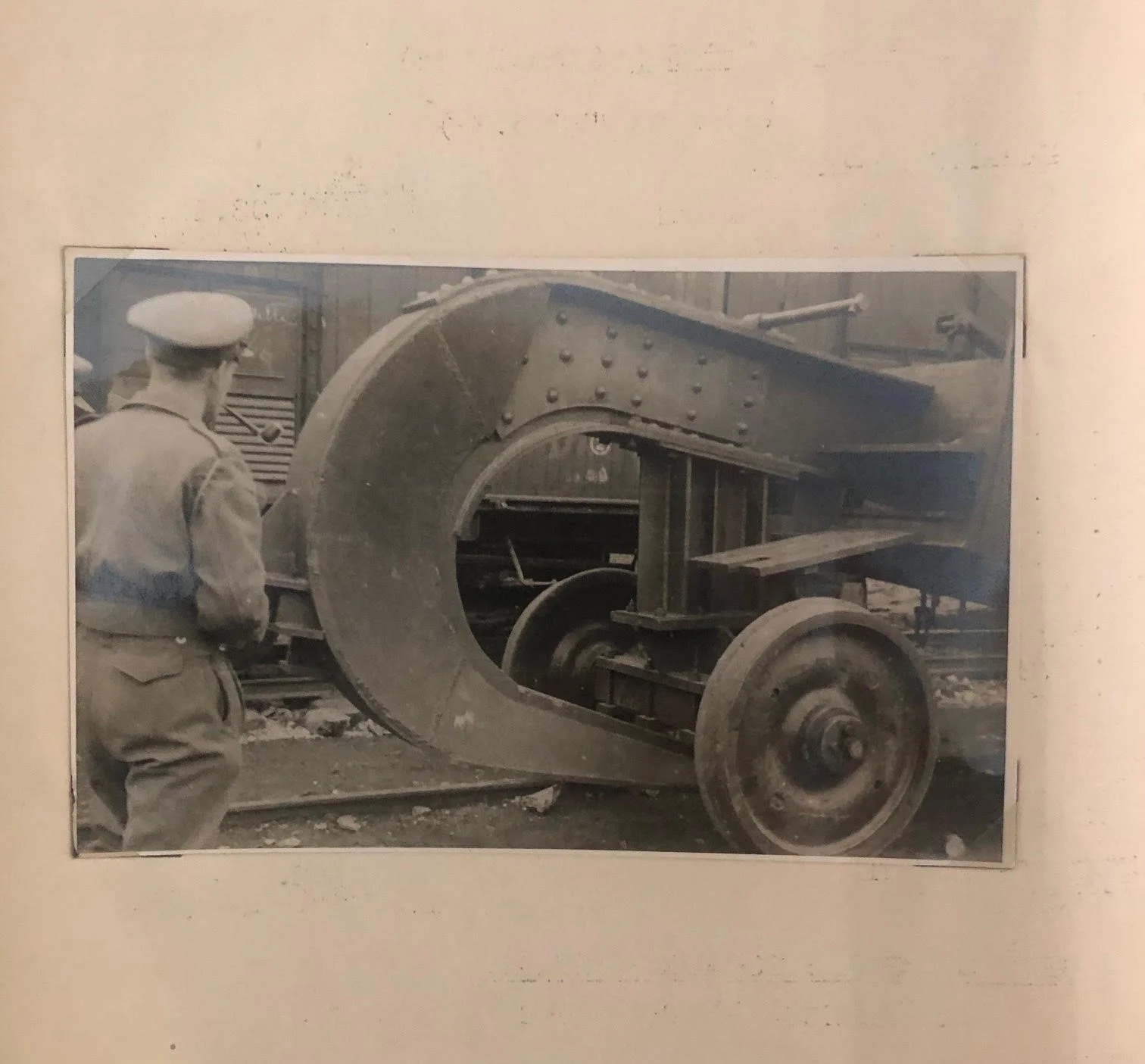
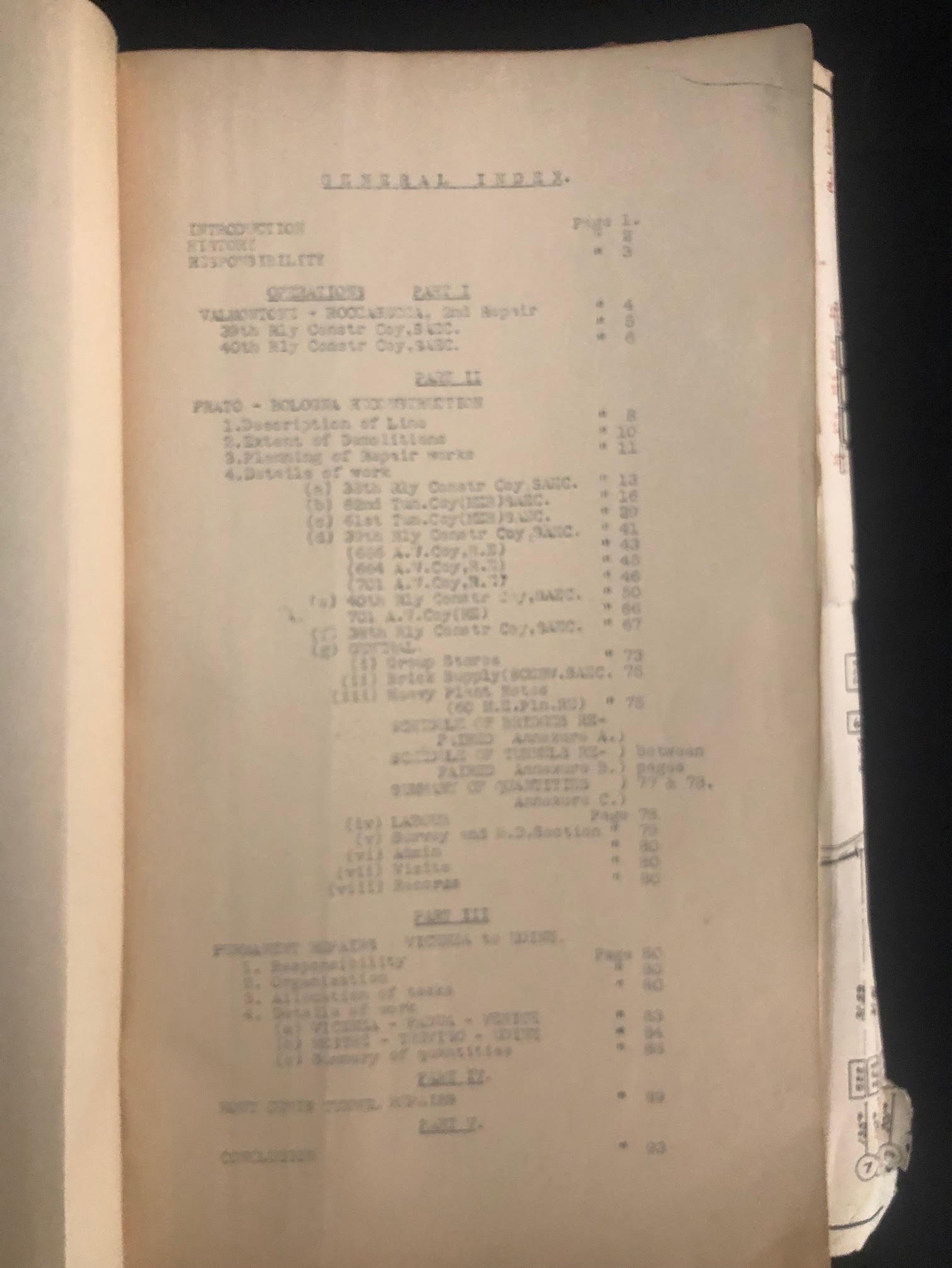
98 pages; 4 fold out plans; 13 original photographs laid down; 8 printed line drawing schematics of the tunnel. Being a manuscript, I’m not able to tell if this is complete or not, therefore sold as is.
Longest fold out plan: 1260 x 335
R7,500