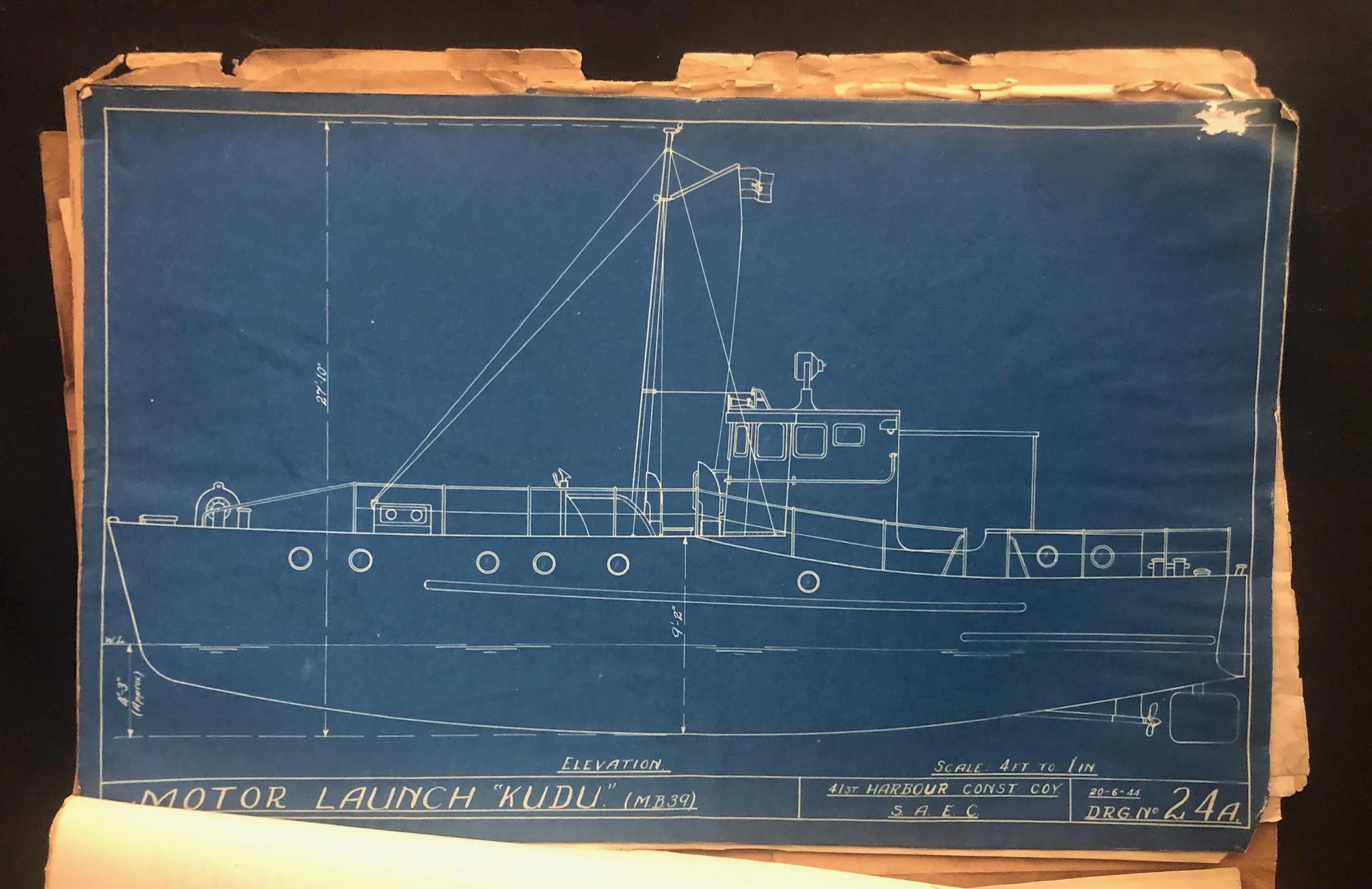
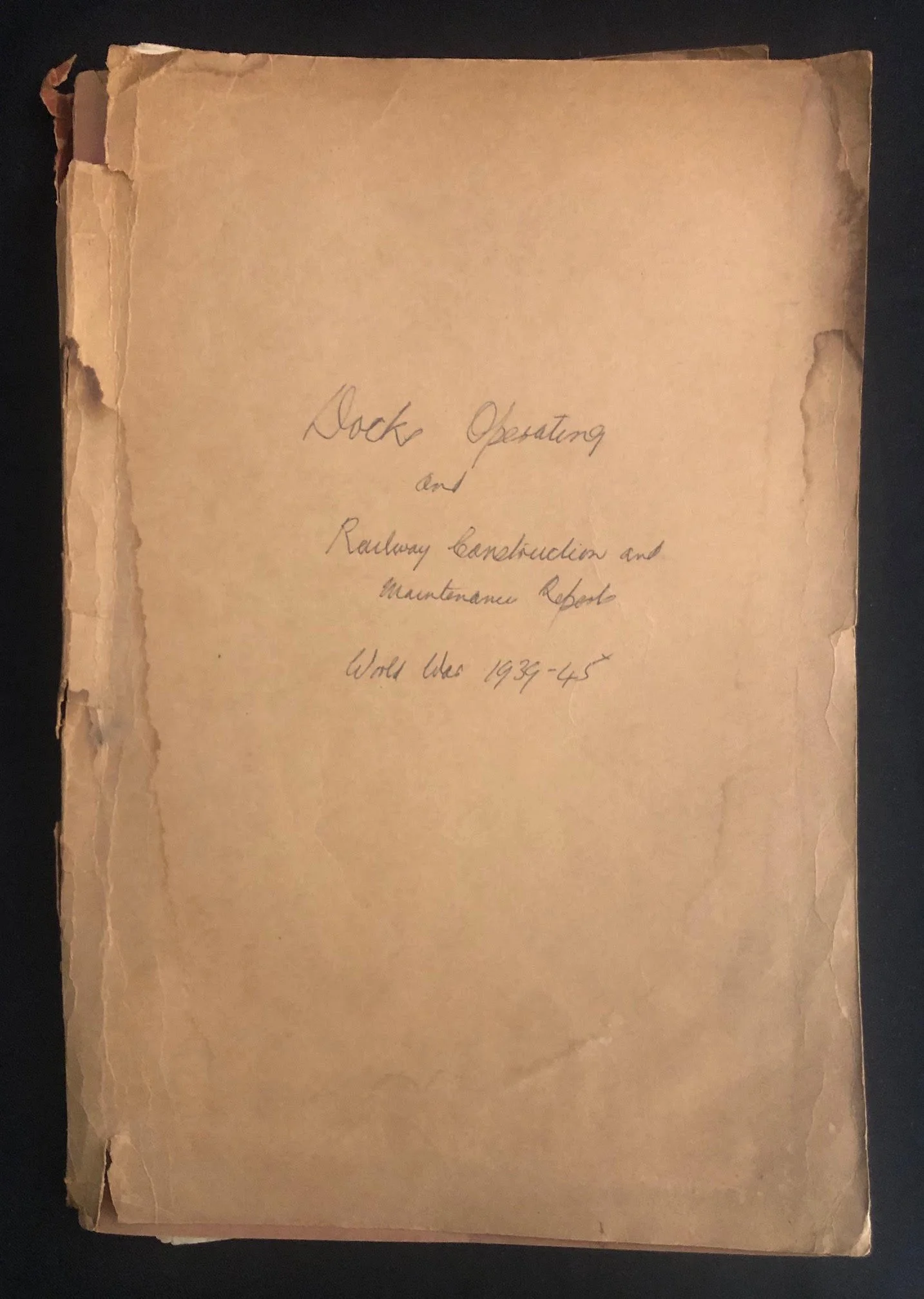
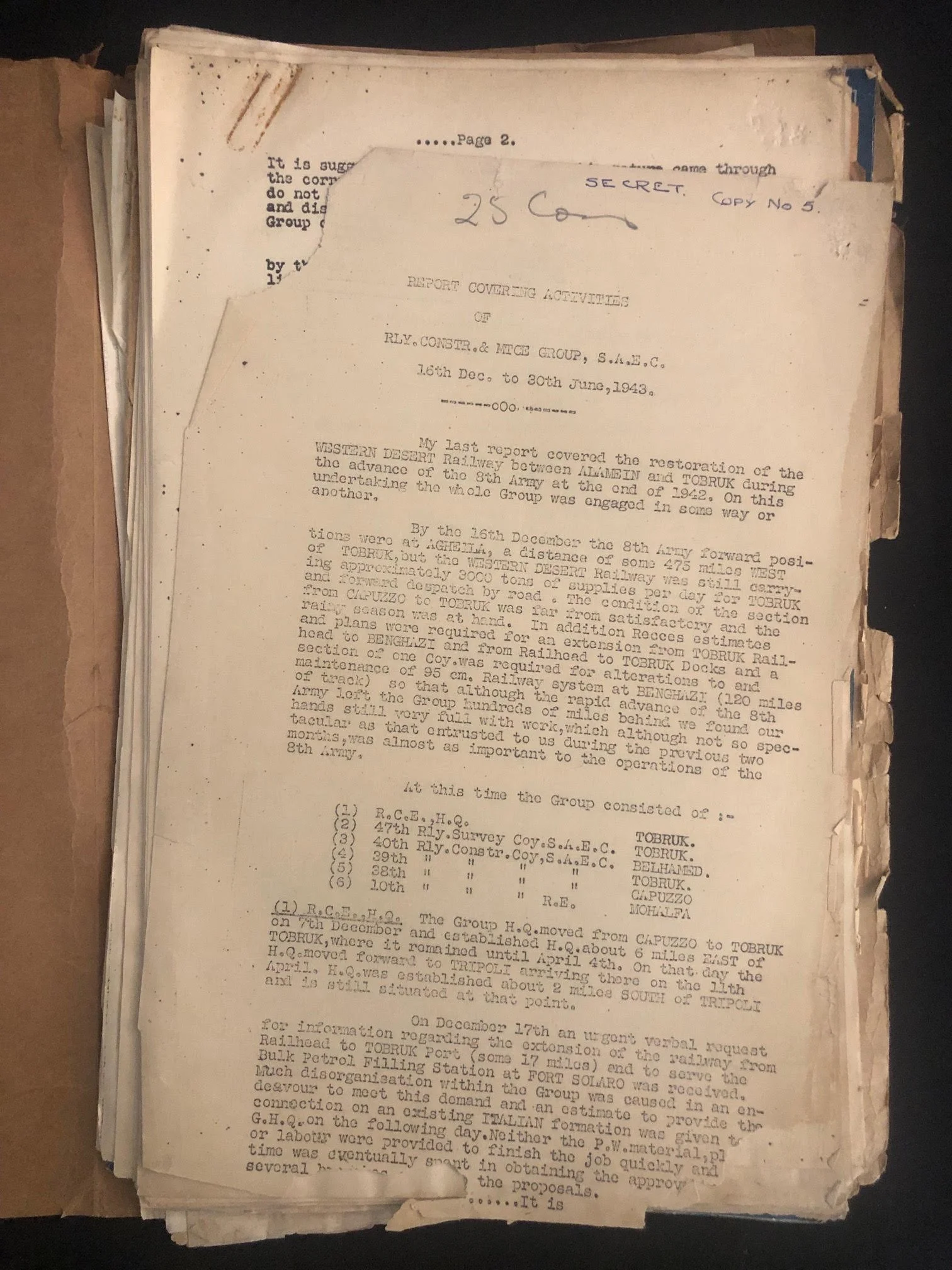
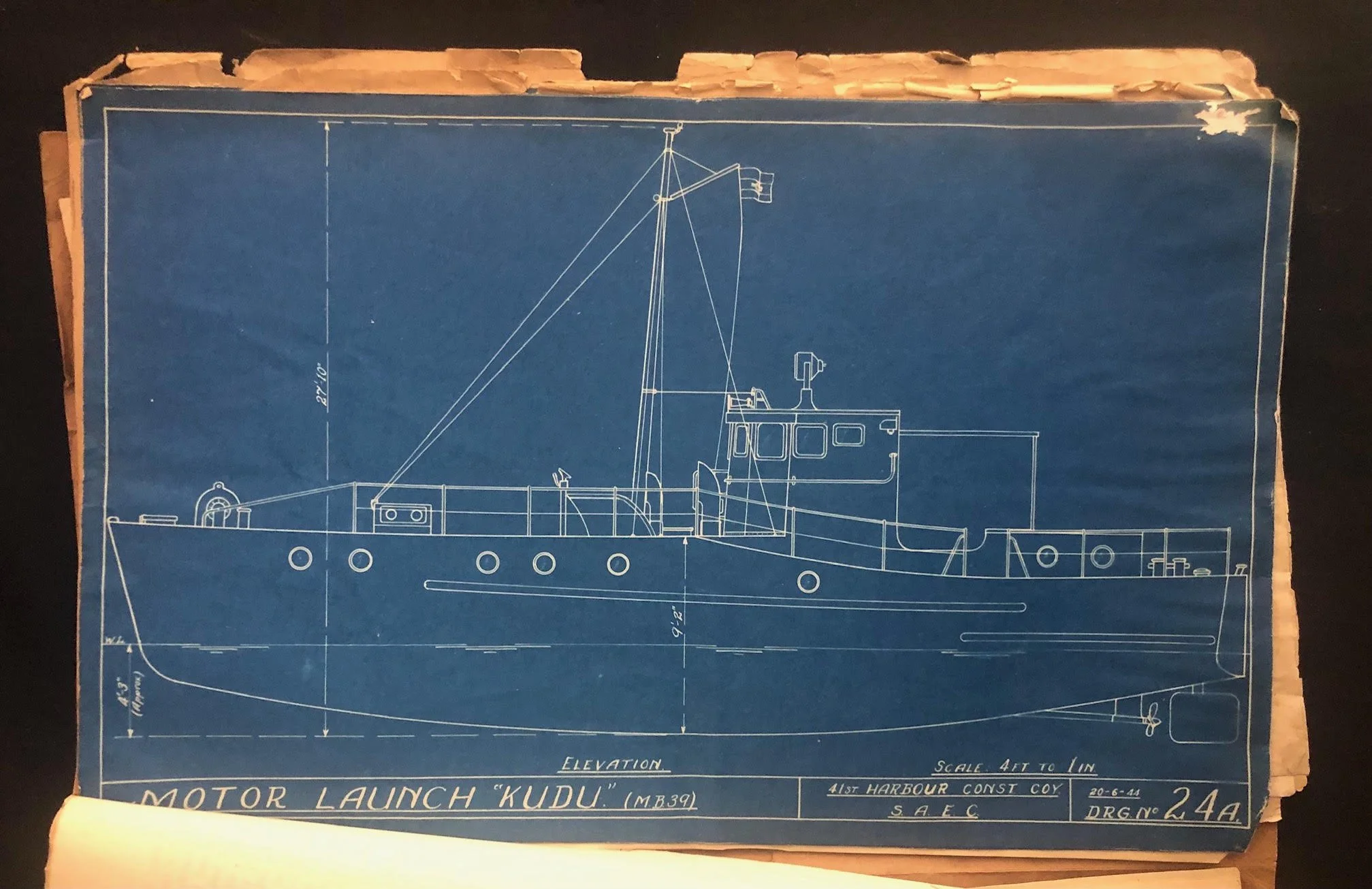
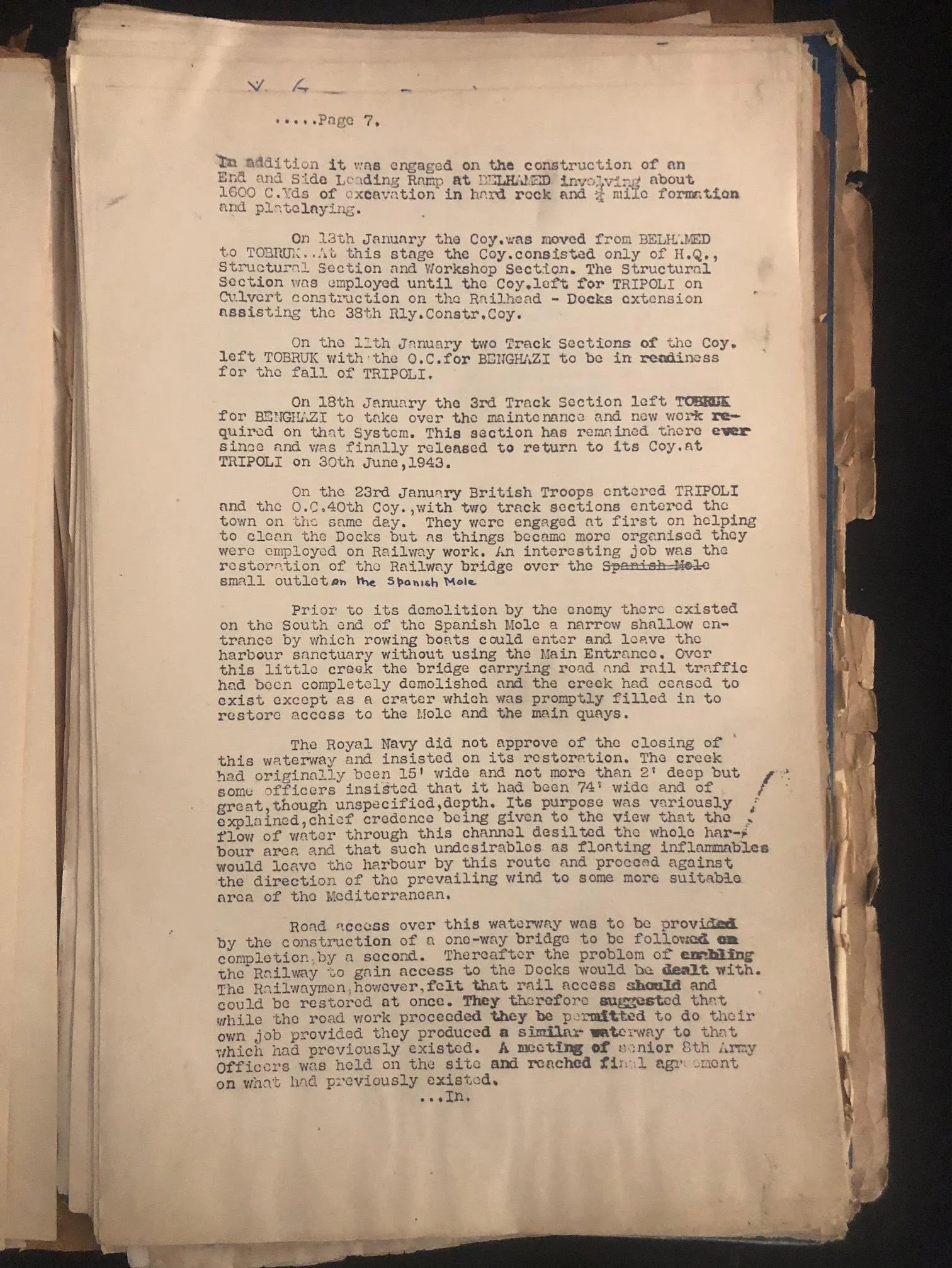
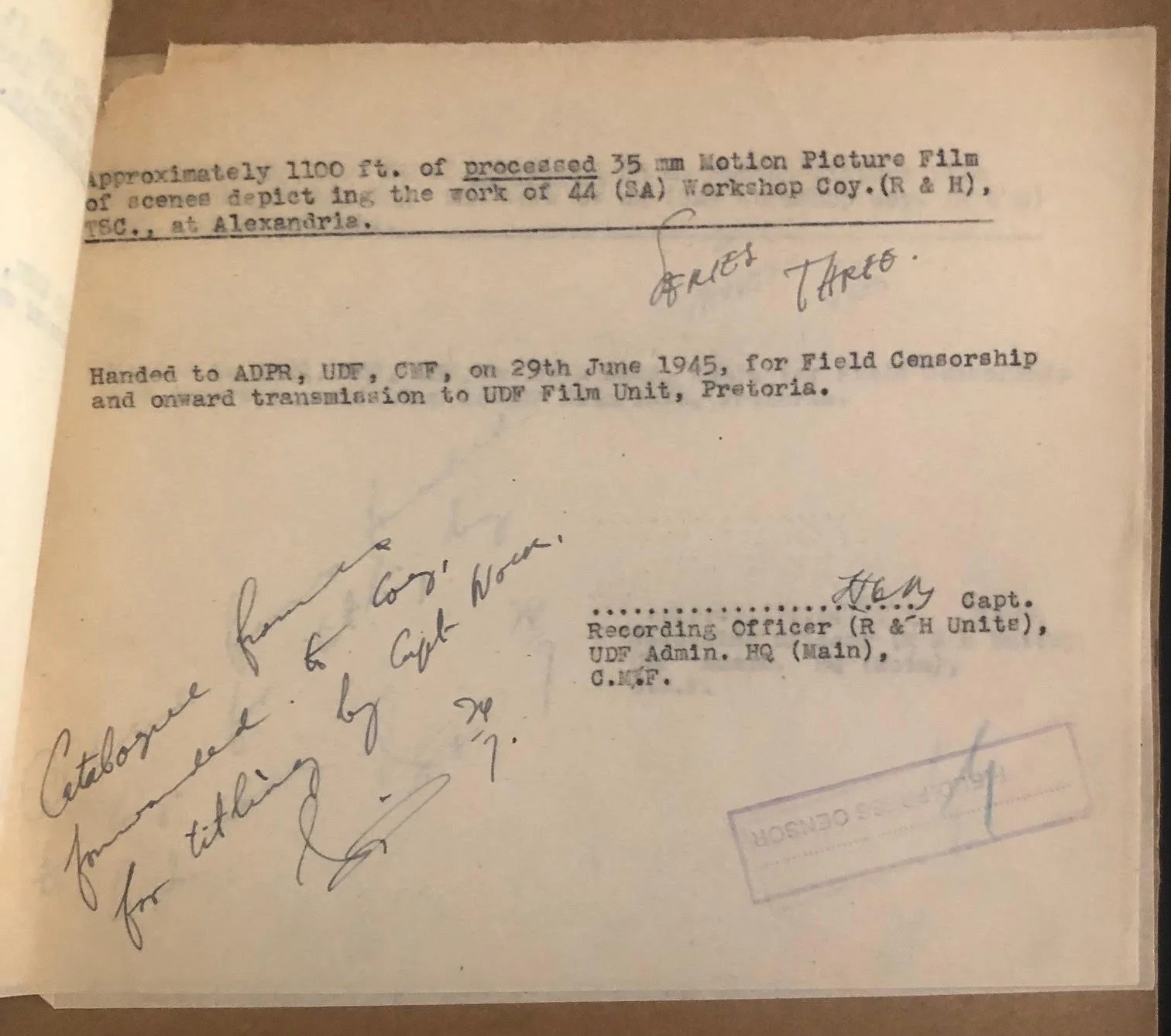
South African Engineer Corps (S.A.E.C.) & British 8th Army in the North African Campaign 1942
This document is a primary historical record from World War II detailing the operations of the Railway Construction and Maintenance Group of the South African Engineer Corps (S.A.E.C.) working alongside the British 8th Army in the North African Campaign.
Below is an overview of the key historical facts, tactical context, and engineering details contained within these original wartime military reports.
Key Historical & Operational Insights
Unit Role & Identity:
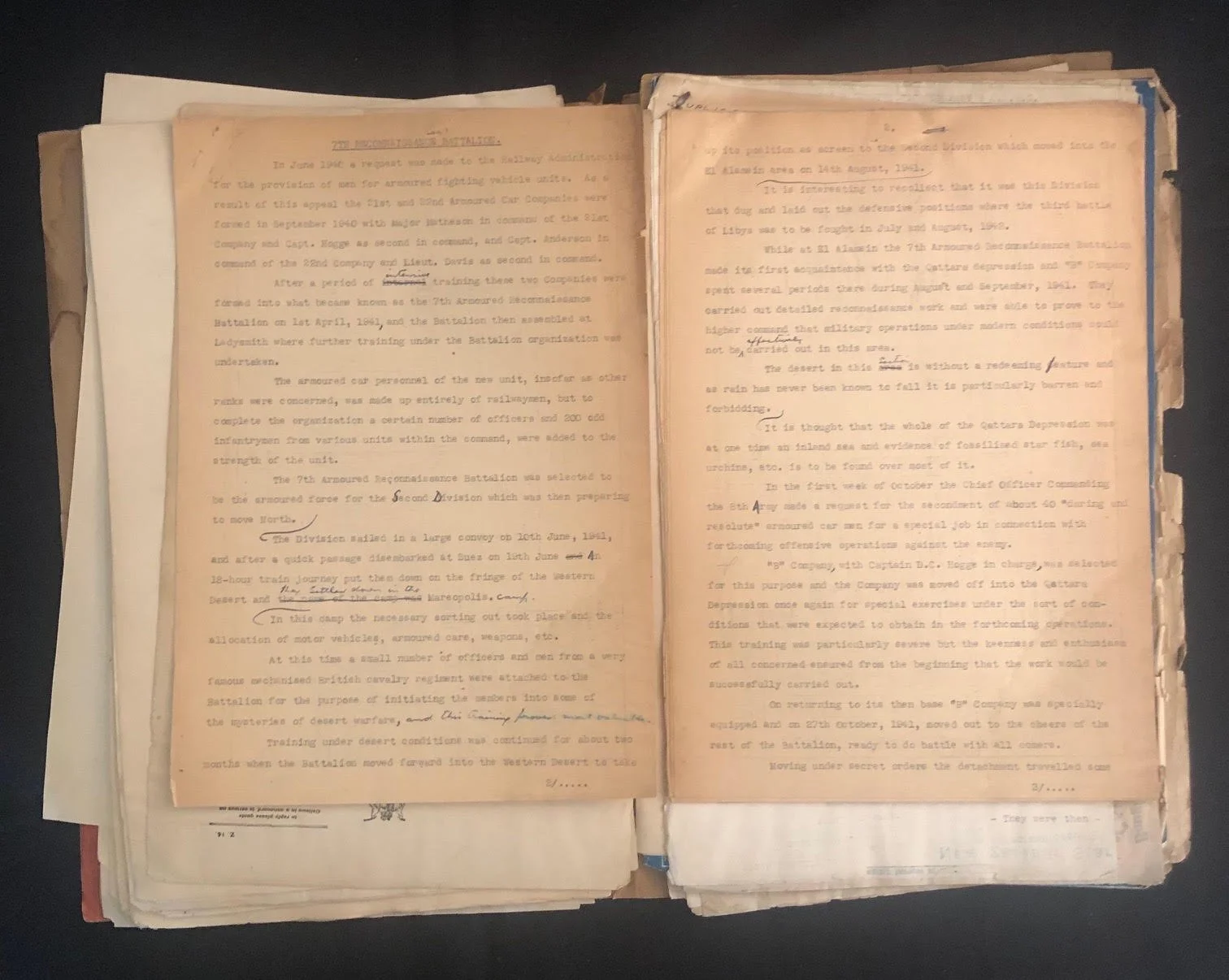
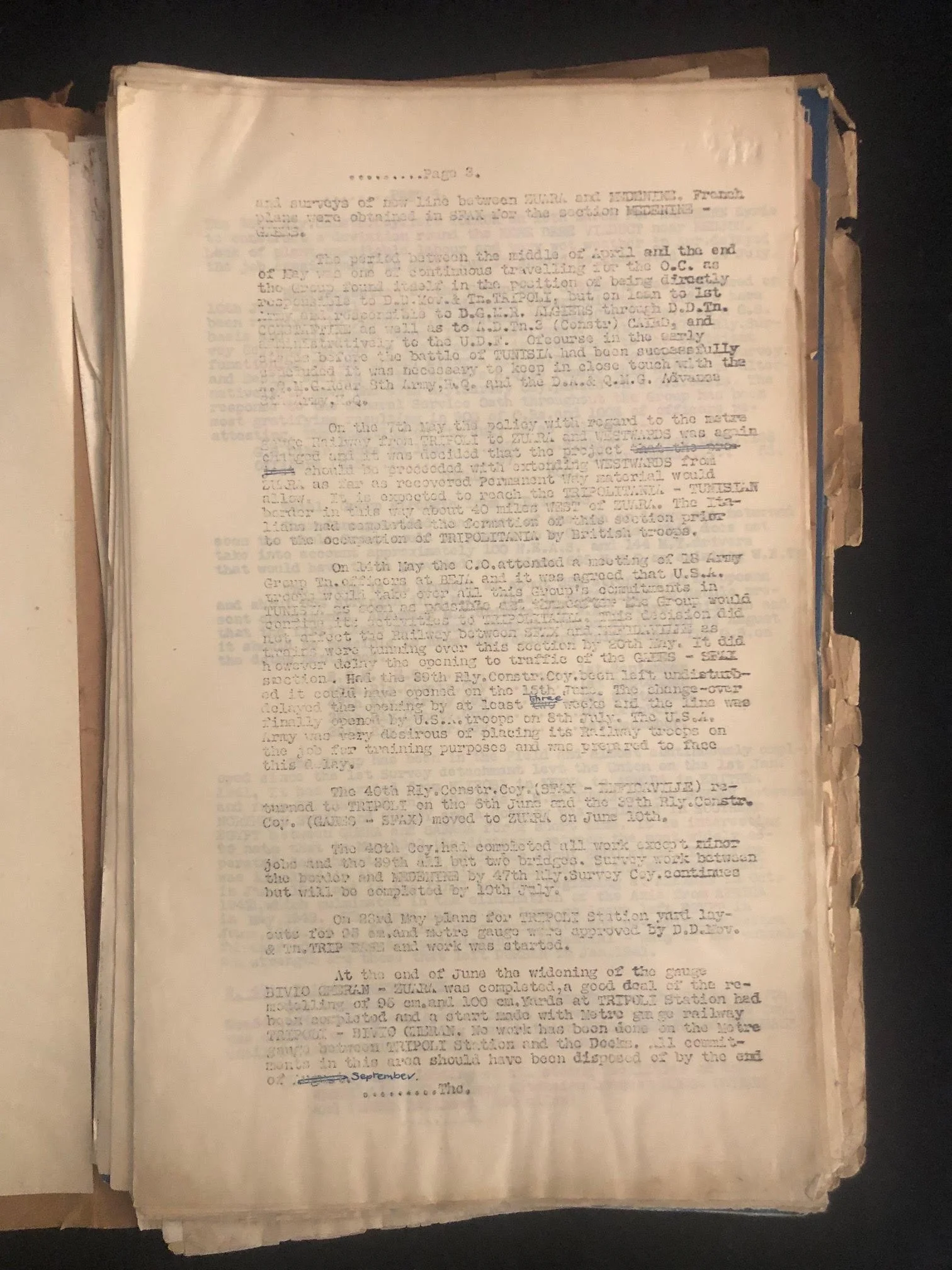
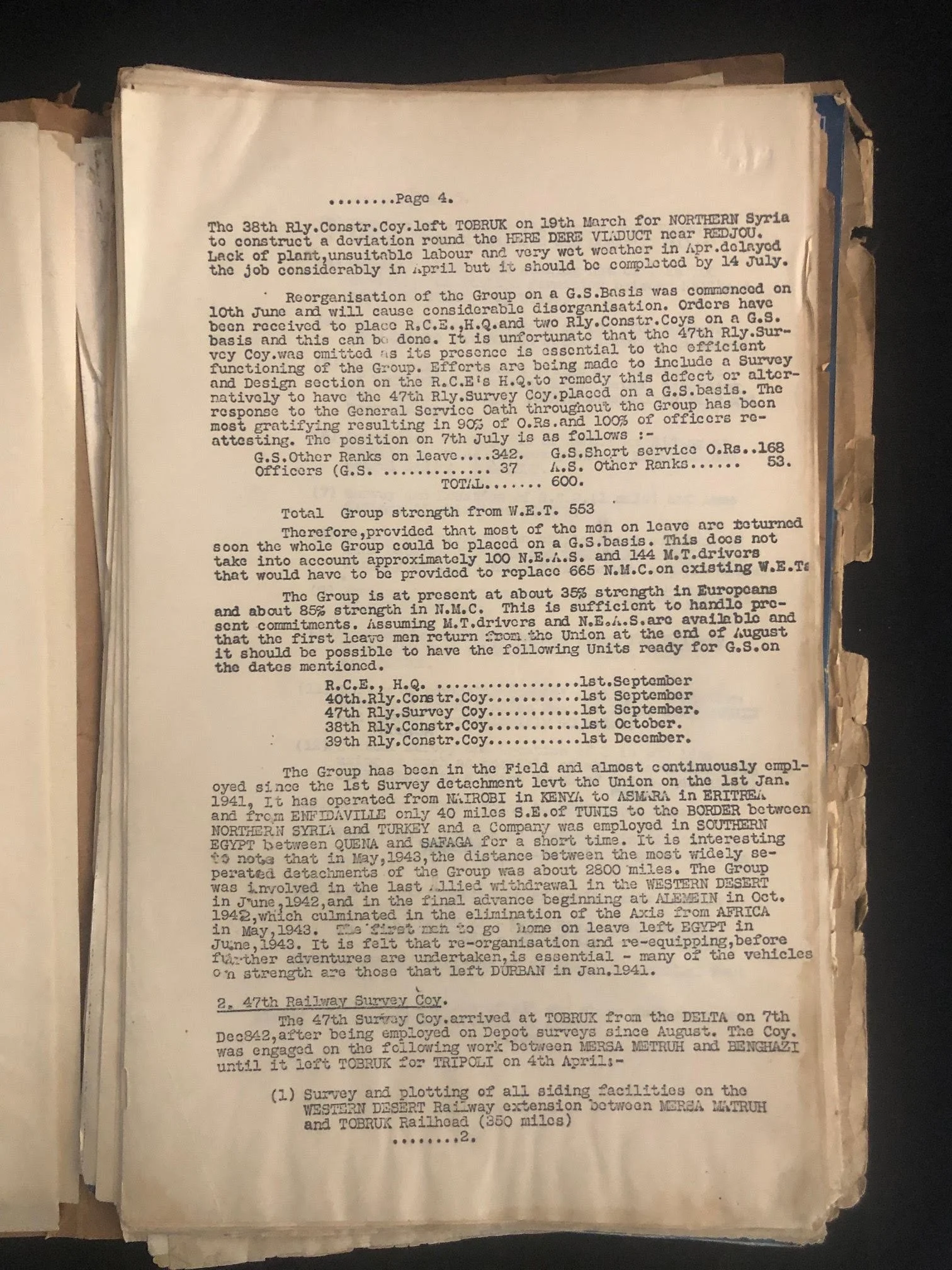
The unit featured in these operational logs is the Railway Construction & Maintenance Group, S.A.E.C., composed heavily of skilled railwaymen and engineering staff recruited directly from the South African Railways and Union Ports. Deploying initial detachments from Durban as early as January 1941, this group operated continuously across Kenya, Eritrea, Egypt, Libya, and Tunisia—covering a vast footprint spanning nearly 2,800 miles across the continent during key phases of the desert war.
Logistical Lifeline of the 8th Army:
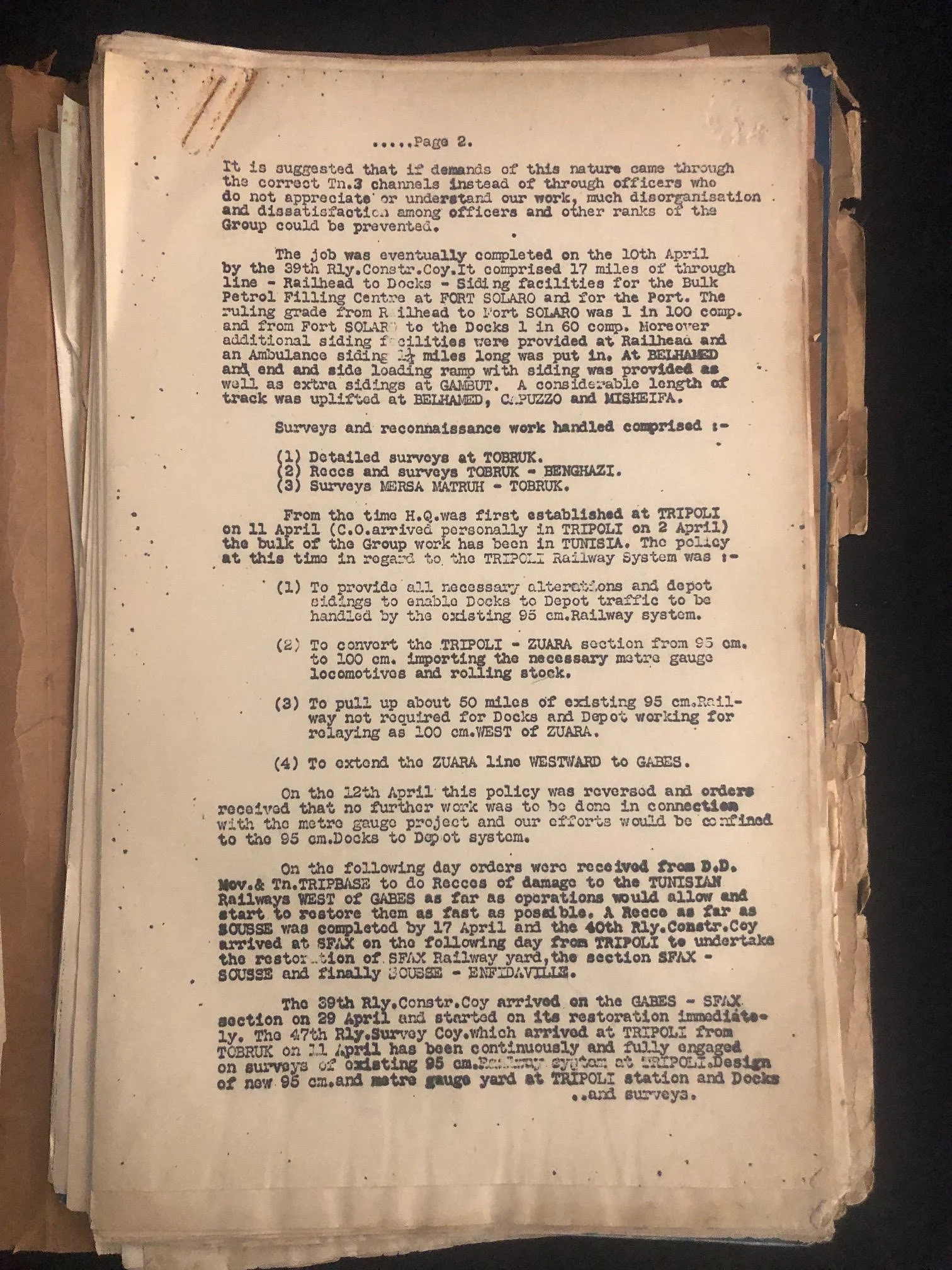
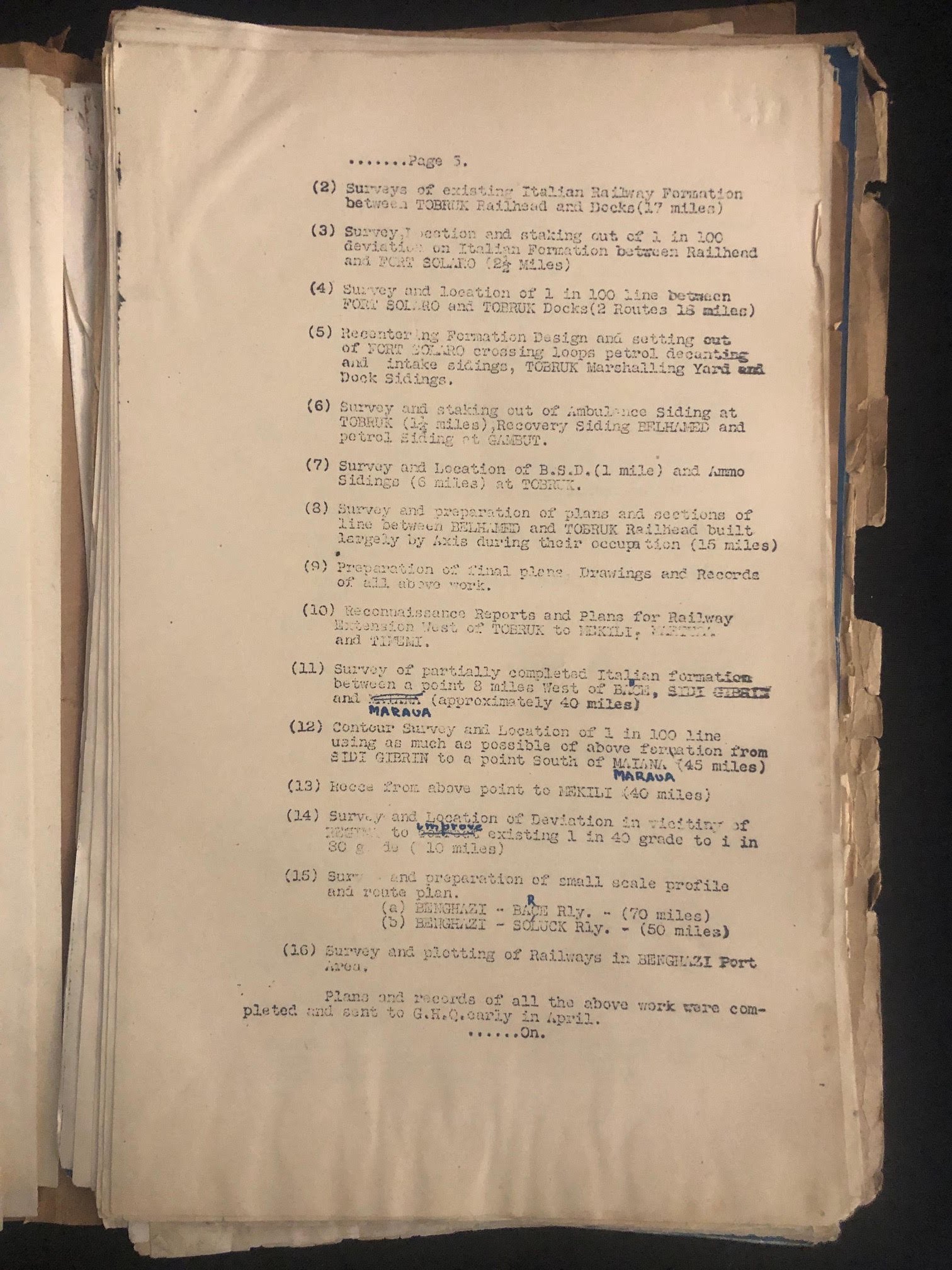
Following the historic victory at El Alamein in late 1942, General Montgomery’s 8th Army advanced rapidly westwards across the Western Desert toward Tripoli and Tunisia. The S.A.E.C. units were charged with restoring, extending, and converting vital railway links (such as the Western Desert Railway stretching between El Alamein, Tobruk, Tripoli, and beyond). Because supply lines stretched hundreds of miles behind the advancing front, rapid railway restoration and dock operations were crucial to keeping combat formations supplied with food, ammunition, and fuel.
Field Engineering Under Fire:
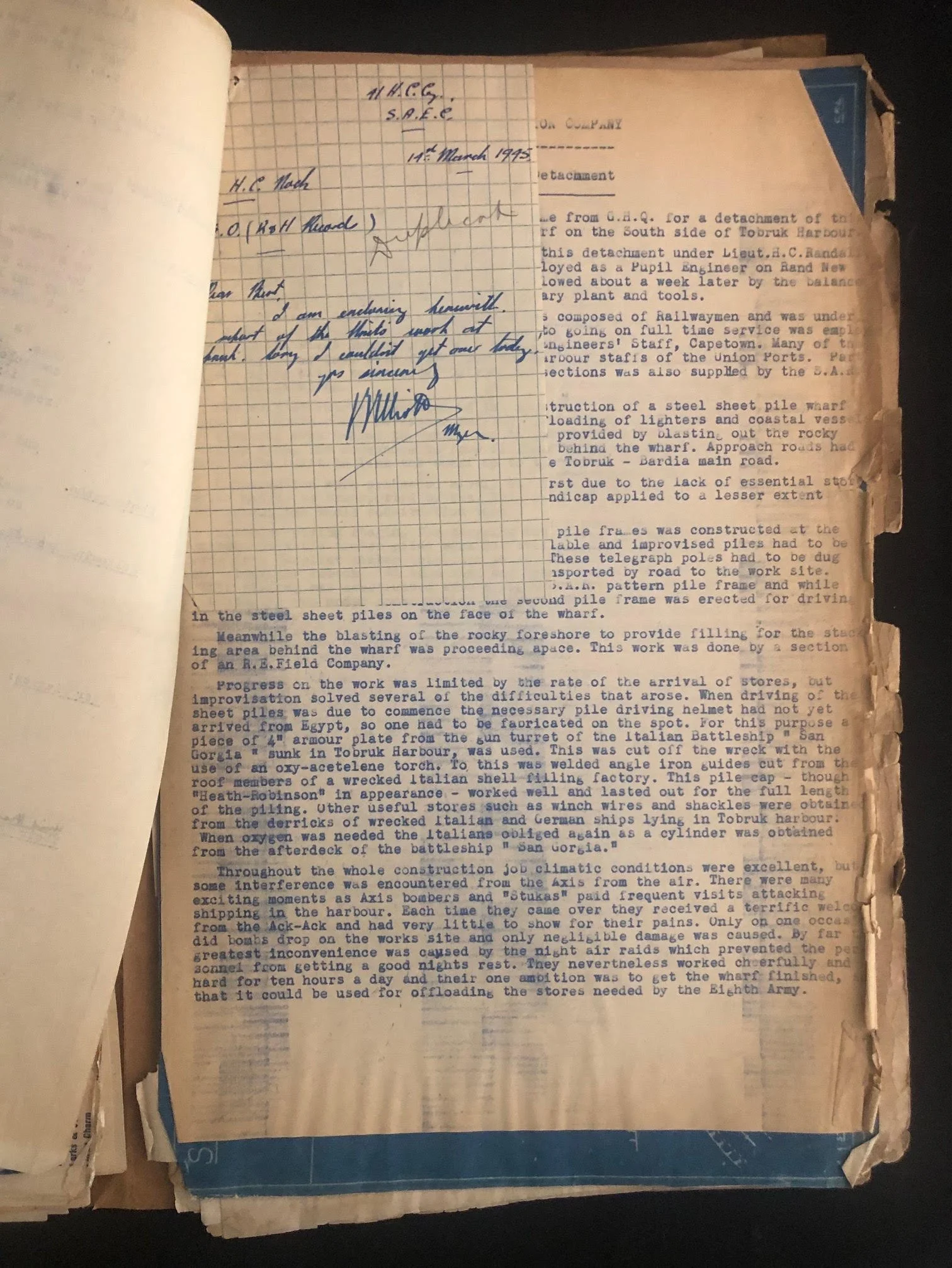
The reports document intense operational conditions, including regular air raids by Axis bombers and Junkers Ju 87 "Stukas" targeting harbour developments and railheads at Tobruk. Despite these frequent attacks, South African engineers worked long daily shifts in harsh climatic conditions to keep logistics lines open.
Wartime Resourcefulness and Field Improvisation:
A remarkable historical detail in these pages reveals extreme battlefield recycling and improvised engineering:
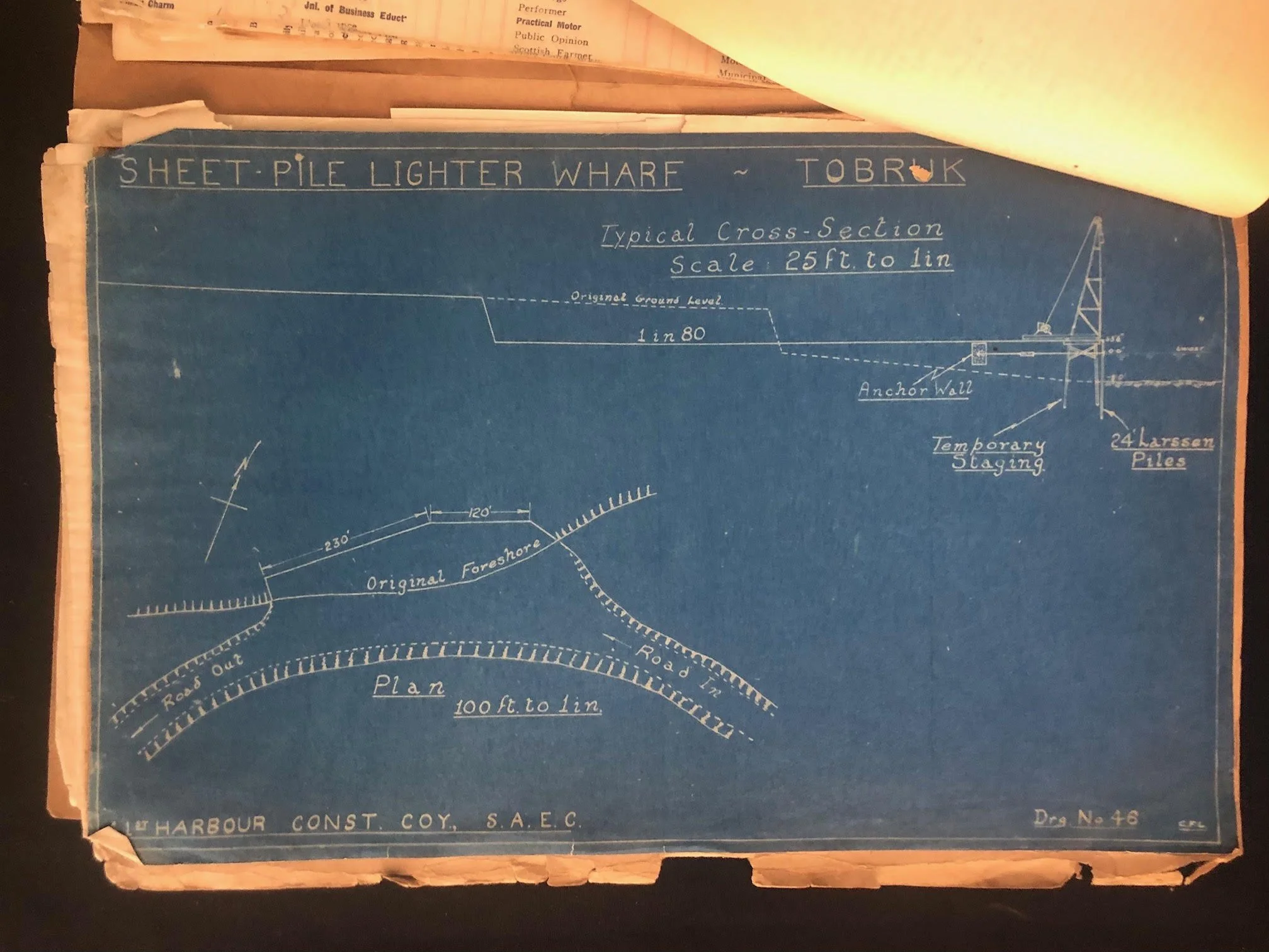
Armour Plate Adaptation: When proper pile-driving helmets were unavailable during the construction of a steel sheet pile wharf in Tobruk Harbour, engineers fabricated one using a 4-inch armour plate salvaged directly from a gun turret of the sunken Italian cruiser/battleship San Giorgio.
Scavenged Materials: Steel guide components were welded using structural roof members taken from a bombed Italian shell-filling factory, while oxygen cylinders were salvaged directly from the afterdeck of the wreck of the San Giorgio. Improvised timber piles were made using local telegraph poles.
Complex Rail Gauge Adjustments:
As the Allied forces captured former Italian territories in Libya and Tunisia, the engineers faced significant logistical hurdles due to mismatched railway gauges. S.A.E.C. detachments were tasked with converting narrow 95 cm lines to 100 cm (metre gauge) or standard lines, relaying track, re-siding yards, and adapting captured Italian rolling stock to suit Allied transport demands.
Document Sensitivity & Security Markings:
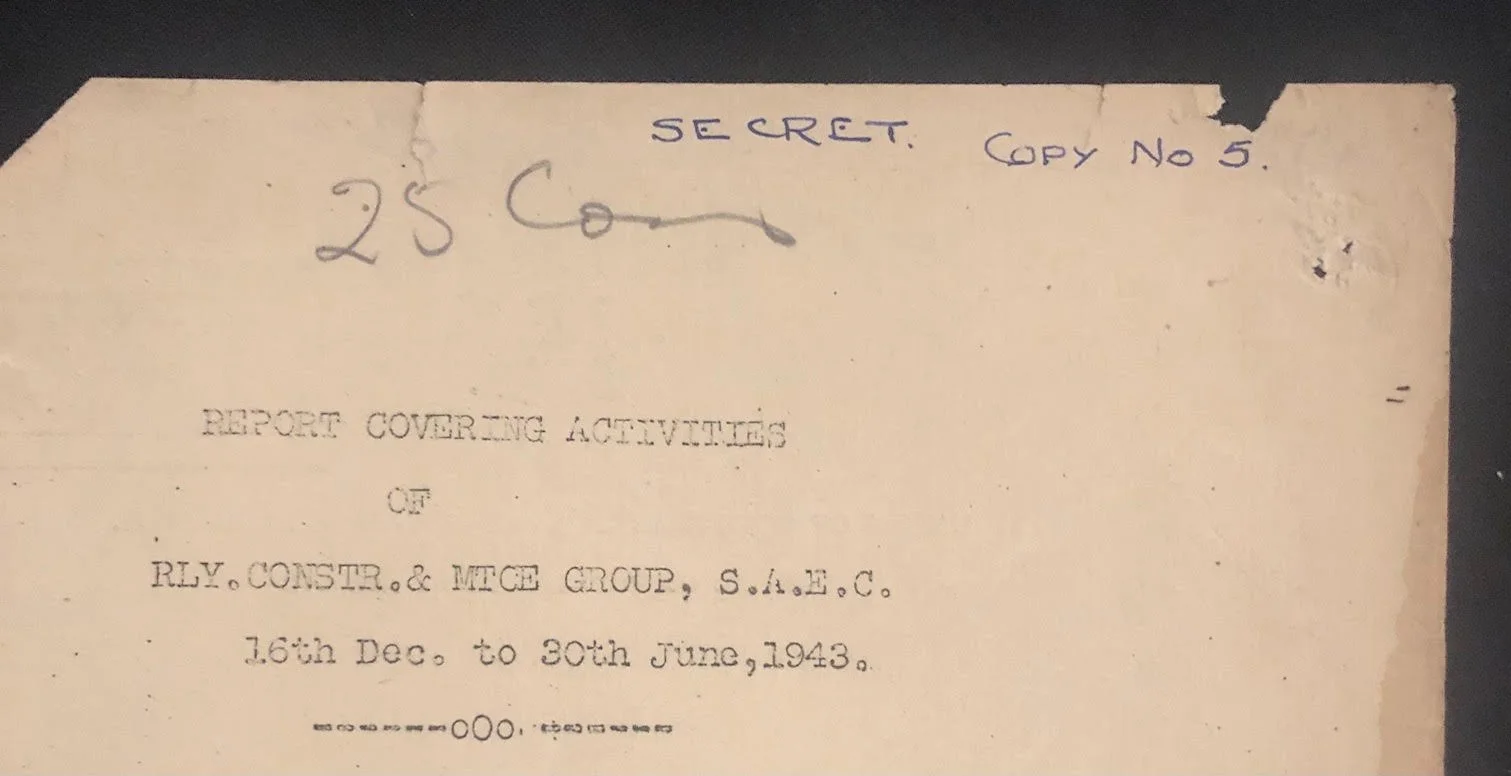
The physical document bears original wartime security classifications. Markings like "SECRET", "Copy No 5", and field censorship hand-stamps ("PASSED CENSOR") reflect the strictly confidential nature of infrastructure, shipping, and supply line intelligence during active operations.
240mm x 350mm
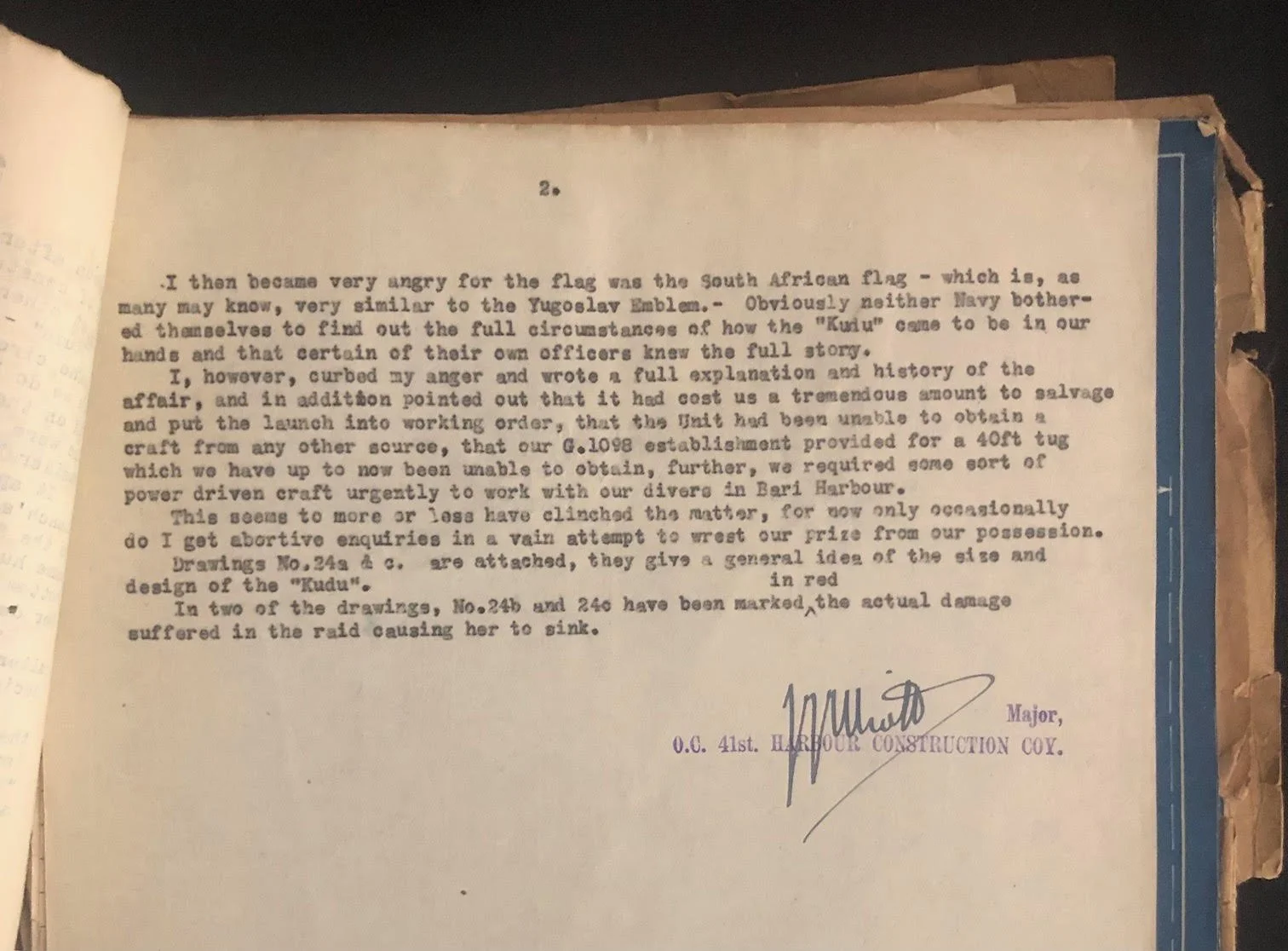
Various documents making up a folder; plans; reports; reconnaissance. Approximately 75 + pages. All torn, dog-eared and loose.
R6,500